Let’s be honest, “beauty” in the cat world – and really, anywhere – is totally subjective. What one person finds adorable, another might find… well, different! We’ve all seen those cats that just don’t fit the typical fluffy, perfectly-proportioned mold. But that’s what makes them special, right? This post dives into the fascinating world of “ugly cats breeds,” exploring breeds often considered unconventional, highlighting their unique charm, and debunking the idea that different means undesirable.
We’ll be looking at everything from hairless wonders to cats with folded ears and short tails, celebrating the individuality that makes each feline a masterpiece in its own way.
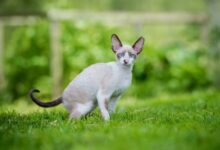
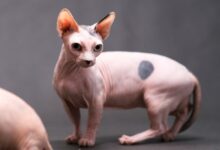

We’ll journey through the history and care requirements of these breeds, understanding why they look the way they do and how to best support their well-being. Get ready to challenge your perceptions of feline beauty and discover a whole new appreciation for the wonderfully weird!
Embracing the Unique: A Guide to “Ugly” Cat Breeds
Let’s be honest, the concept of “ugly” when it comes to cats is a bit silly, isn’t it? What one person finds unconventional, another might find utterly charming. Beauty, especially when we’re talking about animals, is incredibly subjective. Cultural influences play a huge role – what’s considered desirable in one part of the world might be seen differently elsewhere. Historically, cats with features we now consider “unique” weren’t necessarily labeled “ugly.” Instead, they were often viewed as rare, interesting, or even possessing special qualities.
This article isn’t about declaring any breed unattractive; it’s about celebrating the diversity of feline appearances and exploring breeds that often defy conventional beauty standards. We’ll be diving into the fascinating world of Sphynx, Scottish Fold, Devon Rex, Cornish Rex, Xoloitzcuintli (yes, a dog!), Lykoi, American Bobtail, Manx, and even touching on the results of some interesting breed combinations. Get ready to appreciate the wonderfully weird!
Before we jump in, it’s important to acknowledge that breeding practices can sometimes prioritize appearance over health. We’ll address some of these ethical considerations as we go, particularly when discussing breeds with genetic predispositions to certain health issues. Our goal is to appreciate these unique cats while also promoting responsible ownership and breeding.
The Sphynx: Hairless Wonders and Their Unique Appearance
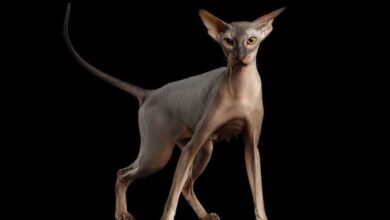
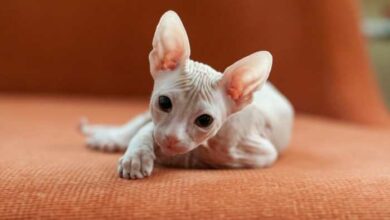
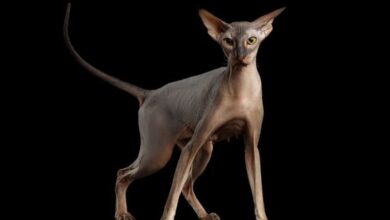
The Sphynx cat is probably the breed that most readily springs to mind when people think of “unusual” looking cats. Their lack of fur is the defining characteristic, but it’s far more complex than just being bald. These cats possess a velvety, peach-like skin texture, often adorned with wrinkles and folds, particularly around the face and shoulders. Their large ears and prominent features – big, expressive eyes and a slightly elongated muzzle – contribute to their distinctive, almost alien-like appearance.
While often perceived as hairless, Sphynx cats actually have a very fine downy fuzz covering their skin, which gives them a soft, suede-like feel.
History and Origins of the Sphynx
The Sphynx breed’s history is a bit convoluted, with early attempts at breeding hairless cats in the 19th century ultimately failing. The modern Sphynx lineage traces back to a cat named Prune, born in Canada in 1970. Through selective breeding, Prune’s kittens were crossed with Devon Rex cats to stabilize the hairless trait. The breed gained recognition in the 1990s and has since become increasingly popular, though still relatively rare.
Care Requirements for Sphynx Cats
The lack of fur significantly impacts the care requirements for Sphynx cats. Without a coat to regulate their body temperature, they are highly susceptible to both heat and cold. They also lack the natural protection of fur against sunburn and skin oils, meaning they require regular bathing to remove excess oils and prevent skin problems. Their large ears are prone to wax buildup, so regular cleaning is also necessary.
Finally, their diet needs to be carefully monitored as they burn calories more quickly to maintain their body temperature.
| Feature | Description | Care Implication |
|---|---|---|
| Lack of Fur | Velvety skin with fine downy fuzz. | Requires regular bathing (weekly), protection from sun and cold. |
| Large Ears | Prominent and large, prone to wax buildup. | Requires regular ear cleaning. |
| Skin Wrinkles | Folds and wrinkles, especially around the face. | Potential for skin infections if not kept clean and dry. |
| High Metabolism | Burns calories quickly to maintain body temperature. | Requires a higher-calorie diet. |
The Scottish Fold: Folded Ears and a Sweet Expression
The Scottish Fold is instantly recognizable by its distinctive folded ears, which give it an endearing, owl-like appearance. This unique trait, however, is the result of a genetic mutation that also carries potential health risks. Beyond the ears, Scottish Folds are generally medium-sized cats with a round face, large eyes, and a sweet, gentle expression. Their fur can be long or short, and comes in a wide variety of colors and patterns.
The Genetics Behind the Folded Ears
The folded ears of Scottish Folds are caused by a dominant gene mutation that affects cartilage throughout the body. This mutation, while responsible for the folded ears, also predisposes the breed to osteochondrodysplasia (OCD), a degenerative joint disease. It’s crucial to understand that not all Scottish Folds develop OCD, but the risk is significantly higher than in other breeds.
Personality and Temperament
Despite their unusual appearance, Scottish Folds are known for their sweet and affectionate personalities. They are generally quiet, gentle, and enjoy being around people. They are playful but not overly energetic, and often described as “dog-like” in their loyalty and desire to please. Their calm demeanor makes them excellent companions for families and individuals alike.
Ethical Considerations in Breeding
The ethical concerns surrounding the breeding of Scottish Folds are significant due to the risk of OCD. Responsible breeders prioritize health testing and avoid breeding cats with signs of the disease. Ideally, breeding should be limited to outcrosses (breeding with non-Scottish Fold cats) to reduce the concentration of the problematic gene. However, the demand for the folded ear trait often leads to unethical breeding practices that prioritize appearance over the well-being of the cats.
- Pros of Owning a Scottish Fold:
- Affectionate and gentle personality
- Relatively quiet and calm
- Unique and endearing appearance
- Adaptable to various living situations
- Cons of Owning a Scottish Fold:
- Potential for osteochondrodysplasia (OCD)
- Requires careful breeder selection
- Higher veterinary costs due to potential health issues
- Ethical concerns surrounding breeding practices
The Devon Rex: Pixie-Like Features and Curly Fur
The Devon Rex is a breed that often evokes comparisons to pixies or elves, thanks to its large, expressive eyes, oversized ears, and short, wavy fur. Their slender build and mischievous expressions further contribute to their whimsical charm. Unlike the Cornish Rex, whose curls are tight and springy, the Devon Rex’s fur has a looser, more relaxed wave.
Devon Rex vs. Cornish Rex
While both breeds share the characteristic of curly fur, the Devon Rex and Cornish Rex differ significantly in their appearance. The Devon Rex has a more slender build, larger ears, and a more pronounced “elfin” face. Their fur is softer and less dense than the Cornish Rex’s, giving them a more delicate appearance. The genetic mutations responsible for the curly fur are also different in each breed.
Personality and Playfulness
Devon Rex cats are known for their energetic and playful personalities. They are highly intelligent and curious, often described as “monkey-like” in their antics. They are affectionate and enjoy being around people, and are known to be quite vocal. Their playful nature and unique appearance make them entertaining and engaging companions.
Grooming Requirements
The Devon Rex’s loose, wavy fur requires minimal grooming. While they don’t shed as much as some other breeds, their fur can become oily, so occasional bathing is recommended. Their large ears also require regular cleaning to prevent wax buildup. The key is to avoid over-brushing, as this can damage the delicate curls.
The Cornish Rex: A Wavy-Furred Marvel
The Cornish Rex is a truly unique breed, distinguished by its incredibly tight, wavy coat. This isn’t just a slight ripple; the fur grows in a tight, corkscrew pattern, giving the cat a distinctive, almost sculpted appearance. The texture is soft and downy, lacking the guard hairs found in most other cat breeds.
Body Structure and Posture
Beyond the coat, the Cornish Rex possesses a distinctive body structure. They have long, slender limbs, a wedge-shaped head, and a graceful, almost elegant posture. Their large ears and almond-shaped eyes further enhance their refined appearance. Their bodies are often described as being “whippet-like” due to their slender build and long legs.
Intelligence and Trainability
Cornish Rex cats are exceptionally intelligent and trainable. They are active and curious, always exploring their surroundings and seeking out new challenges. Their intelligence makes them receptive to training, and they can often be taught tricks and commands. Their playful nature and intelligence make them engaging and rewarding companions.
| Physical Feature | Genetic Basis | Impact on Appearance | Care Consideration |
|---|---|---|---|
| Tight, Wavy Coat | Mutation in the LPAR6 gene | Unique, sculpted appearance; lacks guard hairs | Minimal grooming required; occasional bathing to prevent oil buildup |
| Long, Slender Limbs | Genetic predisposition for a lean build | Elegant and graceful posture | May require more exercise to maintain muscle tone |
| Wedge-Shaped Head | Specific skull morphology | Distinctive facial profile | None |
| Large Ears | Genetic influence on ear size and shape | Enhances the cat’s alert and expressive appearance | Regular ear cleaning to prevent wax buildup |
The Xoloitzcuintli (Mexican Hairless Dog) – A Cat-Like Comparison
While technically a dog breed, the Xoloitzcuintli, often shortened to Xolo, shares a striking resemblance to the Sphynx cat, particularly the hairless variety. This ancient breed, native to Mexico, is characterized by its lack of fur, wrinkled skin, and large, expressive eyes. They come in three sizes: toy, miniature, and standard, and can be either hairless or coated.
Similarities and Differences Between Xolo and Sphynx
Both the Xolo and Sphynx share the characteristic of hairlessness, resulting in similar skin textures and the need for protection from the elements. However, the Xolo generally has a more muscular build and a longer muzzle than the Sphynx. Temperamentally, Xolos are known for their loyalty and protective nature, while Sphynx cats are typically more playful and affectionate. The Xolo also possesses a higher tolerance for cold temperatures than the Sphynx.
Historical and Cultural Significance
The Xoloitzcuintli holds deep cultural significance in Mexican history, dating back over 3,000 years. They were revered by the Aztecs and Mayans, who believed them to be sacred animals with healing powers. They were often kept as companions and guardians, and were even used as currency.
“The Xoloitzcuintli was considered a gift from the gods, a companion in life and a guide to the underworld. Their warmth was believed to heal ailments, and their presence brought good fortune and protection to their owners.”
The Lykoi: The “Werewolf Cat” and Its Sparse Fur
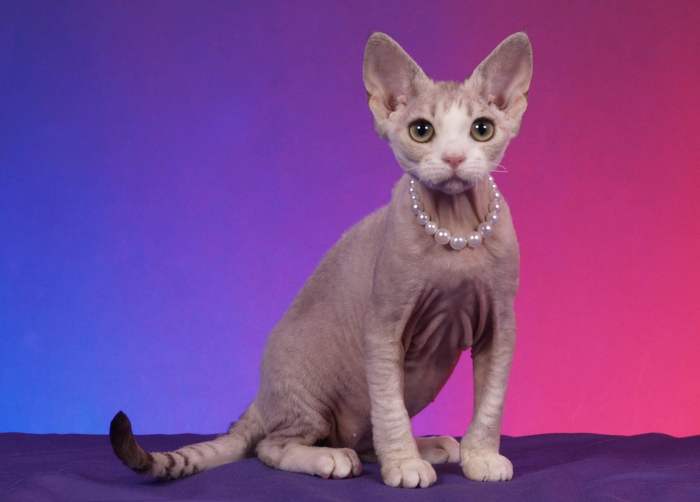
Source: rd.com
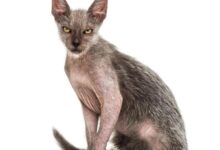
The Lykoi, often nicknamed the “werewolf cat,” is a relatively new breed that has captured the attention of cat lovers worldwide. Its unique appearance is the result of a natural genetic mutation that causes sparse fur, giving it a patchy, almost skeletal look. This, combined with its large eyes and distinctive facial structure, creates a truly striking and somewhat unsettling appearance.
The Genetics of Sparse Fur
The Lykoi’s sparse fur is caused by a recessive gene that affects the hair follicles, preventing them from producing a full coat of fur. This mutation doesn’t affect the cat’s health, but it does require special care to protect their skin from the sun and cold. The patchy fur pattern is unique to each Lykoi, making each cat truly one-of-a-kind.
Personality and Temperament
Despite their somewhat intimidating appearance, Lykoi cats are known for their playful and affectionate personalities. They are energetic and curious, and enjoy interacting with people. Their playful nature and affectionate demeanor belie their “werewolf” moniker.
| Physical Trait | Genetic Explanation | |
|---|---|---|
| Sparse Fur | Recessive gene mutation affecting hair follicle development | |
| Patchy Fur Pattern | Unique expression of the gene in each individual | |
| Large Eyes | Genetic influence on eye size and shape | |
| Distinctive Facial Structure | Combination of genetic factors affecting skull morphology |
The American Bobtail: A Short-Tailed Charm
The American Bobtail is instantly recognizable by its short, “bobbed” tail, which is a defining characteristic of the breed. This tail can vary significantly in length and shape, ranging from a mere stub to a slightly longer, curved appendage. Beyond the tail, American Bobtails are muscular cats with expressive eyes and a variety of coat colors and patterns.
Other Physical Traits
American Bobtails are medium to large-sized cats with a sturdy build. Their muscular physique and agile movements contribute to their overall athleticism. Their expressive eyes, often green or gold, add to their charm and intelligence. They come in both short-haired and long-haired varieties, and their coats can display a wide range of colors and patterns, including tabby, tortoiseshell, and solid colors.
Personality and Adaptability
American Bobtails are known for their friendly and adaptable personalities. They are playful and energetic, but also enjoy cuddling and spending time with their human companions. Their intelligence and trainability make them rewarding pets for families and individuals alike. They are generally good with children and other pets, making them excellent additions to a multi-pet household.
Tail Variations
The tail is the most variable feature of the American Bobtail breed. Tails can be short and straight, long and curved, or anything in between. The number of vertebrae in the tail can also vary, resulting in a wide range of tail lengths and shapes. This variation is a natural occurrence within the breed and is not considered a fault.
The Manx: Tailless Wonder and Unique Build
The Manx cat is perhaps best known for its lack of a tail, a trait caused by a genetic mutation. This taillessness, however, can be accompanied by a range of health complications known as Manx Syndrome. Despite this potential risk, Manx cats are beloved for their unique appearance and affectionate personalities.
The Genetics of Taillessness and Manx Syndrome
The taillessness in Manx cats is caused by a dominant gene that affects the development of the spinal column. However, the gene is incomplete, meaning it can lead to a variety of tail lengths, from a complete absence to a short stub. Manx Syndrome is a collection of birth defects that can occur in Manx cats due to the same gene mutation.
These defects can affect the spine, hind legs, and bladder.
Physical Characteristics
Manx cats have a distinctive physical appearance characterized by a rounded body, short legs, and a cobby build. Their hindquarters are often more rounded than those of other cat breeds. Their large, expressive eyes and short, rounded ears contribute to their endearing appearance.
- Potential Health Issues Associated with the Manx Breed:
- Manx Syndrome (spinal defects, hind leg abnormalities, bladder problems)
- Arthritis
- Corneal dystrophy
- Megaesophagus
Breed Combinations & “Unique” Looks
Sometimes, the most striking and unconventional cat appearances arise from crossbreeding. When different breeds are combined, the resulting offspring can exhibit a fascinating mix of traits, leading to cats with truly unique and unexpected looks. These “designer” cats often possess a blend of characteristics from their parent breeds, creating a one-of-a-kind feline.
Examples of breed combinations that often produce cats with striking appearances include Bengal/Savannah (resulting in spotted patterns and a wild appearance), Maine Coon/Ragdoll (creating large, fluffy cats with gentle temperaments), and Persian/Exotic Shorthair (producing cats with flattened faces and luxurious coats).
Responsible Breeding Practices
While crossbreeding can result in beautiful and unique cats, it’s crucial to prioritize responsible breeding practices. Unplanned or careless breeding can lead to health problems in mixed-breed cats, as recessive genes from different breeds can combine to create genetic disorders. Responsible breeders carefully select breeding pairs to minimize the risk of these issues and prioritize the health and well-being of the kittens.
| Breed Combination | Typical Appearance | Potential Health Concerns |
|---|---|---|
| Bengal/Savannah | Spotted coat, wild appearance, large size | Hypertrophic cardiomyopathy (HCM), hip dysplasia |
| Maine Coon/Ragdoll | Large size, fluffy coat, gentle temperament | HCM, spinal muscular atrophy (SMA) |
| Persian/Exotic Shorthair | Flattened face, luxurious coat, brachycephalic features | Polycystic kidney disease (PKD), breathing difficulties |
Summary
From the Sphynx’s wrinkly skin to the Manx’s tailless form, we’ve explored a diverse range of breeds that defy conventional beauty standards. It’s clear that “ugly” is just a label, and these cats possess a unique appeal all their own. Ultimately, the most important thing is finding a cat whose personality and quirks resonate with you. So, next time you see a cat that doesn’t quite fit the mold, remember that different is beautiful, and these “ugly cats breeds” are a testament to the incredible diversity and charm of the feline world.
Maybe your next best friend is waiting to be discovered!
FAQ Overview
Why are some cat breeds considered “ugly”?
It’s all about perspective! What’s considered beautiful is shaped by cultural trends and personal preferences. Breeds with unusual features, like hairlessness or folded ears, simply haven’t always aligned with mainstream beauty ideals.
Are these “ugly” breeds unhealthy?
Not necessarily! While some breeds, like Scottish Folds, have genetic predispositions to certain health issues, many are perfectly healthy. Responsible breeders prioritize health and temperament over appearance.
Do hairless cats get cold easily?
Yes! Breeds like the Sphynx lack fur for insulation and need extra warmth. They often wear sweaters, live in warmer environments, and enjoy snuggling under blankets.
What’s Manx Syndrome?
Manx Syndrome is a collection of birth defects that can occur in Manx cats due to the taillessness gene. It can affect the spine, bladder, and bowel, so it’s crucial to find a reputable breeder who screens for this condition.
Are Lykoi cats truly hypoallergenic?
While they produce less of the Fel d 1 protein (a common cat allergen), Lykoi cats aren’t completely hypoallergenic. People with allergies may still experience reactions.
What’s the difference between a Cornish Rex and a Devon Rex?
Both have curly fur, but the Cornish Rex has tighter, wavier curls, while the Devon Rex has looser, softer waves. They also have slightly different body shapes and head structures.
Is it ethical to breed Scottish Folds?
This is a controversial topic. Due to the risk of osteochondrodysplasia (a degenerative joint disease), many animal welfare organizations discourage breeding Scottish Folds.