Ever wondered about cats that look like they’ve stepped out of a fantasy novel? The world of feline breeds is far more diverse than you might think, and beyond the familiar Persians and Siamese lie some truly remarkable and unusual varieties. We’re diving into the fascinating realm of “strange” cat breeds – those that defy expectations with their appearance, temperament, or sheer rarity.
This isn’t just about quirky looks; it’s about exploring the genetics, history, and care requirements of these captivating creatures.
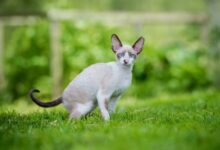
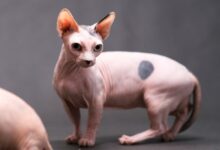

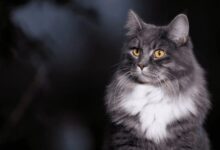
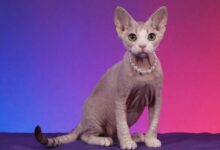
The concept of a “strange” cat breed is subjective, of course. It often refers to cats that deviate significantly from the typical domestic shorthair or longhair appearance. Historically, unusual traits often arose from spontaneous genetic mutations, sometimes embraced by breeders and carefully cultivated over generations. While we’re used to seeing fluffy Persians or sleek Bengals, breeds like the Sphynx or Lykoi challenge our notions of what a “normal” cat should look like, and their unique characteristics tell a compelling story.
Strange Cat Breeds: A Look at the Unusual and Wonderful
The world of cats is full of surprises. While the fluffy Persian or sleek Siamese might spring to mind when you think of “cat breeds,” there’s a whole universe of feline varieties that defy expectations. These “strange” breeds, often characterized by unusual appearances, unique temperaments, or sheer rarity, offer a fascinating glimpse into the diversity of the cat world. This article explores some of the most intriguing and unusual cat breeds, delving into their origins, characteristics, and the quirks that make them so special.
We’ll look at how these breeds came to be, what makes them different from the more common varieties, and what it takes to care for these extraordinary companions.The concept of a “strange” cat breed is subjective, of course. It generally refers to breeds that deviate significantly from the typical domestic cat – think smooth, short fur, folded ears, or a distinctly “wild” appearance.
Historically, unusual traits often arose from spontaneous genetic mutations. Sometimes, breeders intentionally cultivate these mutations, selecting for specific characteristics over generations. The perception of “normal” cat breeds is also evolving; what was once considered unusual can become more accepted as breeds gain popularity. For example, the Sphynx, once a novelty, is now a recognized and beloved breed. We’ll explore how these breeds challenge our preconceived notions of what a cat should look and act like.
The Sphynx: Hairless Wonders
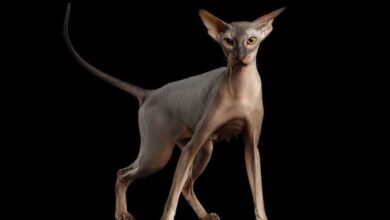
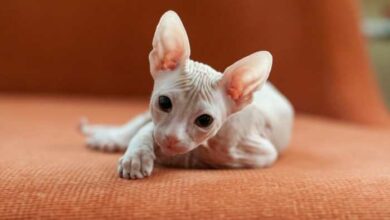
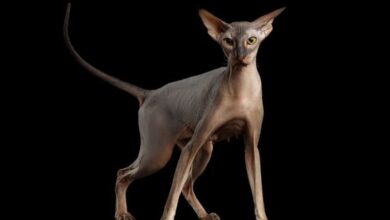
The Sphynx cat is arguably the most recognizable “strange” breed, primarily due to its lack of fur. This isn’t a complete absence of hair; Sphynx cats often have a fine downy fuzz, like peach fuzz, covering their skin. The hairlessness is caused by a naturally occurring genetic mutation affecting the keratin gene, which is responsible for hair growth. This mutation is recessive, meaning a cat needs two copies of the gene to be hairless.Caring for a Sphynx cat is quite different from caring for a standard short-haired cat.
Their lack of fur means they are highly sensitive to temperature changes and require warmer environments. Regular bathing (typically once a week) is necessary to remove oil buildup on their skin, as they lack the fur to absorb it. Their skin also needs moisturizing to prevent dryness and cracking. They are also more susceptible to sunburn, so sun protection is important.Sphynx cats are known for their affectionate and outgoing personalities.
They are often described as “dog-like” in their loyalty and desire for human interaction. They are playful, intelligent, and enjoy being the center of attention. While their appearance might suggest otherwise, they are often incredibly cuddly and thrive on human companionship.
| Characteristic | Sphynx | Standard Short-Haired Cat |
|---|---|---|
| Grooming | Weekly bathing, skin moisturizing | Weekly brushing |
| Temperature Sensitivity | High – requires warm environment | Moderate |
| Skin Health | Requires regular cleaning and moisturizing | Generally healthy with proper diet |
| Diet | May require higher calorie intake due to lack of insulation | Standard cat food |
The Cornish Rex: Wavy-Coated Curiosities
The Cornish Rex’s distinctive curly coat is the result of a spontaneous genetic mutation that occurred in Cornwall, England, in the 1950s. A barn cat gave birth to kittens, one of which had a remarkably curly coat. This mutation was then selectively bred, leading to the Cornish Rex we know today.The fur of a Cornish Rex is incredibly soft and wavy, feeling almost like velvet.
It’s much shorter and finer than the coat of most other cat breeds, and it lacks an undercoat, which contributes to its unique texture. Beyond the coat, Cornish Rex cats are known for their slender, elegant build and their large, expressive ears. Their bodies are long and lithe, and their legs are proportionally long, giving them a graceful appearance.The Cornish Rex’s coat significantly impacts their sensitivity to temperature and sunlight.
They are more susceptible to feeling cold and sunburned than cats with thicker fur, requiring protection from extreme temperatures and prolonged sun exposure.
The Devon Rex: Pixie-Like Appearance
The Devon Rex shares a similar curly-coated trait with the Cornish Rex, but the genetic mutation responsible is different. While the Cornish Rex mutation affects the hair follicle itself, the Devon Rex mutation affects the protein structure of the hair, resulting in a looser, wavier curl.Devon Rex cats are instantly recognizable by their distinctive facial features. They have large, oval eyes, low-set ears that curve backward, and a short, slightly upturned nose.
Their overall expression is often described as mischievous and playful. Anecdotes abound about their energetic and curious nature; they are known to be highly intelligent and enjoy interactive toys and games. They are often described as being “monkey-like” in their antics.Imagine a cat with a wedge-shaped head, slightly larger than average, and a broad forehead. Their body is slender and muscular, with long legs and a flexible spine, contributing to their agility.
Their tail is long and tapering, often curled slightly at the tip. The overall impression is one of a small, sprite-like creature, full of energy and charm.
The Lykoi: The “Werewolf” Cat

Source: pet2.com
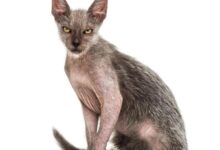
The Lykoi, often nicknamed the “werewolf cat,” is a relatively new breed resulting from a natural genetic mutation. This mutation affects the keratin gene, similar to the Sphynx, but in a different way. Instead of complete hairlessness, it causes patchy hair loss, particularly around the eyes, nose, and ears, giving the cat a distinctive, “wolf-like” appearance.Lykoi cats have several unique physical characteristics.
They lack whiskers, or have very sparse ones, and their eyebrows are also sparse, further contributing to their unusual look. Their coat is a mix of sparse, wiry hairs and bald patches, creating a rugged and somewhat wild appearance. The health implications of this unique genetic makeup are still being studied, but initial findings suggest that Lykoi cats are generally healthy.
“The Lykoi’s temperament is truly remarkable. They’re incredibly affectionate and playful, despite their somewhat intimidating appearance. They bond strongly with their families and are always eager for attention. Caring for them is similar to caring for any other cat, but with a little extra attention to their skin to prevent dryness.”
Sarah Johnson, Lykoi Breeder.
The Scottish Fold: Folded Ears and Unique Charm
The Scottish Fold’s defining characteristic is, of course, its folded ears. This trait is caused by a dominant gene mutation that affects cartilage throughout the body. The degree of ear fold varies greatly, ranging from a single slight fold to a tight “cap” that covers the entire ear.It’s important to note that breeding Scottish Folds raises significant ethical considerations. The same gene mutation that causes the folded ears can also lead to a painful and debilitating condition called osteochondrodysplasia, which affects cartilage and bone development.
Responsible breeders prioritize health and avoid breeding cats with signs of this condition.Scottish Fold kittens are born with straight ears that begin to fold within a few weeks. The degree of folding becomes more pronounced as they mature into adults. Adult Scottish Folds often have a rounder face and a more compact body than kittens.
The American Wirehair: A Rough and Tumble Breed
The American Wirehair emerged from a spontaneous mutation in a litter of American Shorthairs in upstate New York in the 1960s. One kitten was born with a distinctly wiry coat, and this trait was subsequently bred to create the American Wirehair breed.The fur of an American Wirehair is truly “wire-like” – stiff, coarse, and bristly to the touch. It’s unlike the soft, plush coat of many other cat breeds.
While they share a common ancestry with the American Shorthair, American Wirehairs often have a more energetic and playful personality.Common misconceptions about the American Wirehair’s coat include the belief that it’s difficult to groom or that it’s prone to matting. In reality, their coat requires minimal grooming, and they are generally quite low-maintenance. Another misconception is that they are aggressive or unfriendly; in fact, they are known for their affectionate and gentle nature.
The LaPerm: Curly-Haired Companions
The LaPerm’s curly coat is another example of a spontaneous genetic mutation. It first appeared in a litter of barn cats in Oregon in the 1980s. The mutation affects the hair follicle, causing the hair to curl in a spiral pattern.LaPerm cats exhibit a wide range of curl patterns, from loose waves to tight curls. The curliness can also vary depending on the cat’s age and season.
They are known for their affectionate and playful personalities, often described as being “velcro cats” due to their desire to be close to their humans. The LaPerm’s coat, while curly, doesn’t require excessive grooming; a weekly brushing is usually sufficient to prevent tangles.
The Selkirk Rex: Plush and Curly
The Selkirk Rex is distinguished by its unique, plush curly coat. This coat is the result of a dominant gene mutation that affects the hair shaft, causing it to curl in a loose, wave-like pattern.The curl type in Selkirk Rex cats can vary significantly, ranging from loose waves to tight curls. The curliness also tends to change with age and season, becoming more pronounced in kittens and during the winter months.
Selkirk Rex cats are known for their gentle and affectionate temperament, making them wonderful companions.
| Characteristic | Selkirk Rex | Cornish Rex | Devon Rex |
|---|---|---|---|
| Curl Type | Loose, wave-like | Tight, defined curls | Loose, wavy |
| Texture | Plush, soft | Velvety, fine | Soft, slightly wiry |
| Density | Moderate | Low | Low |
| Maintenance | Weekly brushing | Minimal | Minimal |
Rarest and Emerging “Strange” Breeds
Beyond the established breeds discussed above, several lesser-known or newly emerging cat breeds are capturing the attention of cat enthusiasts. These include the Minskin (a hairless breed with patches of fur), the Bambino (a Sphynx cross with Munchkin short legs), and the Dymka (a hairless breed with a distinctive spotted pattern).The history and development of these breeds are often intertwined with the efforts of dedicated breeders who are passionate about preserving their unique characteristics.
Establishing a new cat breed is a challenging process, requiring careful breeding practices, genetic testing, and the establishment of breed standards. Opportunities lie in showcasing the diversity of the feline world and providing unique companions for cat lovers. Organizations like The International Cat Association (TICA) play a crucial role in recognizing and regulating new breeds.
Final Summary
From the hairless Sphynx to the werewolf-like Lykoi and the plush Selkirk Rex, we’ve explored a captivating collection of unusual cat breeds. Each one represents a fascinating intersection of genetics, human intervention, and feline charm. Whether you’re a seasoned cat lover or simply curious about the diversity of the feline world, these breeds offer a glimpse into the extraordinary possibilities of nature and the enduring bond between humans and their feline companions.
Hopefully, this journey into the world of strange cats breeds has sparked your curiosity and appreciation for the wonderfully weird and wonderful world of cats!
FAQs
Are Sphynx cats really always cold?
While they lack fur, Sphynx cats aren’t constantly freezing! They have a higher metabolism and need to stay warm, but they’re not perpetually shivering. Providing them with sweaters, blankets, and warm environments is key.
Do Cornish Rex cats need special diets?
Yes, due to their high metabolism and lack of fur, Cornish Rex cats often benefit from slightly higher calorie diets to maintain their body temperature and energy levels. Talk to your vet about the best food choices.
Is it ethical to breed Scottish Folds?
This is a complex and controversial topic. The genetic condition causing folded ears can lead to painful arthritis and other health problems. Responsible breeders prioritize health testing and avoid breeding cats with severe folds, but ethical concerns remain.
Why does the Lykoi cat have no whiskers?
The genetic mutation affecting the Lykoi’s fur also impacts the development of their whiskers and eyebrows, giving them their distinctive “werewolf” appearance. They rely more on their other senses to navigate.
Are American Wirehairs difficult to groom?
Surprisingly, no! Despite their wiry coat, American Wirehairs are relatively low-maintenance. Occasional brushing helps prevent mats, but they don’t require the extensive grooming of long-haired breeds.
What’s the difference between a Devon Rex and a Cornish Rex?
Both have curly coats, but the Devon Rex’s curls are looser and wavier, while the Cornish Rex’s curls are tighter and more defined. They also have different facial features and genetic origins.
Are LaPerm cats hypoallergenic?
While no cat is truly hypoallergenic, LaPerms produce less of the Fel d 1 protein, a common allergen. Some people with mild allergies may tolerate them better than other breeds, but it’s not a guarantee.
How much do rare cat breeds typically cost?
Rare breeds often come with a higher price tag, ranging from $1,500 to $5,000 or even more, depending on the breed, breeder reputation, and lineage. Adoption is always a wonderful option too!