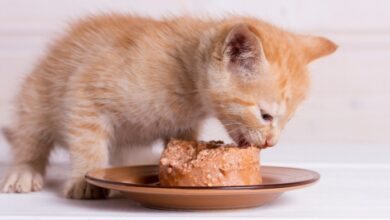
Bringing a kitten home is such a joy, and ensuring they get the right nutrition is absolutely key to their health and happiness. Wet cat food for kittens offers a fantastic way to support their rapid growth and development, providing essential hydration and delicious flavors they’ll adore. But with so many options available, figuring out what’s best can feel overwhelming.
This guide breaks down everything you need to know, from understanding their nutritional needs to deciphering those confusing ingredient labels.


We’ll explore the different types of wet food, highlight the vital ingredients to look for (and those to avoid!), and discuss how to tailor your kitten’s diet to their specific life stage. Plus, we’ll tackle common concerns like picky eating and allergies, offering practical solutions to keep your little one thriving.
Wet Cat Food for Kittens: A Complete Guide
Bringing a kitten home is a joyous occasion! Ensuring they get the right nutrition during this crucial growth period is paramount for their long-term health and happiness. This guide dives deep into everything you need to know about wet cat food for kittens, from understanding their specific nutritional needs to choosing the right flavors and textures. We’ll cover ingredient spotlights, feeding schedules, and common concerns, so you can confidently provide your little one with the best possible start in life.Choosing the right food can feel overwhelming, but with a little knowledge, you can make informed decisions that support your kitten’s development.
Let’s get started!
1. Nutritional Needs of Kittens
Kittens have significantly different nutritional requirements than adult cats. Their bodies are rapidly growing, developing bones, muscles, and organs, and they need a diet packed with essential nutrients to support this process. Think of it like building a house – you need strong foundations and quality materials! A kitten’s diet needs to be richer in calories, protein, and specific vitamins and minerals compared to an adult cat’s.The key difference lies in the intensity of growth.
Adult cats maintain their existing body mass, while kittens are activelybuilding* theirs. This requires a higher energy density and a greater proportion of nutrients crucial for development.Here’s a breakdown of essential nutrients and their approximate needs for kittens at different life stages:
| Nutrient | 8-12 Weeks | 3-6 Months | 6-12 Months |
|---|---|---|---|
| Protein | 40-50% | 35-45% | 30-40% |
| Fat | 20-30% | 18-28% | 15-25% |
| Carbohydrates | 10-20% | 15-25% | 20-30% |
| Taurine | 0.2-0.3% | 0.15-0.25% | 0.1-0.2% |
| DHA (Omega-3 Fatty Acid) | 0.3-0.5% | 0.2-0.4% | 0.1-0.3% |
| Calcium | 1-1.5% | 0.8-1.2% | 0.7-1.1% |
| Phosphorus | 0.8-1.2% | 0.6-1.0% | 0.5-0.9% |
*Note: These are general guidelines. Always refer to the specific feeding recommendations on your chosen kitten food label.*
2. Types of Wet Cat Food for Kittens
The wet cat food aisle can be a bit overwhelming! You’ll find a variety of textures and formulations, each with its own pros and cons. Understanding these differences can help you choose the best option for your kitten’s preferences and needs.Here’s a look at common wet food formulations:
- Pate: This is a smooth, loaf-like consistency. It’s often highly palatable, especially for picky eaters. However, it can be messier to serve and some kittens might find it less stimulating.
- Chunks in Gravy: These offer a combination of texture and flavor. The gravy adds moisture and enhances palatability. They can be a good option for kittens who enjoy a bit more variety. The gravy can also be quite messy.
- Shredded: This texture features small pieces of meat or fish in a sauce. It’s generally easy to chew and digest, making it suitable for younger kittens.
- Minced: Similar to pate but with slightly more visible texture.
Wet food is significantly more hydrating than dry food, which is crucial for kittens. Kittens are prone to dehydration, and wet food contributes significantly to their daily water intake. The higher moisture content supports kidney health and helps prevent urinary tract issues.
| Formulation | Pros | Cons |
|---|---|---|
| Pate | Highly palatable, easy to eat | Can be messy, less stimulating |
| Chunks in Gravy | Good texture and flavor, adds moisture | Can be messy |
| Shredded | Easy to chew, good for young kittens | May lack variety |
3. Ingredient Spotlight
What to Look For
Not all ingredients are created equal! When choosing wet kitten food, pay close attention to the ingredient list. Certain nutrients and ingredients play a vital role in your kitten’s health and development.
- Taurine: An essential amino acid that cats cannot produce themselves. It’s crucial for heart health, vision, and reproductive function.
- DHA (Docosahexaenoic Acid): An omega-3 fatty acid that supports brain and eye development.
- ARA (Arachidonic Acid): Another fatty acid important for brain and vision development.
- Prebiotics: These nourish beneficial bacteria in the gut, promoting healthy digestion and a strong immune system.
Avoid foods containing artificial colors, flavors, and preservatives. These offer no nutritional value and can potentially cause allergic reactions or sensitivities. Look for foods with clearly listed, whole-food ingredients.Common protein sources include chicken, fish (salmon, tuna), and turkey. Chicken is generally highly digestible for kittens. Fish can be a good source of omega-3 fatty acids, but be mindful of potential mercury levels and avoid feeding fish-based foods exclusively.
4. Life Stage Considerations
A kitten’s nutritional needs evolve as they grow. What’s ideal for an 8-week-old kitten isn’t necessarily the best choice for a 12-month-old.During the initial 8-12 weeks, kittens require a diet specifically formulated for their rapid growth. Kitten-specific formulas are higher in calories, protein, and essential nutrients to support this intense development.The transition from kitten food to adult cat food typically occurs around 12 months of age.
Gradually introduce adult food by mixing it with kitten food over a period of 7-10 days. Start with a ratio of 75% kitten food and 25% adult food, gradually increasing the proportion of adult food each day.Here’s a timeline outlining key developmental milestones and corresponding feeding recommendations:
- 8-12 Weeks: Kitten-specific formula, 3-4 meals per day.
- 3-6 Months: Kitten-specific formula, 3 meals per day.
- 6-12 Months: Gradually transition to adult food, 2 meals per day.
5. Common Concerns & Solutions
Even with the best intentions, you might encounter some challenges when feeding your kitten wet food.Picky eating is a common issue. To encourage your kitten to eat, try warming the food slightly (to body temperature) to enhance its aroma. Offer small portions and remove any uneaten food after 20-30 minutes.Food allergies or sensitivities can manifest as vomiting, diarrhea, skin irritation, or excessive scratching.
If you suspect an allergy, consult with your veterinarian.If your kitten refuses to eat, consider the following steps:
- Check the food’s expiration date and smell.
- Warm the food slightly.
- Offer a small portion.
- Ensure the food bowl is clean.
- Consult your veterinarian if the refusal persists.
6. Reading & Understanding Labels
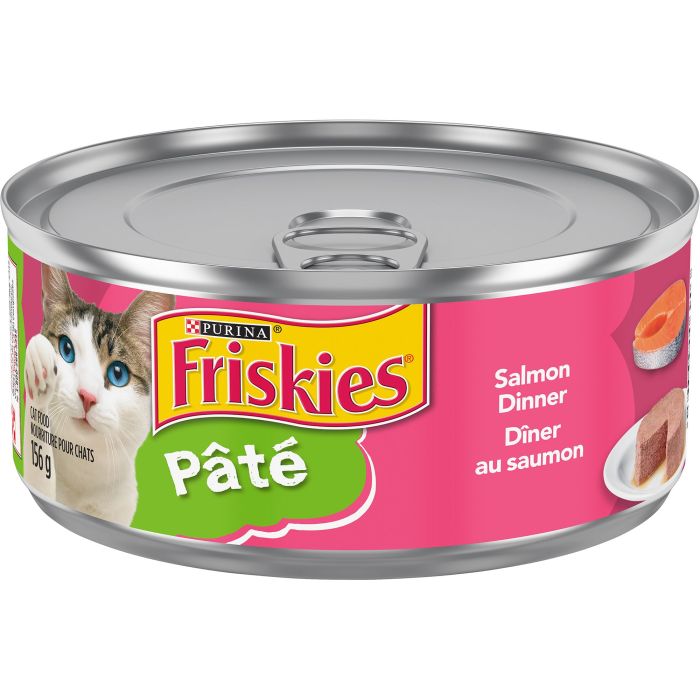
Source: scene7.com
Decoding cat food labels can feel like learning a new language! Here’s a breakdown of key information:* Ingredient List: Ingredients are listed in descending order by weight. The first few ingredients make up the bulk of the food.
Guaranteed Analysis
This provides percentages of protein, fat, fiber, and moisture.
AAFCO Statement
Look for a statement indicating that the food is “complete and balanced” for kittens. This means it meets the nutritional standards established by the Association of American Feed Control Officials.Here’s a sample label (text-based): Kitten Cuisine – Chicken FeastIngredients: Chicken, Chicken Broth, Chicken Liver, Rice, Fish Oil, Taurine, Vitamins, Minerals.Guaranteed Analysis: Crude Protein (42%), Crude Fat (25%), Crude Fiber (2%), Moisture (75%).AAFCO Statement: This product is formulated to meet the nutritional levels established by the AAFCO Kitten Food Nutrient Profiles.
7. Feeding Schedules & Portion Sizes
Determining the right portion size is crucial for maintaining a healthy weight.Calculate appropriate portion sizes based on your kitten’s age and weight. Consult the feeding guidelines on the food label as a starting point.A sample feeding schedule for kittens aged 8 weeks to 6 months:
- 8-12 Weeks: 1/4 – 1/2 cup per day, divided into 3-4 meals.
- 3-6 Months: 1/2 – 3/4 cup per day, divided into 3 meals.
Free-feeding (leaving food out all day) isn’t generally recommended for kittens, as it can lead to overeating and obesity. Scheduled meals allow you to better control their intake.
| Age Range | Recommended Daily Amount (approximate) |
|---|---|
| 8-12 Weeks | 1/4 – 1/2 cup |
| 3-6 Months | 1/2 – 3/4 cup |
| 6-12 Months | 3/4 – 1 cup |
8. Specific Dietary Needs
Some kittens have specific dietary needs that require tailored food choices.For kittens with sensitive stomachs, look for foods with easily digestible ingredients like chicken or turkey, and avoid common allergens like fish or dairy.To support urinary tract health, choose foods containing cranberry extract and controlled mineral levels (especially magnesium, phosphorus, and calcium).Ingredients to avoid for kittens with sensitive stomachs include: grains (corn, wheat, soy), artificial colors, flavors, and preservatives.
9. Texture and Palatability
Texture plays a significant role in a kitten’s enjoyment of wet food. Younger kittens often prefer softer textures, while older kittens may enjoy a bit more variety.Aroma is also a key factor in a kitten’s food selection. Warming the food slightly can enhance its aroma and make it more appealing.Introduce new flavors and textures gradually to avoid overwhelming your kitten.Kitten-approved flavor profiles include chicken, salmon, and tuna.
10. Storage and Handling
Proper storage and handling are essential for maintaining the quality and safety of wet cat food.Store unopened cans in a cool, dry place. Once opened, transfer any leftover food to an airtight container and refrigerate immediately.Discard uneaten wet food after 24 hours.Follow these steps for proper food storage and handling:
- Store unopened cans in a cool, dry place.
- Refrigerate opened cans immediately.
- Discard uneaten wet food after 24 hours.
- Wash food bowls regularly.
- Keep food storage areas clean and free of pests.
Final Wrap-Up
Navigating the world of wet cat food for kittens can seem complex, but understanding their nutritional needs and carefully reading labels empowers you to make informed choices. By focusing on high-quality ingredients, appropriate textures, and age-specific formulas, you’re setting your kitten up for a lifetime of health and vitality. Remember, a happy, well-fed kitten is a playful, energetic companion!
So, whether you’re a first-time kitten parent or simply looking to optimize your furry friend’s diet, this guide provides the essential knowledge to ensure they receive the best possible nutrition from their first bite.
FAQ Overview
Can I feed my kitten wet food exclusively?
Yes, you can! Many kitten owners choose to feed exclusively wet food, as it provides excellent hydration. However, some vets recommend a combination of wet and dry food to support dental health. Discuss this with your vet to determine what’s best for your kitten.
How much wet food should I feed my kitten?
Portion sizes vary based on age and weight. Generally, kittens need more calories per pound than adult cats. Refer to the feeding guidelines on the food label and adjust based on your kitten’s body condition. Your vet can also provide personalized recommendations.
My kitten only wants to eat one flavor of wet food. Is that okay?
While variety is ideal, it’s not always possible. If your kitten has a strong preference, stick with it as long as it’s a nutritionally complete and balanced formula. You can try introducing new flavors gradually, mixing small amounts into their existing food.
What does it mean if my kitten is vomiting after eating wet food?
Vomiting can be caused by various factors, including food sensitivities, eating too quickly, or a medical condition. If vomiting is frequent or severe, consult your veterinarian to rule out any underlying health issues.
How long can I leave wet cat food out?
Uneaten wet food should be discarded after 20-30 minutes at room temperature to prevent bacterial growth. Refrigerate leftovers in an airtight container and use within 24-48 hours.
Are there wet foods specifically for kittens with urinary issues?
Yes! Many wet food brands offer formulas designed to support urinary tract health. These often contain controlled mineral levels and ingredients like cranberry extract, which can help prevent crystal formation.