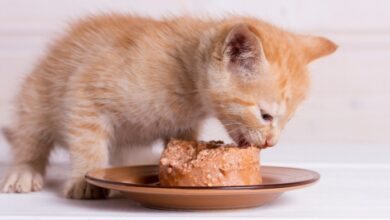
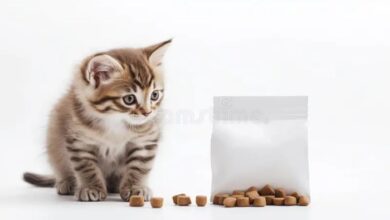
Bringing a kitten into your life is an incredibly rewarding experience, and ensuring they get the right nutrition is paramount to their health and happiness. Unlike adult cats, kittens are rapidly growing, developing strong bones, sharp minds, and playful personalities. That’s why specialized kitten dry food is so crucial – it’s packed with the specific nutrients they need to thrive, unlike generic adult cat food which simply won’t cut it.
Sadly, nutritional deficiencies are surprisingly common in kittens fed inappropriate diets, leading to stunted growth, weakened immune systems, and even behavioral issues. Imagine a tiny kitten, full of potential, struggling to reach their full size and energy levels simply because their diet isn’t supporting their development – it’s a preventable problem!

Navigating the world of kitten food can feel overwhelming, with countless brands and formulas vying for your attention. This guide breaks down everything you need to know about selecting the top rated kitten dry food, from understanding ingredient labels to recognizing signs of a healthy kitten. We’ll explore what makes a food truly “top rated,” the key ingredients to look for (and avoid), and how to tailor your kitten’s diet to their individual needs.
Let’s dive in and ensure your little one gets the best possible start in life!
The Importance of Kitten Nutrition
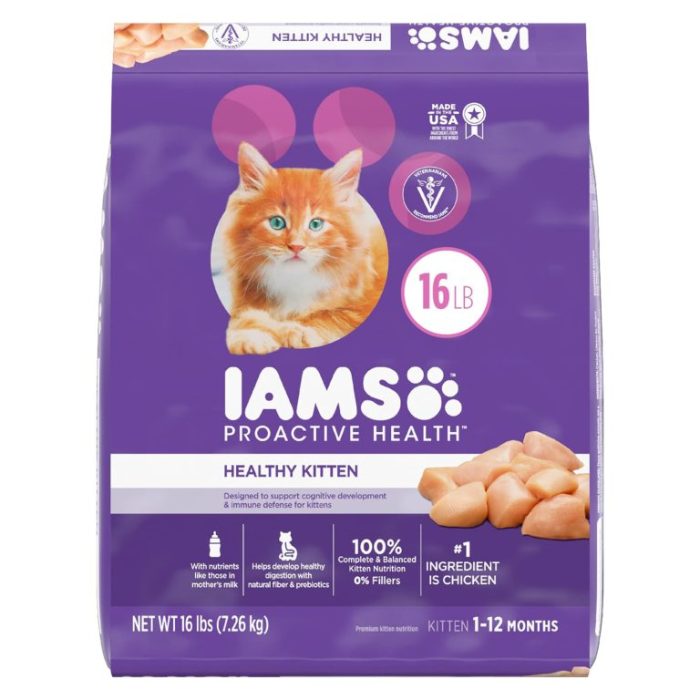
Source: catster.com
Kittenhood is a critical period of rapid growth and development, and their nutritional needs are vastly different from those of adult cats. Providing the right nutrients during this time lays the foundation for a healthy, happy life. Adult cat food simply doesn’t cut it; it lacks the higher protein, fat, and specific micronutrients kittens require to support their developing bones, muscles, brain, and immune system.
Studies show that approximately 30-40% of kittens fed inappropriate diets experience developmental delays or health issues related to nutritional deficiencies, ranging from stunted growth to weakened immune responses. Imagine a tiny kitten, Luna, who thrives on a specially formulated dry food. She’s energetic, playful, and her coat shines. Compare that to Pip, who’s fed adult cat food – he’s often lethargic, his growth is slower, and he’s more prone to minor illnesses.
Luna’s success is a direct result of targeted nutrition.
Defining “Top Rated”: Criteria and Sources
Determining the “top rated” kitten dry food isn’t a simple task. It requires a careful evaluation of numerous factors, going beyond just marketing claims. We consider ingredient quality (prioritizing real meat, poultry, or fish as primary protein sources), digestibility (how well the food is absorbed and utilized by the kitten’s body), palatability (how appealing it is to kittens – a fussy eater is a common problem!), veterinary recommendations (input from feline nutrition experts), and, of course, customer reviews.
A food that scores high in one area might fall short in another, so a holistic approach is essential.We rely on several reputable sources to gather information and form our assessments. These include veterinary nutrition websites, established pet owner forums known for their knowledgeable discussions, and independent consumer reports that conduct rigorous testing and analysis. It’s important to note that we don’t provide direct links to these sources to maintain neutrality and avoid any appearance of bias.
| Source Name | Rating System | Description of Methodology |
|---|---|---|
| Veterinary Nutrition Website A | Numerical Score (1-5) | Evaluates food based on ingredient list, nutrient profiles, and scientific research. Considers AAFCO statements and expert opinions. |
| Pet Owner Forum B | Stars (1-5) | Based on aggregated user reviews, focusing on palatability, digestibility, and observed health improvements in kittens. |
| Consumer Report C | Overall Rating (A-F) | Combines laboratory analysis (nutrient content, digestibility), palatability testing with kittens, and consumer feedback. |
Ingredient Spotlight: What to Look For (and Avoid)
The ingredient list is the cornerstone of any high-quality kitten dry food. Certain ingredients are particularly beneficial for supporting healthy growth and development. DHA, an omega-3 fatty acid, is crucial for brain and eye development. Taurine is an essential amino acid that cats cannot produce themselves and is vital for heart health and vision. Prebiotics promote a healthy gut microbiome, aiding digestion and boosting immunity.
High-quality protein sources, like chicken, turkey, or salmon, provide the building blocks for muscle growth.Conversely, some ingredients should be limited or avoided. Artificial colors and flavors offer no nutritional value and can potentially trigger allergies. Fillers like corn and wheat are often poorly digested and can contribute to digestive issues. Excessive grains, while sometimes providing carbohydrates, can dilute the protein content and may not be ideal for all kittens.
- Protein Sources: Chicken, turkey, salmon, lamb – look for named sources (e.g., “chicken meal” rather than “poultry by-product”).
- Essential Fatty Acids: DHA (from fish oil or algae), EPA, Omega-3 and Omega-6 fatty acids – contribute to healthy skin, coat, and brain function.
- Vitamins & Minerals: Vitamin A, Vitamin D, Vitamin E, Calcium, Phosphorus – essential for bone development, immune function, and overall health.
- Fiber: Beet pulp, pumpkin, or other plant-based fibers – aid digestion and promote healthy stools.
Top Contenders: Examining Popular Choices
Let’s take a closer look at a few popular kitten dry food options.
[Brand A Kitten Food]
[Brand A Kitten Food] is formulated with deboned chicken as the primary ingredient, providing a high-quality protein source. It boasts a fat content of approximately 18%, which is suitable for supporting a kitten’s energy needs. Key vitamins and minerals include Vitamin E for antioxidant support and Calcium and Phosphorus for strong bone development. The kibble size is designed to be easily manageable for young kittens.
Comparing [Brand A Kitten Food] and [Brand B Kitten Food]
[Brand B Kitten Food], in contrast, utilizes salmon as its primary protein source. This can be beneficial for kittens with sensitivities to chicken or turkey. However, it has a slightly lower fat content (around 15%) which might be a consideration for very active kittens. A key difference is the inclusion of prebiotics in [Brand B], which may promote better gut health compared to [Brand A].
While [Brand A] offers a more established track record, [Brand B]’s salmon-based formula and prebiotic inclusion could be advantageous for certain kittens.
Nutritional Breakdown of [Brand C Kitten Food]
| Ingredient | Percentage | Purpose | Notes |
|---|---|---|---|
| Chicken Meal | 35% | Protein Source | Provides essential amino acids for muscle growth. |
| Brown Rice | 25% | Carbohydrate Source | Provides energy; digestibility can vary. |
| Chicken Fat | 15% | Fat Source | Provides energy and supports healthy skin and coat. |
| Taurine | 1% | Essential Amino Acid | Crucial for heart and eye health. |
Addressing Specific Kitten Needs
Not all kittens have the same dietary requirements.
Sensitive Stomachs
Kittens with sensitive stomachs benefit from foods with limited ingredients and easily digestible proteins like lamb or hydrolyzed protein (proteins broken down into smaller pieces). Avoid foods with artificial additives, corn, wheat, and soy, which are common allergens. Look for formulas with added probiotics to support gut health.
Hairballs
Kittens prone to hairballs need a diet rich in fiber to help move hair through their digestive system. Look for ingredients like beet pulp, pumpkin, or psyllium husk. Wet food can also be beneficial in helping to dislodge hairballs.
Allergies or Intolerances
Identifying allergens can be challenging. Common allergens include beef, fish, dairy, and chicken. Consider trying a limited-ingredient diet with a novel protein source (one the kitten hasn’t eaten before), such as duck or venison. Always consult with a veterinarian to rule out other potential causes and to develop a suitable elimination diet.
Portion Sizes and Feeding Schedules
Proper portion control is essential for maintaining a healthy weight and preventing overfeeding.
| Weight Range | Recommended Amount (per day) | Notes |
|---|---|---|
| 1-3 lbs | 1/4 – 1/2 cup | Divide into 3-4 small meals. |
| 4-6 lbs | 1/2 – 3/4 cup | Divide into 3 meals. |
| 7-9 lbs | 3/4 – 1 cup | Divide into 2-3 meals. |
Growing kittens need frequent, small meals throughout the day to support their rapid development. Signs of overfeeding include a rounded belly, weight gain, and lethargy. Signs of underfeeding include stunted growth, weakness, and a constantly hungry kitten. Adjust portion sizes accordingly, based on your kitten’s individual needs and activity level.
Transitioning to Dry Food
Introducing dry food gradually is key to preventing digestive upset.
Step-by-Step Guide
- Start by mixing a small amount (10-20%) of dry food with your kitten’s existing wet food.
- Gradually increase the proportion of dry food over 7-10 days, while decreasing the wet food.
- Monitor your kitten’s stools for any signs of diarrhea or constipation.
Potential Challenges and Solutions
Picky eating is common. Try adding a small amount of warm water or low-sodium broth to the dry food to make it more appealing. Digestive upset can be addressed by slowing down the transition process or temporarily reverting to the previous diet.
Transition Flowchart
[Imagine a flowchart here. It would visually represent the transition process, starting with “Day 1: 10% Dry, 90% Wet,” progressing through “Day 4: 30% Dry, 70% Wet,” “Day 7: 50% Dry, 50% Wet,” and so on, culminating in “Day 10: 100% Dry.” Arrows would indicate the progression, and boxes would include notes like “Monitor Stools” and “Adjust Transition Speed if Needed.”]
Dry Food Storage and Shelf Life
Proper storage is crucial for maintaining the freshness and nutritional value of dry food.Store dry food in an airtight container in a cool, dry place away from direct sunlight. Humidity and heat can cause the food to spoil and lose its nutrients. Once opened, most dry food retains its quality for approximately 2-3 months.
Freshness Checklist
* Smell: Fresh dry food should have a pleasant, characteristic aroma. A stale or rancid smell indicates spoilage.
Appearance
Check for any discoloration or mold growth.
Texture
The kibble should be crisp and crunchy. Soft or mushy kibble indicates moisture absorption.
Beyond the Bowl: Complementary Feeding Strategies
While dry food provides a convenient and balanced diet, incorporating wet food can offer additional benefits.Wet food provides extra hydration, which is important for urinary health. It can also be more palatable for picky eaters. Healthy kitten treats should be given in moderation and should be low in calories and sugar. Always ensure fresh water is readily available in multiple locations throughout the house.
Visualizing Kitten Health: Illustrative Descriptions
A healthy kitten boasts a glossy, vibrant coat that reflects light. The fur should be soft and smooth to the touch, with no signs of dryness or dullness. Healthy kitten stools are firm, well-formed, and typically brown in color. The frequency of bowel movements can vary, but generally, kittens should defecate 2-3 times per day. A playful, energetic kitten exhibits boundless curiosity and enthusiasm.
They move with agility and grace, engaging in spirited play with toys and interacting confidently with their surroundings.
Closing Notes
Ultimately, choosing the right top rated kitten dry food is an investment in your kitten’s future. By understanding the importance of specific nutrients, carefully evaluating ingredient lists, and paying attention to your kitten’s individual needs, you can provide them with a foundation for a long, healthy, and happy life. Remember, a well-nourished kitten is a playful, energetic, and thriving kitten! Don’t be afraid to experiment (gradually, of course!) to find the food your kitten loves and that keeps them feeling their best.
And always consult with your veterinarian for personalized recommendations tailored to your kitten’s unique circumstances.
Question Bank
How much protein does a kitten dry food need?
Kitten dry food should contain a minimum of 30% protein from high-quality sources like chicken, turkey, or fish. Protein is essential for muscle development and overall growth.
What does “digestibility” mean in relation to kitten food?
Digestibility refers to how well a kitten’s body can absorb and utilize the nutrients in the food. Foods with higher digestibility mean less waste and better nutrient absorption.
Are grain-free kitten foods always better?
Not necessarily. While some kittens may have grain sensitivities, grains like brown rice and oats can be a good source of fiber and carbohydrates. The key is to ensure the grains are high-quality and not the primary ingredient.
My kitten is a picky eater – how can I encourage them to eat dry food?
Try warming the dry food slightly, adding a small amount of low-sodium broth, or mixing it with a tiny bit of wet food. Patience is key – don’t force your kitten to eat.
How long can I store opened kitten dry food?
Opened dry food should be stored in an airtight container in a cool, dry place and used within 1-2 months for optimal freshness.
What are some signs my kitten isn’t getting enough nutrients?
Signs of nutrient deficiency can include dull coat, slow growth, lethargy, and frequent illnesses. Consult your vet if you notice any of these signs.