Automatic litter boxes are revolutionizing cat care, offering convenience and odor control that busy cat owners crave. The rise in popularity is undeniable – statistics show a significant market growth in recent years – but choosing the right litter for these systems is crucial. From rotating to sifting to raking designs, automatic litter boxes come in various forms, each with unique requirements.
Selecting the wrong litter can lead to clogs, sensor malfunctions, and unhappy cats, so let’s dive into what makes a litter truly compatible and effective in an automatic setup.

Understanding litter type compatibility is paramount. We’ll explore everything from traditional clay and clumping litters to eco-friendly options like wood, paper, and plant-based varieties, detailing how each interacts with the automated mechanisms. Dust control, odor management, and even your cat’s personal preferences all play a role in creating a harmonious and hygienic litter box experience.
The Rise of Automatic Litter Boxes
Let’s be honest, scooping litter is nobody’s favorite chore. For years, cat owners have endured the daily ritual, battling dust, odor, and the sheer monotony of it all. But things are changing. Automatic litter boxes are rapidly gaining popularity, and for good reason. They promise a cleaner, less smelly, and significantly less time-consuming way to manage your cat’s bathroom needs.
This shift isn’t just a fleeting trend; it’s a response to a growing demand for convenience and improved quality of life for both cats and their humans.
The convenience factor is the biggest driver. Imagine eliminating daily scooping – that’s a huge win for busy households. Beyond that, automatic litter boxes often boast superior odor control, a major concern for many cat owners. There’s a variety of designs available, too. You’ll find rotating models that tumble the litter to separate waste, sifting boxes that use screens to filter out clumps, and raking systems that mimic the manual scooping motion.
The market is booming; reports indicate a consistent annual growth rate of around 8-12% in recent years, with projections suggesting continued expansion as technology improves and prices become more accessible.
Litter Type Compatibility: A Critical Factor
Choosing the right litter for your automatic litter box isn’t just about your cat’s preference; it’s crucial for the box’s functionality and longevity. Different automatic litter box mechanisms are designed to work best with specific litter types. Using the wrong litter can lead to clogs, sensor malfunctions, and ultimately, a frustrated cat and a broken machine. Understanding how different litters behave within these systems is key to a smooth operation.
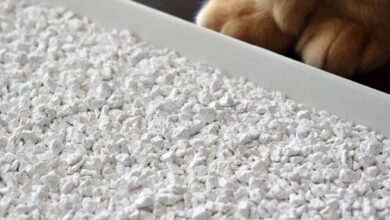
We’ll break down the most common litter types: clay (both non-clumping and clumping), clumping clay, crystal/silica, wood, paper, and plant-based options. Each interacts differently with the automated processes. Clay litters, especially non-clumping varieties, generally aren’t suitable for automatic boxes due to their tendency to create dust and not clump effectively. Clumping litters are often a good choice, but the
-quality* of the clumping is vital.
Crystal/silica litter offers excellent odor control but has its own set of considerations. Wood, paper, and plant-based litters are gaining traction as eco-friendly alternatives, but their performance can vary.
| Litter Type | Clumping Ability | Dust Level | Recommended Box Types |
|---|---|---|---|
| Clay (Non-Clumping) | Poor | High | Not Recommended |
| Clay (Clumping) | Good to Excellent (depending on brand) | Moderate to High | Rotating, Sifting, Raking |
| Crystal/Silica | None (absorbs liquid) | Very Low | Rotating, Raking (some sifting models) |
| Wood | Moderate (some varieties) | Low to Moderate | Rotating, Raking |
| Paper | Poor to Moderate | Low | Sifting (with caution) |
| Plant-Based (Corn, Wheat, Grass) | Good to Excellent (depending on brand) | Low to Moderate | Rotating, Sifting, Raking |
Clumping Litter Performance in Automatic Systems
For automatic litter boxes that rely on scooping or sifting mechanisms, strong clumping is absolutely essential. If the litter doesn’t form solid, well-defined clumps, the system will struggle to separate waste from clean litter, leading to clogs and inefficient operation. A “good” clumping litter for automatic systems exhibits several key characteristics: hard, rock-solid clumps that don’t easily break apart; minimal dust to prevent sensor issues and respiratory irritation; and low tracking to reduce litter scattered around the house.
Several clumping litter brands perform well in automatic boxes. Dr. Litter, for example, is often praised for its exceptionally hard clumps and low dust. Arm & Hammer Clump & Seal is another popular choice, known for its odor control and decent clumping ability. However, some brands can be problematic.
Litters that form soft, crumbly clumps are a recipe for disaster in an automatic system. It’s always a good idea to read reviews specifically mentioning performance in automatic litter boxes.
Imagine a flowchart: First, the cat urinates. The litter quickly absorbs the moisture, initiating the clumping process. Next, the litter particles bind together, forming a solid clump. Ideally, this clump is firm and holds its shape. However, potential issues can arise.
The clump might be too soft and break apart during the scooping cycle, leading to a messy box. Alternatively, the clump might be too large and obstruct the mechanism. Finally, the automatic system successfully separates the clump and deposits it in the waste receptacle, leaving clean litter behind. Regular maintenance and the right litter choice are crucial to ensuring this process runs smoothly.
Crystal/Silica Litter: Pros and Cons
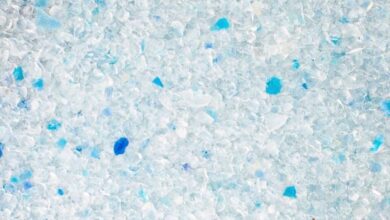
Silica gel litter, often referred to as crystal litter, offers several compelling advantages. Its exceptional odor control is a major draw, effectively trapping and neutralizing smells. The low dust level is another significant benefit, minimizing airborne particles and reducing the risk of respiratory problems for both cats and owners. Plus, it’s surprisingly lightweight, making it easier to handle and refill.
However, silica litter isn’t without its drawbacks. The cost is considerably higher than traditional clay or wood litters. Some cats simply don’t like the texture, finding it unusual or uncomfortable on their paws. While it absorbs a significant amount of liquid, it has a limited capacity for large volumes of urine, potentially requiring more frequent changes. It also doesn’t clump in the traditional sense; instead, it absorbs liquid and changes color as it becomes saturated.
Within automatic litter boxes, silica litter behaves differently. The low dust level is a major advantage, preventing sensor malfunctions and keeping the air cleaner. However, the lack of clumping means it’s not suitable for sifting or raking systems. Rotating models can work, but the litter needs to be regularly stirred to ensure even saturation. Transitioning a cat to silica litter requires patience.
Start by mixing a small amount of silica litter with their existing litter, gradually increasing the ratio over a week or two. Place the automatic litter box near their old litter box initially to provide a familiar option. Positive reinforcement, such as treats and praise, can also encourage acceptance.
Wood and Paper-Based Litters: Eco-Friendly Options
Wood and paper litters are increasingly popular choices for environmentally conscious cat owners. They are derived from renewable resources, reducing the reliance on clay mining. Both offer decent absorbency and odor control, although the effectiveness can vary depending on the specific product and the cat’s habits.
Their performance in automatic systems is a bit more nuanced. Dust levels are generally lower than with traditional clay litters, but some wood litters can still produce noticeable dust. The biggest concern is the potential for clogging, particularly with larger wood pellets or paper granules. Regular maintenance and careful selection of a fine-grained variety are essential.
- Feline Pine Original: Larger pellets, good odor control, but can clog some automatic boxes.
- Yesterday’s News: Made from recycled paper, low dust, but less effective odor control.
- Purina Yesterday’s News Softer Clumps: A paper-based option that clumps better than the original, making it more suitable for some automatic systems.
- Okocat Natural Wood Clumping Litter: Fine-grained wood litter, good clumping, relatively low dust.
Plant-Based Litters: Emerging Alternatives
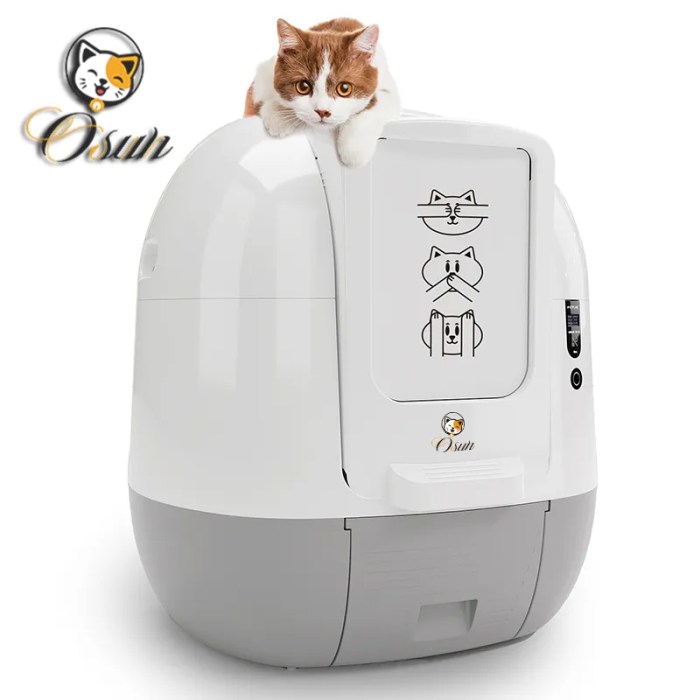
Source: osun-cat.com
Plant-based litters, made from materials like corn, wheat, and grass, are gaining traction as sustainable alternatives to traditional litters. They are often biodegradable and compostable, further reducing their environmental impact. The appeal lies in their potential for excellent absorbency, effective odor control, and surprisingly low dust levels.
Their performance in automatic litter boxes is generally promising, but some unique challenges and benefits exist. Some plant-based litters can be prone to sticking to the box or the cat’s paws, requiring more frequent cleaning. Others may have a distinct smell that some cats find off-putting. It’s crucial to choose a fine-grained variety specifically designed for automatic systems.
| Brand | Material | Pros/Cons |
|---|---|---|
| World’s Best Cat Litter | Corn | Excellent clumping, low dust, biodegradable. Can be more expensive. |
| Naturally Fresh Cat Litter | Wheat | Good odor control, low dust, sustainable. Some cats may be allergic. |
| ökocat Grass Litter | Grass | Low dust, good absorbency, natural. Can be more expensive, may require more frequent changes. |
Dust Control: A Primary Concern
Dust is a significant issue with automatic litter boxes for several reasons. It can trigger sensor malfunctions, leading to the box failing to operate correctly. It can also irritate a cat’s respiratory system, potentially exacerbating allergies or asthma. And, of course, it’s unpleasant for the owner to breathe in.
Litter types that produce minimal dust include crystal/silica litter, wood pellets, and many plant-based litters. Clumping clay litters are often the dustiest, although some brands offer “low-dust” formulations. Strategies for minimizing dust exposure include using a dust-reducing litter box liner, ensuring proper ventilation in the room, and regularly cleaning the surrounding area.
To test the dust level of a litter sample at home, simply pour a small amount of litter into a clear plastic bag and shake it vigorously. Observe the amount of dust that escapes from the bag. A small amount of fine dust is normal, but excessive dust indicates a potentially problematic litter.
Odor Control Mechanisms & Litter Effectiveness
Litters employ various odor control methods, including activated charcoal, baking soda, and fragrances. Activated charcoal is highly effective at absorbing odors, while baking soda neutralizes acidic smells. Fragrances simply mask odors, which can be problematic for cats with sensitivities.
These odor control methods interact with the automatic litter box’s filtration system. Activated charcoal filters are often incorporated into the box to further trap odors. However, the effectiveness of the filtration system depends on the quality of the filter and the type of litter used. A litter with strong odor-absorbing properties will require less frequent filter changes.
In a closed automatic system, crystal/silica litter generally provides the best odor control due to its superior absorption capabilities. Clumping clay litters with activated charcoal are also effective. Wood and paper litters tend to have less robust odor control, while plant-based litters vary depending on the specific formulation.
The science behind odor absorption and neutralization relies on several principles. Activated charcoal possesses a porous structure with a vast surface area, allowing it to trap odor molecules. Baking soda neutralizes acidic odors through a chemical reaction, converting them into odorless compounds. Fragrances, on the other hand, simply mask odors by introducing a stronger scent, but they don’t eliminate the underlying cause.
Litter Box Maintenance & Litter Choice
The recommended maintenance schedule for automatic litter boxes varies depending on the model and the litter type used. Generally, you’ll need to empty the waste receptacle every few days to once a week. Regular cleaning of the litter box itself is also essential, typically every month or two.
The chosen litter type significantly impacts maintenance frequency and effort. Litter that clumps well and controls odor effectively will require less frequent emptying and cleaning. Dusty litters necessitate more frequent cleaning to prevent sensor malfunctions and respiratory irritation. A clogged litter box will require more frequent manual intervention.
- Clogging: Check for large clumps or debris blocking the mechanism.
- Sensor Errors: Clean the sensors with a damp cloth.
- Unusual Noises: Inspect the moving parts for obstructions.
- Odor Issues: Replace the litter and/or filter.
A visual guide would illustrate the following steps: First, unplug the litter box. Then, remove the waste receptacle and empty it. Next, wipe down the interior of the box with a damp cloth. Refill the box with fresh litter, ensuring the level is appropriate for the model. Finally, plug the litter box back in and test its operation.
Cat Preferences & Litter Acceptance
While all the technical considerations are important, ultimately, your cat’s preferences are paramount. Even the best automatic litter box won’t be useful if your cat refuses to use it. Individual cats can be surprisingly picky about their litter, and understanding their preferences is key to successful litter box management.
Several factors contribute to a cat’s litter preference: texture (some cats prefer fine-grained litters, while others prefer larger pellets), scent (many cats are sensitive to strong fragrances), and depth (most cats prefer a litter depth of 2-3 inches). Experimentation is often necessary to find the perfect combination.
Introducing a new litter type should be done gradually. Start by mixing a small amount of the new litter with their existing litter, slowly increasing the ratio over a week or two. Place the automatic litter box near their old litter box initially to provide a familiar option. Positive reinforcement, such as treats and praise, can also encourage acceptance.
If your cat exhibits signs of litter box aversion, such as urinating or defecating outside the box, consult with a veterinarian to rule out any underlying medical conditions.
Final Thoughts
Navigating the world of cat litter for automatic boxes can feel overwhelming, but with a little knowledge, you can find the perfect match for your feline friend and your lifestyle. We’ve covered everything from clumping performance and silica’s pros and cons to eco-friendly alternatives and the importance of dust control. Remember to consider your cat’s individual preferences and to prioritize regular maintenance to keep your automatic litter box running smoothly.
Ultimately, the best litter is one that keeps your cat happy, your home clean, and your life a little easier!
Top FAQs
Can I use any type of litter in an automatic box?
No, not all litters are suitable. Dusty litters and those that clump too tightly can cause clogs and damage the mechanism. It’s essential to choose a litter specifically recommended for automatic systems.
What’s the best litter for odor control in an automatic box?
Silica litter generally excels at odor control due to its absorbent properties. However, litters with activated charcoal or baking soda can also be effective, especially when combined with the box’s filtration system.
How often should I clean an automatic litter box?
While automatic boxes reduce scooping frequency, they still require maintenance. Most manufacturers recommend emptying the waste drawer every 1-2 weeks and a full litter change every month, but this can vary depending on the litter type and number of cats.
My cat refuses to use the automatic litter box. What should I do?
Try introducing the new box gradually, placing it near their old litter box initially. Use a litter they’re already familiar with, then slowly transition to the recommended type. Ensure the box is in a quiet, accessible location.
How can I tell if my litter is too dusty?
A simple test is to pour a small amount of litter into a clear container and shake it. Observe the amount of dust that rises. Excessive dust indicates a less suitable litter for an automatic box.
Are plant-based litters a good choice for automatic boxes?
They can be, but it depends on the specific brand and formulation. Some plant-based litters can be dusty or prone to clogging, so research reviews and choose a variety specifically designed for automatic systems.