Let’s be honest, nobody wants their home smelling like a litter box! Cat odours can be a real challenge, but thankfully, there’s a lot we can do about it. This guide dives deep into the science of cat smells, explores different litter types and additives, and shares practical tips for keeping your home fresh and your feline friend happy. We’ll cover everything from understanding
-why* your cat’s litter box smells to choosing the right litter and maintaining a clean environment.
The good news is that effective odour control isn’t just about masking scents; it’s about tackling the root causes. We’ll look at how a cat’s diet, health, and even their waste type contribute to the smell, and how different litter materials absorb or neutralize those odours. Plus, we’ll explore advanced litter box systems and sustainable options to minimize your environmental impact.

Understanding Cat Odour & Its Sources
The aroma emanating from a cat’s litter box isn’t exactly a pleasant one, is it? But beyond the initial “eww” factor, there’s a fascinating science behind why cat waste smells the way it does. Understanding the chemical compounds involved, how a cat’s diet and health play a role, and the different types of waste produced can help you tackle odour issues more effectively.
Let’s dive in.
Detail the chemical compounds responsible for common cat litter box odours.
The primary culprit behind that distinctive litter box smell is ammonia. But it’s not the only player. Several volatile organic compounds (VOCs) contribute to the overall odour profile. These include sulfur-containing compounds like mercaptans (responsible for a rotten egg smell), indoles, and skatoles, which are produced during the breakdown of proteins in cat waste. The specific mix of these compounds varies depending on the cat’s diet, health, and the type of litter used.
Think of it like this: a complex cocktail of chemicals, all working together to create that familiar scent.
Explain how a cat’s diet and health can influence litter box scent.
What your cat eats directly impacts the composition of their waste, and therefore, the odour. A diet high in protein, particularly animal protein, tends to produce more nitrogenous waste, which breaks down into ammonia and other pungent compounds. Similarly, certain health conditions, like kidney disease or urinary tract infections, can alter the pH and composition of urine, leading to stronger smells.
A cat with a sensitive digestive system might also produce more volatile compounds due to incomplete digestion. Observing changes in your cat’s litter box scent can sometimes be an early indicator of underlying health issues.
Discuss the role of ammonia in litter box odour and how it’s produced.
Ammonia (NH3) is the dominant odour compound in cat litter boxes. It’s produced through the bacterial breakdown of urea, a waste product found in urine. Urine contains a high concentration of urea, and when exposed to bacteria in the litter, it’s quickly converted into ammonia. The warmer and more humid the environment, the faster this process occurs, leading to a stronger ammonia smell.
This is why regular scooping and litter changes are so crucial – they reduce the amount of urea available for bacterial breakdown.
Provide a breakdown of different types of cat waste (urine, feces, vomit) and their distinct odour profiles.
Source: welovecatsandkittens.com
Each type of cat waste has a unique odour profile. Urine, as we’ve discussed, is primarily characterized by ammonia. Feces typically have a milder, earthy smell, although this can be intensified by bacterial activity. The presence of undigested food in feces can also contribute to the odour. Vomit, on the other hand, can have a wide range of smells depending on what the cat ate.
It can be sour, acidic, or even fishy, depending on the contents of the stomach. Understanding these differences can help you pinpoint the source of the odour and address it accordingly.
Types of Litter Materials & Their Odour Control Properties
Choosing the right litter is a cornerstone of odour control. Different materials absorb and mask odours in different ways, and each comes with its own set of pros and cons. Let’s explore the most common types.
Compare and contrast clay-based litters (traditional, clumping) regarding odour absorption versus masking.
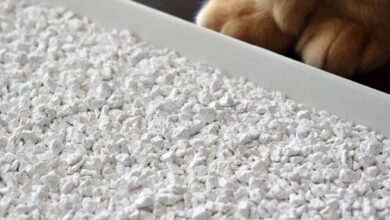
Traditional clay litter primarilymasks* odours. It doesn’t actively absorb the compounds responsible for the smell; instead, it relies on fragrances to cover them up. Clumping clay litter, on the other hand, offers slightly better odour control because the clumps trap urine, preventing it from spreading and releasing ammonia into the air. However, even clumping clay litters often rely heavily on fragrances.
The effectiveness of odour masking varies greatly depending on the quality and concentration of the fragrance.
Elaborate on the odour-fighting capabilities of silica gel (crystal) litter, including its moisture absorption rate.
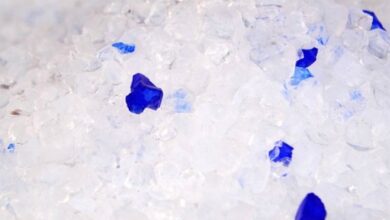
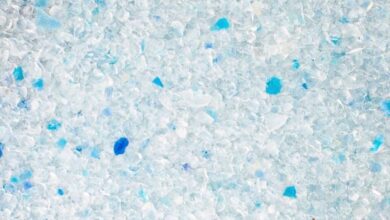
Silica gel litter, often called crystal litter, excels at odour control throughabsorption*. Its porous structure allows it to absorb a significant amount of moisture – up to 40 times its weight – effectively trapping urine and preventing ammonia production. This high moisture absorption rate also means it doesn’t need to be changed as frequently as clay litter. While some silica gel litters contain fragrances, their primary odour control mechanism is absorption, making them generally more effective than clay-based options.
Share information about wood-based litters (pine, cedar) and their natural deodorizing properties.
Wood-based litters, particularly pine and cedar, possess natural deodorizing properties. Pine contains terpenes, which are aromatic compounds that help neutralize ammonia and other odour molecules. Cedar also has a naturally strong scent that can mask odours, but some cats may find it overwhelming. Wood litter is generally more absorbent than clay, but less absorbent than silica gel.
Discuss the effectiveness of plant-based litters (corn, wheat, grass) in controlling odours, noting potential drawbacks.
Plant-based litters like corn, wheat, and grass offer a more sustainable alternative to traditional litters. They tend to be highly absorbent, which helps control odour by trapping urine. However, they can be prone to bacterial growth and mold if not changed frequently. Furthermore, some cats may be allergic to these ingredients, and they can attract insects. Corn and wheat litters are also more likely to stick to a cat’s fur and paws, leading to tracking.
Create a table comparing different litter types (clay, silica, wood, plant-based) across these categories: odour control, dust levels, tracking, cost, and environmental impact.
| Litter Type | Odour Control | Dust Levels | Tracking | Cost | Environmental Impact |
|---|---|---|---|---|---|
| Clay (Traditional) | Low (Masking) | High | Moderate | Low | High (Mining) |
| Clay (Clumping) | Moderate (Masking & Clumping) | Moderate | Moderate | Moderate | High (Mining) |
| Silica Gel (Crystal) | High (Absorption) | Low | Low | High | Moderate (Manufacturing) |
| Wood (Pine/Cedar) | Moderate (Natural Deodorizing) | Low | Low | Moderate | Moderate (Deforestation – look for sustainably sourced) |
| Plant-Based (Corn/Wheat/Grass) | Moderate (Absorption) | Moderate | High | Moderate | Low (Biodegradable) |
Litter Additives & Technologies for Enhanced Odour Management
Sometimes, even the best litter needs a little extra help. Additives and advanced technologies can significantly boost odour control.
Identify common litter additives (baking soda, activated charcoal, fragrance) and explain how they work.
Baking soda (sodium bicarbonate) neutralizes odours by reacting with acidic compounds in urine, converting them into odorless salts. Activated charcoal absorbs odour molecules, trapping them within its porous structure. Fragrances, as mentioned earlier, simply mask odours. The effectiveness of these additives varies depending on their concentration and the type of litter they’re incorporated into.
Detail the science behind activated charcoal’s odour absorption capabilities.
Activated charcoal’s remarkable odour absorption ability stems from its incredibly large surface area. It’s created by heating charcoal and then treating it to create millions of tiny pores. This vast surface area provides countless sites for odour molecules to adhere to through a process called adsorption (note the difference from absorption – adsorption is sticking to the surface, absorption is being takeninto* the material).
The more porous the charcoal, the greater its odour absorption capacity.
Discuss the pros and cons of scented litters versus unscented options.
Scented litters can effectively mask odours, but they also come with potential drawbacks. Some cats are sensitive to fragrances and may avoid using a scented litter box. Strong fragrances can also be irritating to humans. Unscented litters rely on the litter’s inherent odour control properties, making them a safer choice for cats with sensitivities. However, they may require more frequent changes to maintain odour control.
Demonstrate how different fragrance types (floral, citrus, woodsy) might affect cat preferences.
Cat preferences for scents are complex and often differ from human preferences. Floral and citrus scents are generally considered less appealing to cats, as they can be overwhelming. Woodsy scents, mimicking natural environments, are often better tolerated. However, individual cats may have unique scent preferences, so experimentation may be necessary.
Design a flowchart illustrating the different odour control technologies used in various litters.
[Imagine a flowchart here. It would start with “Litter Type” and branch out into Clay, Silica, Wood, Plant-Based. Each branch would then have sub-branches detailing the primary odour control technology: Masking (Clay), Absorption (Silica, Wood), Natural Deodorizing (Wood), Absorption & Biodegradability (Plant-Based). Each technology would then lead to a description of the specific additives or processes involved.]
Litter Box Maintenance Practices for Odour Reduction
Consistent and proper litter box maintenance is the single most effective way to control odour.
Organize a step-by-step guide for daily litter box scooping, emphasizing proper technique.
1. Gather your tools
Scoop, dustpan, and waste bag.
2. Scoop thoroughly
Remove all solid waste and urine clumps. Be sure to get into the corners and edges of the box.
3. Dispose of waste properly
Seal the waste bag tightly and dispose of it in an outdoor trash can.
4. Top off the litter
Add fresh litter to maintain a depth of 2-3 inches.
Explain the importance of regular litter box cleaning (full emptying and disinfection).
Even with daily scooping, a full litter box cleaning is essential. Every 1-2 months (or more frequently for multi-cat households), completely empty the litter box, wash it with a mild disinfectant, and refill it with fresh litter. This removes accumulated bacteria and odour-causing residue.
Provide a list of safe and effective disinfectants for cat litter boxes.
Safe disinfectants include: diluted white vinegar (1 part vinegar to 1 part water), enzymatic cleaners specifically designed for pet messes, and mild dish soap.
Avoid* using bleach, ammonia-based cleaners, or strong chemicals, as these can be harmful to cats.
Discuss the impact of litter box location on odour dispersal within a home.
The location of the litter box significantly impacts odour dispersal. Avoid placing it in high-traffic areas or near air vents. A well-ventilated area, away from living spaces, is ideal.
Share tips for minimizing litter tracking around the house.
* Use a litter mat: Place a mat in front of the litter box to catch litter clinging to your cat’s paws.
Choose a low-dust litter
Dustier litters track more easily.
Trim your cat’s claws regularly
This reduces the amount of litter they pick up.
Final Wrap-Up
Navigating the world of cat litter can feel overwhelming, but armed with the right knowledge, you can create a comfortable and odour-free space for both you and your cat. From understanding the science behind those unpleasant smells to choosing the best litter for your cat’s specific needs and your home environment, this guide provides a roadmap to success. Remember, consistent maintenance and a proactive approach are key to keeping those litter box odours at bay and enjoying a happy, healthy home with your furry companion.
Ultimately, finding the best litter for odour control is a personalized journey. Consider your cat’s preferences, your lifestyle, and your environmental concerns to make the best choice for your household. With a little effort, you can transform your litter box area from a source of frustration to a well-managed, odour-free zone.
Essential FAQs
Why does my cat’s litter box smell so bad, even when I scoop it daily?
Even with daily scooping, ammonia buildup can occur. Ammonia is a byproduct of urine breakdown and can linger even after solid waste is removed. Regular full litter box changes and disinfection are crucial to combat this.
Are scented litters really better for odour control?
Not necessarily. While scents can mask odours, some cats are sensitive to fragrances and may avoid the litter box. Unscented litters that actively absorb or neutralize odours are often a better choice.
What’s the difference between odour absorption and odour masking?
Absorption means the litter material traps and holds the odour molecules. Masking simply covers up the smell with a different fragrance. Absorption is generally more effective for long-term odour control.
Can my cat’s diet affect the smell of their litter box?
Absolutely! A diet high in certain proteins can lead to stronger-smelling urine. Talk to your vet about a balanced diet that can help minimize litter box odours.
Are self-cleaning litter boxes worth the investment?
They can be! Self-cleaning boxes significantly reduce odour by frequently removing waste. However, they require regular maintenance and can be noisy, so consider your cat’s personality and your budget.
What’s the best way to disinfect a cat litter box?
Use a pet-safe disinfectant like diluted white vinegar or enzymatic cleaners specifically designed for pet messes. Avoid harsh chemicals like bleach, which can be harmful to your cat.
My cat is suddenly using the litter box less because of the smell. What should I do?
This is a red flag! It could indicate a medical issue or that your cat dislikes the litter or box. Consult your veterinarian and consider trying a different litter type or box location.