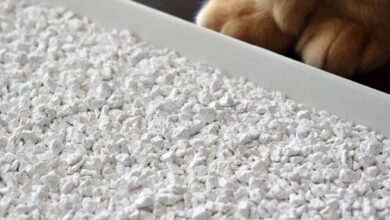
Juggling multiple feline friends is a joy, but let’s be honest – litter box management can quickly become a major headache! Having several cats means more than just extra cuddles; it means significantly more litter box duties. Choosing the right litter isn’t just about convenience; it’s crucial for controlling odors, keeping things clean, and ensuring your cats are happy and comfortable.
We’ve all been there – the constant scooping, the lingering smells, the scattered litter tracked across the house. It’s enough to make you question your life choices! Let’s dive into how to conquer the multi-cat litter box challenge and create a more peaceful home for everyone.

This guide will walk you through everything you need to know, from understanding the different types of litter available (clay, silica gel, natural options like wood and corn) to identifying the key features that matter most when you have a clowder of cats. We’ll also explore top-rated litter options, address common concerns like odor and tracking, and even discuss sustainable choices for the eco-conscious cat parent.
Get ready to reclaim your home and your sanity!
The Ultimate Guide to Cat Litter for Multi-Cat Homes
Living with multiple cats is a joy, but it also comes with its unique set of challenges. One of the biggest? Litter box management. Suddenly, that single box you used to manage just fine feels woefully inadequate. The smell, the tracking, the constant scooping – it can quickly become overwhelming.
Choosing the right litter isn’t just about convenience; it’s about your cats’ health, happiness, and your own sanity. This guide will walk you through everything you need to know to conquer the litter box chaos and create a harmonious multi-cat household.
The type of litter you choose significantly impacts odor control, cleanliness, and, crucially, your cats’ satisfaction. A stressed cat might avoid the litter box altogether, leading to bigger problems. Let’s face it, nobody wants to deal with accidents outside the box. We’ll explore various litter types, essential features to look for, and practical tips to keep things clean and pleasant for everyone.
Imagine this: It’s 6 AM. You’re jolted awake by a pungent odor wafting through the house. You stumble to the litter room to find a scene of chaos – scattered litter, overflowing boxes, and a distinct lack of cleanliness. This is a common scenario for many multi-cat owners. It doesn’t have to be this way! With the right knowledge and a little effort, you can transform this daily struggle into a manageable routine.
Types of Cat Litter: A Comprehensive Overview
Understanding the different types of cat litter is the first step towards finding the perfect solution for your multi-cat household. Each type has its own set of advantages and disadvantages, and what works well for one cat (or household) might not work for another. Let’s break down the most common options.
Clay Litter: The Classic Choice
Clay litter is the most traditional and widely available option. It comes in two main forms: clumping and non-clumping. Clumping clay litter forms solid clumps when wet, making scooping easier. Non-clumping clay litter absorbs urine but doesn’t form clumps, requiring more frequent complete changes. For multi-cat homes, clumping clay is generally preferred due to its ease of maintenance.
However, clay litter can be dusty, and some cats are sensitive to the dust. It’s also not the most environmentally friendly option, as it’s mined from the earth.
Silica Gel Litter (Crystal Litter)
Silica gel litter, often called crystal litter, is known for its exceptional absorption capabilities. These tiny crystals absorb urine and dehydrate solid waste, trapping odors. A significant advantage is its low dust level, which is beneficial for both cats and owners with respiratory sensitivities. However, silica gel litter can be more expensive than clay, and some cats dislike the texture.
It also doesn’t clump, so you need to stir it regularly to ensure even drying and odor control.
Natural Litters: Eco-Friendly Alternatives
Natural litters are gaining popularity as a more sustainable alternative to clay and silica gel. These litters are derived from renewable resources like wood, paper, corn, and wheat. They are generally biodegradable and have a lower environmental impact. However, natural litters can vary greatly in texture and odor control. Some cats may not readily accept a change to a natural litter, so a gradual transition is often necessary.
Comparing Pine, Walnut, and Grass Litters
Within the natural litter category, pine, walnut, and grass litters offer unique characteristics. Pine litter has a distinctive woodsy scent that many people find pleasant, and it’s relatively absorbent. Walnut litter is known for its excellent odor control and clumping ability, though it can be more expensive. Grass litter is soft and gentle on cats’ paws, making it a good choice for sensitive cats.
However, it may not be as absorbent as other options.
| Litter Type | Cost | Odor Control | Dust Level |
|---|---|---|---|
| Clay (Clumping) | Low | Moderate | High |
| Clay (Non-Clumping) | Low | Low | High |
| Silica Gel (Crystal) | High | Excellent | Low |
| Pine | Moderate | Good | Moderate |
| Walnut | High | Excellent | Low |
| Grass | Moderate | Moderate | Low |
Essential Features for Multi-Cat Litter
When selecting litter for a multi-cat household, certain features are more critical than others. It’s not just about finding a litter that
-you* like; it’s about finding one that your cats will use consistently and that effectively manages the increased waste and odor. Let’s explore the top five features to prioritize.
Prioritizing Key Features
- Odor Control: With multiple cats, odor control is paramount. Look for litters with odor-absorbing properties, such as baking soda or activated charcoal.
- Low Dust: Dust can irritate cats’ respiratory systems and create a mess in your home. Opt for low-dust or dust-free litters.
- Clumping Ability: Clumping litter makes scooping easier and more efficient, reducing the frequency of complete litter box changes.
- Tracking: Litter tracking can be a major nuisance. Choose a litter with larger granules that are less likely to stick to cats’ paws.
- Cat Acceptance: Ultimately, the best litter is one that your cats will use. Consider their preferences and be prepared to experiment.
Each of these features contributes to a cleaner, more pleasant, and healthier environment. Low dust minimizes respiratory irritation, good odor control prevents unpleasant smells, and easy scooping reduces the workload. Tracking control keeps your floors cleaner, and cat acceptance ensures consistent litter box use.
Litter Box Size and Placement
The size and placement of litter boxes are just as important as the type of litter you choose. Litter boxes should be large enough for cats to comfortably turn around and dig. For multi-cat homes, consider using larger litter boxes or multiple smaller boxes.
The Number of Litter Boxes: A Rule of Thumb
A general rule of thumb is to have one litter box per cat, plus one extra. So, if you have three cats, you should have four litter boxes. This ensures that each cat has a designated space and reduces competition for resources. Placement is also key – litter boxes should be located in quiet, accessible areas away from food and water bowls.
Top Contenders: Litter Profiles & Reviews
Let’s take a closer look at some of the most popular and highly-rated cat litters for multi-cat homes. We’ll examine their composition, performance, and overall value.
Dr. Elsey’s Precious Cat Ultra
Dr. Elsey’s Precious Cat Ultra is a clumping clay litter known for its exceptional clumping ability and low dust. It’s formulated with a unique blend of bentonite clay that forms hard, scoopable clumps. The low-dust formula is gentle on cats’ respiratory systems and minimizes mess. It’s a reliable choice for odor control, though it can be slightly more expensive than some other clay litters.
Arm & Hammer Clump & Seal Multi-Cat
Arm & Hammer Clump & Seal Multi-Cat incorporates baking soda into its formula, providing excellent odor-fighting capabilities. It forms strong, tight clumps that seal in odors and prevent them from escaping. The litter is also relatively low-dust and affordable, making it a popular choice for multi-cat households.
Purina Tidy Cats Multi-Cat Clumping Formula
Purina Tidy Cats Multi-Cat Clumping Formula features Fresh Shield technology, which neutralizes odors and provides a fresh scent. The litter is also designed to reduce dust and control tracking. It’s a readily available and affordable option that many cat owners find effective.
World’s Best Cat Litter
World’s Best Cat Litter comes in several varieties, all made from natural ingredients like corn, wheat, and wood. These litters are biodegradable and have a pleasant, natural scent. They clump well and offer good odor control, though some cats may not initially accept the texture. The natural ingredients make it a more environmentally friendly choice.
| Litter Name | Clumping | Odor Control | Dust | Price/lb |
|---|---|---|---|---|
| Dr. Elsey’s Precious Cat Ultra | Excellent | Good | Low | $0.60 – $0.80 |
| Arm & Hammer Clump & Seal Multi-Cat | Good | Excellent | Moderate | $0.40 – $0.60 |
| Purina Tidy Cats Multi-Cat | Good | Good | Low | $0.50 – $0.70 |
| World’s Best Cat Litter | Good | Good | Moderate | $0.70 – $1.00 |
Addressing Specific Concerns: Odor, Dust, and Tracking
Even with the best litter, managing odor, dust, and tracking can be ongoing challenges in a multi-cat home. Here’s how to tackle these issues effectively.
Minimizing Litter Box Odor
Regular scooping is the most important factor in controlling litter box odor. Aim to scoop at least once a day, and ideally twice. Proper ventilation can also help. Place litter boxes in well-ventilated areas, and consider using an air purifier to remove odors from the air.
Reducing Dust Exposure
Choose low-dust or dust-free litters to minimize dust exposure for both cats and owners. When scooping, avoid kicking or shaking the litter, as this can create more dust. Consider wearing a mask while scooping if you are particularly sensitive to dust.
Controlling Litter Tracking
Litter tracking is inevitable, but you can minimize it with a few simple strategies. Place litter mats outside the litter box to catch litter that sticks to cats’ paws. Regularly vacuum or sweep the area around the litter box. Consider using a litter box with a high rim to contain litter better.
Best practices for litter box hygiene in a multi-cat home include daily scooping, regular complete litter box changes, proper ventilation, low-dust litter selection, and strategic placement of litter mats.
Cat Preferences & Transitioning to New Litter
Cats are notoriously picky about their litter. They have preferences for texture, scent, and even the depth of the litter. Understanding these preferences is key to ensuring they consistently use the litter box.
Gradual Transitioning
When transitioning to a new litter type, do so gradually to minimize stress and encourage acceptance. Start by mixing a small amount of the new litter with the old litter, gradually increasing the proportion of new litter over a period of several days or weeks. Observe your cats’ behavior closely during the transition.
Identifying Litter Box Aversion

Source: catster.com
Signs of litter box aversion include urinating or defecating outside the litter box, avoiding the litter box altogether, or exhibiting signs of stress around the litter box. If you notice these signs, consult with a veterinarian to rule out any underlying medical conditions. Stress can also be a factor, so try to identify and address any potential stressors in your cats’ environment.
Step-by-Step Guide for Introducing New Litter
- Day 1-3: Mix 25% new litter with 75% old litter.
- Day 4-7: Mix 50% new litter with 50% old litter.
- Day 8-14: Mix 75% new litter with 25% old litter.
- Day 15+: Transition to 100% new litter.
Observe your cats’ behavior throughout the transition. If they show signs of aversion, slow down the process or consider trying a different litter type.
Budget Considerations & Value Assessment
The cost of cat litter can add up quickly, especially in a multi-cat household. It’s important to consider both the upfront purchase price and the long-term usage costs when making your selection.
Cost Comparison
Clay litter is generally the most affordable option, while silica gel and some natural litters can be more expensive. However, the cost per month can vary depending on usage and the size of the litter boxes.
Calculating Monthly Cost
To calculate the monthly cost, estimate how much litter you use per week and multiply by the price per pound. For example, if you use 10 pounds of litter per week at $0.50 per pound, your monthly cost would be approximately $20.
Value Assessment
Value isn’t just about price. Consider factors like odor control, cleanliness, cat satisfaction, and environmental impact. A more expensive litter that effectively controls odor and is readily accepted by your cats may ultimately be a better value than a cheaper litter that requires more frequent changes and leaves your home smelling unpleasant.
| Litter Name | Monthly Cost (3 Cats) | Notes |
|---|---|---|
| Clay (Clumping) | $15 – $25 | Affordable, but can be dusty and require frequent changes. |
| Silica Gel (Crystal) | $30 – $50 | Excellent odor control and low dust, but more expensive. |
| Pine | $20 – $35 | Natural and biodegradable, with a pleasant scent. |
| World’s Best Cat Litter | $25 – $40 | Natural and biodegradable, but may require more litter. |
Advanced Litter Box Systems & Their Compatibility
Self-cleaning litter boxes offer a convenient way to manage litter in a multi-cat home, but they also come with their own set of considerations.
Suitability for Multi-Cat Homes
Self-cleaning litter boxes can be a great time-saver for multi-cat owners, but it’s important to choose a model that can handle the increased waste volume. Look for boxes with large waste receptacles and automatic cleaning cycles that can keep up with multiple cats.
Litter Compatibility
Not all litters are compatible with automated systems. Clumping clay litter is generally the best choice for self-cleaning boxes, as it forms solid clumps that can be easily scooped. Silica gel litter can also be used, but it may not clump as well. Avoid using natural litters, as they can clog the mechanisms.
Choosing the Right System
Consider the number of cats, their litter box habits, and your budget when choosing a self-cleaning litter box system. Some models offer advanced features like odor control and smartphone connectivity.
Maintenance Considerations
Regular maintenance is essential for optimal performance and hygiene. Clean the waste receptacle frequently, and follow the manufacturer’s instructions for cleaning and servicing the system.
Environmental Impact & Sustainable Choices
The environmental impact of cat litter is often overlooked, but it’s a growing concern. Different litter types have varying carbon footprints, considering sourcing, manufacturing, and disposal.
Environmental Footprint
Clay litter is mined from the earth, contributing to habitat destruction and soil erosion. Silica gel litter is manufactured using energy-intensive processes. Natural litters, on the other hand, are derived from renewable resources and are often biodegradable.
Sustainable Options
Choosing sustainable and biodegradable litter options, such as pine, corn, wheat, or grass litter, can significantly reduce your environmental impact. Look for litters that are certified by reputable organizations.
Responsible Disposal
Proper disposal of used litter is crucial. Do not flush cat litter down the toilet, as it can clog plumbing systems and contaminate waterways. Check with your local waste management authority for guidelines on disposing of cat litter properly. Some communities offer composting programs for natural litters.
Carbon Footprint Comparison
- Clay: High carbon footprint due to mining and transportation.
- Silica Gel: Moderate to high carbon footprint due to manufacturing.
- Natural Litters: Lower carbon footprint due to renewable sourcing and biodegradability.
Last Recap
Ultimately, finding the best rated cat litter for multiple cats is a personalized journey. There’s no one-size-fits-all solution, as cat preferences and household needs vary. By understanding the different litter types, prioritizing essential features, and paying attention to your cats’ behavior, you can create a litter box setup that’s both effective and enjoyable. Remember to consider your budget, environmental impact, and, most importantly, your cats’ happiness.
With a little research and experimentation, you’ll be well on your way to a cleaner, fresher, and more harmonious multi-cat home!
Don’t be afraid to try different options until you find the perfect fit. And remember, consistent scooping and regular litter box maintenance are key to success, no matter which litter you choose. Happy scooping!
FAQ Explained
How often should I scoop litter boxes with multiple cats?
Ideally, scoop at least once a day, but twice a day is even better in a multi-cat household. This helps control odor and keeps the litter box appealing to your cats.
Can I use scented litter for multiple cats?
Generally, it’s best to avoid heavily scented litters. Many cats are sensitive to strong smells and may avoid the litter box if it’s too overpowering. Unscented or lightly scented options are usually preferred.
What if one of my cats starts avoiding the litter box?
First, rule out any medical issues with a vet visit. Then, consider if there’s been a change in the litter type, box location, or household dynamics that could be causing stress. Gradually reintroduce a preferred litter type and ensure each cat has easy access to a clean box.
How do I minimize litter dust when scooping?
Use a low-dust litter, scoop slowly and carefully, and consider wearing a mask if you’re particularly sensitive to dust. Scooping outdoors (if possible) can also help contain the dust.
Is it okay to have one litter box per cat, plus one extra?
Yes, the general rule of thumb is one litter box per cat plus one extra. This ensures that each cat always has a clean option available, reducing the likelihood of accidents.
What’s the best way to dispose of used cat litter?
Never flush cat litter down the toilet! Most natural litters can be composted (check the packaging for specific instructions). Otherwise, seal the used litter in a plastic bag and dispose of it in the trash.