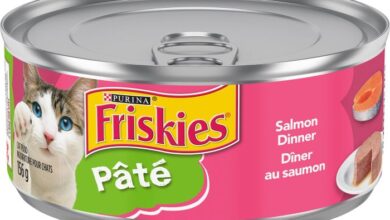
Bringing a tiny kitten into your home is a joy, and ensuring they get the right nutrition is paramount for their healthy development. Wet food plays a crucial role in a kitten’s diet, offering hydration and essential nutrients often lacking in dry kibble. This guide dives deep into everything you need to know about selecting the best wet food for your growing feline friend, from understanding their specific nutritional needs to navigating ingredient lists and choosing the right texture.
We’ll explore the vital nutrients kittens require, review top-rated wet food options, and provide practical advice on transitioning your kitten to wet food and managing picky eaters. You’ll learn how to decipher ingredient labels, avoid harmful additives, and find the perfect balance between quality and cost, all while ensuring your kitten thrives.
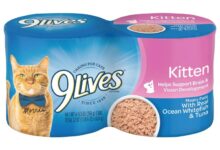


The Ultimate Guide to the Best Wet Food for Kittens
Bringing a new kitten home is one of life’s greatest joys! But with that adorable fluffball comes a big responsibility: ensuring they get the right nutrition to thrive. While dry food is convenient, wet food plays a
-crucial* role in a kitten’s development. This isn’t just about making mealtime more exciting; it’s about supporting their growth, hydration, and overall health.
Kittens have different nutritional needs than adult cats, and wet food is often the best way to meet those needs.
Kittens are growing at an incredibly rapid pace, and their bodies require a concentrated source of nutrients. Wet food is naturally higher in moisture, which is vital for preventing dehydration and supporting kidney function – something dry food often struggles to provide. Plus, the higher protein content in many wet food formulas is essential for building strong muscles and supporting healthy organ development.
In this article, we’ll dive deep into what to look for in wet kitten food, review some top options, and provide practical tips to ensure your little one gets the best possible start in life. Get ready to become a wet food expert!
Nutritional Requirements for Kittens
Kittens aren’t just miniature adult cats; they have unique nutritional demands to fuel their rapid growth. Understanding these needs is the first step in choosing the right wet food. Let’s break down the key components:
- Protein: Absolutely essential! Kittens need significantly more protein than adult cats to build and repair tissues. Look for formulas with a high percentage of animal-based protein (chicken, turkey, fish).
- Fat: Provides energy and supports brain development. Healthy fats, like those found in fish oil, are particularly beneficial.
- Carbohydrates: While not as crucial as protein and fat, carbohydrates provide energy. Choose foods with easily digestible carbs like sweet potatoes or brown rice, and avoid excessive fillers.
- Vitamins & Minerals: These are vital for overall health, immune function, and bone development. A complete and balanced kitten food will be fortified with essential vitamins and minerals.
- Taurine: This is a
-must-have* amino acid that cats (and kittens!) can’t produce on their own. Taurine deficiency can lead to serious health problems, including blindness and heart disease. Ensure the wet food you choose is specifically supplemented with taurine. - Essential Amino Acids: Beyond taurine, other amino acids like arginine and lysine are crucial for growth and muscle development. High-quality animal protein sources naturally contain these.
Here’s a comparison of typical nutrient profiles in different wet food formulations. Keep in mind these are averages and can vary by brand and specific recipe:
| Ingredient | Percentage | Benefit for Kittens | Potential Concerns |
|---|---|---|---|
| Chicken | 35-45% | Excellent source of protein and essential amino acids. | Potential for allergies in sensitive kittens. |
| Fish (Salmon, Tuna) | 30-40% | Rich in omega-3 fatty acids for brain and eye development, also a good protein source. | Can be high in mercury; choose brands with responsibly sourced fish. |
| Lamb | 30-40% | Easily digestible protein source, often suitable for kittens with sensitivities. | Can be more expensive than chicken or fish-based formulas. |
| Chicken By-Products | 15-25% | Provides additional protein and nutrients. | Quality can vary significantly; look for “named” by-products (e.g., chicken liver) rather than generic terms. |
Top Wet Food Options: Detailed Reviews
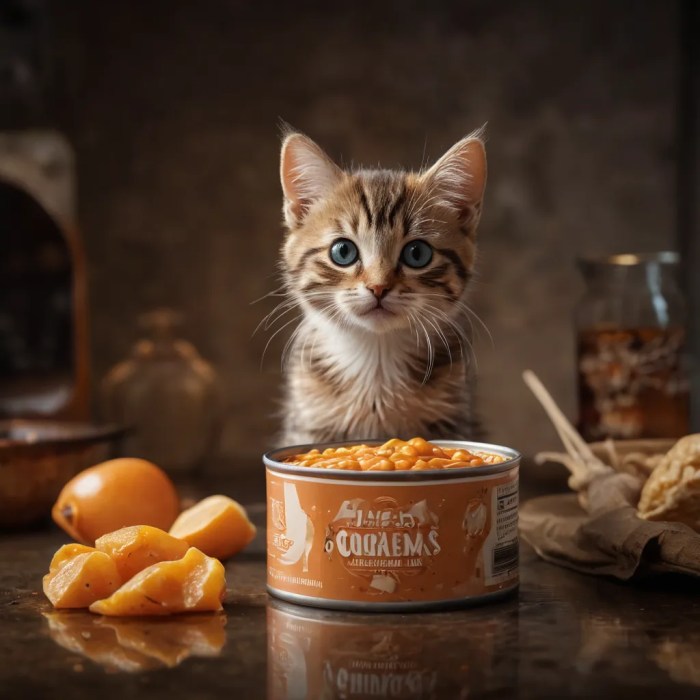
Source: myzootopia.com
Choosing the right wet food can feel overwhelming with so many options available. We’ve narrowed down some top contenders, considering ingredient quality, palatability, and suitability for different kitten ages. Remember to always consult with your veterinarian for personalized recommendations.
- Wellness Complete Health Kitten Pate: This formula boasts a high protein content (around 40%) from deboned chicken and turkey. The texture is a smooth pate, which is often appealing to younger kittens. It’s generally well-received by picky eaters and contains added taurine and DHA for brain development. A potential drawback is the slightly higher price point.
- Blue Buffalo Baby Blue Healthy Growth Kitten Wet Food: Blue Buffalo is known for its LifeSource Bits, a blend of antioxidants, vitamins, and minerals. This formula features real chicken and fish, and is designed to support healthy growth and development. The texture is minced, which some kittens prefer. Some reviews mention a strong fishy odor.
- Purina Fancy Feast Kitten Classic Pate: A widely available and affordable option, Fancy Feast Kitten Classic is a popular choice for many kitten owners. It contains real chicken or turkey and is fortified with essential nutrients. While it’s a good basic option, it may not be as nutrient-dense as some premium brands.
- Royal Canin Kitten Wet Food: Royal Canin is a veterinarian-recommended brand known for its science-backed formulas. Their kitten wet food is specifically formulated to meet the unique needs of growing kittens, with a focus on digestibility and nutrient absorption. It’s often recommended for kittens with sensitive stomachs. It can be pricier than other options.
- Hill’s Science Diet Kitten Wet Food: Another veterinarian-recommended brand, Hill’s Science Diet offers a balanced and complete kitten food. It’s formulated to support healthy growth and a strong immune system. The texture is pate, and it’s generally well-tolerated by most kittens.
Here’s a quick summary table:
| Brand/Variety | Key Ingredients | Price Range (per can/pouch) |
|---|---|---|
| Wellness Complete Health Kitten Pate | Chicken, Turkey | $1.50 – $2.50 |
| Blue Buffalo Baby Blue Healthy Growth | Chicken, Fish | $1.00 – $2.00 |
| Purina Fancy Feast Kitten Classic | Chicken, Turkey | $0.75 – $1.25 |
| Royal Canin Kitten Wet Food | Chicken, Rice | $2.00 – $3.00 |
| Hill’s Science Diet Kitten Wet Food | Chicken | $1.50 – $2.50 |
Ingredient Spotlight: What to Look For (and Avoid)
Understanding ingredient labels is key to making informed choices. Not all ingredients are created equal. “Named meat” ingredients (like chicken, salmon, or lamb) are preferable to generic terms like “meat by-products” or “animal digest.” Named ingredients tell you exactly what your kitten is eating, while generic terms can be vague and of lower quality.
Whole foods like fruits and vegetables (pumpkin, sweet potatoes, carrots) can provide valuable vitamins, minerals, and fiber. However, they shouldn’t be the primary source of nutrients. Be wary of artificial additives, preservatives (BHA, BHT, ethoxyquin), and fillers (corn, wheat, soy) which offer little nutritional value and can potentially trigger allergies.
- Good Ingredients:
- Named Meat Sources: Chicken, turkey, salmon, lamb – provide high-quality protein.
- Whole Grains: Brown rice, oatmeal – offer digestible carbohydrates and fiber.
- Fruits & Vegetables: Sweet potatoes, pumpkin, carrots – provide vitamins, minerals, and antioxidants.
- Fish Oil: Source of omega-3 fatty acids for brain and eye health.
- Taurine: Essential amino acid for heart and eye health.
- Ingredients to Limit/Avoid:
- BHA, BHT, Ethoxyquin: Artificial preservatives linked to potential health concerns.
- Artificial Colors & Flavors: Offer no nutritional value and can be allergenic.
- Corn, Wheat, Soy: Common fillers that can trigger allergies in some kittens.
- Generic “Meat By-Products”: Quality can vary significantly; opt for named meat sources.
Kitten-Specific Considerations: Age and Health
A kitten’s nutritional needs change as they grow. Very young kittens (under 8 weeks) may still require kitten milk replacer (KMR) alongside wet food. As they transition to solid food, gradually introduce wet food, starting with small amounts. Kittens with sensitive stomachs or allergies may benefit from limited-ingredient diets with novel protein sources (like duck or venison). Kittens prone to urinary tract issues may require wet food formulated to promote urinary health, often with controlled mineral levels.
Here’s a simplified flowchart to guide your wet food selection:
[Flowchart Description: Start with “Kitten Age”. Branch to “Under 8 Weeks” (KMR + Small Amounts of Easily Digestible Wet Food), “8-12 Weeks” (Gradually Increase Wet Food, Monitor Stool), “12+ Weeks” (Transition to Adult Wet Food as Needed, Based on Growth and Health). Add a branch for “Health Concerns”
-“Sensitive Stomach/Allergies” (Limited Ingredient Diet), “Urinary Issues” (Urinary Health Formula).
Texture and Palatability: Catering to Kitten Preferences
Kittens can be notoriously picky eaters! Texture plays a significant role in their enjoyment of wet food. Pate is generally the most palatable for younger kittens, while minced or shredded textures may appeal to older kittens. Experiment with different textures to find what your kitten prefers. Warming wet food slightly can enhance its aroma and make it more appealing. A little goes a long way – start with a small amount and see how your kitten reacts.
Feeding Guidelines and Portion Sizes
Proper feeding practices are essential for a healthy kitten. Daily wet food intake should be based on the kitten’s weight and age. Monitor their weight regularly and adjust portions accordingly. While free-feeding can be convenient, scheduled meals are generally recommended to help control portion sizes and prevent overeating.
| Kitten Weight | Recommended Daily Amount |
|---|---|
| 1-2 lbs | Approximately 1/4 – 1/2 can (3-6 oz) |
| 2-4 lbs | Approximately 1/2 – 3/4 can (6-9 oz) |
| 4-6 lbs | Approximately 3/4 – 1 can (9-12 oz) |
Cost and Value: Finding the Best Balance
Wet kitten food prices can vary significantly. While it’s tempting to choose the cheapest option, consider the ingredient quality and nutritional benefits. A higher-quality food may be more expensive upfront, but it can lead to better health and potentially fewer vet bills down the road. Look for sales and consider buying in bulk to save money.
Transitioning to Wet Food
Transitioning a kitten to wet food should be done gradually to avoid digestive upset. Start by mixing a small amount of wet food with their existing dry food or formula. Gradually increase the proportion of wet food over several days, while decreasing the dry food. If your kitten refuses to eat wet food, try warming it slightly or adding a small amount of tuna juice to entice them.
Storage and Handling
Proper storage and handling are crucial to prevent bacterial contamination. Refrigerate opened wet food cans or pouches immediately and use within 24-48 hours. Discard any uneaten wet food after a few hours at room temperature. Always wash your hands thoroughly before and after handling wet food.
Key Storage & Handling Guidelines: Refrigerate opened cans/pouches promptly, use within 24-48 hours, discard uneaten food after a few hours at room temperature, and wash hands thoroughly.
Closing Notes
Navigating the world of kitten nutrition can feel overwhelming, but with a little knowledge, you can confidently choose the best wet food to support your kitten’s growth and well-being. Remember to prioritize high-quality ingredients, consider your kitten’s individual needs and preferences, and always consult with your veterinarian for personalized recommendations. Providing your kitten with a nutritious and delicious diet is an investment in their long-term health and happiness!
Ultimately, the “best” wet food is the one your kitten enjoys and that meets their specific nutritional requirements. By following the guidelines and tips Artikeld here, you’ll be well-equipped to make informed decisions and ensure your little one gets the very best start in life.
Expert Answers
Can I feed my kitten only wet food?
Yes, a diet consisting solely of high-quality wet food can be perfectly healthy for kittens. It provides excellent hydration and meets their nutritional needs. However, some owners choose to offer a combination of wet and dry food.
How much wet food should I feed a kitten?
The amount of wet food a kitten needs varies based on their weight and age. Generally, kittens need more food than adult cats. Refer to the feeding guidelines on the wet food packaging and adjust portions based on your kitten’s body condition.
Is it okay if my kitten only eats a little bit of wet food?
If your kitten consistently eats very little wet food, it could be due to texture preferences, illness, or stress. Try different textures and flavors, and consult your vet to rule out any underlying health issues.
How long does opened wet food last in the refrigerator?
Opened wet food can typically be stored in the refrigerator for 1-2 days in an airtight container. Discard any uneaten food after that time to prevent spoilage.
What does “meat by-products” mean on a wet food label?
“Meat by-products” can refer to organ meats and other parts of the animal that are not muscle meat. While not inherently bad, it’s preferable to see “named meat” ingredients like “chicken” or “salmon” listed first.
My kitten refuses to eat wet food. What should I do?
Try warming the wet food slightly to enhance its aroma, mixing it with a small amount of their favorite dry food, or offering different textures. Patience and persistence are key!