Bringing a tiny kitten into your life is a joy, and ensuring they get the right nutrition is paramount for their growth and development. Wet kitten food offers a fantastic way to deliver essential nutrients, hydration, and delicious flavor that picky eaters often adore. But with so many options on the market, navigating the world of wet kitten food can feel overwhelming.
This guide breaks down everything you need to know, from understanding their specific nutritional needs to tackling those frustrating picky eating habits, so you can confidently choose the best wet kitten foods for your furry friend.
We’ll delve into the vital nutrients kittens require – protein, fat, carbohydrates, vitamins, and minerals – and why taurine and DHA are particularly crucial for their development. We’ll also explore different food formulations like pate, minced, and chunks in gravy, and discuss ingredient quality, life stage considerations, and how to handle common concerns like allergies. Ultimately, our goal is to empower you to make informed decisions that contribute to a happy, healthy kitten!
Nutritional Needs of Wet Kitten Food
Kittens are tiny powerhouses of growth, and their nutritional needs are significantly different from adult cats. Providing the right wet food is crucial for healthy development, strong bones, and a robust immune system. This section breaks down the essential nutrients kittens require and why they matter.
Wet food is particularly beneficial for kittens because of its high moisture content, which supports kidney health and helps prevent dehydration. However, the nutritional profile is just as important as the texture. Let’s dive into the specifics.
Essential Nutrients for Kitten Growth
- Protein: The building block of everything! Kittens need a high percentage of protein to support muscle development, tissue repair, and overall growth.
- Fat: Provides energy and aids in the absorption of fat-soluble vitamins. Essential fatty acids, like Omega-3 and Omega-6, are vital for brain and eye development.
- Carbohydrates: While not as crucial as protein and fat, carbohydrates provide an additional energy source. Choose foods with easily digestible carbs.
- Vitamins: A, D, E, and B vitamins are all essential for various bodily functions, from vision to nerve health.
- Minerals: Calcium and phosphorus are critical for bone development, while iron is necessary for red blood cell production.
The Importance of Taurine
Taurine is an amino acid that catscannot* produce themselves, making it an essential dietary requirement. A deficiency can lead to serious health problems, including blindness and heart disease. Wet kitten food generally contains higher levels of taurine than dry food, making it a preferred choice. Look for foods that explicitly state they are “taurine supplemented.”
Ideal Protein Percentages by Life Stage
The protein needs of a kitten change as they grow. Here’s a general guideline:
- 6-12 Weeks: 40-50% protein. This is a period of rapid growth, so a higher protein intake is vital.
- 3-6 Months: 35-45% protein. Growth continues, but at a slightly slower pace.
- 6-12 Months: 30-40% protein. As they approach adulthood, protein needs gradually decrease.
The Role of DHA in Brain and Eye Development
DHA (docosahexaenoic acid) is an Omega-3 fatty acid that plays a crucial role in brain and eye development, particularly during the first few months of life. Kitten food formulated with DHA can significantly benefit cognitive function and vision.
Nutrient Profile Comparison
| Ingredient | Protein % | Fat % |
|---|---|---|
| Chicken | 20-25% | 5-10% |
| Fish (Salmon) | 25-30% | 8-15% |
| Beef | 22-28% | 6-12% |
| Turkey | 21-26% | 5-11% |
Types of Wet Kitten Food Available
The wet kitten food aisle can be overwhelming! There’s a wide variety of textures and formulations, each with its own pros and cons. Understanding these differences can help you choose the best option for your kitten’s preferences and digestive health.
Wet Kitten Food Formulations
- Pate: A smooth, homogenous mixture.
- Minced: Smaller, more finely ground pieces.
- Chunks in Gravy: Larger pieces of meat or fish suspended in a gravy sauce.
- Shredded: Flaked or shredded meat, often with a more “natural” appearance.
Palatability and Digestibility Considerations
Pate is often highly palatable due to its smooth texture and concentrated flavor. However, some kittens may find it monotonous. Minced food is generally easy to digest, making it a good choice for kittens with sensitive stomachs. Chunks in gravy can be appealing due to the added moisture and flavor of the gravy, but the larger pieces might be difficult for very young kittens to chew.
Shredded food offers a more varied texture and can be a good option for kittens who enjoy a bit of crunch (even in wet food).
Visual Representation: Pate vs. Minced
Imagine a pate texture: it’s like a smooth, creamy custard, with all the ingredients (meat, vegetables, etc.) completely blended together. You can’t distinguish individual pieces. Now picture minced food: it’s similar to ground meat, but softer and more finely textured. The ingredients are still distinct, but broken down into smaller particles. The pate has a uniform appearance, while the minced food has a slightly more granular look.
The Role of Gravy or Broth
Gravy or broth adds moisture, which is essential for kitten hydration. It also enhances palatability, making the food more appealing. However, be mindful of the sodium content in gravy – choose options with lower sodium levels.
Grain-Inclusive vs. Grain-Free
Grain-inclusive wet kitten foods typically contain ingredients like rice, barley, or oats, which provide carbohydrates and fiber. Grain-free options exclude these grains, relying on alternative carbohydrate sources like potatoes or peas. While grain-free diets can be suitable for some kittens, there’s been some concern about a potential link between grain-free diets and dilated cardiomyopathy (DCM) in cats. Discuss this with your veterinarian before choosing a grain-free option.
Ingredient Quality and Sourcing
Not all wet kitten food is created equal. The quality of the ingredients significantly impacts your kitten’s health and well-being. This section explores what to look for (and what to avoid) when scrutinizing ingredient lists.
High-Quality Protein Sources
Look for wet kitten foods that list named meat sources as the primary ingredients, such as “chicken,” “salmon,” or “turkey.” Other good protein sources include lamb, duck, and rabbit.
Meat Meal vs. Whole Meat
“Whole meat” refers to muscle meat, like chicken breast or beef steak. “Meat meal” is a concentrated form of protein derived from rendering animal tissue. While meat meal can be a valuable protein source, whole meat is generally considered more digestible and palatable.
Avoiding Artificial Additives
Artificial colors, flavors, and preservatives offer no nutritional benefit and can potentially trigger allergies or sensitivities in some kittens. Choose foods with natural ingredients and minimal additives.
Organic or Human-Grade Ingredients
Organic ingredients are grown without pesticides or herbicides. Human-grade ingredients meet the same standards as food intended for human consumption. While these options are often more expensive, they can offer added peace of mind.
Ingredient Breakdown Table
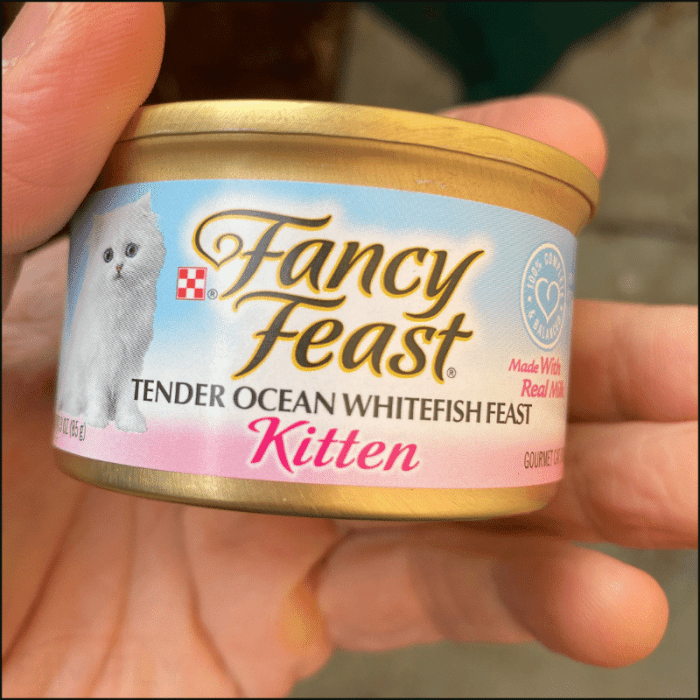
Source: simplycatcare.com
| Ingredient | Potential Benefit | Potential Concern | Alternative |
|---|---|---|---|
| Chicken | Excellent source of protein and taurine. | Common allergen for some kittens. | Turkey, Duck, Rabbit |
| Fish (Salmon) | Rich in Omega-3 fatty acids for brain and eye development. | Can be high in mercury; choose sustainably sourced options. | Chicken, Turkey |
| Taurine | Essential amino acid for heart and eye health. | Not a primary ingredient; ensure adequate supplementation. | N/A (Supplemented) |
| Turkey | Good source of lean protein. | Can be slightly less palatable than chicken for some kittens. | Chicken, Duck |
Final Review
Selecting the best wet kitten foods isn’t just about picking a brand; it’s about understanding your kitten’s individual needs and choosing a food that aligns with those requirements. By paying attention to ingredient quality, life stage, and potential allergies, you can provide a foundation for a lifetime of health and vitality. Remember to monitor your kitten’s weight and activity levels, adjusting portions as needed, and always consult with your veterinarian for personalized advice.
With a little knowledge and careful consideration, you can ensure your kitten thrives on a diet that supports their growth and keeps their tail wagging!
Q&A
Why is taurine so important for kittens?
Taurine is an essential amino acid that kittens can’t produce on their own. It’s vital for healthy heart function, vision development, and overall growth. Deficiency can lead to serious health problems.
What’s the difference between “meat meal” and “whole meat” in ingredients?
Whole meat refers to muscle tissue, while meat meal is a concentrated form of protein made from cooked, rendered meat tissue. While meat meal can be a good source of protein, whole meat is generally considered more digestible and palatable.
My kitten refuses to eat wet food – what can I do?
Try warming the food slightly to enhance the aroma, mixing it with a small amount of dry food, or offering different flavors and textures. Patience is key – it may take time for your kitten to adjust.
How can I tell if my kitten has a food allergy?
Signs of a food allergy can include skin irritation (itching, redness), digestive upset (vomiting, diarrhea), and excessive grooming. If you suspect an allergy, consult your veterinarian.
Can I feed my kitten grain-free wet food?
Grain-free options are available, but they aren’t necessarily better. Grains like brown rice and oats can be healthy sources of fiber and nutrients. The key is to choose a food with high-quality ingredients, regardless of whether it contains grains.
How long can I leave opened wet kitten food out?
Uneaten wet kitten food should be refrigerated and discarded within 24 hours to prevent bacterial growth.
How much wet food should I feed my kitten?
Feeding guidelines vary by brand and kitten age/weight. Always refer to the product label and adjust portions based on your kitten’s individual needs and activity level. Consult your vet for personalized recommendations.