Ever noticed the stunning patchwork coats of some cats and wondered what makes them so unique? The world of calico and tortoiseshell cats is a fascinating blend of genetics, color, and a little bit of luck. These beautiful felines boast striking combinations of black, orange, and sometimes white, creating a visual masterpiece. But what’s the science behind these captivating patterns, and what truly sets a calico apart from a tortoiseshell?
We’re diving deep into the genetics that dictate these coat colors, exploring the subtle differences between calico and tortoiseshell patterns, and uncovering the surprising reasons why male cats with these markings are so rare. Plus, we’ll touch on the cultural significance and even some fun facts about these beloved companions.



Calico Cats vs. Tortoiseshell Cats: A Colorful Genetic Mystery
Have you ever been captivated by the striking beauty of a calico or tortoiseshell cat? These felines boast a unique and mesmerizing patchwork of colors, often sparking curiosity about their origins. Beyond their aesthetic appeal, these coat patterns are a fascinating window into the world of genetics. This article dives deep into the science behind calico and tortoiseshell cats, exploring their genetic makeup, variations, and cultural significance.
Get ready to unravel the colorful mystery!
1. Genetics of Calico and Tortoiseshell Cats
The vibrant colors of calico and tortoiseshell cats aren’t random; they’re the result of a complex interplay of genes, primarily linked to the X chromosome. Understanding this genetic foundation is key to appreciating the uniqueness of these feline beauties.
- X-Chromosome Linked Genes: In felines, the genes responsible for orange and black coat colors reside on the X chromosome. Female cats have two X chromosomes (XX), while males have one X and one Y chromosome (XY).
- X-Inactivation (Lyonization): To prevent a double dose of X-linked genes in females, one X chromosome in each cell is randomly inactivated during early development. This process, known as X-inactivation or Lyonization, is crucial for the mottled appearance of calico and tortoiseshell cats.
- Genetic Possibilities: The combination of X-inactivation and the O gene (explained below) determines whether a cell expresses orange or black pigment. A calico cat will have patches of cells expressing orange, patches expressing black, and patches expressing white (due to a separate gene controlling white spotting). A tortoiseshell cat will have a mix of orange and black, but little to no white.
- The O Gene and its Alleles: The O gene is the primary determinant of orange versus non-orange (black) coat color. It has two alleles: O Y (orange) and O y (non-orange/black).
| Gene | Allele | Effect on Coat Color |
|---|---|---|
| O | OY | Orange pigment |
| O | Oy | Black pigment |
| W (White Spotting) | Dominant (W) | White patches |
| W | Recessive (ww) | No white patches |
2. Defining Calico Cats
Patterns and Variations
Calico cats are instantly recognizable by their striking combination of colors. While the core elements remain consistent, the specific arrangement and proportions can vary widely, creating a stunning array of patterns.
- Defining Characteristics: A calico cat is characterized by a predominantly white coat with patches of black and orange. The white provides a backdrop for the other colors, creating a visually appealing contrast.
- Ratios of White, Black, and Orange: The ratio of white, black, and orange can vary significantly. Some calicos may have a large amount of white, while others have minimal white, with the black and orange colors dominating.
- Variations within the Calico Pattern: Several variations exist within the calico pattern. Dilute calicos feature cream and grey instead of orange and black, due to a dilution gene affecting pigment intensity. Torbie calicos (tortoiseshell with white markings) combine the mottled pattern of a tortoiseshell with the white spotting characteristic of a calico.
Imagine a dilute calico: the white base is creamy, almost ivory. Patches of soft grey and pale cream swirl together, creating a gentle, muted effect. The colors blend seamlessly, lacking the sharp contrast of a traditional calico. The distribution of white spotting genes dictates the extent of white; a cat with a strong white spotting gene might have a mostly white coat with small patches of grey and cream, while another with a weaker gene might have a more even distribution of colors.
3. Defining Tortoiseshell Cats
Patterns and Variations
Source: fluffytamer.com
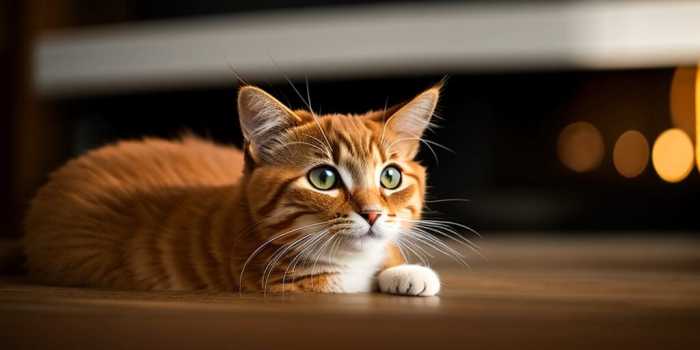
Tortoiseshell cats are equally captivating, though their appearance differs from calicos. Their coats are a mesmerizing blend of black and orange (or their dilute versions), without the significant white markings that define a calico.
- Defining Characteristics: Tortoiseshell cats display a mix of black and orange (or grey and cream) with little to no white. The colors are typically intermingled, creating a mottled or patched appearance.
- Patterns within the Tortoiseshell Category: Several patterns exist within the tortoiseshell category. Patched tortoiseshells have distinct, well-defined patches of orange and black. Tabby tortoiseshells (or torbies) exhibit tabby markings within the orange and black patches.
- Dilute Tortoiseshell Cats: Dilute tortoiseshell cats showcase a softer palette of grey and cream, resulting from the dilution gene.
| Tortoiseshell Type | Description | Common Colors | Distinguishing Feature |
|---|---|---|---|
| Patched | Distinct patches of orange and black | Black, Orange | Well-defined color separation |
| Tabby (Torbie) | Tortoiseshell with tabby markings | Black, Orange, Brown, Cream | Stripes or swirls within the patches |
| Dilute | Softer colors, grey and cream | Grey, Cream | Muted, pastel tones |
The “torbie” pattern is particularly intriguing. It combines the tortoiseshell’s mottled color mix with the classic tabby markings – stripes, swirls, or spots – within the orange and black patches. This creates a complex and visually rich coat pattern.
4. Sex-Linked Nature and Male Calicos/Tortoiseshells
The overwhelming majority of calico and tortoiseshell cats are female. This is directly linked to the X-chromosome linked nature of the genes responsible for their coat colors.
- Why Female Dominance: Female cats (XX) have two X chromosomes, allowing them to express both the orange (O Y) and black (O y) alleles, leading to the calico or tortoiseshell pattern. Male cats (XY) typically only have one X chromosome, so they can only express one of these alleles, resulting in either orange or black fur.
- Rare Male Calicos/Tortoiseshells: Male calicos and tortoiseshells are exceptionally rare. They arise from a genetic anomaly – Klinefelter syndrome – where the male cat has an extra X chromosome (XXY).
- Implications of XXY Chromosome: The XXY chromosome configuration in male calicos/tortoiseshells can lead to health complications, including reduced fertility and potential developmental issues.
- Physical Characteristics: Male calicos/tortoiseshells often have smaller testicles and may exhibit a more delicate build compared to typical male cats.
Potential health concerns more prevalent in male calicos/tortoiseshells include sterility, cognitive impairment, and increased susceptibility to certain cancers. Regular veterinary checkups are crucial for these unique felines.
5. Distinguishing Features
Calico vs. Tortoiseshell
While both calico and tortoiseshell cats boast striking color combinations, key differences distinguish them.
- Amount of White: Calico cats have a significant amount of white, while tortoiseshell cats have little to no white. This is the most obvious distinguishing factor.
- Distribution and Size of Patches: Calico cats typically have larger, more distinct patches of color, while tortoiseshell cats often have a more mottled or blended appearance.
- Influence of Tabby Markings: Tabby markings can influence the appearance of both calico and tortoiseshell cats, creating variations within each pattern.
Consider this flowchart: Is there a significant amount of white (more than 25%)? If yes, it’s likely a calico. Does the cat have a mottled mix of orange and black (or dilute versions) with little to no white? If yes, it’s a tortoiseshell. Are there tabby markings within the orange and black patches? If yes, it’s a torbie (either a torbie calico or a torbie tortoiseshell).
Differentiating between a patched tortoiseshell and a calico with minimal white can be tricky. Examine the patch definition; patched tortoiseshells have more distinct, separated patches, while calicos with minimal white may have a more blended appearance.
6. Breed Predisposition
Certain breeds are more commonly associated with calico or tortoiseshell patterns, although these patterns can technically occur in any breed.
- Common Breeds: Japanese Bobtails, American Shorthairs, Persians, and British Shorthairs frequently exhibit calico or tortoiseshell patterns.
- Why Breed Predisposition: This predisposition is often due to genetic factors within the breed’s gene pool, where the alleles responsible for these coat colors are more prevalent.
- Standard or Accepted Variations: In some breeds, such as the Japanese Bobtail, calico and tortoiseshell patterns are considered standard variations.
- Breed-Specific Manifestation: In the Japanese Bobtail, the calico or tortoiseshell pattern is often accompanied by the breed’s signature short, pom-pom tail. In American Shorthairs, the patterns tend to be more evenly distributed across the body.
| Breed | Typical Calico/Tortoiseshell Presentation |
|---|---|
| Japanese Bobtail | Often with a pom-pom tail; colors are vibrant and well-defined |
| American Shorthair | Evenly distributed colors; classic calico or tortoiseshell patterns |
| Persian | Long, flowing fur with a soft, muted calico or tortoiseshell appearance |
7. Cultural Significance and Symbolism
Calico and tortoiseshell cats hold significant cultural meaning in various societies, often associated with good fortune, feminine energy, and prosperity.
- Cultural Significance: Across different cultures, these cats are often viewed with reverence and respect.
- Folklore and Superstitions: Numerous folklore tales and superstitions surround calico and tortoiseshell cats. In some cultures, they are believed to bring good luck and ward off evil spirits.
- Symbolism: Calico and tortoiseshell cats are frequently associated with feminine energy, intuition, and independence. They are also seen as symbols of prosperity and good fortune.
“In Japan, calico cats, particularly those with a predominantly white coat and a single black spot on the forehead, are considered to be symbols of good luck and are believed to bring prosperity to the household. They are often kept as family treasures.”
The perceived personality traits of calico and tortoiseshell cats are also influenced by cultural beliefs. They are often described as independent, strong-willed, and affectionate, reflecting the symbolism of feminine strength and resilience.
8. Coat Color Genetics
Further Detail
The genetics of coat color in cats are incredibly complex, involving multiple genes that interact in intricate ways.
- Epistatic Genes: Epistatic genes can modify the expression of the O gene. For example, the E (extension) gene influences the distribution of black pigment, affecting the overall appearance of the coat.
- The A (Agouti) Gene: The A gene plays a crucial role in influencing the distribution of orange and black pigment. The agouti allele (A) results in a banded pattern (tabby), while the non-agouti allele (a) produces a solid color.
- Environmental Factors: Temperature can potentially affect coat color expression in some cat breeds, a phenomenon known as temperature-sensitive alleles.
The hierarchical relationship between different genes can be visualized as follows: The E gene influences the overall distribution of pigment, the O gene determines orange versus black, and the A gene dictates whether the pigment is banded (tabby) or solid. Rarely, chimerism – the presence of two genetically distinct cell populations within a single individual – can lead to unusual and striking coat color patterns, where different parts of the cat have different colors.
Ultimate Conclusion
From the intricacies of X-chromosome linked genes and X-inactivation to the cultural symbolism surrounding these gorgeous cats, we’ve explored a lot! Ultimately, both calico and tortoiseshell cats are a testament to the beautiful complexity of genetics and the sheer variety found within the feline world. Whether you’re a seasoned cat lover or just curious about these stunning patterns, hopefully, you now have a deeper appreciation for the science and beauty behind calico cats vs tortoiseshell.
So, next time you encounter a cat with a striking patchwork coat, you’ll know a little more about the amazing story hidden within their fur!
Essential FAQs
Why are most calico and tortoiseshell cats female?
The genes responsible for orange and black coat colors are located on the X chromosome. Females have two X chromosomes (XX), allowing for a combination of both colors. Males have one X and one Y chromosome (XY), so they typically only express one color.
What’s a “torbie” cat?
A torbie is a cat that exhibits both a tortoiseshell pattern
-and* tabby markings (stripes or swirls). It’s essentially a tortoiseshell cat with a tabby twist!
Can a male calico or tortoiseshell be fertile?
Male calicos and tortoiseshells are almost always sterile due to the genetic anomaly (XXY chromosome) that causes their unique coloring. This extra chromosome disrupts their reproductive system.
What are dilute calico and dilute tortoiseshell cats?
Dilute calicos and tortoiseshells have a softer color palette. Instead of black and orange, they display grey (blue) and cream colors. This is due to a recessive gene that dilutes the pigment.
Are there any health concerns specific to male calicos/tortoiseshells?
Due to the XXY chromosome, male calicos/tortoiseshells are at a higher risk for certain health issues, including tumors, cognitive dysfunction, and kidney problems. Regular vet checkups are crucial.
Which breeds are known for displaying calico or tortoiseshell patterns?
Several breeds commonly exhibit these patterns, including the Japanese Bobtail, American Shorthair, British Shorthair, and Turkish Van. However, they can appear in many different breeds.