Have you ever met a cat that just… stood out? Not in a bad way, but in a way that made you do a double-take? The feline world is full of surprises, and sometimes those surprises come in the form of unique, unusual, and wonderfully “odd looking” cats. This blog dives deep into what makes a cat look different, exploring the genetics, health conditions, and even cultural perceptions that shape our view of feline beauty.
We’ll unravel the science behind folded ears, explore rare coat patterns, and consider how a cat’s body shape and facial features contribute to its overall appearance. Beyond just aesthetics, we’ll also discuss the importance of responsible care and understanding for these special kitties, ensuring they live happy, healthy lives, regardless of how they look.
The Curious Case of Odd-Looking Cats
We all know the classic image of a cat: sleek, graceful, and undeniably feline. But what happens when a cat deviates from that norm? What defines an “odd-looking” cat, and why do some felines capture our attention with their unique appearances? This isn’t about judging beauty; it’s about exploring the fascinating world of feline genetics, health, and the cultural lenses through which we perceive these wonderful creatures.
Let’s dive in and unravel the mysteries behind those wonderfully unusual cats.
The perception of what constitutes an “odd-looking” cat is surprisingly complex. It’s a blend of genetics, health, and cultural norms. What might be considered a charming quirk in one part of the world could be viewed with suspicion or even concern in another. Ultimately, it’s about recognizing that diversity is beautiful, even in the feline kingdom.
Defining “Odd Looking” in Feline Appearance
Defining “odd-looking” is subjective, but it generally refers to physical traits that significantly differ from the typical domestic cat. This can range from minor cosmetic variations to more substantial deviations that might impact a cat’s health. It’s important to distinguish between a harmless quirk and a sign of an underlying medical condition. The spectrum is wide, and understanding the potential causes is key.
| Trait | Description | Severity | Potential Cause |
|---|---|---|---|
| Folded Ears | Ears that fold forward instead of standing erect. | Moderate | Genetic mutation (TRPV4 gene) |
| Curled Tail | A tail that curves or coils tightly. | Mild | Genetic mutation, sometimes idiopathic |
| Lack of Fur | Absence or significant reduction of fur. | Moderate to Severe | Genetic mutation (Sphynx breed) |
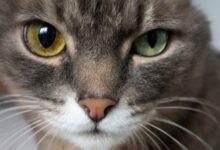
| Mismatched Eyes (Heterochromia) | Eyes of different colors. | Mild | Genetic variation, sometimes associated with other conditions |
| Dwarfism | Significantly smaller than average size. | Severe | Genetic mutation affecting bone growth |
| Brachycephaly | Flattened face and shortened muzzle. | Severe | Selective breeding (Persian, Exotic Shorthair breeds) |
Cultural perceptions play a significant role. In some cultures, a cat with a curled tail might be seen as lucky, while in others, it might be considered unusual. Similarly, coat patterns and colors that are common in one region might be rare in another. It’s crucial to remember that “odd” is a relative term.
A genetic anomaly is a mutation that alters a cat’s DNA, leading to a physical difference. A cosmetic variation, on the other hand, is a trait that doesn’t necessarily stem from a genetic mutation but might be influenced by environmental factors or minor variations in development. For example, a slight difference in ear shape might be a cosmetic variation, while a complete lack of fur is likely a genetic anomaly.
Genetic Factors Contributing to Unique Looks
Many of the unusual physical traits we see in cats are rooted in genetics. Specific genes control everything from ear shape to coat color. Understanding these genetic mechanisms helps us appreciate the diversity within the feline population. Common variations like folded ears, curled tails, and lack of fur are all the result of specific genetic mutations.
Certain breeds are renowned for their distinctive, and sometimes unusual, appearances. The Sphynx, with its lack of fur, the Scottish Fold, with its folded ears, and the Cornish Rex, with its wavy coat, are prime examples. These breeds showcase the power of selective breeding to amplify specific genetic traits.
The interplay of dominant and recessive genes is fascinating. A flowchart can illustrate this: Imagine a gene for ear folding. If a cat inherits one copy of the dominant “folded ear” gene and one copy of the recessive “straight ear” gene, it will have folded ears. However, if it inherits two copies of the recessive “straight ear” gene, it will have straight ears.
This simple principle explains how unexpected physical traits can appear in kittens, even when neither parent exhibits the trait.
Genetic mutations can also lead to unusual coat patterns or body structures. For instance, mutations in genes responsible for pigment production can result in unique color variations. Similarly, mutations affecting bone development can lead to dwarfism or other skeletal abnormalities.
Physical Conditions and Their Impact on Appearance

Source: catster.com
Sometimes, a cat’s unusual appearance isn’t due to genetics but to an underlying medical condition. Hydrocephalus (fluid buildup in the brain), dwarfism, and various skin diseases can all alter a cat’s appearance. It’s crucial to differentiate between a cosmetic quirk and a sign of illness.
Visible signs of common feline health problems can sometimes be mistaken for intentional aesthetic choices. For example, a cat with a swollen face might be assumed to have a unique facial structure, when in reality, it could be suffering from an infection or dental problem. Similarly, excessive shedding or skin lesions might be misinterpreted as a particular coat pattern.
| Condition | Observable Physical Change | Potential Treatment |
|---|---|---|
| Hydrocephalus | Enlarged head, unusual gait, seizures | Surgery (in some cases), supportive care |
| Dwarfism | Short limbs, small body size | No specific treatment, supportive care |
| Ringworm (skin disease) | Circular patches of hair loss, scaly skin | Antifungal medication |
Early diagnosis and treatment can often mitigate the impact of these conditions on a cat’s appearance and, more importantly, improve their overall health and well-being. Regular veterinary checkups are essential for all cats, especially those with unusual physical traits.
Coat Variations and Patterns Beyond the Usual
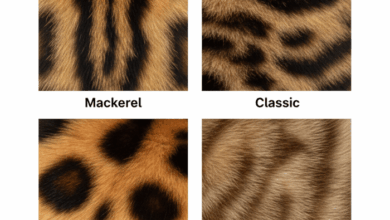
The world of feline coat colors and patterns is incredibly diverse. Beyond the standard tabby, black, and white variations, there’s a whole spectrum of unusual patterns and colors to discover. Brindle, ticked tabby, and colorpoint variations are just a few examples.
Environmental factors can also influence coat color and appearance. Sun exposure, for instance, can lighten the fur of some cats, creating a “faded” look. This is particularly noticeable in cats with darker coats.
- Brindle: A striped pattern within the base coat color, resembling the markings of a tiger or brindle dog. Genetically complex, often involving agouti gene variations.
- Ticked Tabby: Individual hairs have bands of different colors, creating a “salt and pepper” effect. Common in Abyssinians.
- Colorpoint: Darker coloration on the face, ears, paws, and tail, with a lighter body color. Associated with the Siamese and related breeds.
- Chimera: A cat with two distinct sets of DNA, resulting in patches of different colors or patterns.
Tabby patterns (classic, mackerel, spotted, ticked) can appear in unexpected combinations, creating truly unique and striking appearances. For example, a cat might have a classic tabby pattern on its body and a ticked tabby pattern on its face.
Facial Features and Head Shapes
Variations in skull shape and facial structure significantly contribute to a cat’s overall appearance. These differences can range from subtle nuances to dramatic departures from the norm.
Brachycephalic breeds, such as Persians and Exotic Shorthairs, are known for their flattened faces and shortened muzzles. While these features are considered endearing by many, they can also lead to various health concerns, including respiratory problems and eye issues.
Different feline head shapes can be categorized as follows: wedge-shaped (Siamese), round (British Shorthair), apple-shaped (Persian), and triangular (Abyssinian). Each shape contributes to a cat’s unique charm.
Specific facial features, such as large eyes, unusual ear placement, and prominent whiskers, can also make a cat stand out. These features, combined with variations in head shape, create a vast array of feline faces.
Body Proportions and Size Anomalies
Variations in limb length, body size, and overall proportions can dramatically affect a cat’s appearance. These differences can be subtle or quite striking, and they often have genetic roots.
Dwarf cats are characterized by their short limbs and small body size, while giant cats are significantly larger than average. Both conditions can be associated with health issues, such as skeletal problems and organ dysfunction.
| Breed | Average Limb Length (cm) | Average Body Length (cm) | Average Weight (kg) |
|---|---|---|---|
| Siamese | 15 | 35 | 4.5 |
| Maine Coon | 25 | 100 | 8-11 |
| Munchkin (Dwarf) | 8 | 30 | 2-3 |
A cat’s posture and gait are also influenced by its body structure. Cats with disproportionately short limbs might have a waddling gait, while those with unusually long limbs might appear more agile and graceful.
Illustrative Descriptions of “Odd Looking” Cats (Without Images)
Imagine a cat with mismatched eyes – one a vibrant emerald green, the other a striking sapphire blue. The contrast is captivating, drawing the eye and creating a mesmerizing effect. The green eye seems to hold a mischievous glint, while the blue eye exudes a sense of calm wisdom. This heterochromia adds an undeniable charm to the cat’s already unique appearance.
Picture a cat with a perpetually surprised expression. Its eyes are wide and round, its ears slightly tilted forward, and its mouth slightly open, as if it’s constantly witnessing something extraordinary. This expression might be due to a combination of factors, such as a slightly flattened face, unusually large eyes, and a specific muscle arrangement around the mouth.
Envision a cat with an unusually long tail, almost twice the length of its body. The tail sways gracefully as it walks, providing balance and adding a touch of elegance to its movements. However, the length also presents challenges, requiring the cat to navigate its environment with extra care to avoid getting the tail caught on objects.
She was a patchwork of peculiarities: one ear perpetually flopped, a tail that curled like a question mark, and a coat of mismatched colors – a splash of ginger here, a blotch of black there. But in her eyes, there was a quiet dignity, a sense of knowing that she was perfectly, wonderfully, herself. She wasn’t beautiful in the conventional sense, but she was captivating, unforgettable, and utterly loved.
The Social Perception of “Odd Looking” Cats
People react to cats that deviate from the typical feline appearance in various ways. Some are immediately drawn to their uniqueness, while others might feel hesitant or even uncomfortable. Understanding these reactions is important for promoting acceptance and appreciation of all cats.
There’s a potential for prejudice or misunderstanding towards cats with unusual looks. People might assume that these cats are unhealthy or have behavioral problems, simply because they look different. It’s crucial to challenge these assumptions and recognize that appearance doesn’t dictate personality or health.
Despite any potential prejudice, many “odd-looking” cats have become beloved pets and social media stars. Their unique appearances capture the hearts of people around the world, demonstrating that beauty comes in all shapes and sizes. These cats serve as ambassadors for feline diversity and acceptance.
Responsible breeding plays a vital role in minimizing the risk of genetic abnormalities that can lead to unusual appearances and health problems. Ethical breeders prioritize the health and well-being of their cats above all else, carefully selecting breeding pairs to avoid passing on undesirable traits.
Caring for Cats with Unique Physical Traits
Caring for cats with unusual physical traits often requires adapting care routines to accommodate their specific needs. For example, cats with mobility issues might benefit from ramps or steps to help them access elevated surfaces. Hairless breeds require special skin care to prevent dryness and irritation.
Regular veterinary checkups are particularly important for cats with genetic predispositions to health problems. Early detection and treatment can often prevent or mitigate the severity of these conditions.
Creating a comfortable and enriching environment is essential for all cats, but it’s especially important for those with unusual appearances. Providing plenty of toys, scratching posts, and cozy resting spots can help these cats thrive.
- Brachycephalic cats: Prone to respiratory problems; ensure a cool, well-ventilated environment and avoid strenuous exercise.
- Hairless cats: Require regular bathing and moisturizing to prevent skin dryness; protect from sun exposure.
- Cats with mobility issues: Provide ramps, steps, and soft bedding to ease movement and prevent injuries.
- Cats with sensitive eyes: Protect from bright sunlight and dust; clean eyes regularly.
Final Summary
From genetic quirks to unexpected health conditions, the world of “odd looking” cats is a fascinating blend of science, beauty, and acceptance. It’s a reminder that what we consider “normal” is often just a matter of perspective, and that true beauty lies in embracing individuality. Hopefully, this exploration has broadened your appreciation for the incredible diversity within the feline population and inspired you to celebrate the unique charm of every cat, no matter how they look.
Commonly Asked Questions
Why do some cats have folded ears?
Folded ears, like those seen in Scottish Folds, are caused by a dominant gene mutation that affects cartilage development. It’s important to note that this mutation can also lead to arthritis and other health problems, so responsible breeding is crucial.
Can a cat’s appearance be a sign of a health problem?
Absolutely! Conditions like hydrocephalus (fluid on the brain) and dwarfism can significantly alter a cat’s appearance. It’s always best to consult a vet if you notice any unusual changes.
What’s the difference between a genetic anomaly and a cosmetic variation?
A genetic anomaly is a change in the cat’s DNA that can affect health and function, like the cartilage issue in Scottish Folds. A cosmetic variation is purely aesthetic and doesn’t typically impact health, such as a unique coat pattern.
What are brindle and ticked tabby patterns?
Brindle is a striped pattern where the stripes are mixed with other colors, creating a “tweed” effect. Ticked tabby patterns lack distinct stripes and instead have hairs with bands of different colors, giving a salt-and-pepper appearance.
How can I best care for a cat with mobility issues?
Ramps, steps, and comfortable bedding can help cats with mobility problems. Elevated food and water bowls can also make mealtimes easier.
What is heterochromia in cats?
Heterochromia is a condition where a cat has different colored eyes. It’s often caused by genetics and is generally harmless.