Have you ever seen a cat without a tail? It’s a fascinating quirk found in a few special breeds, and it’s more than just a missing appendage. It’s a story of genetics, history, and unique adaptations that shape these cats’ lives. We’ll dive into the world of tailless cats, exploring their origins, health considerations, and the charming personalities that make them so special.
The absence of a tail isn’t always a recent phenomenon; it’s been around for centuries, often linked to isolated island populations and the natural selection of traits. Imagine a small island community where cats without tails were particularly adept at navigating tight spaces or hunting in specific environments – that could easily lead to the perpetuation of this trait over generations.

It’s a testament to how nature can shape even the most seemingly minor physical characteristics.
Introduction to Cat Breeds Lacking Tails
Have you ever noticed a cat without a tail, or with a very short one? It’s a fascinating quirk, and it’s more common than you might think! Several cat breeds naturally lack tails, and their unique appearance and sometimes, their behavior, make them truly special. This article will delve into the world of tailless cats, exploring their genetics, health considerations, and the charming personalities that make them so beloved.
The absence of a tail isn’t always a recent phenomenon. Historically, it’s believed that these traits arose from genetic mutations, likely occurring in isolated populations. Selective breeding, whether intentional or unintentional, then solidified these characteristics within specific breeds. The Isle of Man, for example, is the ancestral home of the most famous tailless cat, and its unique geography played a significant role in the breed’s development.
It’s a testament to how natural selection and human intervention can shape the evolution of a species.
I remember reading about a Manx cat named Pip who lived on a farm. He was incredibly agile, navigating hay bales and fences with ease, despite his lack of a tail. He seemed to use his powerful hind legs and core muscles to maintain balance, and his playful pounces were a sight to behold. It really highlighted how these cats adapt and thrive, proving that a tail isn’t essential for a happy and active life.
The Manx Cat: The Most Well-Known Example
The Genetics of Taillessness in Manx Cats
The defining characteristic of the Manx cat is, of course, its lack of a tail. This trait is caused by a dominant gene, often referred to as the “M” gene. However, it’s a bit more complex than a simple dominant/recessive relationship. The gene has several variations, leading to different tail lengths and potential health implications. A cat with at least one “M” gene copy (M or m+) will exhibit some degree of taillessness.
A cat with two copies (M/M) is often not viable and may be stillborn or die shortly after birth. The “m” gene represents the normal, non-tailless allele.
Different Tail Types in Manx Cats
It’s a common misconception that all Manx cats are completely tailless. In reality, there’s a spectrum of tail types, each with its own unique characteristics. These variations are a direct result of the different combinations of the “M” gene alleles. Understanding these tail types is crucial for breeders and owners alike, as they can indicate potential health risks.
Comparing Manx Tail Types
| Tail Type | Description |
|---|---|
| Rumpy | Completely tailless; no tail vertebrae. Often considered the “purest” Manx. |
| Stumpy | Has a short tail, typically 1-3 inches long, consisting of a few vertebrae. |
| Longy | Has a tail of moderate length, usually 4-10 inches long, with a more typical spinal structure. |
| Cymric | A longhaired Manx, with a tail that can vary in length but is generally longer than a stumpy tail. |
Other Breeds with Reduced or Absent Tails
Beyond the Manx: Other Tailless or Short-Tailed Breeds
While the Manx cat is the most well-known example, several other cat breeds occasionally exhibit taillessness or very short tails. The Japanese Bobtail and the Kurilian Bobtail are two prominent examples. These breeds offer a fascinating glimpse into how tail reduction can arise through different genetic pathways.
Genetic Factors in Other Breeds
Unlike the Manx, where the “M” gene is the primary driver of taillessness, the genetic factors in Japanese and Kurilian Bobtails are different. In the Japanese Bobtail, a recessive gene is responsible for the shortened tail, while in the Kurilian Bobtail, multiple genes are thought to contribute to the varying tail lengths. These differences highlight the complexity of genetics and how similar traits can arise through different mechanisms.
Visualizing a Japanese Bobtail
Imagine a cat with a sleek, muscular body, typically medium in size. Its most striking feature is its “pom-pom” tail – a short, fluffy tail that curves upwards like a plume. Japanese Bobtails come in a wide array of coat colors and patterns, including solid colors like black, white, and red, as well as striking patterns like calico and tabby.
Their eyes are large and expressive, often a vibrant gold or green, perfectly complementing their playful and intelligent demeanor. They often have a slightly longer face than other breeds, giving them a charming, almost fox-like appearance.
Health Considerations for Tailless Cats
Potential Spinal and Neurological Issues
The absence of a tail can, unfortunately, be associated with certain spinal and neurological issues, particularly in Manx cats. These issues are collectively known as Manx Syndrome and are caused by the incomplete closure of the spinal canal during development. The severity of Manx Syndrome can vary greatly, ranging from mild mobility problems to severe paralysis. It’s important to note that not all Manx cats develop Manx Syndrome, but the risk is higher than in cats with tails.
Responsible Breeding Practices
Minimizing the risk of Manx Syndrome requires responsible breeding practices. Ethical breeders carefully select breeding pairs to avoid passing on the homozygous “M/M” gene, which is often associated with the most severe forms of the condition. They also prioritize health testing and genetic screening to identify and avoid breeding cats with known spinal abnormalities.
Preventative Care Measures
- Regular Veterinary Checkups: Annual or bi-annual checkups are crucial for early detection of any potential health problems.
- Neurological Assessments: Veterinarians can perform neurological exams to assess the cat’s reflexes and coordination.
- Spinal Palpation: Regular palpation of the spine can help identify any abnormalities or pain.
- Controlled Exercise: Encourage moderate exercise to maintain muscle strength and mobility, but avoid activities that could put excessive strain on the spine.
- Proper Diet: A balanced diet is essential for overall health and can help support spinal health.
Physical Adaptations and Behavior
Impact on Balance, Agility, and Communication
The absence of a tail significantly impacts a cat’s balance, agility, and communication. The tail plays a vital role in maintaining equilibrium, especially during jumps and quick turns. Tailless cats compensate for this by relying more on their powerful hind legs and core muscles. They also use their ears and body posture to communicate, as they lack the expressive tail movements that cats with tails use.
Behavioral Differences
While tailless cats are generally just as playful and affectionate as cats with tails, some subtle behavioral differences have been observed. They may be slightly more cautious and deliberate in their movements, and they might rely more on vocalizations to communicate their needs and desires. However, these differences are often minimal and depend on the individual cat’s personality.
Navigating the World Without a Tail
Imagine a Manx cat playfully batting at a feather toy. Without a tail to counterbalance its movements, it might use its entire body to propel itself forward, resulting in a comical, almost wobbly, pounce. When navigating obstacles, it might pause briefly to assess its surroundings, using its keen senses to compensate for the lack of tail-assisted balance. It’s a testament to their adaptability and resilience.
Grooming and Care Specific to Tailless Cats
Grooming Tips for Tailless Cats
Grooming a tailless cat is generally similar to grooming any other cat, but there are a few areas that might require extra attention. The base of the spine, where a tail would normally be, can sometimes accumulate dirt or debris. Regular brushing helps prevent matting and keeps the coat healthy. Pay particular attention to the hindquarters and ensure the area around the spine is clean and free of any irritation.
Managing Litter Box Habits
Potential spinal issues in tailless cats can sometimes affect their ability to comfortably use a litter box. Providing a low-entry litter box can make it easier for them to get in and out. Regularly cleaning the litter box is also important to encourage good hygiene.
Daily Care Routine for a Manx Cat
Start the day with a small, high-quality meal. Follow with a short grooming session, focusing on the hindquarters and spine. Engage in at least 15-20 minutes of playtime with interactive toys. Throughout the day, monitor for any signs of discomfort or mobility issues. End the day with a final meal and a gentle petting session to reinforce the bond.
The History and Origin of the Manx Breed
Origins on the Isle of Man
The Manx cat’s story begins on the Isle of Man, a small island located in the Irish Sea between Great Britain and Ireland. The island’s isolated geography likely contributed to the development of the tailless trait. The limited gene pool on the island meant that any spontaneous mutations, like the taillessness gene, were more likely to be passed on to subsequent generations.
Historical Role in Island Life
For centuries, Manx cats have been an integral part of island life. They were highly valued as mousers, helping to protect grain stores and homes from rodent infestations. They also served as beloved companions, providing warmth and affection to islanders.
Early Breeding Practices
While the taillessness trait likely arose naturally, early islanders unknowingly contributed to its prevalence through selective breeding. They tended to favor cats that were good mousers and, incidentally, those with shorter or no tails. Over time, this led to the characteristic taillessness that defines the Manx breed today.
Manx Cat Appearance and Varieties
Physical Characteristics Beyond the Tail
Beyond its lack of a tail, the Manx cat is a striking breed with a unique appearance. They have a long, muscular body, a deep chest, and strong hind legs. Their head is round with a slightly flattened face and large, round eyes. Their ears are large and upright, giving them an alert and attentive expression.
Coat Colors and Patterns
Manx cats come in a wide variety of coat colors and patterns, including solid colors like black, white, and cream, as well as tabby, calico, and tortoiseshell patterns. Their coat is typically dense and double-layered, providing excellent insulation against the island’s often-harsh weather.
Manx Cat Coat Colors and Patterns
| Coat Color/Pattern | Description | Potential Genetic Influences |
|---|---|---|
| Black | Solid black coat. | Dominant black allele (B). |
| White | Solid white coat. | Dominant white allele (W), which masks other color genes. |
| Tabby | Striped or swirled pattern. | Agouti gene (A) and tabby patterns (M). |
| Calico | Tri-color pattern (white, black, and orange). | Sex-linked orange allele (O) and white spotting gene (S). |
Caring for a Tailless Kitten
Specific Needs of a Manx Kitten
Manx kittens require the same basic care as any other kitten, but there are a few specific considerations. They need a high-quality kitten food to support their rapid growth and development. Early socialization is crucial to ensure they develop into well-adjusted adult cats. Gentle handling and positive reinforcement can help build their confidence and trust.
Early Veterinary Care and Spinal Screening
Early veterinary care is particularly important for Manx kittens. Veterinarians can perform neurological exams and assess their spinal development to screen for potential issues. Regular checkups can help detect any problems early on, allowing for prompt treatment.
Socialization Guide
- Introduce to Different People: Expose your kitten to a variety of people, including children and adults.
- Introduce to Different Environments: Gradually introduce your kitten to different rooms in your house and, eventually, to safe outdoor spaces.
- Introduce to Other Pets: If you have other pets, introduce them slowly and under supervision.
- Provide Interactive Toys: Engage your kitten in playful activities to stimulate their mind and body.
- Positive Reinforcement: Reward good behavior with treats and praise.
The Cymric: A Longhaired Variation of the Manx
Origin of the Cymric
The Cymric is a relatively recent development in the Manx lineage. It emerged as a longhaired variety of the Manx cat, likely through spontaneous mutations or the introduction of longhaired breeds. The name “Cymric” is derived from “Cymru,” the Welsh name for Wales, reflecting the breed’s connection to the British Isles.
Differences Between Manx and Cymric
Source: saymedia-content.com
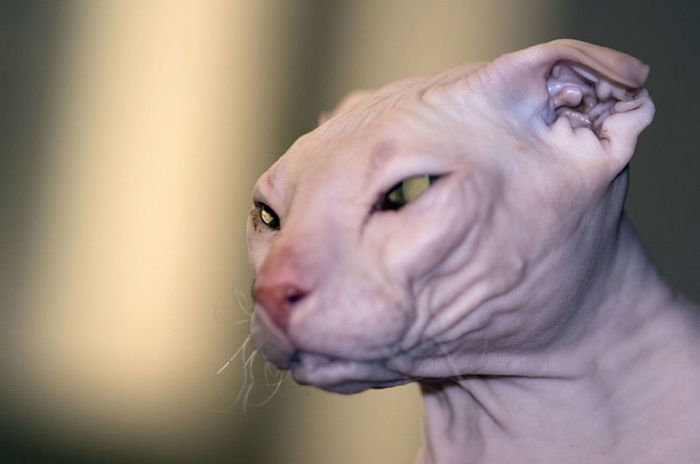
The primary difference between the Manx and Cymric is their coat length and texture. The Manx has a short, dense coat, while the Cymric has a long, flowing coat that is soft and silky. Both breeds share the same taillessness trait and overall body conformation.
Describing a Cymric Cat
Imagine a cat with a long, luxurious coat that cascades down its body like a waterfall. Its eyes are large and expressive, often a vibrant gold or green. The Cymric has a gentle and affectionate demeanor, making it a wonderful companion. Its long coat requires regular grooming to prevent matting, but the effort is well worth it for the beauty and charm of this unique breed.
They possess the same muscular build as the Manx, but their long fur gives them a softer, more elegant appearance.
End of Discussion
From the iconic Manx with its varying tail lengths to the equally charming Japanese Bobtail and Kurilian Bobtail, the world of tailless cats is full of surprises. Understanding the genetic factors, potential health concerns, and unique behaviors of these cats allows us to appreciate them even more. Whether you’re a seasoned cat lover or just curious about these unusual felines, hopefully, this exploration has shed some light on the wonderful world of cat breeds without a tail.
Ultimately, these cats demonstrate the incredible diversity within the feline world and the fascinating ways genetics and environment can intertwine to create truly unique individuals. Responsible breeding and attentive care are key to ensuring these special cats live long, happy, and healthy lives.
User Queries
Why do some cats lack tails?
It’s usually due to a genetic mutation, often passed down through generations. In breeds like the Manx, a specific gene is responsible for the taillessness, but other breeds have different genetic factors at play.
What is Manx Syndrome?
Manx Syndrome is a collection of spinal and neurological issues that can occur in Manx cats due to the tailless gene. It’s important for breeders to screen for this to minimize its occurrence.
Are tailless cats clumsy?
While they lack a tail for balance, tailless cats often adapt remarkably well. They may develop slightly different gaits and rely more on their hind legs for stability, but many are surprisingly agile.
Can a Cymric have a tail?
The Cymric is the longhaired version of the Manx, and while most are tailless, some can have a short, pom-pom-like tail.
What’s the best way to groom a Manx cat?
Regular brushing is important, especially for Cymrics. Pay extra attention to the spine area, as the altered anatomy can sometimes lead to skin issues.
Do tailless cats have different personalities?
While personality varies from cat to cat, some owners report that tailless cats can be particularly playful and affectionate, often forming strong bonds with their human companions.

