Ever noticed your cat limping or excessively licking their paws? It could be an ingrown claw, a surprisingly common issue that can cause significant discomfort. These claws, designed for climbing and hunting, can sometimes grow back into the paw pad, leading to pain, inflammation, and even infection. This guide will walk you through everything you need to know about cat ingrown claws – from recognizing the signs to exploring treatment options and, most importantly, preventing them in the future.
We’ll break down the science, the causes, and the practical steps you can take to keep your feline friend happy and pain-free.

The biological process of claw growth in cats is fascinating. Claws are made of keratin, the same material as our fingernails, and they grow continuously. Normally, the claw extends and wears down through scratching. However, when this natural wear doesn’t occur, or when the claw grows abnormally, it can curl back into the paw tissue. Different types exist – distal (at the tip), lateral (along the sides), and proximal (near the base) – each presenting unique visual characteristics.
Prevalence varies; certain breeds and age groups are more susceptible, and understanding these factors is key to proactive care.
Understanding Cat Ingrown Claws: Definition & Prevalence
Ingrown claws in cats, while not as commonly discussed as some other feline ailments, can be a source of significant discomfort and potential health problems. It’s a condition that many cat owners aren’t even aware of, but understanding the basics – how claws grow, what causes them to turn inward, and how common they are – is the first step in ensuring your cat’s paw health.Claws in cats are unique structures, constantly growing from a root within a protective sheath.
Normally, as a cat walks and scratches, the claw extends and retracts, and the tip wears down naturally. However, when this natural wear doesn’t occur, or when the claw grows at an unusual angle, it can dig into the surrounding tissue, leading to an ingrown claw. This deviation can be due to a variety of factors, which we’ll explore later.Ingrown claws are categorized based on their location on the paw.
Distal ingrown claws occur at the very tip of the claw, closest to the pad. Lateral ingrown claws are on the sides of the claw. Proximal ingrown claws are closer to the base of the claw, which are less common but often more painful. Visually, you might notice redness, swelling, and the claw appearing to be embedded within the paw pad.While precise statistics are difficult to obtain, veterinary studies suggest that ingrown claws affect approximately 5-10% of the cat population.
Certain breeds and age groups are more predisposed (more on that shortly). Older cats, particularly those with underlying health conditions, tend to be more susceptible.
| Type of Ingrown Claw | Location on Paw | Common Causes | Visual Description |
|---|---|---|---|
| Distal | Tip of the claw | Improper trimming, lack of wear | Claw visibly embedded in the paw pad, redness at the tip |
| Lateral | Side of the claw | Abnormal claw growth, trauma | Swelling and redness along the side of the claw, claw curving into the skin |
| Proximal | Base of the claw | Genetic predisposition, injury | Significant swelling and pain at the base of the claw, claw may be partially hidden |
Causes and Risk Factors
The development of ingrown claws isn’t usually a random occurrence. Several factors contribute, and understanding these can help you proactively prevent the problem. Improper grooming techniques are a significant culprit. Trimming claws too short, particularly cutting into the quick (the pink part of the claw containing blood vessels and nerves), can disrupt the natural growth pattern and increase the risk of ingrown claws.Genetics and breed predispositions also play a role.
Some breeds are simply more prone to claw abnormalities that make them more susceptible. Environmental factors, such as the type of flooring in your home, can also influence claw wear. Smooth surfaces like hardwood or tile don’t provide the same abrasive action as carpet or rougher materials, leading to less natural wear. Similarly, the availability and type of scratching posts can impact claw health.Here’s a list of cat breeds known to be more susceptible to ingrown claws, along with a brief explanation:
- Persian: Their long, thick fur can sometimes obscure claw abnormalities, delaying detection.
- Maine Coon: Their large size and sometimes unusual claw growth patterns can predispose them.
- Ragdoll: Similar to Persians, their long fur can make it harder to spot early signs.
- Siamese: Some Siamese cats have a tendency towards rapid claw growth.
- Scottish Fold: Their unique cartilage structure can sometimes affect claw development.
Recognizing the Signs & Symptoms
Source: kittyexpert.com
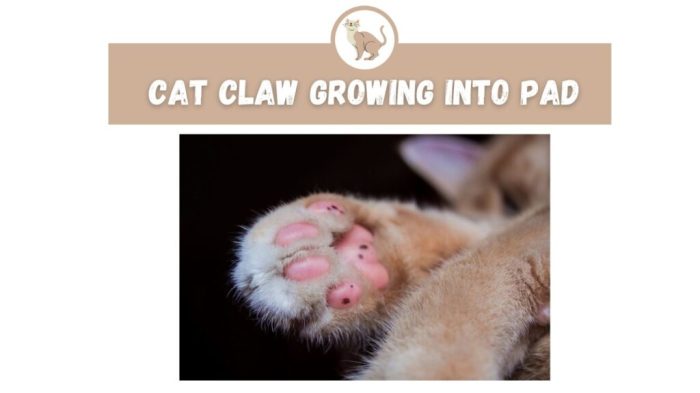
Early detection is key to managing ingrown claws effectively. Cats are masters at hiding pain, so it’s important to be observant. Behavioral changes are often the first clue. A cat might start limping, show reluctance to walk or jump, or spend more time grooming their paw than usual.If left untreated, the symptoms will progress. The affected area will become increasingly inflamed and painful.
You might notice your cat biting or licking at their paw excessively. Eventually, an infection can set in, characterized by pus, a foul odor, and further swelling. The claw itself will become visibly embedded in the skin, often appearing dark or discolored.Physically, look for redness, swelling, and discharge around the claw. Gently palpate (feel) the paw to check for tenderness.
A telltale sign is the visible claw digging into the skin, creating a painful and irritated area.Imagine a visual guide progressing through the stages:* Stage 1 (Early): A slight redness around the base of the claw, minimal swelling. The cat might lick the paw occasionally. Behaviorally, they might be slightly less active.
Stage 2 (Moderate)
Increased redness and swelling. The claw starts to visibly curve into the skin. The cat shows more obvious signs of discomfort, such as limping or avoiding putting weight on the paw.
Stage 3 (Advanced)
Significant swelling, inflammation, and pain. The claw is clearly embedded in the skin. Pus or discharge may be present. The cat is likely to be very distressed and may react defensively if you touch the paw.
Stage 4 (Severe)
The paw is extremely swollen and painful. The area is infected, with significant discharge and a foul odor. The cat may be unable to walk and may show signs of systemic illness (lethargy, loss of appetite).
Initial Home Care & Monitoring
If you suspect your cat has an ingrown claw, the first step is careful examination. Gently hold your cat and examine each paw, looking for signs of redness, swelling, or embedded claws. Use good lighting to get a clear view. Avoid pulling or forcing the claw, as this can cause further pain and injury.Keeping the affected paw clean and dry is crucial to prevent infection.
You can gently clean the area with a mild antiseptic solution (diluted povidone-iodine or chlorhexidine) and warm water. Pat the paw dry thoroughly after cleaning.Providing pain relief at home can offer some comfort, but
- always* consult with your veterinarian before administering any medication. Warm soaks (using warm, not hot, water) can help reduce inflammation and pain. Gentle massage around the paw (avoiding the affected area) can also be soothing.
- Never* attempt to remove the ingrown claw yourself, as this can cause further damage and infection.
| Home Care Step | Purpose | Frequency |
|---|---|---|
| Gentle Paw Examination | Identify early signs of ingrown claw | Daily |
| Cleaning with Antiseptic Solution | Prevent infection | 2-3 times daily |
| Warm Soaks | Reduce inflammation and pain | 2-3 times daily (for 10-15 minutes) |
Veterinary Diagnosis & Examination
A veterinarian will perform a thorough physical examination of your cat’s paw to confirm the diagnosis. They’ll assess the extent of the inflammation, pain, and any signs of infection. X-rays may be taken to rule out other underlying issues, such as fractures or foreign bodies embedded in the paw.It’s important to rule out other potential causes of paw discomfort, such as injuries (cuts, punctures), other infections (bacterial, fungal), or arthritis.
Providing your veterinarian with a detailed history of your cat’s symptoms, including when you first noticed the problem, any changes in behavior, and any potential injuries, is essential.The veterinarian will palpate the paw carefully, using their fingers to feel for the ingrown claw. They’ll gently press around the affected area to assess the level of pain and identify the exact location of the embedded claw.
This process requires a skilled and gentle touch to minimize discomfort for your cat.
Treatment Options: Conservative Approaches
The primary goal of conservative treatment is to remove the ingrown claw safely and manage any infection or pain. The veterinarian will carefully excise (remove) the ingrown portion of the claw using specialized instruments, such as small scissors or clippers. They’ll take care to avoid damaging the surrounding tissue.Topical medications, such as antibiotics (to combat infection) and anti-inflammatory creams (to reduce pain and swelling), are often prescribed.
Bandaging the paw after treatment is crucial to protect the healing tissue and prevent further infection. The bandage should be changed regularly, as instructed by your veterinarian.Here’s a flowchart outlining the steps involved in conservative treatment:
Step 1: Initial Assessment
Veterinarian examines the paw, assesses the severity of the ingrown claw, and rules out other potential causes.
Step 2: Claw Removal
The veterinarian carefully removes the ingrown portion of the claw under local anesthesia.
Step 3: Wound Cleaning & Medication
The area is thoroughly cleaned, and topical antibiotics and anti-inflammatory medications are applied.
Step 4: Bandaging
The paw is bandaged to protect the wound and promote healing.
Step 5: Follow-up Care
Regular bandage changes and monitoring for signs of infection or complications.
Treatment Options: Surgical Intervention
Surgical intervention, such as partial or complete claw removal (onychectomy), may be necessary in severe cases, or when conservative treatment fails. This is typically reserved for cats with chronic or recurrent ingrown claws, or those with significant underlying claw abnormalities.The procedure is performed under general anesthesia. For partial claw removal, the veterinarian removes only the affected portion of the claw.
For complete claw removal, the entire claw is removed. Post-operative care involves pain management, bandage changes, and monitoring for signs of infection.While surgical options can provide a permanent solution, they also carry potential risks, such as infection, bleeding, and nerve damage. Conservative approaches are generally preferred whenever possible, as they are less invasive and have a lower risk of complications.
| Treatment Option | Advantages | Disadvantages |
|---|---|---|
| Conservative (Claw Removal & Medication) | Less invasive, lower risk of complications, preserves claw | May not be effective for severe or recurrent cases, requires diligent home care |
| Surgical (Partial or Complete Claw Removal) | Permanent solution, eliminates risk of recurrence | More invasive, requires general anesthesia, potential for complications (infection, nerve damage), alters claw function |
Preventing Future Ingrown Claws
Prevention is always better than cure. Regular paw grooming and claw trimming are essential for maintaining healthy claw growth. When trimming, avoid cutting into the quick. If you’re unsure how to trim your cat’s claws properly, ask your veterinarian or a professional groomer for a demonstration.Providing appropriate scratching surfaces is also crucial. Scratching helps to naturally wear down the claws and prevent them from becoming overgrown.
Offer a variety of scratching posts – vertical, horizontal, and angled – to cater to your cat’s preferences.Diet and nutrition play a role in overall health, including claw health. A balanced diet rich in essential nutrients can contribute to strong and healthy claw growth.Here’s a checklist for cat owners to prevent ingrown claws:
- Weekly Claw Trimming: Trim claws regularly, avoiding the quick.
- Provide Scratching Posts: Offer a variety of scratching surfaces.
- Paw Inspections: Examine paws weekly for signs of redness, swelling, or embedded claws.
- Flooring Considerations: If you have smooth flooring, consider adding rugs or carpets to provide some abrasive surface for claw wear.
- Balanced Diet: Feed your cat a high-quality, balanced diet.
Complications & Potential Long-Term Effects
Untreated ingrown claws can lead to several complications. Chronic pain and lameness are common, significantly impacting your cat’s quality of life. If an infection spreads, it can lead to systemic illness, affecting other organs. In severe cases, permanent paw damage or deformity may occur.Long-term monitoring and follow-up care are essential after treatment to ensure proper healing and prevent recurrence. Regular paw examinations and claw trims are crucial.Here are signs indicating a complication has arisen, requiring immediate veterinary attention:
- Increased pain or swelling
- Pus or discharge from the paw
- Fever
- Lethargy
- Loss of appetite
- Difficulty walking
Pain Management Strategies
Managing pain is a critical aspect of treating ingrown claws. Your veterinarian may prescribe pain medications, such as non-steroidal anti-inflammatory drugs (NSAIDs) or opioids, depending on the severity of the pain. Alternative therapies, such as acupuncture or massage, may also be beneficial for some cats.Assessing pain levels is crucial. Cats often hide their pain, so it’s important to be observant of subtle changes in behavior, such as decreased activity, hiding, or changes in appetite.
Communicate these observations effectively to your veterinarian.
| Pain Management Method | Description | Potential Side Effects |
|---|---|---|
| NSAIDs (e.g., Meloxicam) | Reduce inflammation and pain | Gastrointestinal upset, liver or kidney problems (requires monitoring) |
| Opioids (e.g., Buprenorphine) | Strong pain relief | Sedation, constipation, respiratory depression |
| Warm Soaks | Reduce inflammation and provide comfort | None |
Last Point
From recognizing the subtle signs of discomfort to understanding the various treatment approaches, this exploration of cat ingrown claws has hopefully provided you with the knowledge and tools to safeguard your cat’s paw health. Remember, early detection and intervention are crucial to preventing complications and ensuring a speedy recovery. Regular paw checks, proper grooming, and a stimulating environment with appropriate scratching posts are your best defenses against this frustrating condition.
By staying informed and proactive, you can help your cat maintain a comfortable and active lifestyle, free from the pain of an ingrown claw.
Question Bank
Why are some cat breeds more prone to ingrown claws?
Certain breeds, like Persians and Maine Coons, have thicker fur around their paws, making it harder for claws to wear down naturally. Their claw curvature can also contribute to the problem.
Can I trim my cat’s claws myself to prevent ingrown claws?
Yes, but it’s crucial to learn the proper technique. Only trim the very tip of the claw, avoiding the “quick” (the pink part containing blood vessels and nerves). If you’re unsure, ask your vet or a groomer to show you.
What does a visual guide illustrating the different stages of an ingrown claw look like?
Imagine a series of drawings. Stage 1 shows slight redness around the claw base. Stage 2 displays swelling and a slightly embedded claw. Stage 3 reveals significant inflammation, pus, and a clearly visible claw digging into the paw pad. Stage 4 depicts a severely infected paw with significant pain and potential lameness.
My cat is limping, but I don’t see any obvious signs of an ingrown claw. What should I do?
Schedule a vet appointment! Paw discomfort can have many causes, and a professional examination is necessary to rule out other issues and get an accurate diagnosis.
Are there any natural remedies I can use to soothe my cat’s paw?
Warm soaks can help reduce inflammation and pain, but always consult your vet before using any home remedies, as some can be harmful.
What are the signs that my cat’s ingrown claw has become infected?
Look for pus, increased redness and swelling, a foul odor, and your cat excessively licking or biting at the paw.

