Ever noticed your cat limping or obsessively licking their paws? It could be an ingrown nail, a surprisingly common and often painful issue. These little problems can quickly escalate if left untreated, impacting your feline friend’s comfort and overall well-being. This guide dives deep into everything you need to know about cat nail ingrown – from understanding the anatomy of a cat’s claw to recognizing symptoms, exploring treatment options, and, most importantly, preventing them from happening in the first place.
We’ll break down the science, offer practical advice, and empower you to be the best paw-protector you can be!

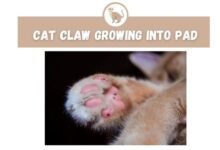
We’ll explore the underlying causes, from genetics and improper trimming to environmental factors, and provide a step-by-step approach to home care and when to seek professional veterinary help. Plus, we’ll cover essential nail trimming techniques and lifestyle adjustments to keep those claws healthy and happy, ensuring your cat enjoys a pain-free and active life.
Understanding and Addressing Ingrowing Cat Nails

Source: cattosgifts.com
Ingrown nails in cats, while not always a major emergency, can be a source of discomfort and potential complications if left untreated. It’s a surprisingly common issue, and understanding the basics of feline nail anatomy, recognizing the signs, and knowing how to prevent them is key to keeping your cat happy and healthy. This guide will walk you through everything you need to know about ingrown cat nails, from the underlying causes to effective treatment and prevention strategies.
Understanding Cat Nail Anatomy & Normal Growth
A cat’s claw isn’t like our fingernails. It’s a more complex structure, designed for climbing, hunting, and defense. The claw itself is made of keratin, the same material as our hair and nails. Beneath the claw lies the quick – a highly sensitive, vascularized area containing nerves and blood vessels. Cutting into the quick is painful and will cause bleeding.
The nail bed is the tissue that supports the claw, and surrounding tissues provide stability and protection.The typical growth cycle of a cat’s nails varies. Younger cats tend to have faster nail growth than older ones. Breed can also play a role – some breeds, like Bengals, are known for having particularly sharp and fast-growing claws. Activity level is also a factor; cats who spend more time scratching will naturally wear down their nails, slowing growth.
Regular trimming helps manage nail length and prevents issues.Healthy cat nails are generally smooth, slightly curved, and a consistent color (usually pink or black, depending on the cat’s pigmentation). They should be firmly attached to the toe and not show any signs of redness, swelling, or discharge.
| Feature | Description | Image Description (no link) |
|---|---|---|
| Color | Pink (for light-colored cats) or black (for dark-colored cats). Consistent color throughout the nail. | A close-up view of a cat’s paw showing a pink nail bed and a black claw, both appearing smooth and healthy. |
| Shape | Slightly curved, following the natural contour of the toe. | A side view of a cat’s paw demonstrating the gentle curve of the claw. |
| Texture | Smooth and slightly flexible. | A macro shot of a cat’s claw showing its smooth surface and slight pliability. |
Identifying Ingrowing Nails: Symptoms & Signs
Recognizing the signs of an ingrown nail early is crucial for prompt treatment. Cats experiencing an ingrown nail often exhibit behavioral changes, such as limping, excessive licking or chewing at the affected paw, vocalization (especially when the paw is touched), and a reluctance to move or put weight on the paw.Visually, an ingrown nail presents with redness and swelling around the base of the claw.
You might also notice discharge (pus or blood) and a noticeable pain response when the paw is gently touched. The nail itself may appear embedded in the skin or growing at an abnormal angle.To gently examine your cat’s paws, start by handling their paws frequently when they’re kittens to get them used to being touched. When checking for ingrown nails, gently spread the toes and examine the base of each claw.
Be mindful of your cat’s body language – if they seem stressed or uncomfortable, stop and try again later. Offer treats and praise to create a positive association.Here’s a breakdown of early versus late-stage symptoms:
- Early-Stage Symptoms: Mild redness, slight swelling, occasional licking, subtle limping, nail growing slightly inward.
- Late-Stage Symptoms: Significant redness and swelling, pus or blood discharge, pronounced limping, constant licking/chewing, pain response, potential for a visible abscess.
Causes of Ingrowing Cat Nails
Several factors can contribute to ingrown nails in cats. Genetics can play a role, with some cats being predisposed to abnormal nail growth. Improper trimming techniques, such as cutting the quick or trimming too short, are a common cause. Trauma to the paw, like a scratch or injury, can also damage the nail bed and lead to ingrown nails. Abnormal paw conformation, where the toes are unusually shaped or positioned, can also increase the risk.Long nail trimming intervals allow the quick to grow longer than the claw, increasing the likelihood of it becoming embedded in the skin.
Environmental factors, such as rough surfaces that can irritate the nail bed, can also contribute to the problem.Here’s a flowchart illustrating potential causes:[Flowchart Description: Start with “Ingrown Nail.” Branch 1: “Genetics” leads to “Predisposition to Abnormal Growth.” Branch 2: “Improper Trimming” leads to “Quick Exposure/Embedded Nail.” Branch 3: “Trauma” leads to “Damaged Nail Bed.” Branch 4: “Long Trimming Intervals” leads to “Quick Overgrowth.” Branch 5: “Environmental Factors” leads to “Irritated Nail Bed.” All branches converge back to “Ingrown Nail.”]
Initial Home Care & Monitoring
If you suspect your cat has an ingrown nail, the first step is to gently clean the affected area with warm water and a mild antiseptic solution. Preventing further trauma is also crucial – keep your cat indoors and avoid activities that might aggravate the paw.Creating a comfortable and supportive bandage can help protect the paw and prevent further irritation.
Use a soft, non-stick pad and wrap it loosely with gauze, ensuring it’s not too tight. Change the bandage daily, or more often if it becomes wet or soiled.Monitor your cat’s condition closely. Look for any signs of worsening redness, swelling, discharge, or pain. If the condition doesn’t improve within 24-48 hours, or if it worsens, seek veterinary attention.
| Action | Rationale |
|---|---|
| Clean the area | Removes bacteria and debris, reducing the risk of infection. |
| Apply a supportive bandage | Protects the paw from further trauma and helps keep the area clean. |
| Monitor for worsening signs | Allows for early detection of complications and prompt veterinary intervention. |
Veterinary Treatment Options
A veterinarian will typically perform a thorough physical examination to assess the severity of the ingrown nail. X-rays may be necessary to evaluate the underlying bone structure and rule out any fractures or other complications.Treatment options vary depending on the severity of the condition. Mild cases may be treated with nail trimming and topical antibiotics. More severe cases may require surgical removal of the ingrown portion of the nail.
In some instances, a permanent nail removal (partial or complete onychectomy) may be recommended.Each treatment option has its own risks and benefits. Nail trimming is generally safe but may not be effective for all cases. Antibiotics can help control infection but won’t address the underlying cause of the ingrown nail. Surgical removal is more invasive but can provide a permanent solution.The vet will carefully trim the ingrown portion of the nail, using specialized clippers to avoid causing further trauma.
They will then clean the area thoroughly and may apply a topical antiseptic or antibiotic. The cat may be given a local anesthetic to minimize discomfort.
Preventing Ingrowing Nails: Nail Trimming Techniques
Proper nail trimming is the cornerstone of ingrown nail prevention. Use sharp, high-quality clippers designed for cats. There are scissor-type clippers and guillotine-type clippers – choose the type you’re most comfortable with.The key is to identify the quick and avoid cutting it. Look for the pinkish area within the nail – this is the quick. Trim the nail just before the quick, leaving a small margin of safety.
If you accidentally cut the quick, it will bleed – have styptic powder on hand to stop the bleeding.Desensitizing your cat to nail trimming can make the process much easier. Start by handling their paws frequently without trimming. Gradually introduce the clippers, letting them sniff and investigate. Reward them with treats and praise throughout the process.
“The best way to prevent ingrown nails is to trim your cat’s nails regularly – ideally every 2-3 weeks. Don’t be afraid to ask your veterinarian or a groomer to show you the proper technique if you’re unsure.”Dr. Emily Carter, DVM
Preventing Ingrowing Nails: Environmental & Lifestyle Adjustments
Providing scratching posts and other appropriate outlets for scratching helps wear down the nails naturally, reducing the need for frequent trimming. Ensure the scratching posts are sturdy and placed in areas where your cat likes to spend time.Regular paw examinations are essential for early detection of any problems. Take a few minutes each week to check your cat’s paws for signs of redness, swelling, or ingrown nails.Diet and overall health also play a role in nail strength and growth.
A balanced diet rich in protein and essential nutrients can help maintain healthy nails.
| Adjustment | Benefit | Implementation |
|---|---|---|
| Provide scratching posts | Wears down nails naturally, reduces trimming frequency. | Offer a variety of scratching posts (cardboard, sisal, carpet) in different locations. |
| Regular paw examinations | Early detection of problems. | Check paws weekly for any signs of abnormalities. |
| Balanced diet | Promotes healthy nail growth. | Feed a high-quality cat food with adequate protein and nutrients. |
Complications of Untreated Ingrowing Nails
Untreated ingrown nails can lead to serious complications. Infection is a common concern, which can manifest as redness, swelling, pus, and pain. Abscess formation can occur if the infection spreads beneath the skin. Chronic pain is another potential consequence, which can significantly impact the cat’s quality of life.If the infection spreads beyond the paw, it can lead to systemic illness, affecting organs such as the kidneys and liver.Warning signs indicating a complication has developed include:
- Increased pain and swelling
- Fever
- Lethargy
- Loss of appetite
- Pus discharge
Different Types of Ingrowing Nail Presentations
Ingrown nails can occur on any toe, including the dewclaw (if present). The appearance of an ingrown nail can vary depending on the location. Toe ingrown nails often present with the nail curving inward and embedding in the skin. Dewclaw ingrown nails can be more challenging to detect as the dewclaw doesn’t typically touch the ground.Breed and age can also influence the severity and presentation.
Younger cats may have more flexible nails, making them more prone to ingrown nails. Certain breeds with thicker nails may be more susceptible.Trauma versus gradual growth also impacts the appearance. Trauma-induced ingrown nails often appear more sudden and severe, while gradual growth may be more subtle.
| Location | Typical Appearance | Common Causes | Treatment Considerations |
|---|---|---|---|
| Toe | Nail curving inward, embedded in skin, redness, swelling. | Improper trimming, trauma. | Nail trimming, antibiotics, potential surgery. |
| Dewclaw | Subtle swelling, pain response, nail growing abnormally. | Lack of wear, genetics. | Careful examination, nail trimming, potential surgery. |
| Trauma | Sudden onset, severe swelling, potential for infection. | Injury, scratch. | Immediate veterinary attention, antibiotics, pain management. |
| Gradual Growth | Slow progression, subtle signs, may go unnoticed for a while. | Improper trimming, genetics. | Regular paw examinations, preventative trimming. |
Post-Treatment Care & Rehabilitation
Following treatment, meticulous post-treatment care is essential for proper healing. Keep the paw clean and dry, following your veterinarian’s instructions for wound cleaning. Change bandages regularly, as directed. Pain management may be necessary, as prescribed by your veterinarian.Prevent your cat from licking or chewing at the affected paw, as this can introduce bacteria and delay healing. An Elizabethan collar (cone) may be necessary.Gradually reintroduce normal activity levels, avoiding strenuous exercise until the paw is fully healed.
- Do: Keep the paw clean and dry, administer medications as prescribed, monitor for signs of infection.
- Don’t: Allow the cat to lick or chew at the paw, over-exercise the paw, ignore signs of worsening condition.
Last Recap
Dealing with a cat nail ingrown can be stressful, but armed with the right knowledge, you can significantly improve your cat’s comfort and prevent future occurrences. From understanding the delicate anatomy of their claws to mastering proper trimming techniques and recognizing early warning signs, this guide provides a comprehensive roadmap to paw health. Remember, proactive care and attention to detail are key to keeping your feline companion happy, healthy, and free from the discomfort of ingrown nails.
Don’t hesitate to consult your veterinarian if you have any concerns – their expertise is invaluable in ensuring your cat receives the best possible care.
Detailed FAQs
Why do cat nails ingrow in the first place?
Several factors can contribute, including genetics, improper nail trimming (cutting too short), trauma to the paw, and even the shape of your cat’s paws. Long periods between trims also increase the risk.
How can I tell if my cat is in pain from an ingrown nail?
Look for signs like limping, excessive licking or chewing at the paw, vocalization (meowing or hissing when you touch the paw), and reluctance to put weight on the affected leg. They might also hide or become less playful.
Can I treat an ingrown nail at home?
Mild cases might respond to gentle cleaning with warm water and a mild antiseptic solution. However, it’s crucial to monitor closely and seek veterinary care if there’s redness, swelling, discharge, or if your cat seems to be in significant pain.
What’s the best way to trim my cat’s nails?
Use sharp, cat-specific clippers. Identify the quick (the pink part of the nail) and avoid cutting into it. Trim only the very tip of the nail, and reward your cat with treats and praise.
My cat hates having their nails trimmed – what can I do?
Desensitization is key! Start by just touching their paws, then gradually introduce the clippers. Reward them with treats and praise throughout the process. Short, frequent sessions are better than long, stressful ones.
Are dewclaws more prone to ingrown nails?
Yes, dewclaws (the “thumb” nails) are often more susceptible because they don’t wear down naturally through scratching and walking. Regular trimming is especially important for dewclaws.
What are the potential complications of an untreated ingrown nail?
Untreated ingrown nails can lead to infection, abscess formation, chronic pain, and in severe cases, even systemic illness if the infection spreads.

