It’s a surprisingly common problem: your feline friend develops an ingrown nail. While it might seem minor, an ingrown nail in a cat can cause significant discomfort and even lead to serious complications if left untreated. This guide dives deep into everything you need to know, from understanding feline nail anatomy to preventative measures and when to seek veterinary help.
We’ll explore the causes, recognize the signs, and Artikel treatment options, all to help you keep your cat’s paws happy and healthy.

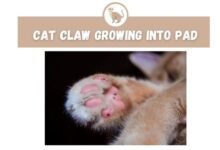
Understanding the unique way a cat’s nails grow, and how that differs from humans, is the first step. We’ll break down the anatomy, discuss environmental factors that can contribute to the problem, and look at common behaviors that might increase your cat’s risk. Proper nail trimming is key, and we’ll cover the best techniques to avoid accidentally causing an ingrown nail in the first place.
Ingrown Nails in Cats: A Comprehensive Guide for Owners
Dealing with a cat’s paw problems can be heartbreaking. Seeing your feline friend in discomfort is never easy, and ingrown nails are a surprisingly common issue that can cause significant pain and potential complications. This guide aims to provide you with a thorough understanding of ingrown nails in cats – from the underlying anatomy to prevention strategies – so you can keep your cat’s paws healthy and happy.
We’ll cover everything you need to know to recognize the signs, provide initial care, and when to seek professional veterinary help.The good news is that with proper knowledge and care, you can often manage or even prevent ingrown nails. Let’s dive in!
Understanding Feline Nail Anatomy & Growth
A cat’s claws aren’t like our fingernails. They’re more complex and have a unique growth pattern. Understanding this anatomy is key to preventing and addressing ingrown nails. The claw itself is a keratinized structure, meaning it’s made of the same material as our hair and nails. It’s housed within a protective sheath and extends when the cat flexes its toes.
The “quick” is the pink, fleshy part of the nail that contains blood vessels and nerves – it’s what hurts when you clip it too short. The tissues surrounding the quick are vital for healthy claw growth and retraction.Unlike human nails, which grow continuously, a cat’s claws have a cyclical growth pattern. They naturally shed, but this process can be disrupted, leading to problems.
When a cat scratches, it helps to shed the outer layer of the claw, but if this shedding doesn’t occur properly, the nail can become embedded in the paw.Here’s a breakdown of the key components:
| Anatomical Part | Description | Function | Relevance to Ingrown Nails |
|---|---|---|---|
| Claw | A hard, keratinized structure extending from the toe. | Grip, climbing, defense, marking territory. | Can become embedded in the paw if shedding is incomplete. |
| Quick | The pink, fleshy part of the nail containing blood vessels and nerves. | Provides nourishment and sensation to the claw. | Clipping too short can cause pain and bleeding, potentially leading to infection and ingrown nails. |
| Dermal Sheath | The protective covering around the claw. | Protects the claw when retracted. | Damage or irritation can disrupt the shedding process. |
| Corium | The tissue surrounding the claw. | Supports and nourishes the claw. | Inflammation or infection in this area can contribute to ingrown nails. |
Causes of Ingrown Nails in Cats
Several factors can contribute to a cat developing an ingrown nail. It’s rarely a single cause, but rather a combination of circumstances.Environmental factors play a role. The texture of litter box material can sometimes irritate the paws, and the type of scratching surface a cat uses can influence claw health. Rough or abrasive surfaces can damage the claws, making them more prone to ingrown issues.Improper nail trimming is a significant culprit.
Cutting the quick, even slightly, can cause inflammation and damage, increasing the risk of an ingrown nail. Trimming too short, or at an incorrect angle, can also disrupt the natural shedding process.Certain breeds may be predisposed to ingrown nails. While it’s not definitively proven, breeds with thicker or more tightly curved claws, such as Persians and Maine Coons, seem to experience them more frequently.
This is likely due to the claw structure itself.Finally, behavioral patterns can increase the risk. Cats that obsessively scratch at a particular spot, or those who spend a lot of time digging, may be more likely to develop ingrown nails due to repeated trauma to the claws.
Recognizing the Signs & Symptoms
Early detection is crucial for successful treatment. Ignoring the initial signs of an ingrown nail can lead to more serious complications. The symptoms can range from mild discomfort to severe pain and infection.The progression of symptoms typically follows a pattern. Initially, you might notice subtle changes in your cat’s behavior. If left untreated, these signs will worsen, potentially leading to significant pain and infection.
It’s important to differentiate an ingrown nail from other paw injuries, such as cuts or infections, to ensure proper treatment.Here’s a breakdown of the symptoms, categorized by severity:
- Early Signs:
- Limping or reluctance to put weight on the affected paw.
- Excessive licking or chewing at the paw.
- Slight redness around the base of the nail.
- A slightly abnormal angle of the nail.
- Moderate Signs:
- Increased swelling and redness around the nail.
- Pain when the paw is touched.
- The nail may appear embedded in the paw tissue.
- Possible discharge (clear or slightly cloudy).
- Severe Signs:
- Significant swelling and heat around the paw.
- Pus-filled discharge.
- Severe pain, potentially leading to aggression when the paw is handled.
- Lameness or inability to walk comfortably.
- Fever.
Initial Home Care & Monitoring
If you suspect your cat has an ingrown nail, initial home care can help prevent infection and provide some relief while you decide whether to seek veterinary attention.Gently examine your cat’s paws daily, looking for any signs of redness, swelling, or abnormal nail growth. Handle your cat with care and patience, as the paw may be painful. Keeping the affected paw clean is paramount.
Use a mild antiseptic solution (diluted povidone-iodine or chlorhexidine) to gently clean the area.Warm water soaks can help reduce inflammation and pain. Soak the paw in warm (not hot) water for 5-10 minutes, 2-3 times a day. This can also help soften the skin around the nail.Monitor the paw’s condition closely over a few days. Take photos to document any changes.
If the condition worsens, or if you notice any signs of infection (pus, fever), it’s essential to consult a veterinarian.Here’s a suggested monitoring schedule:
- Day 1: Initial examination and cleaning. Warm water soak.
- Day 2: Re-examine and clean. Warm water soak. Note any changes.
- Day 3: Re-examine and clean. Warm water soak. If no improvement, or if symptoms worsen, consult a vet.
Veterinary Intervention & Treatment Options
While initial home care can be helpful, veterinary intervention is often necessary for ingrown nails, especially if the condition is advanced or infected.A veterinarian will perform a thorough examination of the paw, assessing the severity of the ingrown nail and looking for signs of infection. They may also take X-rays to rule out any underlying bone or joint problems.Treatment options vary depending on the severity of the condition.
Mild cases may be treated with nail trimming, antibiotics (if infection is present), and pain medication. More severe cases may require surgical intervention, such as partial or complete nail removal.
| Treatment Method | Procedure Description | Potential Risks/Benefits |
|---|---|---|
| Nail Trimming | Careful trimming of the ingrown nail to remove the portion that is embedded in the paw tissue. | Benefits: Relatively simple and inexpensive. Risks: Potential for bleeding, pain, and infection if not performed correctly. |
| Antibiotics | Oral or injectable antibiotics to treat any existing infection. | Benefits: Controls infection and prevents it from spreading. Risks: Potential for antibiotic resistance, gastrointestinal upset. |
| Surgical Nail Removal (Partial or Complete) | Removal of a portion or the entire nail under anesthesia. | Benefits: Permanent solution for recurrent ingrown nails. Risks: Anesthesia risks, potential for infection, altered claw growth. |
Nail Trimming Techniques for Prevention
Regular nail trimming is the best way to prevent ingrown nails. Proper technique is crucial to avoid injuring your cat.The key is to avoid the quick. Trim only the tips of the nails, leaving a generous margin of safety. If you’re unsure, it’s better to trim less than too much. Use sharp, high-quality nail clippers.There are two main types of nail clippers: guillotine and scissor-style.
Guillotine clippers are generally considered easier to use, but scissor-style clippers offer more control.Desensitizing your cat to nail trimming can make the process much less stressful for both of you. Start by simply handling your cat’s paws regularly, rewarding them with treats and praise. Gradually introduce the clippers, letting your cat sniff and investigate them. Then, start trimming just one or two nails at a time.
Safe and Effective Nail Trimming:
- Choose a quiet time when your cat is relaxed.
- Gently hold your cat’s paw.
- Extend the claw.
- Trim only the tip of the nail, avoiding the quick.
- If you accidentally cut the quick, apply styptic powder to stop the bleeding.
- Reward your cat with a treat and praise.
Litter Box & Scratching Post Considerations
The environment your cat lives in can significantly impact their paw health.Litter box design and cleanliness are important. Avoid litters that are overly abrasive or dusty, as these can irritate the paws. Regularly cleaning the litter box helps prevent bacterial and fungal infections.Scratching posts are essential for cats to maintain their claws and mark their territory. Choose scratching posts that are tall, sturdy, and made of a variety of materials (sisal, cardboard, carpet).
Vertical posts are generally preferred, as they allow cats to stretch and scratch fully.Encourage your cat to use scratching posts by placing them in prominent locations and rewarding them when they do. You can also sprinkle catnip on the posts to make them more appealing.Recommended materials: Sisal rope, corrugated cardboard, natural wood.
Complications & Potential Long-Term Effects
Untreated ingrown nails can lead to serious complications.Potential complications include infection, abscesses (collections of pus), and chronic pain. The infection can spread to the bone, requiring more aggressive treatment. Chronic pain can lead to lameness or altered gait.Even after treatment, the condition can recur, especially if the underlying cause is not addressed.Managing chronic pain may involve pain medication, physical therapy, and environmental modifications.
Illustrative Descriptions
Imagine a cat paw with a mild ingrown nail. You’d notice a slight redness and swelling around the base of the nail, with the nail appearing to curve slightly inward. The cat might be licking at the paw occasionally, but otherwise seems relatively comfortable.Now picture a severely infected ingrown nail. The paw would be significantly swollen and hot to the touch.
There would be a noticeable amount of pus draining from the area, and the cat would be in obvious pain, likely flinching or hissing when the paw is touched.After surgical removal of a portion of the nail, the paw would have a small, clean wound. The healing process would involve gradual tissue regeneration, with a bandage typically applied to protect the area.
Over several weeks, the wound would close, and the paw would return to its normal appearance.A healthy cat paw exhibits properly aligned nails of appropriate length, with no signs of redness, swelling, or abnormal growth. The nails should be blunt and smooth, with a healthy pink quick visible when the claw is extended.
Preventing Recurrence: Long-Term Management
Preventing recurrence is an ongoing process that requires a proactive approach.Regular nail trims are the cornerstone of prevention. Aim to trim your cat’s nails every 2-3 weeks.Environmental modifications can also help minimize risk factors. Provide plenty of scratching posts and ensure the litter box is clean and comfortable.Addressing behavioral issues that contribute to ingrown nails is also important. If your cat is obsessively scratching at a particular spot, try to identify the underlying cause and redirect their behavior.Here’s a checklist for maintaining paw health and preventing recurrence:
- Trim nails every 2-3 weeks.
- Provide multiple scratching posts.
- Keep the litter box clean.
- Inspect paws regularly for any signs of problems.
- Address any behavioral issues that contribute to ingrown nails.
Closure

Source: wixstatic.com
From recognizing the early signs of redness and swelling to understanding the potential for long-term complications like chronic pain and lameness, this guide provides a comprehensive overview of ingrown nails in cats. Regular nail trims, a well-designed litter box, and appropriate scratching posts are your best defenses. By being proactive and attentive to your cat’s paw health, you can significantly reduce the risk of this painful condition and ensure your furry companion enjoys a comfortable and active life.
Remember, if you suspect your cat has an ingrown nail, don’t hesitate to consult your veterinarian. Early intervention is crucial for a positive outcome and to prevent further discomfort for your beloved pet.
Top FAQs
Why do cats get ingrown nails?
Several factors can contribute, including improper nail trimming, litter box issues, certain scratching habits, and even breed predispositions. It’s often a combination of these elements.
Can I treat an ingrown nail at home?
Mild cases might respond to warm water soaks and careful cleaning, but it’s crucial to monitor closely. Any signs of infection (pus, swelling, heat) warrant a vet visit.
How often should I trim my cat’s nails?
Generally, every 2-3 weeks is a good guideline, but it depends on your cat’s activity level and nail growth rate. Regular trims prevent the quick from growing too long.
What’s the “quick” and why is it important?
The quick is the pink part of the nail containing blood vessels and nerves. Cutting into it is painful and can cause bleeding. Always avoid trimming past the quick.
My cat hates getting their nails trimmed! What can I do?
Desensitization is key. Start by just touching their paws, then gradually introduce the clippers. Reward them with treats and praise. Short, frequent sessions are better than long, stressful ones.
Are there specific litter box materials that are better for nail health?
Softer litters like paper-based or wood pellets are generally gentler on nails than clay litters, which can be abrasive.
What kind of scratching post is best?
A sturdy, tall scratching post (ideally vertical) that allows your cat to fully stretch is ideal. Sisal rope is a popular and durable texture.

