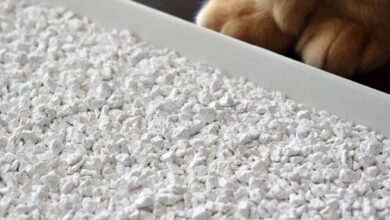
Let’s face it, cat ownership is wonderful, but the scattered litter? Not so much. If you’re tired of finding tiny granules tracked across your floors, you’re in the right place! This guide dives deep into the world of “non-tracking” cat litter, exploring different materials, clever litter box setups, and even some innovative new technologies designed to keep your home cleaner and your cat happy.
We’ll cover everything from wood pellets to crystal litter, helping you find the perfect solution for your feline friend and your peace of mind.



We’ll break down the science behind why some litters track more than others, compare the pros and cons of various options, and offer practical tips for minimizing litter spread. Whether you’re dealing with a long-haired cat, a multi-cat household, or just want to simplify your cleaning routine, this is your one-stop resource for a less-littered home.
Understanding “Non-Tracking” Cat Litter

Source: welovecatsandkittens.com
Keeping your home clean while catering to your feline friend can feel like a constant battle. Litter tracking – those tiny granules scattered across your floors – is a common complaint among cat owners. “Non-tracking” litter aims to solve this problem, promising less mess and a cleaner home. But what exactlyis* non-tracking litter, and how does it work? This guide will delve into the world of low-tracking litters, exploring different types, their science, and how to choose the best option for you and your cat.The desire for a non-tracking litter is simple: fewer stray granules means less vacuuming, less sweeping, and a generally tidier living space.
It’s a win-win for both you and your cat, as a cleaner environment can contribute to their overall well-being. Several litter types are known for their minimal tracking abilities, each with its own unique properties and benefits. We’ll be focusing on wood, paper, crystal, and tofu litters, as these are consistently cited as good options for reducing tracking.The key to understanding why some litters track less than others lies in their physical properties.
Particle size, shape, and density all play a crucial role. Smaller, rounder, and denser particles are less likely to cling to your cat’s fur and paws, minimizing the spread of litter around the house. Larger, irregularly shaped, and lighter particles tend to track more easily.
| Litter Type | Tracking Level (1-5) | Pros/Cons |
|---|---|---|
| Wood (Pine, Cedar) | 2-3 | Pros: Natural, good odor control, often biodegradable. Cons: Some cats dislike the scent, can be dusty. |
| Paper | 1-2 | Pros: Very low tracking, lightweight, dust-free. Cons: Can be less effective at odor control, may not clump as well. |
| Crystal (Silica Gel) | 1-3 | Pros: Excellent odor control, low dust, absorbent. Cons: Can be expensive, some cats dislike the texture. |
| Tofu | 2-3 | Pros: Biodegradable, clumping, low dust. Cons: Can be more expensive than clay litter, odor control can vary. |
Material Composition & Tracking Properties
Wood-based non-tracking litters come in various forms, primarily utilizing pine, cedar, and reclaimed wood. Pine offers a fresh, natural scent and is often preferred for its lower dust levels compared to cedar. Cedar, while also naturally fragrant, can be more irritating to cats with respiratory sensitivities. Reclaimed wood litters are an eco-friendly option, utilizing recycled wood fibers. The density of wood granules, particularly larger pellet forms, significantly reduces tracking as they are less likely to stick to fur.Paper-based litters are typically made from recycled paper, often newspaper or cardboard.
The manufacturing process focuses on creating larger pellet sizes and longer fiber lengths. This minimizes the number of small particles that can track, and the lightweight nature of paper also contributes to reduced tracking. Pellet size is crucial; smaller pellets will track more than larger ones.Crystal litter, also known as silica gel litter, is unique in its structure. It’s not made from organic materials but from silica gel beads.
These beads are porous, allowing them to absorb a significant amount of liquid and odor. The shape of the crystals – typically spherical or slightly irregular – contributes to their low-tracking properties. They don’t cling to fur as easily as smaller, more irregular particles.Tofu litter is a relatively newer option, gaining popularity for its biodegradability and clumping ability. It’s made from the starches left over from tofu production.
The granules are generally larger than clay litter and have a softer texture, which can be appealing to cats. Its composition, being primarily plant-based, results in low dust and reduced tracking compared to traditional clay litters.Imagine a magnified view of crystal litter granules. They appear as tiny, translucent spheres, some slightly flattened or irregular. The surface is smooth and almost glassy, with minimal texture.
This smooth surface is key to their low-tracking ability, as it prevents them from easily adhering to fur or paws. The spaces between the granules allow for excellent airflow, contributing to odor control and quick drying.
Litter Box Design & Tracking Mitigation
Even the best non-tracking litter can still result in some tracking. The design of your litter box and the surrounding area plays a significant role in minimizing litter spread. Here are three litter box modifications to consider:
1. High-Sided Boxes
These boxes have taller walls, preventing cats from kicking litter out while digging. The higher sides also contain any litter that does get kicked, keeping it within the box. While effective, ensure the sides aren’ttoo* high, as this could deter some cats from using the box.
2. Enclosed Boxes
Enclosed litter boxes offer a more private space for your cat and can significantly reduce tracking. The enclosed design traps litter within the box, preventing it from scattering. However, ventilation can be a concern with enclosed boxes, so ensure adequate airflow to prevent odor buildup.
3. Litter Box Mats
Placing a mat in front of the litter box is a simple yet effective way to catch litter that does get tracked out.Different types of litter mats offer varying degrees of effectiveness. Rubber mats are durable and easy to clean, but can sometimes allow litter to pass through. Silicone mats are more flexible and can conform to the shape of the litter box, trapping more litter.
Carpeted mats are the most effective at trapping litter, but can be more difficult to clean and may harbor odors.Enclosed litter boxes, while beneficial for tracking, present a trade-off with ventilation. The enclosed space can trap odors if not properly ventilated. Look for boxes with vents or consider leaving the top partially open to improve airflow. Regular cleaning is also essential to prevent odor buildup.To minimize litter spread throughout your home, consider these best practices:
- Place the litter box in a low-traffic area.
- Avoid placing the litter box near doorways or areas where people frequently walk.
- Use a litter mat in front of the litter box.
- Regularly clean the litter box and the surrounding area.
- Consider using a litter box liner to contain litter.
- Vacuum or sweep frequently to remove any tracked litter.
Comparing Non-Tracking Litter Types
While tracking is a primary concern, it’s important to consider other factors when choosing a cat litter. Let’s compare wood, paper, crystal, and tofu litters based on odor control, clumping ability, cost, and environmental impact.
| Feature | Wood | Paper | Crystal | Tofu |
|---|---|---|---|---|
| Odor Control | Good (especially pine) | Fair | Excellent | Good (can vary) |
| Clumping Ability | Fair to Good | Poor | None | Good |
| Cost | Moderate | Low | High | Moderate to High |
| Environmental Impact | Generally good (biodegradable) | Good (recycled paper) | Poor (silica gel is not biodegradable) | Excellent (biodegradable) |
The suitability of each litter type depends on your cat’s personality and your litter box setup. Cats who prefer digging may dislike the texture of crystal litter. Multi-cat households may benefit from the excellent odor control of crystal litter. For environmentally conscious owners, wood or tofu litter are excellent choices.Environmentally, wood and tofu litters stand out due to their biodegradability.
Paper litter utilizes recycled materials, reducing waste. Crystal litter, however, poses an environmental concern as it’s not biodegradable and its production can be energy-intensive. Proper waste disposal is crucial for all litter types, but composting wood and tofu litter is a sustainable option where available.
Addressing Specific Tracking Challenges
Certain scenarios exacerbate litter tracking. Long-haired cats are notorious for carrying litter on their fur, while multiple cats can significantly increase the amount of litter tracked. High-traffic areas around the litter box also contribute to the problem.Minimizing tracking with long-haired cats involves regular grooming. Brushing your cat daily can remove loose fur and any attached litter particles. Paw cleaning after each litter box visit can also help.
A damp cloth or pet wipes can effectively remove litter from their paws.Managing litter tracking in multi-cat households requires a strategic approach. Providing multiple litter boxes – ideally one more than the number of cats – can reduce competition and encourage cats to use the box properly. Strategic placement of litter boxes, away from high-traffic areas, can also minimize tracking.Here’s a step-by-step guide for cleaning up litter tracked outside the litter box:
- Gather your supplies: a vacuum cleaner, a broom and dustpan, or a handheld pet hair remover.
- Start by vacuuming the area thoroughly.
- Use a broom and dustpan to sweep up any remaining litter.
- For stubborn litter particles, use a handheld pet hair remover.
- Wipe down hard surfaces with a damp cloth.
- Consider using a rubber glove to pick up small litter particles.
Advanced Litter Technologies & Innovations
The quest for a truly non-tracking litter continues to drive innovation in the pet industry. Self-cleaning litter boxes with specialized litter are gaining popularity, offering a convenient and potentially low-tracking solution. These boxes automatically scoop waste and often utilize litters designed to minimize dust and tracking.Self-cleaning litter boxes offer convenience and can reduce tracking, but they also come with drawbacks.
They can be expensive, require electricity, and may not be suitable for all cats. Some cats are intimidated by the noise and movement of the box. Regular maintenance, including cleaning the box and replacing the litter, is still necessary.”Dust-free” litter is another emerging trend. These litters are formulated to minimize dust production, which not only reduces respiratory irritation for cats and owners but also contributes to less tracking.
Dust particles readily cling to fur and paws, so reducing dust significantly reduces tracking.”Imagine a future where litter tracking is a distant memory. Nanotechnology is integrated into the litter granules, creating a self-contained system. Each granule is coated with a microscopic, electrostatic charge that repels other particles and prevents them from clinging to fur or paws. The litter itself is biodegradable and changes color to indicate when it needs to be replaced.
The entire system is seamlessly integrated into a smart litter box that monitors your cat’s health and automatically orders refills when needed.”
Cost Considerations & Value Assessment
The cost of non-tracking cat litter varies significantly depending on the type. Wood litter typically costs around $20-30 per bag, while paper litter is generally the most affordable, costing around $15-25 per bag. Crystal litter is the most expensive, with bags ranging from $30-50. Tofu litter falls somewhere in between, costing around $25-40 per bag.Several factors influence the overall cost of cat litter.
The frequency of changes, litter box size, and your cat’s litter usage all play a role. Cats who use the litter box frequently will require more litter and more frequent changes.To save money on non-tracking cat litter, consider buying in bulk, using a larger litter box to reduce the frequency of changes, and scooping the litter box daily to remove waste.
Look for sales and discounts, and consider trying different brands to find the most cost-effective option.
| Litter Type | Estimated Monthly Cost |
|---|---|
| Wood | $25 – $45 |
| Paper | $15 – $30 |
| Crystal | $40 – $70 |
| Tofu | $30 – $60 |
User Experiences & Reviews
Many cat owners report positive experiences with non-tracking litters, praising their effectiveness in reducing litter spread and keeping their homes cleaner. They appreciate the convenience of less frequent vacuuming and sweeping. The reduced dust levels are also a common benefit, particularly for owners with allergies.However, some cat owners have reported negative experiences. Some cats dislike the texture or scent of certain non-tracking litters, leading to litter box avoidance.
Others find that some litters don’t control odor as effectively as traditional clay litter.Interpreting user reviews requires a critical eye. Look for reviews from verified purchasers and pay attention to the overall rating and the number of reviews. Be wary of reviews that are overly positive or negative, as they may be biased. Consider the reviewer’s cat’s personality and litter box setup, as these factors can influence their experience.Based on user feedback, here’s a summary of the most frequently mentioned pros and cons of each non-tracking litter type:
- Wood: Pros: Natural scent, good odor control. Cons: Some cats dislike the scent, can be dusty.
- Paper: Pros: Very low tracking, dust-free. Cons: Less effective odor control, may not clump well.
- Crystal: Pros: Excellent odor control, low dust. Cons: Expensive, some cats dislike the texture.
- Tofu: Pros: Biodegradable, clumping, low dust. Cons: Can be more expensive, odor control can vary.
Ending Remarks
Ultimately, choosing the right cat litter is about finding a balance between your cat’s preferences, your budget, and your desire for a clean home. From understanding the different material compositions to implementing smart litter box strategies, there’s a lot you can do to minimize tracking. By exploring the options we’ve discussed – from innovative litter types to clever box modifications – you can create a comfortable and hygienic environment for your cat while significantly reducing the amount of litter that ends up outside the box.
Happy cleaning!
Don’t be afraid to experiment and see what works best for your unique situation. A little research and a few adjustments can make a big difference in keeping your home litter-free and your cat content.
Top FAQs
Why is some cat litter more prone to tracking than others?
It’s all about particle size, shape, and density. Smaller, rounder, and lighter particles are more likely to stick to fur and paws, while larger, more angular, and heavier particles tend to stay put.
Can I use a regular litter box with non-tracking litter?
Yes, but modifications like high sides or a litter mat can significantly improve tracking control, even with non-tracking litters.
Are self-cleaning litter boxes truly effective at reducing tracking?
They can be, especially those designed with specialized litter and enclosed systems. However, maintenance is still required to prevent tracking from the scooping process.
What’s the best way to clean up litter that has already been tracked?
A good quality vacuum with a HEPA filter is your best bet. Rubber gloves and a dustpan are also helpful for larger pieces. Regular sweeping can also help.
Is tofu litter safe for all cats?
Generally, yes. It’s made from natural ingredients and is considered a safe and gentle option. However, always monitor your cat for any adverse reactions when introducing a new litter.
How does “dust-free” litter relate to tracking?
Dust-free litters tend to track less because the dust particles contribute significantly to the litter sticking to fur and paws. Reducing dust also improves air quality.