There’s something undeniably charming about a cat with a uniquely textured coat – and the world of curly coated cat breeds offers just that! These fascinating felines boast a range of adorable curls, from gentle waves to tight spirals, making them stand out from the crowd. But their unique appearance is just the beginning; each breed has a rich history, distinct personality, and specific care requirements.
Let’s dive into the captivating world of American Curls, Devon Rexes, and Cornish Rexes, uncovering the secrets behind their delightful fur and endearing quirks.

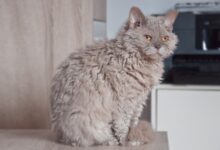
The story of these breeds is a testament to the wonders of genetics and the dedication of breeders. From accidental mutations to carefully cultivated lineages, the development of these curly-coated companions is a fascinating journey. Understanding their origins helps us appreciate the unique characteristics that make them so special and allows us to provide the best possible care for these extraordinary cats.
Introduction to Curly Coated Cat Breeds
The feline world is full of surprises, and among the most captivating are the curly coated cat breeds. These aren’t your average fluffy companions; their unique fur texture sets them apart, sparking curiosity and admiration. This article delves into the fascinating world of these breeds, exploring their origins, characteristics, and what makes them such beloved pets.
The development of curly coats in cats is a relatively recent phenomenon, with the first documented cases appearing in the 20th century. While spontaneous mutations have occurred throughout history, the breeds we recognize today are largely the result of selective breeding programs. The exact origins are a bit murky, but it’s believed that the mutations arose independently in different locations, leading to the distinct breeds we know today: the American Curl, Devon Rex, and Cornish Rex.
Early recognition wasn’t always straightforward; initially, curly-coated cats were often considered anomalies or simply unusual variations within existing breeds. It wasn’t until dedicated breeders began focusing on these traits that they were formally recognized and developed into distinct breeds.
The American Curl: A Defining Breed
The American Curl is arguably the most recognizable of the curly coated breeds, largely due to its distinctive ear shape. This breed’s defining characteristic isn’t just the fur, but the way their ears curl backward, giving them an alert and perpetually surprised expression. Understanding the genetics behind this trait is key to appreciating the breed’s uniqueness.
The curl in American Curls is caused by a dominant gene mutation that affects the cartilage in their ears. This mutation doesn’t affect the skull itself, just the ear cartilage, allowing the ears to bend backward. The curl develops gradually, starting around 2-3 months of age and continuing to develop until the cat reaches maturity. The degree of curl varies significantly, with some cats having a gentle wave and others exhibiting a dramatic, tight curl.
American Curls are known for their affectionate and playful personalities. They are often described as being very people-oriented, enjoying being held and cuddled. They are also intelligent and easily trained, making them a joy to interact with. Their playful nature means they need plenty of toys and opportunities for enrichment to keep them entertained.
| Stage Name | Age of Onset | Ear Description | Fur Description |
|---|---|---|---|
| Set | 2-3 Months | Slight curl, ears begin to bend backward. | Fur is soft and loose, with a slight wave. |
| Moderate | 4-6 Months | More pronounced curl, ears bend back at a 45-90 degree angle. | Fur becomes more defined with a noticeable wave. |
| Extreme | 6+ Months | Tight curl, ears bend back almost parallel to the head. | Fur is tightly curled and plush. |
| Loose | Variable | Minimal curl, ears may only have a slight wave. | Fur is soft and slightly wavy, but not as defined as other stages. |
The Devon Rex: The Pixie Cat
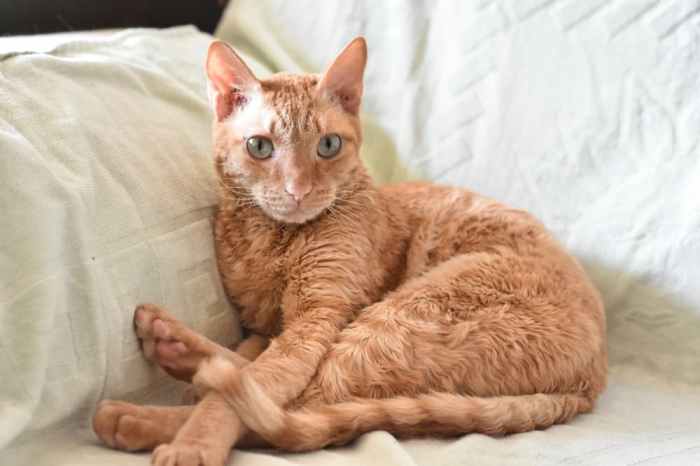
Source: metamorphosis.com
The Devon Rex is instantly recognizable by its large ears, slender build, and soft, wavy fur. Often nicknamed the “pixie cat,” this breed possesses a unique charm and a mischievous personality. Beyond the curly coat, several other physical characteristics contribute to the Devon Rex’s distinctive appearance.
Devon Rex cats have a distinctive head shape, often described as having a “short nose” and prominent cheekbones. Their large ears are set low on the head and are often oversized, contributing to their pixie-like appearance. The genetic factors influencing their coat texture are different from those affecting the American Curl. The Devon Rex gene affects the hair shaft itself, causing it to be loosely curled and lacking in undercoat.
This results in a soft, almost velvety feel.
Devon Rex cats are known for their playful and mischievous personalities. They are highly intelligent and enjoy interactive games and puzzles. They are also very affectionate and enjoy being around people, often following their owners from room to room. Their energetic nature means they need plenty of playtime and opportunities for exploration.
“My Devon Rex, Jasper, is a constant source of entertainment! He’s always getting into something, but he’s also incredibly affectionate and loves to cuddle. He’s truly a one-of-a-kind cat.”
-Sarah M.“Luna, my Devon Rex, is the most playful cat I’ve ever owned. She’s always chasing toys and climbing on everything. She’s also incredibly smart and learns tricks quickly.”
-David L.“Having a Devon Rex is like having a little monkey in your house! They are so full of energy and personality. They are truly amazing companions.”
-Emily K.
The Cornish Rex: A Sleek and Curly Companion
The Cornish Rex stands out with its unique coat structure. Unlike other breeds, the Cornish Rex lacks guard hairs, the outer layer of fur that protects the skin. This absence results in a soft, wavy texture that feels almost like velvet. Understanding this fundamental difference is crucial to appreciating the Cornish Rex’s unique appeal.
The Cornish Rex’s coat is significantly different from the American Curl and Devon Rex. While both other breeds have curls, the Cornish Rex’s coat is softer and wavier, lacking the coarser guard hairs. This gives them a more delicate and refined appearance. The Cornish Rex’s coat also tends to be warmer to the touch than the coats of the other two breeds.
Cornish Rex cats are known for their energetic and affectionate nature. They are often described as being dog-like in their loyalty and enjoy following their owners around. They are also very playful and intelligent, enjoying interactive games and puzzles. Their high energy levels mean they need plenty of playtime and opportunities for exercise.
- Hypertrophic Cardiomyopathy (HCM)
- Patellar Luxation
- Progressive Retinal Atrophy (PRA)
- Dental Problems (due to jaw structure)
Final Summary
From the distinctive ear curls of the American Curl to the pixie-like charm of the Devon Rex and the sleek elegance of the Cornish Rex, each curly coated breed brings something special to the table. Whether you’re a seasoned cat lover or considering welcoming one of these unique felines into your home, understanding their specific needs and appreciating their individual personalities is key to a happy and fulfilling relationship.
These breeds aren’t just pets; they’re companions with a captivating history and a whole lot of love to give.
General Inquiries
Do curly coated cats shed a lot?
Generally, they shed less than many other breeds due to their coat structure. However, shedding can still occur, especially during seasonal changes. Regular grooming helps minimize loose hair.
Are curly coated cats hypoallergenic?
While no cat is truly hypoallergenic, curly coated cats often produce less Fel d 1, the primary allergen responsible for cat allergies. Some allergy sufferers may tolerate them better than other breeds, but it’s always best to spend time with a cat before committing.
What’s the best diet for a curly coated cat?
A high-quality diet rich in protein and essential fatty acids is crucial for maintaining a healthy coat. Look for cat food specifically formulated for skin and coat health.
How often should I bathe my curly coated cat?
Bathing frequency varies by breed. American Curls typically need baths every 2-3 months, Devon Rexes every 4-6 weeks, and Cornish Rexes every 2-4 weeks. Over-bathing can strip their coat of natural oils.
Can curly coated cats get sunburned?
Yes, their thin coats offer less protection from the sun. Limit their exposure to direct sunlight and consider using cat-safe sunscreen if they spend a lot of time outdoors.
Are curly coated cats prone to any specific behavioral issues?
Devon Rexes can be quite mischievous and require plenty of mental stimulation. Cornish Rexes can be demanding of attention. Early socialization and training can help prevent behavioral problems.

