Have you ever seen a cat with fur that seems to defy gravity, a coat that curls and waves in a truly unique way? Welcome to the fascinating world of curly coated cats! These breeds, including the American Curly, Devon Rex, and Selkirk Rex, are captivating not just for their unusual appearance, but also for their charming personalities. Their distinctive coats are the result of a fascinating genetic quirk, and understanding this, along with their individual histories and care needs, is key to appreciating these special felines.
The curl itself stems from a naturally occurring genetic mutation that affects the hair follicle structure, causing the hair to grow in a spiral shape rather than straight. This mutation isn’t limited to just one breed; it’s popped up independently in different cat populations, leading to the development of these adorable, fluffy companions. Let’s dive deeper into what makes each breed special, from their origins to their quirks and everything in between.
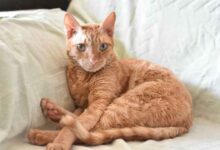
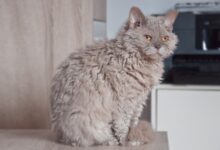
Introduction to Curly Coated Cat Breeds
The world of feline beauty is vast and varied, but few cats possess the captivating charm of those with curly coats. These breeds, a relatively recent development in the cat fancy, have captured the hearts of many with their unique appearance and often endearing personalities. This article delves into the fascinating world of curly coated cats, exploring their history, the science behind their unusual fur, and the distinct characteristics of some of the most beloved breeds.
The curly coat isn’t a naturally occurring trait across the feline world. It’s the result of a genetic mutation, and its emergence is a relatively recent phenomenon. The mutation affects the keratin structure within the hair shaft, causing it to curl rather than grow straight. Specifically, the gene responsible is thought to be a recessive gene that affects the formation of the hair follicle.
Normally, keratin proteins align in a parallel fashion, creating a smooth, straight hair. In curly coated cats, this alignment is disrupted, with the keratin proteins twisting and overlapping, resulting in the characteristic curl. The degree of curl can vary depending on the specific gene variant and environmental factors.
While the curly coat is most prominently associated with a few specific breeds, the underlying genetic mutation has been observed, albeit rarely, in other cat populations. It’s believed that the mutation may have existed in feral cat populations for some time before being selectively bred for in domestic settings. The prevalence of the trait is directly linked to breeding practices; without intentional selection, the curly coat gene tends to disappear from a population.
| Breed | Origin | General Description |
|---|---|---|
| American Curly | United States | Known for its loose, wavy coat and generally friendly demeanor. |
| Devon Rex | England | Characterized by its large ears, wavy coat, and pixie-like face. |
| Selkirk Rex | United States | Distinguished by its plush, curly coat that can range from loose waves to tight curls. |
The American Curly: History and Characteristics
The American Curly’s story began unexpectedly in 1981 in Shirley County, Minnesota. A farm cat named Susie gave birth to a litter of kittens, and one of them, a male named Lamb, possessed a strikingly curly coat. This was an anomaly, as neither parent nor any of Lamb’s siblings exhibited the trait. Lamb was bred with Susie, and subsequent litters continued to produce kittens with curly coats, marking the beginning of the American Curly breed.
American Curlies typically have a medium build, ranging from 7 to 12 pounds. Their coat colors and patterns are incredibly diverse, encompassing virtually every color and pattern recognized in cats, including solid colors, tabby patterns, tortoiseshell, and calico. Their eye color is equally varied, ranging from gold and green to hazel and copper. They have a moderate head shape, with a slightly rounded muzzle and large, expressive eyes.
Their ears are typically medium-sized and set well apart.
American Curlies are known for their affectionate and playful personalities. They are often described as being gentle, curious, and eager to please. They tend to be very people-oriented and enjoy being involved in their human’s activities. They are generally good with children and other pets, making them a wonderful addition to a family.
The ideal American Curly presents a harmonious blend of features. Their coat should be loosely wavy, not tightly curled, with the curls most pronounced around the neck and chest. The head is moderately rounded, with a gentle slope to the forehead and large, expressive eyes that convey intelligence and curiosity. Their body is well-proportioned and muscular, reflecting their playful nature.
The overall impression is one of a friendly, approachable, and uniquely charming feline companion.
The Devon Rex: A Pixie-Faced Companion
The Devon Rex’s history is rooted in the Cornish mining community of England. In 1950, a farm cat named Prudence gave birth to a kitten with an unusual appearance – large ears, a wavy coat, and a distinctive pixie-like face. This kitten, named Kallibunker, was the progenitor of the Devon Rex breed. The local miners recognized the uniqueness of this cat and began selectively breeding him and his offspring, establishing the foundation for the breed we know today.
Devon Rexes are known for their slender build and distinctive physical characteristics. They are typically smaller than many other cat breeds, weighing between 6 and 9 pounds. Their coat is short, wavy, and soft, often described as feeling like velvet. The waviness is more pronounced on the back and sides of the body. Their most striking feature is their large, low-set ears, which contribute to their unique, almost elfin appearance.
Their eyes are large and expressive, often green or gold.
Devon Rexes are renowned for their playful and intelligent personalities. They are highly active and enjoy interactive games and puzzles. They are incredibly affectionate and bond strongly with their human companions, often following them around the house and seeking attention. Their intelligence makes them easily trainable, and they can even be taught tricks. This combination of playfulness and affection makes them wonderful companions for individuals and families alike.
- Grooming Frequency: Weekly brushing is generally sufficient to remove loose hair and prevent matting.
- Coat Care: Avoid excessive bathing, as it can strip the coat of its natural oils.
- Ear Cleaning: Due to their large ears, Devon Rexes are prone to earwax buildup. Regular ear cleaning is essential.
- Shedding: While they don’t shed as much as some breeds, they do shed a moderate amount.
The Selkirk Rex: The “Poodle Cat”
The Selkirk Rex’s discovery was entirely accidental. In 1987, a shelter worker in Montana noticed a curly-coated kitten among a litter of domestic shorthairs. This kitten, named Miss DePesto, was the first known Selkirk Rex. The breeder, Jeri Newman, recognized the uniqueness of the coat and began selectively breeding Miss DePesto with Persians and British Shorthairs, establishing the breed’s foundation and introducing a wider range of coat textures.
The Selkirk Rex is characterized by its distinctive curly coat, which is the breed’s defining feature. The curl can vary significantly, ranging from loose waves to tight, poodle-like curls. The tightness of the curl is influenced by genetics and age; kittens often have looser curls that become tighter as they mature. The coat is plush and dense, giving the Selkirk Rex a soft, teddy bear-like appearance.
Selkirk Rexes are known for their generally gentle and affectionate temperaments. They are often described as being laid-back and easygoing. They enjoy being petted and cuddled and are typically good with children and other pets. They are not as demanding of attention as some other breeds, but they still appreciate human companionship.
The Selkirk Rex’s coat exhibits a fascinating visual effect depending on lighting and humidity. In direct sunlight, the curls appear more defined and springy. Under indoor lighting, the curls may appear softer and less pronounced. High humidity can cause the curls to relax and become looser, while dry air can enhance their definition. This dynamic appearance adds to the breed’s unique charm and makes each Selkirk Rex truly one-of-a-kind.
Comparing and Contrasting Curly Coated Breeds
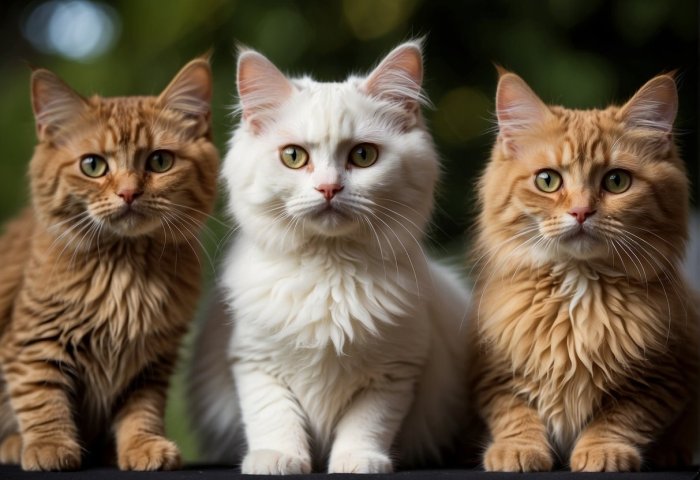
Source: conservationcubclub.com
While all three breeds – American Curly, Devon Rex, and Selkirk Rex – share the characteristic of a curly coat, the texture and appearance of that curl differ significantly. The American Curly has a loose, wavy coat, often described as resembling a sheepdog’s fur. The Devon Rex has a short, wavy coat that feels soft and velvety. The Selkirk Rex boasts a plush, curly coat that can range from loose waves to tight curls, resembling a poodle’s fur.
The head shapes and ear sizes also distinguish these breeds. American Curlies have a moderately rounded head with medium-sized ears. Devon Rexes have a distinctive pixie-like face with large, low-set ears. Selkirk Rexes have a more rounded head and ears that are typically medium-sized and set well apart.
| Feature | American Curly | Devon Rex | Selkirk Rex |
|---|---|---|---|
| Coat Texture | Loose, wavy | Short, wavy, velvety | Plush, curly (variable tightness) |
| Head Shape | Moderately rounded | Pixie-like | Rounded |
| Ear Size | Medium | Large | Medium |
| Temperament | Affectionate, playful | Playful, intelligent, affectionate | Gentle, affectionate, laid-back |
Energy levels and activity requirements vary among these breeds. American Curlies are moderately active and enjoy interactive play. Devon Rexes are highly energetic and require plenty of stimulation. Selkirk Rexes are generally more laid-back but still enjoy playtime and interaction with their humans.
Health Considerations for Curly Coated Cats
Like all breeds, curly coated cats are predisposed to certain health concerns. Hypertrophic cardiomyopathy (HCM), a heart condition characterized by thickening of the heart muscle, is a potential concern in all cat breeds, but it has been observed in some curly coated breeds. Polycystic kidney disease (PKD), a genetic disorder that causes cysts to form on the kidneys, is another potential concern, particularly in Devon Rexes.
Regular veterinary checkups are crucial for early detection and management of any health issues. Preventative care, including vaccinations and parasite control, is also essential. Genetic testing can help identify carriers of certain diseases, allowing breeders to make informed breeding decisions.
Genetics play a significant role in influencing health outcomes. Responsible breeders screen their cats for known genetic conditions and strive to produce healthy kittens. However, even with careful breeding practices, there is always a risk of unforeseen health problems.
Prospective owners of curly coated cats should be aware of potential health concerns such as HCM and PKD. Regular veterinary checkups, preventative care, and responsible breeding practices are essential for ensuring the health and well-being of these unique and captivating felines.
Caring for a Curly Coated Cat: Grooming and Nutrition
Grooming a curly coated cat requires a slightly different approach than grooming a cat with a straight coat. The unique texture of their fur can make it prone to matting if not properly cared for. Regular brushing is essential to prevent tangles and keep the coat looking its best.
The best types of brushes and combs to use depend on the breed and the tightness of the curl. A stainless steel comb with wide-set teeth is generally effective for removing tangles. A soft-bristled brush can help distribute natural oils and add shine to the coat. Avoid using harsh brushes that can damage the delicate curls.
The nutritional needs of curly coated cats are similar to those of other cat breeds. A high-quality cat food that is rich in protein and essential nutrients is recommended. Portion sizes should be adjusted based on the cat’s age, activity level, and overall health. Consult with a veterinarian to determine the best diet for your individual cat.
| Breed | Weekly Grooming Routine |
|---|---|
| American Curly | Brush 2-3 times per week with a stainless steel comb and soft-bristled brush. |
| Devon Rex | Brush 1-2 times per week with a soft-bristled brush. Pay special attention to ear cleaning. |
| Selkirk Rex | Brush 3-4 times per week with a stainless steel comb and soft-bristled brush. |
Finding a Reputable Breeder
Finding a reputable breeder is crucial for ensuring you acquire a healthy and well-socialized curly coated cat. Responsible breeders prioritize the health and temperament of their cats above all else. They are knowledgeable about the breed and willing to answer your questions thoroughly.
When speaking with a breeder, ask about health testing, including screening for HCM and PKD. Inquire about their socialization practices and how they expose their kittens to different people, environments, and stimuli. Ask about their breeding practices and their commitment to preserving the breed’s health and temperament.
Visiting the breeder’s cattery is an essential step in the selection process. Observe the cats’ living conditions and ensure they are clean, spacious, and stimulating. Interact with the cats and assess their temperament. A reputable breeder will welcome your visit and be happy to show you around.
- Health Testing: Does the breeder perform genetic testing for HCM and PKD?
- Socialization: How are the kittens socialized?
- Living Conditions: Are the cats housed in a clean and stimulating environment?
- Knowledge: Is the breeder knowledgeable about the breed and willing to answer your questions?
- References: Can the breeder provide references from previous buyers?
Curly Coated Cats and Families
The suitability of each breed for different family types varies. American Curlies are generally well-suited for families with children and other pets due to their friendly and playful nature. Devon Rexes are also good with children but may require more supervision due to their high energy levels. Selkirk Rexes are often a good choice for families seeking a more laid-back companion.
These breeds typically interact well with other pets, including dogs and other cats, especially if they are properly socialized from a young age. Early socialization is crucial for ensuring that curly coated kittens develop into well-adjusted adults.
Introducing a curly coated cat to a new home should be done gradually. Provide a safe and quiet space for the cat to acclimate to its surroundings. Offer food, water, and a litter box. Allow the cat to explore at its own pace and avoid overwhelming it with attention. With patience and understanding, your new curly coated companion will soon feel right at home.
Visual Descriptions: Illustrative Details
Imagine a Devon Rex kitten, its fur a cascade of soft waves, playfully batting at a dangling toy. The light catches the fur, creating shimmering highlights as it moves. The kitten’s large ears swivel with each playful pounce, and its eyes sparkle with mischief. The overall impression is one of boundless energy and adorable charm.
Picture an American Curly perched on a windowsill, intently observing a bird flitting among the branches outside. Its face is a study in concentration, with its large, expressive eyes fixed on the avian visitor. The loose waves of its coat frame its face, adding to its endearing appearance. A gentle curiosity radiates from its gaze.
Envision a Selkirk Rex basking in sunlight, its plush, curly coat appearing exceptionally defined and springy. The sunlight highlights the individual curls, creating a textured and visually captivating effect. In contrast, under indoor lighting, the coat appears softer and more relaxed, showcasing the breed’s dynamic appearance.
Visualize a Selkirk Rex curled up asleep on a soft blanket, its body enveloped in a cloud of plush curls. The curls create a cozy and comforting nest, providing warmth and security. The cat’s expression is peaceful and serene, embodying the breed’s gentle and affectionate nature.
Final Thoughts
From the pixie-like charm of the Devon Rex to the “poodle cat” appearance of the Selkirk Rex and the gentle nature of the American Curly, each breed offers a unique blend of beauty and personality. Caring for these cats requires a little extra attention to their grooming and health, but the rewards – a loving, playful, and undeniably adorable companion – are well worth the effort.
Whether you’re a seasoned cat owner or considering welcoming a curly coated cat into your home for the first time, understanding their specific needs will ensure a happy and fulfilling life together.
Ultimately, these breeds are a testament to the wonderful diversity within the feline world, proving that sometimes, a little curl can make a whole lot of difference!
Clarifying Questions
Are curly coated cats hypoallergenic?
While they produce less Fel d 1 protein (a common cat allergen) than some breeds, they aren’t truly hypoallergenic. Allergies vary greatly from person to person, so spending time with a specific cat before committing is always a good idea.
How often should I bathe my curly coated cat?
Generally, bathing isn’t necessary very often – once or twice a year is usually sufficient. Over-bathing can strip their coat of natural oils. Spot cleaning with a damp cloth is often enough to keep them fresh.
Do curly coated cats have any specific dietary needs?
Like all cats, they need a high-quality diet rich in protein. Some owners find that their curly coated cats benefit from omega-3 fatty acids in their food to support coat health, but always consult with your vet.
Are American Curlies prone to any specific health problems?
While generally healthy, American Curlies can be predisposed to ear infections due to their large ears. Regular ear cleaning is important.
What’s the best way to socialize a curly coated kitten?
Early and consistent socialization is key! Expose them to a variety of people, sounds, and environments while they’re young kittens to help them grow into well-adjusted adults.
Why does a Selkirk Rex’s coat look different in different lighting?
The unique curl pattern of the Selkirk Rex’s coat reflects light differently depending on the angle and intensity. Sunlight can make the curls appear more defined, while indoor lighting might soften the look.

