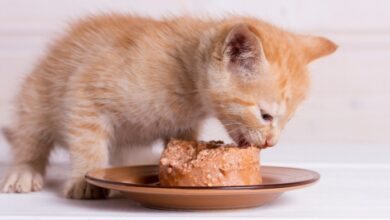
Bringing a kitten home is a joy, and ensuring they thrive starts with proper nutrition. Kittens have vastly different dietary needs than adult cats – they’re essentially growing rapidly, building bones, developing organs, and strengthening their immune systems all at once! Picking the right food, especially when it comes to wet food, is absolutely crucial for their long-term health and happiness.
We’ll explore everything you need to know about good canned kitten food, from understanding ingredients to navigating brand choices and making the transition smoothly.
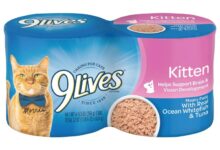

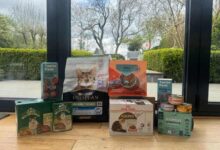
This guide dives deep into the world of canned kitten food, breaking down the essential nutrients, deciphering ingredient lists, and comparing popular brands. We’ll also cover practical tips for picky eaters, addressing specific dietary concerns, and ensuring you’re storing and handling the food safely. Ultimately, our goal is to empower you to make informed decisions that support your kitten’s optimal growth and well-being.
The Importance of Nutrition for Growing Kittens
Bringing a tiny kitten into your home is a joy, but it also comes with a big responsibility: ensuring they get the right nutrition. Kittens have vastly different nutritional needs than adult cats, and providing them with a balanced diet during this crucial growth phase is absolutely essential for their long-term health and well-being. Think of it like this: you’re laying the foundation for a healthy, happy cat for years to come.
Kittens are growing at an incredibly rapid rate, and their bodies require specific nutrients to support bone development, organ function, and a strong immune system. A deficiency in any key nutrient can lead to stunted growth, weakened immunity, and even long-term health problems. Choosing the right food isn’t just about filling their bellies; it’s about fueling their development.
There’s a wide variety of kitten food available, broadly categorized into dry, wet (canned), and raw options. Dry food is convenient and helps with dental health, but can sometimes be lower in moisture. Wet food is highly palatable and provides essential hydration, but can be more expensive. Raw food, when prepared correctly, can offer a biologically appropriate diet, but requires careful handling to avoid bacterial contamination.
Each has its pros and cons, and the best choice depends on your kitten’s individual needs and your lifestyle.
| Food Type | Protein (%) | Fat (%) |
|---|---|---|
| Kitten Food (Dry) | 30-45 | 15-25 |
| Kitten Food (Wet) | 35-55 | 10-20 |
| Adult Cat Food (Dry) | 25-35 | 10-15 |
| Adult Cat Food (Wet) | 30-40 | 5-10 |
Understanding Ingredients in Canned Kitten Food

Source: catfoodhouse.com
Canned kitten food can seem like a confusing jumble of ingredients, but understanding what’s inside is key to making an informed choice. The foundation of any good kitten food is protein, which is vital for building and repairing tissues. Different protein sources offer varying levels of digestibility and amino acids, so it’s important to choose a food with easily digestible options.
Carbohydrates provide energy, but kittens don’t need a lot of them. Excessive carbohydrates can lead to digestive upset and contribute to weight gain. Fats are essential for brain development, coat health, and overall energy. Essential fatty acids, like Omega-3 and Omega-6, play a particularly important role in these areas.
Ingredients to Look For and Avoid
- Look For:
- Named Protein Sources: Chicken, turkey, salmon, or other clearly identified meats or fish. Avoid vague terms like “meat by-products.”
- Digestible Grains or Alternatives: Brown rice, oats, or sweet potatoes can provide fiber and energy.
- Essential Fatty Acids: Look for ingredients like fish oil or flaxseed oil, which are rich in Omega-3 and Omega-6 fatty acids.
- Taurine: This amino acid is crucial for heart and eye health in cats and must be supplemented in their diet.
- Vitamins and Minerals: A complete and balanced kitten food will be fortified with essential vitamins and minerals.
- Avoid:
- Artificial Colors, Flavors, and Preservatives: These offer no nutritional value and can potentially cause allergic reactions.
- Excessive Fillers: Corn, wheat, and soy are common fillers that provide little nutritional benefit.
- BHA, BHT, and Ethoxyquin: These are artificial preservatives that have been linked to health concerns.
- High Salt or Sugar Content: These are unnecessary and can be detrimental to a kitten’s health.
Comparing Popular Brands of Canned Kitten Food
Navigating the crowded canned kitten food aisle can be overwhelming. Here’s a comparison of five popular brands to help you make an informed decision. Remember that individual kittens may have preferences and sensitivities, so what works well for one kitten might not work for another.
| Brand | Primary Protein Source | Texture (Pate, Shreds, etc.) | Price per Can (approx.) |
|---|---|---|---|
| Royal Canin Kitten | Chicken | Pate | $1.50 – $2.50 |
| Purina Pro Plan Kitten | Chicken or Turkey | Pate or Shreds | $1.00 – $2.00 |
| Blue Buffalo Baby Blue Healthy Growth Formula | Chicken | Pate | $1.75 – $2.75 |
| Wellness Complete Health Kitten | Chicken or Salmon | Pate or Shreds | $1.50 – $2.50 |
| Hill’s Science Diet Kitten | Chicken | Pate | $1.25 – $2.00 |
Royal Canin Kitten is known for its precise formulations and is often recommended by veterinarians. It’s specifically designed to meet the nutritional needs of growing kittens and has a palatable pate texture. Purina Pro Plan Kitten offers a range of formulas with different protein sources and textures, catering to various preferences. Blue Buffalo Baby Blue emphasizes natural ingredients and avoids artificial colors and preservatives. Wellness Complete Health Kitten focuses on whole-food ingredients and provides a balanced blend of nutrients.
Hill’s Science Diet Kitten is a scientifically formulated food designed to support optimal growth and development.
Ingredient lists vary between brands and formulas. Always check the label for potential allergens, such as chicken, fish, or grains. Some kittens may be sensitive to certain ingredients, so it’s important to monitor their reaction to any new food.
Understanding the guaranteed analysis label is crucial. This label provides the minimum percentages of crude protein and fat, and the maximum percentages of crude fiber and moisture. Compare these values across different brands to assess their nutritional content. A higher protein and fat percentage is generally desirable for kittens.
Texture and Palatability Considerations
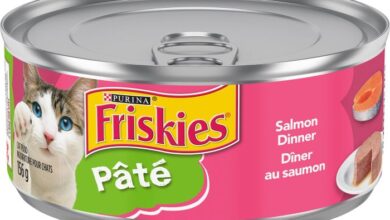
Kittens can be notoriously picky eaters, and texture plays a significant role in their enjoyment of food. Different textures – pate, shreds, chunks in gravy – can appeal to different kittens. Pate is generally well-accepted and easy to eat, while shreds and chunks offer more variety and can stimulate appetite. Gravy can add moisture and enhance palatability.
Palatability is key, especially for picky eaters. A food that smells and tastes good is more likely to be consumed. Experimenting with different textures and flavors can help you find a food your kitten loves. Don’t be afraid to try a few different brands and formulas until you find one that works.
Introducing New Textures
- Start by mixing a small amount (about 25%) of the new texture with their current food.
- Gradually increase the proportion of the new texture over several days, while decreasing the amount of the old food.
- By day 7-10, they should be eating 100% of the new texture.
- If your kitten refuses to eat the new texture, go back to the previous step and try again later.
“My kitten, Leo, absolutely refuses to eat anything that isn’t pate! He turns his nose up at shreds and chunks, but he devours the pate-style Royal Canin Kitten. It’s all about personal preference, I guess!”
Sarah M., Cat Owner
Addressing Specific Dietary Needs & Concerns
Not all kittens have the same dietary needs. Some may have sensitive stomachs, while others may be prone to hairballs or allergies. Fortunately, there are canned kitten food options available to address these specific concerns.
For kittens with sensitive stomachs, look for foods with easily digestible ingredients and limited ingredients. Avoid foods with artificial colors, flavors, and preservatives. Limited ingredient diets are a good option, as they contain fewer ingredients and are less likely to trigger allergic reactions.
Kittens prone to hairballs benefit from foods that contain added fiber and ingredients that help lubricate the digestive tract. Look for foods with pumpkin, beet pulp, or psyllium husk. Hairball control formulas are specifically designed to minimize hairball formation.
Orphaned or bottle-fed kittens have unique nutritional requirements. They need a food that is high in calories and protein to support rapid growth and development. Kitten milk replacer is often recommended for these kittens, but canned kitten food can also be a suitable option once they are weaned.
For kittens with allergies, grain-free or limited ingredient diets are often recommended. These diets eliminate common allergens, such as wheat, corn, and soy. Always consult with a veterinarian before making significant changes to your kitten’s diet.
| Dietary Need | Recommended Food Type/Features |
|---|---|
| Sensitive Stomach | Limited ingredient diet, easily digestible ingredients, no artificial additives |
| Hairballs | Hairball control formula, added fiber (pumpkin, beet pulp, psyllium husk) |
| Orphaned/Bottle-Fed | High calorie and protein content, kitten milk replacer |
| Allergies | Grain-free, limited ingredient diet |
Transitioning to Canned Kitten Food
Switching kitten foods abruptly can cause digestive upset. A gradual transition is essential to allow your kitten’s digestive system to adjust to the new food.
Gradual Transition Guide
- Days 1-2: 75% old food, 25% new food
- Days 3-4: 50% old food, 50% new food
- Days 5-6: 25% old food, 75% new food
- Days 7-10: 100% new food
During the transition, monitor your kitten for signs of digestive upset, such as vomiting, diarrhea, or loss of appetite. If you notice any of these signs, slow down the transition and increase the proportion of the old food. If the symptoms persist, consult with a veterinarian.
Pay close attention to your kitten’s stool consistency during the transition. Ideally, their stool should be firm and well-formed. Soft or watery stools can indicate digestive upset. Adjust the transition rate accordingly.
Storage and Handling of Canned Kitten Food
Proper storage and handling are essential to maintain the quality and safety of canned kitten food. Unopened cans should be stored in a cool, dry place. Once opened, canned food should be refrigerated in an airtight container.
Hygiene is crucial when preparing and serving canned kitten food. Wash your hands thoroughly before handling the food. Use a clean spoon or scoop to serve the food, and avoid touching the food with your hands.
Leftover canned food should be discarded after 24 hours. Bacteria can grow rapidly in refrigerated food, even if it looks and smells fine.
Safe Can Opening Technique: Imagine a standard cylindrical can of kitten food. The lid is slightly concave. To open it safely, hold the can firmly with one hand. With your other hand, use a can opener to carefully cut along the inside rim of the lid, rotating the can opener around the entire circumference. Avoid cutting towards yourself.
Once the lid is loose, gently lift it straight up, avoiding any sharp edges. The lid will naturally curve outwards, minimizing the risk of cuts.
Cost-Effectiveness and Value
Canned kitten food can be expensive, but it doesn’t have to break the bank. Comparing the cost per serving of different brands and sizes can help you find the best value. Larger cans generally offer a lower cost per serving than smaller cans.
It’s important to consider the nutritional value alongside the price. A cheaper food that is low in essential nutrients may not be as beneficial for your kitten’s health as a more expensive, high-quality food. Investing in a nutritious diet is an investment in your kitten’s long-term well-being.
Tips for Saving Money on Kitten Food
- Buy in Bulk: Purchasing larger cans or cases of food can often save you money.
- Utilize Coupons: Look for coupons online or in pet stores.
- Compare Prices: Shop around at different stores to find the best deals.
- Consider Store Brands: Store brands often offer comparable quality at a lower price.
- Sign Up for Loyalty Programs: Many pet stores offer loyalty programs that provide discounts and rewards.
Ending Remarks
Navigating the world of kitten food can feel overwhelming, but understanding the basics of nutrition and ingredient quality makes all the difference. From protein sources and essential fatty acids to texture preferences and gradual transitions, we’ve covered a lot of ground. Remember, choosing good canned kitten food isn’t just about filling a bowl; it’s about investing in your kitten’s future health and happiness.
By paying attention to detail and prioritizing quality, you can set your furry friend up for a lifetime of vitality and playful energy.
So, take what you’ve learned, do a little research, and find the perfect canned kitten food to nourish your growing companion. Your kitten will thank you for it!
Top FAQs
Why is wet food important for kittens?
Wet food provides essential moisture, which is crucial for kidney health and preventing dehydration, especially since kittens often don’t drink enough water on their own. It’s also generally more palatable than dry food.
What does “easily digestible protein” mean?
It refers to protein sources that are broken down and absorbed efficiently by a kitten’s developing digestive system, minimizing the risk of stomach upset.
Are grain-free kitten foods always better?
Not necessarily. Grains aren’t inherently bad, and some kittens thrive on them. Grain-free diets are often recommended for kittens with specific allergies or sensitivities, but consult with your vet first.
How much canned kitten food should I feed my kitten?
Follow the feeding guidelines on the can, but adjust based on your kitten’s age, weight, and activity level. It’s always best to consult with your veterinarian for personalized recommendations.
My kitten refuses to eat a new texture. What should I do?
Introduce new textures gradually, mixing small amounts with their current food. Patience is key! You can also try warming the food slightly to enhance its aroma and palatability.
Can I freeze leftover canned kitten food?
It’s generally not recommended to freeze canned food as it can alter the texture and nutritional value. However, you can refrigerate opened cans for a maximum of 24 hours.
How can I tell if my kitten is having digestive issues after switching foods?
Look for signs like diarrhea, vomiting, or a change in appetite. If you notice any of these, slow down the transition or consult your veterinarian.