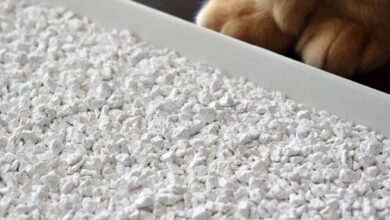
Let’s face it, kitty litter tracking is a universal cat owner frustration. Tiny granules scattered across your floors, clinging to fur, and multiplying like dust bunnies – it’s a constant battle! But what if you could significantly reduce, or even eliminate, this mess? The good news is, advancements in litter technology have led to a whole world of “non-tracking” options.
This guide dives deep into everything you need to know, from understanding the problem to choosing the perfect litter for your feline friend and your home.



We’ll explore the different types of non-tracking litter available, how they work, and the pros and cons of each. We’ll also look at litter box design, cat behavior, and even maintenance tips to help you win the war against litter scatter. Get ready to reclaim your floors and enjoy a cleaner, happier home – and a less stressed-out you!
Introduction to Non-Tracking Kitty Litter
Let’s be honest, dealing with litter tracking is a universal frustration for cat owners. Tiny, sandy footprints appearing on carpets, furniture, and even clothes are a common complaint. It’s not just an aesthetic issue; it can also spread dust and allergens around the house. Thankfully, litter technology has come a long way, and non-tracking litters offer a real solution. This article will explore everything you need to know about these innovative options, from the science behind them to choosing the right one for your feline friend.
Traditional clay and clumping litters are notorious for tracking. The small particle size and tendency to cling to fur and paws mean they easily get carried around the house. This problem has driven the development of alternative litter materials and designs specifically engineered to minimize this issue. The evolution has been fascinating, moving from basic clay to sophisticated silica gel crystals and sustainable options like wood and paper.
Comparing Tracking Levels of Different Litter Types
Understanding the tracking potential of different litter types is crucial for making an informed decision. Here’s a comparison table to help you visualize the differences. Keep in mind that tracking levels are subjective and can vary based on litter quality, cat behavior, and litter box setup.
| Litter Type | Tracking Level (1-5) | Pros | Cons |
|---|---|---|---|
| Clay | 4-5 | Inexpensive, readily available, familiar to most cats. | High tracking, dusty, not environmentally friendly. |
| Clumping | 3-4 | Excellent odor control, easy to scoop, forms solid clumps. | Moderate tracking, can be dusty, potential for clumping in plumbing. |
| Crystal (Silica Gel) | 1-2 | Excellent odor control, low tracking, absorbent, low dust. | Can be expensive, some cats dislike the texture, not biodegradable. |
| Wood Fiber | 2-3 | Biodegradable, good odor control, relatively low tracking. | Can be bulky, some cats dislike the texture, may require more frequent changes. |
| Paper Pellets | 1-3 | Low tracking, dust-free, lightweight, good for post-surgery cats. | Less effective odor control, can be expensive, some cats dislike the texture. |
Types of Non-Tracking Kitty Litter
The key to non-tracking litter lies in the materials used. Instead of fine clay particles, these litters utilize larger, differently shaped materials that are less likely to stick to paws and fur. Let’s explore the most common options.
Silica Gel Crystals
Silica gel crystals are a popular choice for their exceptional absorbency and low tracking. These crystals are manufactured through a process that involves reacting sodium silicate with silicon dioxide. The resulting material is highly porous, allowing it to absorb a significant amount of liquid waste while trapping odors. Their larger size and smooth surface minimize adherence to paws.
Wood Fiber
Wood fiber litter is made from compressed wood shavings or sawdust, often from sustainably managed forests. The larger, more irregular shape of the fibers reduces tracking compared to clay. It also offers a natural, earthy scent that many cats find appealing.
Paper Pellets
Paper pellet litter is typically made from recycled paper, compressed into pellets. These pellets are larger and heavier than clay, making them less prone to tracking. They are also dust-free, which is a bonus for allergy sufferers.
Wheat, Corn, and Grass
These plant-based litters are gaining popularity as eco-friendly alternatives. Wheat, corn, and grass litters are generally low-tracking due to their larger particle size and natural texture. However, they can be more susceptible to odor if not changed frequently.
Manufacturing Process of Silica Gel Crystal Litter
The creation of silica gel crystal litter is a fascinating process. It begins with raw materials: sodium silicate and silicon dioxide. These are combined in a reactor, where a chemical reaction occurs, forming a gel. This gel is then dried and heated to create the porous, crystalline structure. Finally, the crystals are screened to ensure consistent size and quality before being packaged and distributed.
Flowchart: Silica Gel Crystal Litter Manufacturing
1. Raw Materials: Sodium Silicate & Silicon Dioxide
2. Reaction: Combined in Reactor
3. Gel Formation: Chemical Reaction
4. Drying & Heating: Creates Crystalline Structure
5. Screening: Size & Quality Control
6. Packaging & Distribution: Ready for Retail
Environmental Impact Comparison
The environmental impact of different litter types varies significantly. Clay litter is often mined, which can disrupt ecosystems. Crystal litter is not biodegradable. Wood and paper litters, especially those made from recycled materials, are generally more sustainable. Wheat, corn, and grass litters are biodegradable and can be composted (check local regulations first).
Consider the sourcing, production process, and disposal methods when choosing a litter.
Features Contributing to Non-Tracking Performance
It’s not just the material itself, but also the specific features of the litter that contribute to its non-tracking performance. Manufacturers carefully consider particle size, shape, texture, and weight to minimize scatter.
Particle Size
Larger particle sizes are generally more effective at reducing tracking. Smaller particles, like those found in traditional clay litter, are easily carried on paws and fur. Larger particles are heavier and less likely to stick.
Shape
The shape of the litter particles also plays a role. Cylindrical or elongated shapes tend to roll off paws more easily than spherical shapes. Sharp edges can also contribute to tracking, so rounded edges are often preferred.
Texture
Litter texture affects its ability to cling to fur. Smooth textures are less likely to adhere than rough textures. For example, silica gel crystals have a very smooth surface, while some wood litters can be slightly rougher.
Litter Box Design and Non-Tracking
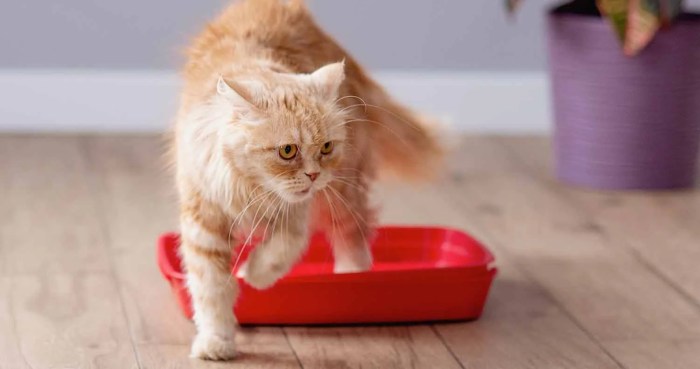
Source: welovecatsandkittens.com
The litter box itself is a crucial factor in controlling tracking. Even the best non-tracking litter can be spread around if the box isn’t designed to contain it.
High-Sided Litter Boxes
High-sided litter boxes are a simple but effective way to contain scatter. They prevent litter from being kicked out of the box during digging and burying. Consider boxes with extra-high sides or even hooded boxes for maximum containment.
Litter Mats
Litter mats are designed to capture tracked litter before it spreads throughout the house. They come in various materials and designs, from rubber mats with deep grooves to textured mats that trap litter in their fibers. Placement is key – place the mat directly in front of the litter box.
Visual Guide: Litter Box Designs
Open Litter Box: Simple and accessible, but offers minimal tracking control. Litter is easily scattered.
Covered Litter Box: Provides more privacy and helps contain odor, but can still allow some tracking if the cat kicks litter over the top.
Self-Cleaning Litter Box: Automates scooping, reducing odor and potentially minimizing tracking, but can be expensive and may not be suitable for all cats.
Cat Behavior and Tracking
A cat’s behavior significantly impacts litter tracking. Grooming habits, paw pad texture, and activity level all play a role.
Grooming Habits
Cats who groom themselves frequently are more likely to spread litter around the house. The litter clings to their fur and is then distributed as they clean themselves.
Paw Pad Texture
Cats with rougher paw pads tend to track more litter than those with smoother pads. The texture allows the litter to adhere more easily.
Activity Level
Cats who are active diggers and players are more likely to scatter litter. The more they kick and play in the litter box, the more they’ll track it.
Cat Behaviors Ranked by Tracking Impact
- Excessive Digging/Kicking
- Frequent Grooming
- Active Play in Litter Box
- Rough Paw Pad Texture
- Long Fur
- Frequent Litter Box Visits
Comparing Popular Non-Tracking Litter Brands
Several brands offer excellent non-tracking litter options. Let’s compare a few popular choices.
Brand Comparison Table
| Brand | Key Features | Pros & Cons |
|---|---|---|
| Dr. Elsey’s Precious Cat | Clumping clay litter with larger particle size. | Excellent clumping, low dust, relatively low tracking for clay. Cons: Still clay-based, not biodegradable. |
| Purina Yesterday’s News | Paper pellet litter. | Dust-free, low tracking, good for post-surgery cats. Cons: Less effective odor control, can be expensive. |
| Vet’s Best Paper Pellets | Recycled paper pellet litter. | Eco-friendly, low tracking, dust-free. Cons: Can be bulky, some cats dislike the texture. |
Customer Reviews & Ratings: Dr. Elsey’s consistently receives high ratings for its clumping ability and low dust. Yesterday’s News is praised for its dust-free nature and suitability for cats with respiratory issues. Vet’s Best is appreciated for its eco-friendliness.
Pricing: Prices vary depending on bag size and retailer. Generally, crystal litters are the most expensive, followed by paper pellets, and then clay-based options. Calculate the cost per pound to compare accurately.
Maintenance and Cleaning for Reduced Tracking
Proper litter box maintenance is essential for minimizing tracking, regardless of the litter type you choose.
Best Practices for Litter Box Maintenance
Regular scooping (at least once daily) removes waste and prevents odor buildup. Complete litter changes (every 2-4 weeks) ensure a fresh and clean environment. Consider using a sifting litter box for easier cleaning.
Litter Box Liners
Litter box liners can simplify cleaning, but they can also increase tracking if they bunch up or tear. Choose high-quality liners that fit snugly and are less prone to damage.
Step-by-Step Cleaning Guide
- Empty the litter box completely.
- Wash the box with warm water and mild soap.
- Rinse thoroughly and dry completely.
- Add fresh litter to the recommended depth.
Addressing Specific Tracking Challenges
Some cats are simply more prone to tracking than others. Here’s how to tackle those challenges.
Specialized Litter Mats
Consider using a larger, more absorbent litter mat with a textured surface. Place it generously in front of the litter box to capture as much tracked litter as possible.
Multi-Cat Households
Provide multiple litter boxes (one per cat plus one extra) to reduce competition and encourage cats to use the box properly. Regular cleaning is even more crucial in multi-cat homes.
Minimizing tracking in apartments or homes with limited space requires a strategic approach. Invest in a high-sided litter box, a large litter mat, and consider a covered box to contain scatter. Regular cleaning and vacuuming are essential.
Alternative Solutions and Innovations
The world of cat litter is constantly evolving. New technologies and materials are emerging to address tracking and other concerns.
Emerging Technologies
Robotic litter boxes offer automated scooping and waste disposal, significantly reducing odor and potentially minimizing tracking. Self-contained systems that filter dust and odors are also gaining popularity.
Biodegradable and Compostable Options
Plant-based litters made from materials like corn, wheat, and grass are increasingly available. Look for options that are certified compostable to ensure they can be safely disposed of.
Pine Pellets
Pine pellets are a natural alternative to clay litter. They are low-tracking and offer good odor control, but some cats may not like the texture.
Choosing the Right Non-Tracking Litter for Your Cat
Selecting the best non-tracking litter for your cat involves considering several factors.
Factors to Consider
Consider your cat’s age, health, and preferences. Kittens may prefer a softer litter, while older cats may need a low-dust option. Cats with allergies may require a hypoallergenic litter.
Transitioning to Non-Tracking Litter
Gradually introduce the new litter by mixing it with the old litter over a period of several days. This helps your cat adjust to the new texture and scent.
Checklist for Purchasing Non-Tracking Litter
- Material: Consider your cat’s preferences and any allergies.
- Tracking Level: Choose a litter with a low tracking rating.
- Odor Control: Ensure the litter effectively controls odors.
- Dust Level: Opt for a low-dust option, especially if you or your cat have allergies.
- Price: Compare prices and calculate the cost per pound.
- Cat Acceptance: Observe your cat’s reaction to the litter.
Final Review
Navigating the world of kitty litter can feel overwhelming, but understanding the science behind non-tracking options empowers you to make informed choices. Whether you opt for silica gel crystals, wood fiber, or paper pellets, combining the right litter with a smart litter box design and a little behavioral awareness can dramatically reduce tracking. Ultimately, a cleaner home and a content cat are within reach – so let’s get started on creating a more peaceful and tidy living space for everyone!
FAQs
Why does my cat track litter in the first place?
It’s a combination of factors! The texture of their paw pads, their grooming habits, and how much they dig and play in the litter box all contribute. Smaller litter particles are also more likely to stick.
Are all silica gel litters truly non-tracking?
While silica gel is generally low-tracking, the particle size matters. Finer granules can still track slightly. Look for larger crystal sizes for the best results.
Can I mix different types of litter together?
It’s generally not recommended. Different litters have different absorbency rates and textures, and mixing them can create a muddy mess and potentially confuse your cat.
How often should I change my non-tracking litter?
It depends on the type of litter and the number of cats using the box. Generally, scoop daily and completely change the litter every 2-4 weeks.
My cat refuses to use the non-tracking litter I bought. What should I do?
Transition slowly! Mix a small amount of the new litter with the old, gradually increasing the ratio over a week or two. You can also try sprinkling a little of the old litter on top to encourage use.
Are biodegradable litters always low-tracking?
Not necessarily. While eco-friendly, some biodegradable litters (like sawdust) can still track. Look for larger pellet or fiber forms for better tracking control.
What’s the best way to clean litter scatter from my floors?
A good quality, textured litter mat is essential. A handheld vacuum or a rubber broom can also be effective for picking up stray granules.