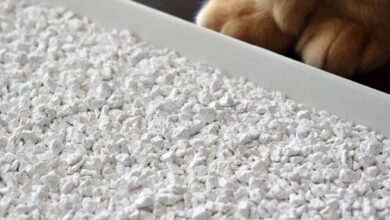
Let’s be honest, cat ownership is wonderful, but the litter tracking? Not so much. Tiny litter granules scattered across your floors and furniture are a common complaint, and it can be a real headache to clean up. Thankfully, there’s a solution gaining popularity: low-tracking cat litter. This guide dives deep into everything you need to know about these innovative litters, from the materials they’re made from to how they can transform your home and your cat’s litter box experience.
We’ll explore the different types available, weighing the pros and cons of each, and helping you navigate the world of clumping versus non-clumping options. Plus, we’ll tackle odor control, dust levels, and even how to introduce your feline friend to a new litter without any drama. Get ready to say goodbye to litter trails and hello to a cleaner, more peaceful home!



Understanding Low-Tracking Cat Litter
Switching to low-tracking cat litter can feel like a small change, but it can make abig* difference in your home. We’ve all been there – tiny litter granules scattered across the floor, clinging to our socks, and generally making a mess. Standard clay litters are notorious for this, but thankfully, there’s a better way. Low-tracking litters are designed to minimize this issue, offering a cleaner home and potentially a happier cat.
This guide will break down everything you need to know about low-tracking litter, from the materials used to the best practices for switching your feline friend.Low-tracking litter fundamentally differs from standard clay litter in its particle size and composition. Traditional clay litters often have fine, powdery particles that easily stick to fur and paws. Low-tracking litters, on the other hand, utilize larger, heavier granules that are less likely to be tracked around the house.
These granules are often made from alternative materials, moving away from the traditional clay base.The benefits extend beyond just a cleaner floor. Reduced tracking means less litter ending up in your cat’s grooming habits, potentially minimizing their ingestion of litter dust. It also simplifies cleaning – less litter to vacuum up! However, it’s not all sunshine and roses. Low-tracking litters can sometimes be more expensive, and their odor control and clumping abilities might not be as effective as traditional clay litters, depending on the material.
Types of Low-Tracking Cat Litter Materials
The world of low-tracking litter is surprisingly diverse. Several materials are used, each with its own set of pros and cons. Let’s take a closer look at some of the most popular options: wood, paper, wheat, corn, and tofu.
- Wood-Based Litter: Derived from sustainably sourced wood, often pine or cedar. It comes in two main forms: pellets and crumbles. Pellets are larger and generally track less, while crumbles offer better clumping.
- Paper-Based Litter: Made from recycled paper, this litter is incredibly soft and gentle on a cat’s paws. It’s a good choice for cats with sensitive feet.
- Wheat-Based Litter: A natural and biodegradable option, wheat litter boasts excellent odor control. However, it can be attractive to cats to eat, which isn’t ideal.
- Corn-Based Litter: Another biodegradable choice, corn litter clumps well and offers decent odor control. Similar to wheat, there’s a risk of cats nibbling on it.
- Tofu-Based Litter: A relatively newer option, tofu litter is highly absorbent and clumps well. It’s also dust-free and biodegradable, making it an environmentally friendly choice.
| Material | Pros | Cons | Odor Control Rating (1-5) |
|---|---|---|---|
| Wood | Good tracking, natural, biodegradable | Can be dusty (especially pellets), some cats dislike the texture | 3 |
| Paper | Very low tracking, soft on paws, dust-free | Poor odor control, doesn’t clump well | 2 |
| Wheat | Excellent odor control, clumping | Can be ingested by cats, potential allergen | 4 |
| Corn | Good clumping, biodegradable | Can be ingested by cats, potential allergen | 3 |
| Tofu | Excellent clumping, dust-free, biodegradable | Can be more expensive, some cats dislike the texture | 4 |
Different forms of wood litter offer distinct advantages. Pellets, being larger, are less likely to stick to fur and paws, resulting in minimal tracking. However, some cats find them uncomfortable to dig in. Crumbles, on the other hand, provide a more familiar texture and clump better, but they can track slightly more than pellets.Sustainability is a key consideration. Paper-based litter, made from recycled materials, is generally considered the most eco-friendly.
Wood-based litter, especially when sourced from sustainably managed forests, is also a good choice. Wheat and corn litters are biodegradable but their production can have environmental impacts. Tofu litter is also biodegradable and utilizes a byproduct of soybean production.While generally safe, some low-tracking litter materials can trigger allergies in sensitive cats or humans. Wheat and corn are common allergens. It’s always a good idea to introduce a new litter gradually and monitor your cat for any adverse reactions.
Clumping vs. Non-Clumping Low-Tracking Litter
The choice between clumping and non-clumping litter is a fundamental one. Clumping litter forms solid clumps when wet, making scooping easier and more efficient. Non-clumping litter absorbs urine but doesn’t form clumps, requiring more frequent complete litter box changes.Clumping low-tracking litters rely on absorbent ingredients like bentonite clay (though some natural alternatives exist) that react with urine to form solid clumps.
These clumps can then be easily scooped out, leaving behind clean litter.Clumping litter offers the advantage of easier maintenance, allowing you to remove only the soiled litter while preserving the clean portion. However, it can be more expensive and requires proper disposal of the clumps. Non-clumping litter is generally cheaper but necessitates more frequent and complete litter box changes.To properly scoop clumping low-tracking litter, use a sturdy scoop to remove the clumps and any solid waste.
Dispose of the clumps in a sealed bag in the trash. Avoid flushing clumping litter down the toilet, as it can cause plumbing problems.
Odor Control in Low-Tracking Litter
Controlling odors is a major concern for any cat owner. Natural materials used in low-tracking litters can sometimes present a challenge in this area. While they are often biodegradable and eco-friendly, they may not inherently possess the same odor-absorbing properties as traditional clay litters.Activated charcoal is a common ingredient incorporated into low-tracking litter to combat odors. It’s highly porous and effectively absorbs odor molecules.
Other odor-absorbing agents, such as baking soda and essential oils (use with caution, as some essential oils are toxic to cats), are also sometimes added.The effectiveness of different odor control methods varies. Baking soda can help neutralize odors, while essential oils can provide a pleasant scent (but always ensure they are cat-safe). Activated charcoal generally offers the most robust odor control.
| Brand | Material | Clumping | Dust Level | Odor Control Rating (1-5) |
|---|---|---|---|---|
| Naturally Fresh | Wheat | Yes | Low | 4 |
| Feline Pine | Wood (Pellets) | No | Medium | 3 |
| Yesterday’s News | Paper | No | Very Low | 2 |
| Purina Yesterday’s News | Paper | No | Very Low | 2 |
| Okocat | Wood | Yes | Low | 5 |
Dust Levels and Respiratory Health
Dust levels in cat litter are a significant concern for both cats and humans. Inhaling litter dust can irritate the respiratory system, leading to coughing, sneezing, and even more serious health problems.Common types of dust found in cat litter include clay dust, silica dust, and dust from plant-based materials. Clay dust is particularly problematic due to its fine particle size.
Silica dust, while less common, can also be irritating.Low-tracking litters often have lower dust levels compared to traditional clay litters, but this isn’t always the case. The material itself plays a crucial role, with paper-based and tofu-based litters generally being the least dusty.To select a low-dust low-tracking litter, consider the particle size and material. Larger granules produce less dust. Look for litters specifically labeled as “low-dust” or “dust-free.”
Litter Box Compatibility and Usage
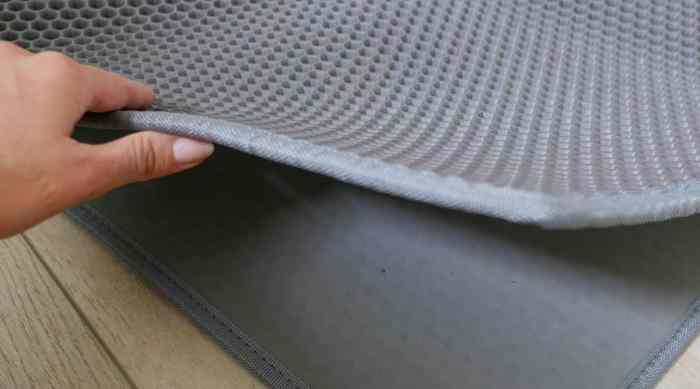
The type of litter box you use can significantly impact tracking and overall litter box performance. Covered litter boxes can help contain litter dust and reduce tracking, while uncovered boxes offer better ventilation. Self-cleaning litter boxes can minimize scooping frequency and odor control.Litter box design influences tracking. Boxes with high sides can help prevent litter from being kicked out. Placing a litter mat outside the box can also capture tracked litter.The optimal amount of litter to use in a litter box depends on the box size and the type of litter.
Generally, a depth of 2-3 inches is recommended for clumping litter, while non-clumping litter may require a deeper layer.Here’s a flowchart for transitioning a cat to a new low-tracking litter:
1. Start with a mix
Combine a small amount of the new litter with the old litter (10%).
2. Gradually increase
Over the next week, gradually increase the proportion of new litter while decreasing the old litter.
3. Full transition
After a week, switch entirely to the new litter.
4. Monitor
Observe your cat’s behavior for any signs of rejection.
Cost Considerations and Value
The cost of low-tracking litter varies depending on the material and brand. Wood-based and tofu-based litters tend to be more expensive than paper-based litters.Long-term cost implications depend on factors like litter box maintenance and tracking cleanup. While low-tracking litter may have a higher upfront cost, it can save you money on cleaning supplies and time spent cleaning up tracked litter.Determining the value of a low-tracking litter involves considering its performance, odor control, and dust levels.
A litter that effectively controls odors, minimizes tracking, and is gentle on your cat’s paws is worth the investment.
| Litter Option | Cost per Pound | Usage Rate (per cat) | Lifespan (weeks) | Cost-Effectiveness Rating (1-5) |
|---|---|---|---|---|
| Paper-Based | $0.50 | 1 lb/week | 4 | 3 |
| Wood-Based (Pellets) | $0.75 | 1.5 lb/week | 3 | 4 |
| Tofu-Based | $1.00 | 1 lb/week | 2 | 5 |
Cat Preferences and Acceptance
Cats are notoriously picky about their litter. Their preferences for litter texture and scent can significantly influence their acceptance of low-tracking litter.Introducing a new low-tracking litter gradually is crucial. Start by mixing a small amount of the new litter with the old litter, gradually increasing the proportion over time.Signs that a cat is not accepting a particular low-tracking litter include avoiding the litter box, urinating or defecating outside the box, or exhibiting signs of stress.Common cat behaviors related to litter box usage include digging, scratching, and scent marking.
The type of litter used can affect these behaviors. For example, a cat may dislike a litter that is too dusty or has a strong scent.
Cleaning and Maintenance of Litter Boxes with Low-Tracking Litter
Best practices for cleaning litter boxes using low-tracking litter involve regular scooping (at least once daily) and complete litter box changes every 1-2 weeks.To remove tracked litter from carpets and other surfaces, use a vacuum cleaner with a HEPA filter. A rubber broom can also be effective for picking up larger granules. Damp cloths can help remove any remaining residue.Regular litter box cleaning is essential for both cat health and odor control.
A clean litter box encourages cats to use it consistently.Used low-tracking litter can be disposed of in the trash. Biodegradable litters can be composted, but check local regulations first.
Illustrative Examples of Low-Tracking Litter Performance
A pet owner successfully transitioned their cat to a wood-based low-tracking litter by starting with a 50/50 mix of the old and new litter. The cat initially seemed hesitant but gradually adjusted to the new texture. The owner noticed a significant reduction in tracked litter around the house.A home environment with minimal litter tracking features a covered litter box with high sides and a litter mat placed outside the entrance.
The owner uses a tofu-based low-tracking litter, which is virtually dust-free and clumps well.A cat happily using a litter box filled with a soft, paper-based low-tracking litter appears relaxed and comfortable. The litter is light and fluffy, providing a pleasant digging experience.A comparison of a standard litter-tracked floor versus a floor with minimal tracking after using a low-tracking litter clearly demonstrates the cleanliness difference.
The tracked floor is covered in tiny clay granules, while the other floor is virtually spotless.
Last Recap
Source: loveyourcat.com
Choosing the right low-tracking cat litter isn’t just about convenience; it’s about creating a healthier and happier environment for both you and your cat. By understanding the different materials, clumping properties, and odor control methods, you can make an informed decision that minimizes tracking, controls odors, and keeps your cat comfortable. With a little research and a gradual transition, you can enjoy the joys of cat ownership without the constant battle against litter scatter – a win-win for everyone involved!
Ultimately, finding the perfect low-tracking litter is a journey of experimentation. Don’t be afraid to try different options until you discover the one that best suits your cat’s preferences and your home’s needs. Happy scooping!
Q&A
What exactly
-is* low-tracking litter?
It’s cat litter formulated to minimize the amount of litter that sticks to your cat’s paws and gets tracked around the house. It typically uses larger particle sizes or materials that don’t cling as easily.
Is low-tracking litter more expensive?
Generally, yes, low-tracking litters can be slightly more expensive per pound than traditional clay litters. However, the reduced cleaning time and potential for less litter usage can offset the initial cost.
My cat refuses to use a new litter! What should I do?
Introduce the new litter gradually by mixing it with their old litter, slowly increasing the ratio over a week or two. You can also try placing the new litter box near their old one initially.
Can low-tracking litter still be dusty?
While many low-tracking litters are designed to be low-dust, some can still produce dust. Look for “dust-free” or “low-dust” options and consider a covered litter box.
Are there any health concerns with natural low-tracking litters?
Some cats (and humans) can be allergic to certain natural materials like wheat or corn. Always check the ingredients and monitor your cat for any adverse reactions.
How often should I clean a litter box with low-tracking litter?
Cleaning frequency depends on the number of cats and the type of litter. Daily scooping is recommended, with a full litter change every 2-4 weeks.
Can I flush low-tracking litter down the toilet?
No! Even biodegradable litters should not be flushed, as they can clog plumbing and harm the environment. Always dispose of used litter properly.