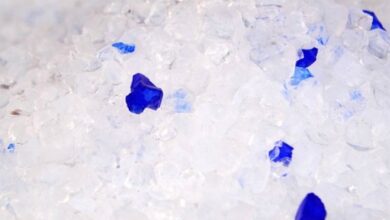
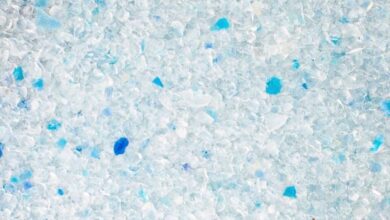
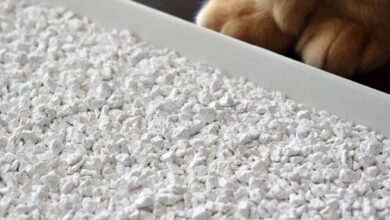
For years, the standard cat litter has been clay, but a growing awareness of environmental impact and pet health is driving a shift towards natural alternatives. Natural cat litter isn’t just a trend; it’s a response to concerns about sustainability, dust, and the overall well-being of our feline friends and ourselves. This guide dives deep into the world of natural cat litter, exploring different materials, performance, costs, and how to make the switch for a happier cat and a healthier planet.
From the history of cat litter – evolving from simple sand to the diverse options we see today – to the rising consumer demand for eco-friendly pet products, we’ll cover it all. We’ll also break down the environmental impact of both natural and clay litters, providing a clear comparison to help you make an informed decision. Get ready to discover a world of sustainable solutions for your cat’s bathroom needs!
Introduction to Natural Cat Litter
Let’s face it, dealing with cat waste isn’t exactly a glamorous task. But what if you could minimize the environmental impact while keeping your feline friend happy and your home smelling fresh? That’s where natural cat litter comes in. It’s a growing trend, and for good reason. But what
-exactly* constitutes “natural” litter, and how does it stack up against the traditional clay-based options we’ve been using for decades?
This guide will walk you through everything you need to know, from the history of cat litter to the best choices for your cat and the planet.
The journey to natural cat litter has been a long one. Before the invention of commercially available cat litter, cats simply used sand or ash. Edward Lowe is generally credited with popularizing commercially produced clay litter in 1947, initially marketing it as “Kitty Litter.” For years, clay litter reigned supreme, but as awareness of environmental issues grew, so did the demand for more sustainable alternatives.
Today, consumers are increasingly seeking eco-friendly pet products, and natural cat litter is leading the charge.
The shift towards eco-conscious pet ownership is undeniable. People are more aware of the impact their choices have on the environment, and they’re looking for ways to reduce their carbon footprint, even when it comes to their furry companions. This demand has spurred innovation in the natural litter market, leading to a wider variety of materials and formulations.
| Material | Production Process | Waste Disposal | Environmental Impact Score (1-5, 1=Lowest Impact, 5=Highest Impact) |
|---|---|---|---|
| Clay Litter | Mining of bentonite clay, processing, and packaging. | Landfill disposal. | 4 |
| Wood Litter (Pine/Cedar/Aspen) | Sourced from sustainably managed forests (ideally), processed into pellets, shavings, or crumbles. | Biodegradable; can be composted (check local regulations). | 2 |
| Wheat Litter | Byproduct of wheat farming, processed into granules. | Biodegradable; can be composted (check local regulations). | 3 |
| Corn Litter | Byproduct of corn farming, processed into granules. | Biodegradable; can be composted (check local regulations). | 3 |
Types of Natural Cat Litter Materials
The world of natural cat litter is surprisingly diverse. It’s no longer just about pine shavings! Let’s explore some of the most popular materials and their unique characteristics. Understanding these differences will help you choose the best option for your cat and your lifestyle.
Wood-Based Litter (Pine, Cedar, Aspen)
Wood litter is a consistently popular choice, and for good reason. Pine, cedar, and aspen are all common options, each offering slightly different benefits. They come in various forms: pellets (often pine), shavings (typically aspen), and crumbles (can be any of the three). Pellets are known for their low dust and good odor control, while shavings offer a more traditional texture that some cats prefer.
Crumbles fall somewhere in between. The key is to ensure the wood is sourced from sustainably managed forests to minimize environmental impact.
Wheat, Corn, and Grass-Based Litters
Source: sustainablecats.com
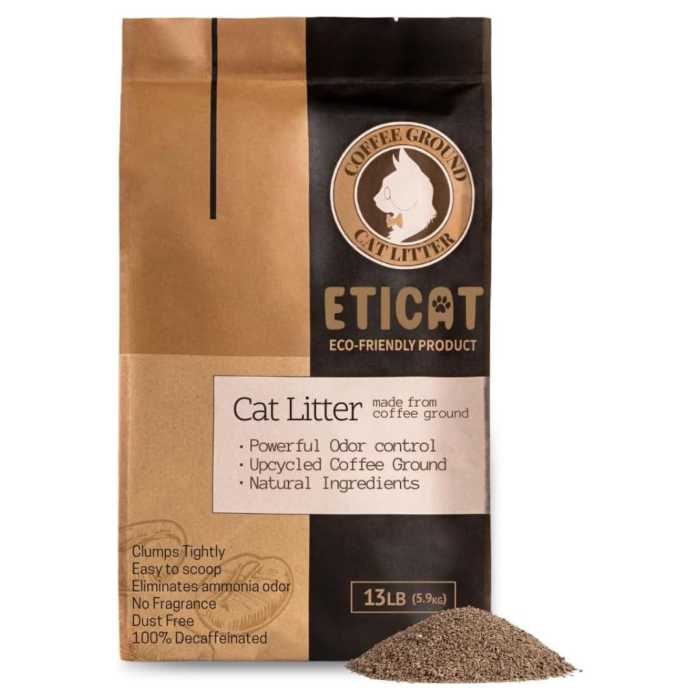
These agricultural byproducts offer a renewable and often biodegradable alternative to clay and wood. Wheat litter is generally absorbent and has a pleasant, slightly sweet scent. However, some cats may be allergic to wheat. Corn litter is also absorbent but can sometimes be dusty. Grass-based litters are relatively new to the market and are often marketed as being particularly gentle on cats’ paws.
The downside is that they can be less effective at odor control compared to other options.
Walnut Shell Litter
Walnut shell litter is gaining popularity for its unique texture and naturally earthy scent. It’s made from the discarded shells of walnuts, making it a sustainable byproduct. The texture is slightly coarser than clay or corn litter, which some cats find appealing. It also boasts excellent odor control, thanks to the natural oils in the walnut shells. However, the scent can be a bit strong for some people.
Coconut Husk Litter
Coconut husk litter is a truly sustainable option, made from the fibrous husks of coconuts – a byproduct of the coconut industry. It’s incredibly absorbent and has excellent clumping abilities, making scooping a breeze. It’s also virtually dust-free and has a neutral scent. The sustainability factor is a major draw, as it utilizes a waste product and requires minimal processing.
Visual Representation of Litter Types
Let’s visualize the structure of these litters. Imagine a cross-section:
- Wood Pellet: Picture a tightly compressed cylinder of wood fibers. The fibers are densely packed, creating a solid structure that breaks down when wet. The surface is relatively smooth, but the interior is a network of interwoven wood strands.
- Corn Litter: Visualize small, irregularly shaped granules. Each granule is composed of compressed corn kernels. The structure is porous, allowing for good absorption. The granules are relatively lightweight and easily break down.
- Walnut Shell: Imagine fragmented pieces of walnut shells. The structure is uneven and textured, with numerous small crevices and pockets. These crevices contribute to the litter’s odor-absorbing properties.
Performance Comparison: Absorbency & Odor Control
Ultimately, the best natural cat litter is one that your cat will use and that effectively manages odors and moisture. But how do these different materials actually perform? Let’s dive into a comparison of absorbency and odor control.
Absorbency Rates
To assess absorbency, a standardized test scenario can be set up. We’ll use a controlled environment with a consistent amount of liquid (e.g., 100ml of water) poured onto a measured amount of each litter type (e.g., 200g). The time it takes for the litter to fully absorb the liquid, and the resulting moisture level, will be recorded. This test should be repeated multiple times to ensure accuracy.
Based on general observations and testing, here’s a relative comparison:
- Wood (Pellets): Moderate absorbency. Pellets tend to swell and break down when wet.
- Wheat: Good absorbency. Wheat granules readily soak up liquid.
- Corn: Very good absorbency. Corn litter is known for its excellent moisture-absorbing capabilities.
- Coconut: Excellent absorbency. Coconut husk litter is highly absorbent and forms solid clumps.
Odor Control Capabilities
Odor control is a crucial factor. Ammonia and fecal odors are the primary culprits. Natural litters often neutralize odors differently than clay litter. Clay litter primarily masks odors with fragrances, while natural litters often absorb and break down odor-causing compounds.
Performance Summary Table
| Litter Type | Absorbency Rate (minutes) | Odor Control – Ammonia | Odor Control – Feces | Dust Level | Clumping Ability |
|---|---|---|---|---|---|
| Wood (Pellets) | 15-20 | Moderate | Moderate | Low | Poor |
| Wheat | 10-15 | Good | Good | Moderate | Fair |
| Corn | 8-12 | Good | Good | Moderate | Good |
| Coconut | 5-10 | Excellent | Excellent | Very Low | Excellent |
Natural litter materials often contain enzymes or compounds that break down ammonia, a major contributor to urine odor. For example, pine litter contains terpenes, which have natural deodorizing properties. Similarly, walnut shells contain tannins, which can bind to odor molecules.
Ultimate Conclusion
Navigating the world of natural cat litter can feel overwhelming, but understanding the different materials, their performance, and the environmental benefits makes the choice much clearer. Whether you’re concerned about dust, odor control, or simply want to reduce your carbon pawprint, there’s a natural litter out there that’s perfect for your cat and your lifestyle. By considering your cat’s preferences and making a gradual transition, you can create a more sustainable and comfortable environment for both of you.
Ultimately, choosing natural cat litter is an investment in your cat’s health, the environment, and a more responsible approach to pet ownership. So, ditch the clay and embrace the natural – your cat (and the planet) will thank you!
FAQ Resource
Can I compost natural cat litter?
It depends! Some natural litters like pine, wheat, corn, and grass are compostable, but always check the specific product’s instructions. Avoid composting litter that has been used by cats with parasites or medications.
How does natural litter control odor compared to clay?
Natural litters often utilize the natural properties of the materials themselves. For example, pine contains terpenes which neutralize ammonia, while walnut shells have a naturally earthy scent that helps mask odors. Clay litter primarily absorbs odors, but doesn’t actively neutralize them.
What’s the best way to transition my cat to natural litter?
Start by mixing a small amount of natural litter with their existing clay litter, gradually increasing the ratio over a week or two. Place both litters side-by-side initially to give your cat options.
Are all natural litters low-dust?
Not necessarily. While many are formulated to be low-dust, some materials like wood shavings can still produce dust. Look for “low-dust” or “dust-free” labels on the packaging.
What if my cat refuses to use the natural litter?
Try a different type of natural litter. Some cats are picky about texture and scent. You can also try adding a small amount of their used urine-soaked clay litter to the new litter to familiarize them with the scent.
Is coconut husk litter really as sustainable as it claims?
Coconut husk litter is generally considered very sustainable as it utilizes a byproduct of the coconut industry that would otherwise be discarded. However, transportation distances can impact its overall environmental footprint.