Have you ever noticed a cat with a subtly striped coat, a pattern that seems to shimmer rather than boldly display stripes? That’s likely a ticked tabby! This fascinating feline pattern, rooted in genetics, creates a unique and often understated beauty. We’re diving deep into the world of ticked tabbies, exploring their origins, the breeds that showcase them best, and the subtle nuances that set them apart from other tabby variations.
Get ready to discover the secrets behind this captivating coat.


The ticked tabby pattern isn’t just about looks; it’s a testament to the intricate workings of feline genetics. The agouti gene plays a starring role, influencing how pigment is distributed along each hair shaft. This results in a “ticked” appearance, where bands of color are present but don’t form the distinct, clear stripes seen in other tabby types. Understanding this genetic basis unlocks a deeper appreciation for the beauty and complexity of these remarkable cats.
Understanding the Enchanting Ticked Tabby Cat
The ticked tabby pattern is one of the most visually striking and genetically fascinating variations within the feline world. It’s a pattern that often evokes a sense of wildness and elegance, and it’s found in a surprising number of breeds. This article will delve into the intricacies of the ticked tabby, exploring its genetics, appearance, common breeds, and more. We’ll unravel the mysteries behind this beautiful coat and give you a deeper appreciation for these unique cats.
Defining the Ticked Tabby Pattern
Source: tcrascolorado.com
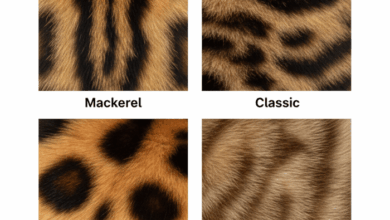
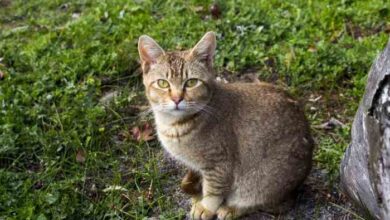
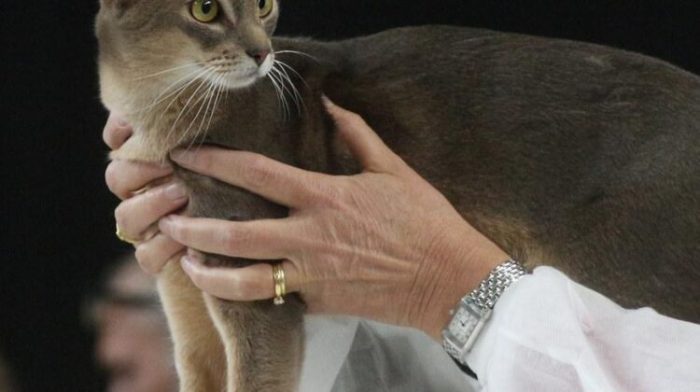
The ticked tabby pattern isn’t your typical tabby. Unlike the more familiar mackerel, classic (blotched), or spotted patterns, the ticked tabby doesn’t display the bold, distinct markings we usually associate with tabby cats. The key lies in the agouti gene. This gene controls whether a cat’s hair shaft is banded with different colors (agouti) or a single, solid color. In ticked tabbies, the agouti gene is expressed, meaning each individual hair is banded with multiple shades.
However, these bands are so closely spaced and evenly distributed that they don’t create the distinct stripes, swirls, or spots seen in other tabby patterns. Instead, the overall effect is a shimmering, salt-and-pepper appearance.The difference is significant. Mackerel tabbies have clear, parallel stripes. Classic tabbies have swirling, blotched patterns. Spotted tabbies, as the name suggests, have distinct spots.
Ticked tabbies lack these distinct markings; the banding is subtle and blends seamlessly. Visually, a ticked tabby appears to have a solid base color with a scattering of darker hairs throughout the coat. The lack of defined markings is the defining characteristic. Historically, the ticked tabby pattern has been observed across various breeds, initially recognized in the Abyssinian, and later appearing in breeds like Somalis, Bengals, and even some Oriental Shorthairs.
Its presence highlights the widespread influence of the agouti gene in feline genetics.
Breeds Commonly Exhibiting Ticked Tabby Patterns
Several cat breeds frequently showcase the ticked tabby pattern, each with its own unique interpretation. Here are ten breeds where you’re likely to encounter this captivating coat:
- Abyssinian: The quintessential ticked tabby, Abyssinians are renowned for their “ticked” appearance.
- Somali: Essentially a longhaired Abyssinian, Somalis display the ticked pattern beautifully in a longer coat.
- Bengal: Bengals can exhibit a ticked tabby pattern alongside their more common rosetted patterns.
- Oriental Shorthair: The ticked pattern is a recognized variation within the Oriental Shorthair breed.
- Egyptian Mau: While known for their spotted pattern, some Egyptian Maus display a ticked tabby variation.
- Toyger: Bred to resemble miniature tigers, Toygers can sometimes show ticked markings.
- Ocicat: This breed, designed to resemble a wild ocelot, can occasionally display a ticked tabby pattern.
- Burmese: Less common, but ticked patterns can appear in Burmese cats.
- Singapura: This small breed can occasionally exhibit a ticked tabby appearance.
- Korat: Rarely, a Korat may display a subtle ticked pattern.
Within the Abyssinian breed, variations in the ticked pattern are common. You’ll find “ruddy” Abyssinians (the classic ticked tabby look), as well as silver, blue, and fawn variations. The intensity of the ticking can also vary, with some cats having a more pronounced shimmer than others. Somali cats, being longhaired Abyssinians, display the ticked pattern in a flowing, luxurious coat.
Bengals, on the other hand, often have a more muted ticked pattern, sometimes appearing as subtle shading within their rosettes. Egyptian Maus, known for their spots, can occasionally display a ticked pattern that’s less distinct than in Abyssinians. Finally, Oriental Shorthairs showcase a wide range of ticked tabby colors and intensities, often with a sleek, refined appearance.
Color Variations within Ticked Tabbies
The color palette of ticked tabby cats is surprisingly diverse. The most well-known is the “ruddy” ticked tabby, characterized by a warm, reddish-brown base color with darker ticking. Then there’s the blue ticked tabby, which has a cooler, grayish-blue base with silver or charcoal ticking. Fawn ticked tabbies display a soft, creamy beige base with lighter ticking, while silver ticked tabbies have a silvery-white base with darker ticking, creating a striking shimmer.The interaction of colorpoint genetics with the ticked tabby pattern results in a fascinating phenomenon: Himalayan-style ticked tabbies.
These cats have a lighter body color with darker points (ears, face, paws, tail), and the ticked pattern is visible throughout their coat. Dilute genes further expand the color possibilities. Dilution of the ruddy color produces a cream ticked tabby, while dilution of the blue color results in a lilac ticked tabby. Rare color combinations, such as chocolate ticked tabbies or cinnamon ticked tabbies, are also occasionally seen, though they are less common.
Distinguishing Ticked Tabbies from Other Patterns
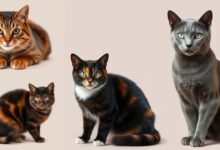
Differentiating a ticked tabby from a solid-colored cat can be tricky, as the banding is subtle. However, careful observation will reveal the presence of slightly darker hairs interspersed throughout the coat. A solid-colored cat will have a uniform color from root to tip of each hair.The distinction between a ticked tabby and a torbie (tortoiseshell tabby) is also important.
Torbies have the classic tortoiseshell patchwork of black and orange (or their dilute versions, gray and cream),plus* tabby markings. Ticked tabbies lack these distinct patches and markings. Finally, a patched tabby (also known as a caliby) combines the patched coloration of a tortoiseshell with the distinct markings of a tabby pattern.To help clarify, here’s a flowchart:
- Is there a clear, distinct pattern of stripes, swirls, or spots? Yes → Tabby (Mackerel, Classic, or Spotted) No → Proceed
- Are there distinct patches of color (e.g., black and orange)? Yes → Torbie or Patched Tabby No → Proceed
- Are there subtle, evenly distributed darker hairs throughout the coat, without distinct markings? Yes → Ticked Tabby No → Solid Color
Grooming and Care Considerations for Ticked Tabbies
Grooming requirements for ticked tabby cats vary depending on their coat length. Shorthaired ticked tabbies, like Abyssinians and Oriental Shorthairs, generally require minimal grooming – a weekly brushing is usually sufficient to remove loose hair and maintain a healthy coat. Longhaired ticked tabbies, such as Somalis and ticked Persians, need more frequent brushing, ideally daily, to prevent mats and tangles.Certain ticked tabby breeds are predisposed to specific health concerns.
Abyssinians, for example, are known to be susceptible to Progressive Retinal Atrophy (PRA), a degenerative eye disease. Regular veterinary checkups and genetic testing can help detect and manage these conditions. To maintain a healthy and shiny coat in all ticked tabby cats, a high-quality diet rich in omega-3 and omega-6 fatty acids is essential.Here’s a table summarizing grooming tasks:
| Grooming Task | Frequency | Recommended Tools |
|---|---|---|
| Brushing | Weekly (Shorthair), Daily (Longhair) | Slicker brush, metal comb |
| Bathing | As needed (usually every few months) | Cat-specific shampoo, towel |
| Nail Trimming | Every 2-3 weeks | Nail clippers |
The Appearance of Ticked Tabby Kittens
Ticked tabby kittens don’t immediately display the full extent of their ticked pattern at birth. Newborn kittens often appear to be a solid color, with only a faint hint of ticking visible. As they grow, the ticked pattern gradually becomes more apparent. At around four to six weeks of age, the banding on individual hairs starts to become more noticeable.
By six months of age, the ticked pattern is usually fully developed, and the cat’s adult coat color and markings are clearly visible.The differences in markings between a newborn and a six-month-old ticked tabby kitten are striking. A newborn kitten might appear to be a solid fawn or gray, while a six-month-old kitten will have a shimmering, salt-and-pepper appearance with a distinct ticked pattern.
The fur development timeline involves a gradual increase in banding intensity and color contrast as the kitten matures.
Illustrative Descriptions of Ticked Tabby Cats
Let’s paint some pictures with words:
- Ruddy Ticked Tabby: Imagine a cat with a warm, golden-brown coat, like sun-baked earth. Its fur shimmers with darker brown ticking, creating a subtle, almost metallic sheen. The eyes are a vibrant copper or amber, reflecting the warmth of its coat. This cat is typically active and playful, with a curious and affectionate personality.
- Silver Ticked Tabby: Picture a cat with a silvery-white base coat, overlaid with darker charcoal or gray ticking. The contrast is striking, creating a dazzling, almost ethereal appearance. The eyes are often a brilliant green or gold. This cat tends to be calm and observant, with a quiet dignity.
- Blue Ticked Tabby: Envision a cat with a soft, grayish-blue coat, like a misty morning sky. The ticking is a darker shade of gray, creating a subtle, muted shimmer. The eyes are a gentle green or gold. This cat is known for its relaxed and affectionate nature, often seeking out a cozy spot to nap.
- Ticked Tabby with Green Eyes: A cat with a rich, brown ticked coat and piercing green eyes. The eyes are almond-shaped, with a captivating intensity that seems to hold ancient secrets. The gaze is direct and unwavering, conveying a sense of intelligence and confidence.
Ticked Tabby Patterns in Different Fur Lengths
The ticked tabby pattern manifests differently in shorthaired versus longhaired breeds. In shorthaired breeds, the ticking is more readily visible due to the shorter hair length. The banding is clearly defined, creating a shimmering effect. In longhaired breeds, the ticking is still present, but it can be slightly obscured by the longer fur. The overall effect is a softer, more diffused shimmer.A ticked tabby Persian will have a luxurious, flowing coat with subtle ticking, while a ticked tabby Maine Coon will have a shaggy, water-repellent coat with a more pronounced shimmer.
The fur texture significantly impacts the visibility of the ticked pattern in longhaired cats; a smoother, finer texture will allow the ticking to be more apparent than a coarser, thicker texture.
Grooming a ticked tabby shorthair is a relatively straightforward task, requiring only weekly brushing to maintain a healthy coat. However, grooming a ticked tabby longhair is a more demanding commitment, requiring daily brushing to prevent mats and tangles and maintain the coat’s luxurious appearance.
The Role of Genetics in Ticked Tabby Expression
The expression of the ticked tabby pattern is a complex interplay of multiple genes. The agouti gene is the primary determinant, but other modifier genes also play a role in influencing the intensity and distribution of the ticking. These modifier genes can affect the width of the banding, the contrast between the bands, and the overall appearance of the pattern.Recessive genes can also influence the intensity of the ticked pattern.
For example, a cat with one copy of a recessive gene that reduces ticking intensity may have a more subtle ticked pattern than a cat without that gene.[Simplified Diagram: Agouti Gene (determines banding) -> Modifier Genes (influence banding intensity & distribution) -> Recessive Genes (can further modify ticking)]
Cultural Significance and Symbolism of Ticked Tabby Cats
While ticked tabby cats don’t have as many specific cultural associations as some other coat patterns (like calicos), their wild and elegant appearance often evokes a sense of mystery and grace. In some cultures, cats in general are seen as symbols of good luck and independence, and the ticked tabby’s unique appearance may amplify these qualities.Ticked tabby cats have occasionally appeared in art and literature, often representing a sense of wildness or exoticism.
Their shimmering coats and striking eyes make them visually appealing subjects for artists. Common nicknames for ticked tabby cats include “tickedies,” “shimmer cats,” and “wildlings.”
End of Discussion
From the elegant Abyssinians to the striking Egyptian Maus, the ticked tabby pattern graces a diverse range of breeds, each showcasing its own unique interpretation. Whether it’s the warm glow of a ruddy ticked tabby or the cool shimmer of a silver one, these cats possess a quiet charm that captivates. So, the next time you encounter a cat with a subtly striped coat, take a closer look – you might just be witnessing the magic of the ticked tabby pattern!
Ultimately, appreciating the ticked tabby is about recognizing the beauty in subtlety. It’s a reminder that sometimes, the most captivating patterns are those that reveal themselves with a little closer inspection. And with a little knowledge of genetics and breed characteristics, you can become a true connoisseur of these uniquely beautiful felines.
FAQ
Why are ticked tabbies sometimes called “agouti tabbies”?
The term “agouti tabby” stems from the agouti gene, which is the primary genetic factor responsible for the ticked pattern. It essentially describes the genetic mechanism behind the appearance.
Can a cat be both a ticked tabby and a colorpoint?
Yes! When the ticked tabby pattern combines with colorpoint genetics, you get a stunning Himalayan-style ticked tabby, with darker points on the face, ears, paws, and tail.
How can I tell if my cat is a ticked tabby if the pattern is very faint?
Look closely at individual hairs under good lighting. You should be able to see subtle banding of color along the hair shaft, even if the overall pattern isn’t obvious.
Are ticked tabby cats more prone to specific health problems?
Certain breeds that commonly exhibit the ticked tabby pattern, like Abyssinians, may be predisposed to conditions like Progressive Retinal Atrophy (PRA). Regular vet checkups are crucial for all cats, but especially important for breeds with known genetic predispositions.
Do male and female ticked tabbies look different?
Generally, no. The ticked tabby pattern is not sex-linked, so males and females of the same breed will exhibit the pattern similarly.
What’s the difference between a ticked tabby and a “torbie”?
A torbie (tortoiseshell tabby) combines the ticked tabby pattern with patches of red or cream, creating a mottled appearance. Ticked tabbies lack these distinct patches.