Torbie cats, a delightful blend of tortoiseshell and tabby patterns, are captivating felines that often spark curiosity. These gorgeous kitties aren’t just visually striking; they represent a fascinating intersection of genetics, resulting in a wide range of appearances and, potentially, personalities. We’ll dive deep into what makes torbies special, exploring their origins, health considerations, and the unique charm they bring to our lives.
Understanding the genetic basis behind the torbie pattern is key. It’s a complex combination of genes influencing both the tortoiseshell (orange and black, or dilute versions) and tabby (striped or swirled) markings. While similar-looking cats can arise from other genetic factors, a true torbie showcases a distinct interplay of these two patterns, creating a truly one-of-a-kind coat.
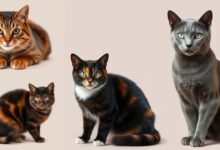

The Enchanting World of Torbie Cats
Torbie cats – a delightful blend of tortoiseshell and tabby patterns – are truly captivating. Their unique coats, often a swirling mix of colors and stripes, make them instantly recognizable and endlessly fascinating. But what exactlyis* a torbie, and what makes them so special? This article dives deep into the genetics, behavior, health, and care of these gorgeous felines, separating fact from folklore and providing you with everything you need to know about these charming companions.
Defining Torbie Cats
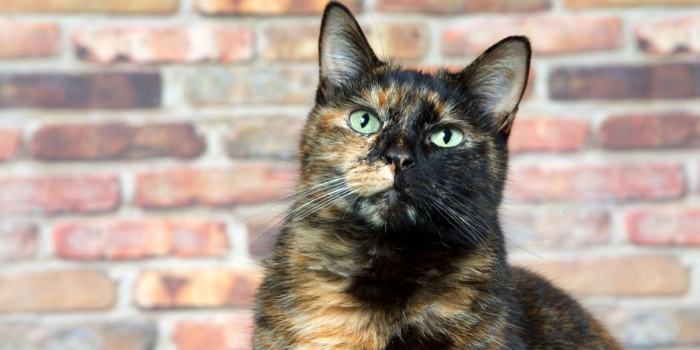
Source: cats.com
The term “torbie” is a portmanteau of “tortoiseshell” and “tabby,” perfectly describing the cat’s appearance. Understanding how this pattern arises requires a bit of genetics. The tortoiseshell pattern is primarily linked to the X chromosome. Female cats (XX) can express both orange and black, resulting in the classic tortoiseshell mix. Male cats (XY) typically express only one color.
However, a rare genetic anomaly – Klinefelter syndrome (XXY) – can occur in males, allowing them to display the tortoiseshell pattern. The tabby pattern, on the other hand, is controlled by a separate gene, the agouti gene, which determines whether a cat displays stripes, swirls, or other tabby markings. When these two genetic factors combine, you get a torbie!The key difference between a true torbie and a cat with a similar appearance lies in the underlying genetics.
Some cats mightlook* like torbies due to a combination of diluted colors or other patterns, but they lack the distinct tortoiseshell-tabby genetic combination. A true torbie will have both the tortoiseshell (orange/black or cream/gray) and tabby markings clearly visible.Torbie cats exhibit a wide range of color variations. The most common are orange and black (or their dilute versions, cream and gray).
However, you can also find torbies with red and brown, blue and chocolate, or even lilac and fawn combinations. The intensity of the colors and the prominence of the tabby markings can vary greatly, creating a stunning array of unique patterns.Here’s a table summarizing common color combinations:
| Color Combination | Description | Common Breed Association | Rarity (Low, Medium, High) |
|---|---|---|---|
| Orange & Black | Classic tortoiseshell with distinct tabby stripes. | Domestic Shorthair, Maine Coon | Medium |
| Cream & Gray | Diluted version of orange and black, softer colors. | British Shorthair, Persian | Medium |
| Red & Brown | Rich, warm tones with tabby markings. | American Bobtail, Norwegian Forest Cat | High |
| Blue & Chocolate | Cooler tones with a sophisticated look. | Russian Blue, Exotic Shorthair | High |
Breed Prevalence of Torbie Patterns
While the torbie pattern can appear in many breeds, it’s more frequently observed in certain ones. Maine Coons, for example, are known for their striking torbie coats, often displaying bold tabby markings alongside the tortoiseshell pattern. Similarly, British Shorthairs and Persians frequently exhibit torbie patterns, particularly in dilute colors like cream and gray. Domestic Shorthairs and Longhairs, being a diverse mix of breeds, also show a significant prevalence of torbie patterns.The reason some breeds are more prone to exhibiting the torbie pattern is largely due to genetics.
Certain breeds have a higher frequency of the genes responsible for both the tortoiseshell and tabby patterns. Selective breeding practices can also influence the prevalence of these patterns. Breeders may intentionally or unintentionally select for cats with desirable coat colors and markings, leading to a higher occurrence of torbie patterns within specific breeds.Domestic Shorthair and Longhair cats, due to their mixed ancestry, display a wide range of torbie patterns.
You’ll find everything from subtle tabby markings to bold, swirling patterns, and a vast spectrum of color combinations. This makes them a particularly interesting group to study when it comes to torbie genetics.Imagine a spectrum representing the likelihood of a breed exhibiting a torbie pattern. On one end, you’d have breeds like Siamese and Russian Blue, which rarely display the pattern (represented by a light shade of blue).
Moving along the spectrum, you’d find breeds like British Shorthair and Persian (a medium shade of green), indicating a moderate prevalence. Finally, at the other end, you’d have breeds like Maine Coon and American Bobtail (a dark shade of orange), signifying a high likelihood of encountering torbie patterns. The gradient would visually represent the varying genetic predispositions across different breeds.
Temperament and Behavior of Torbie Cats
Anecdotal evidence and observations often paint torbie cats as having a unique personality. Many owners describe them as being fiercely independent yet surprisingly affectionate, possessing a playful spirit combined with a touch of regal aloofness. They’re often said to be intelligent and curious, always exploring their surroundings and seeking out new adventures.Compared to solid-colored or tabby-only cats, torbie cats are sometimes perceived as having a more complex and dynamic temperament.
While generalizations are always risky, some believe the combination of genetic factors contributing to their coat pattern might also influence their behavior. The “tortoiseshell” aspect is often associated with a strong-willed and sometimes sassy personality, while the “tabby” influence can add a layer of playfulness and curiosity.It’s important to remember that genetics are only one piece of the puzzle. Environmental factors, such as early socialization, training, and the presence of other pets, also play a significant role in shaping a cat’s behavior.
A torbie cat raised in a loving and stimulating environment is likely to be well-adjusted and confident, regardless of their genetic predispositions.Here’s a breakdown of common behavioral characteristics reported in torbie cats:
- Playful: Torbie cats often enjoy interactive toys, chasing laser pointers, and engaging in games of hide-and-seek. They have a natural curiosity and love to explore.
- Affectionate: While independent, torbie cats are often very affectionate with their chosen humans, enjoying cuddles, head scratches, and lap time.
- Independent: They appreciate having their own space and may spend a significant amount of time exploring or napping on their own.
- Vocal: Many torbie cats are known for being quite vocal, using meows, chirps, and trills to communicate their needs and desires.
Health Considerations Specific to Torbie Cats
While torbie cats are generally healthy, there are a few health predispositions that may be more common in cats with the tortoiseshell/tabby pattern. The most notable is feline hyperesthesia syndrome (FHS), a neurological disorder characterized by heightened sensitivity to touch, leading to excessive grooming, skin twitching, and anxiety. While not exclusively linked to torbie cats, studies suggest a higher prevalence in tortoiseshell and calico cats, and by extension, torbies.The genetic factors responsible for the torbie pattern, particularly the presence of the X chromosome and its associated genes, might influence overall health.
The complex interplay of genes involved in coat color can sometimes be linked to other genetic traits, potentially increasing the risk of certain conditions.Here’s a table outlining potential health concerns:
| Condition | Description | Prevalence (Low, Medium, High) | Management Strategies |
|---|---|---|---|
| Feline Hyperesthesia Syndrome (FHS) | Neurological disorder causing heightened sensitivity to touch. | Medium | Medication, environmental enrichment, stress reduction. |
| Urinary Tract Issues | Increased risk of urinary tract infections and crystals. | Low | Increased water intake, specialized diet, regular vet checkups. |
| Hyperthyroidism | Overactive thyroid gland, leading to weight loss and increased appetite. | Low | Medication, dietary management, regular vet checkups. |
Caring for a Torbie Cat: Specific Needs
Nutrition for active torbie cats should focus on high-quality protein sources to support their energy levels and muscle development. Look for cat food with real meat as the primary ingredient and avoid fillers like corn and wheat. A balanced diet with appropriate levels of fat and carbohydrates will help keep them healthy and energetic.Grooming requirements depend on the coat length.
Shorthair torbie cats require minimal grooming, typically a weekly brushing to remove loose hair and prevent matting. Longhair torbie cats, like Maine Coons or Persians, need daily brushing to prevent tangles and mats. Regular nail trims and ear cleaning are also essential for all torbie cats.Environmental enrichment is crucial for keeping torbie cats stimulated and preventing boredom. Provide plenty of interactive toys, scratching posts, climbing structures, and window perches.
Rotate toys regularly to keep things interesting. Puzzle feeders can also provide mental stimulation and slow down eating.Introducing a new torbie cat to a household with existing pets requires a gradual and patient approach. Start by keeping the new cat in a separate room with its own food, water, and litter box. Allow them to sniff each other under the door.
Gradually introduce supervised short visits, increasing the duration as they become more comfortable. Ensure there are plenty of resources (food, water, litter boxes, beds) to avoid competition.
Distinguishing Torbies from Other Patterns
Differentiating a torbie from a calico cat is a common challenge. The key difference lies in the presence of tabby markings. Calico cats have patches of white, black, and orange (or diluted versions), but they lack the distinct stripes or swirls of a torbie. A torbie will have the tortoiseshell pattern
combined* with tabby markings.
Distinguishing a torbie from a patched tabby cat can also be tricky. Patched tabby cats have tabby markings within the patches of color, but the overall pattern doesn’t have the distinct tortoiseshell mix. The patches in a patched tabby are more defined and less blended than the swirling colors of a torbie.Accurately identifying a torbie pattern, especially in kittens, can be challenging.
The patterns can be subtle and may not become fully apparent until the kitten matures. Close observation of the coat and a good understanding of genetics can help in making an accurate assessment.Visually, imagine a calico cat: large, distinct patches of white, black, and orange. Now picture a patched tabby: patches of color (like black and orange) but
within* those patches, you see clear tabby stripes. Finally, envision a torbie
a swirling, blended mix of orange and black (or their dilute versions), with subtle tabby markings woven throughout the pattern. The torbie’s colors are less defined and more integrated than either the calico or patched tabby.
The History and Evolution of the Torbie Pattern
Historically, tortoiseshell and tabby patterns were often viewed with superstition. In some cultures, tortoiseshell cats were believed to bring good luck, while in others, they were associated with witchcraft. The understanding of the genetic basis of these patterns only began to emerge in the 20th century.Breeding practices have significantly influenced the prevalence of the torbie pattern. Breeders who prioritize specific coat colors and markings have inadvertently selected for cats with the torbie pattern.
The increasing popularity of breeds like Maine Coons and British Shorthairs, known for their torbie variations, has further contributed to the pattern’s visibility.Genetic mutations play a crucial role in the development of the torbie pattern. The X-chromosome inactivation process, which determines the expression of orange and black colors in female cats, and the agouti gene, which controls the presence of tabby markings, are both subject to mutations that can lead to the unique combination seen in torbie cats.Here’s a timeline illustrating the evolution of understanding and breeding related to the torbie pattern:
- Ancient Times: Tortoiseshell and tabby patterns viewed with superstition and folklore.
- Early 20th Century: Initial observations of genetic inheritance patterns in coat color.
- 1960s: Discovery of the X-chromosome inactivation process and its role in tortoiseshell patterns.
- 1970s-1990s: Increased focus on selective breeding for specific coat colors and markings, leading to a rise in torbie prevalence.
- 21st Century: Advancements in genetic testing allow for more precise identification and understanding of torbie genetics.
Unique Characteristics of Torbie Coat Patterns
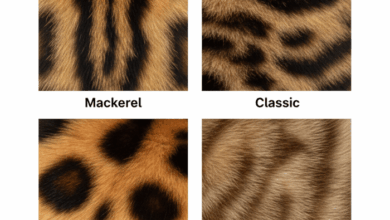
The tabby markings within the tortoiseshell pattern can vary significantly. You might see mackerel stripes (narrow, parallel stripes), classic swirls (bold, swirling patterns), or ticked markings (where each hair has bands of color). The combination of these tabby variations with the tortoiseshell base creates an incredibly diverse range of coat patterns.The distribution of orange and black (or dilute colors) can also vary greatly in torbie cats.
Some may have a predominantly orange coat with small patches of black, while others may have a more even mix of colors. The intensity and placement of the colors contribute to the unique appearance of each torbie.”Ghost tabby” markings are a fascinating phenomenon in torbie cats. These are faint, almost invisible tabby markings that are only visible under certain lighting conditions or when the cat’s fur is wet.
They are a remnant of the tabby gene expression, even though the markings are not fully visible.
The visual impact of a torbie coat is a mesmerizing interplay of colors and patterns. The swirling blend of tortoiseshell hues, interwoven with the subtle elegance of tabby stripes, creates a truly captivating and unique aesthetic. It’s a living tapestry of nature’s artistry.
Torbie Cats in Popular Culture and Art
Torbie cats, or cats with similar tortoiseshell patterns, have occasionally graced the pages of literature and the silver screen. While not always explicitly identified as “torbies,” their distinctive coats have often been used to add character and visual interest to fictional characters. Artwork throughout history has also depicted cats with tortoiseshell and tabby markings, often symbolizing good luck or mystery.The symbolism associated with tortoiseshell and tabby patterns varies across cultures.
Tortoiseshell cats are often considered to be lucky and protective, while tabby markings are sometimes associated with independence and intelligence. These symbolic associations have influenced how torbie cats are portrayed in art and literature.The unique appearance of torbie cats has undoubtedly influenced artistic representations. Their striking coats provide a visually appealing subject for artists, and their perceived personality traits often inspire creative storytelling.Here’s a list of famous fictional or real-life cats with torbie-like patterns:
- Salem Saberhagen (Sabrina the Teenage Witch): A black and orange tortoiseshell cat with a sarcastic wit and magical abilities.
- Crookshanks (Harry Potter series): A half-Kneazle with a distinctive tortoiseshell pattern, known for his intelligence and loyalty.
- Many historical figures’ cats: Throughout history, numerous prominent individuals have kept tortoiseshell cats, often attributing them with good luck and companionship.
Responsible Breeding and Torbie Cats
Ethical considerations are paramount when breeding torbie cats. Breeders should prioritize the health and temperament of their cats above all else, avoiding practices that could lead to genetic health problems or behavioral issues. Inbreeding should be avoided to maintain genetic diversity and reduce the risk of inherited diseases.Selecting healthy breeding pairs is crucial for minimizing the risk of genetic health problems.
Breeders should carefully evaluate the health history of potential breeding cats, looking for any signs of hereditary conditions. Pairing cats with complementary genetic traits can help to reduce the likelihood of passing on undesirable genes.Genetic testing plays an increasingly important role in responsible torbie cat breeding programs. Testing can identify carriers of genetic diseases, allowing breeders to make informed decisions about which cats to breed together.
This helps to ensure that future generations of torbie cats are healthy and free from inherited conditions.Here’s a table outlining key factors to consider when evaluating a torbie cat breeder:
| Factor | Description |
|---|---|
| Health Testing | Breeders should conduct genetic testing for common feline diseases and provide proof of testing results. |
| Temperament Assessment | Breeders should assess the temperament of their cats and prioritize breeding cats with friendly and well-adjusted personalities. |
| Transparency | Breeders should be open and honest about the health and genetic history of their cats. |
| Reputation | Check online reviews and ask for references from previous buyers. |
Final Review
From their intriguing genetic origins to the anecdotal tales of their personalities, torbie cats offer a rich and rewarding subject for cat lovers. Whether you’re a seasoned breeder, a curious owner, or simply appreciate the beauty of a unique feline, this exploration of torbies hopefully sheds light on these captivating creatures and the special place they hold in the world of cats.
Ultimately, each torbie is a unique masterpiece, a testament to the wonders of genetics and the enduring appeal of our feline companions.
Common Queries
Why are torbie cats often considered “rare”?
While not exceedingly rare, the specific combination of genes required for the torbie pattern makes it less common than solid colors or standard tabby patterns. It’s a result of a complex genetic interaction, not a single dominant gene.
Can male cats be torbies?
Yes, but it’s extremely rare. Male torbies are almost always sterile due to the genetic requirements for the tortoiseshell pattern (linked to the X chromosome). When they do occur, they are a genetic anomaly.
Do torbie cats have specific health problems?
While not inherently predisposed to specific diseases, the genetic factors involved in the tortoiseshell pattern have been linked to a slightly increased risk of certain conditions like feline hyperesthesia syndrome. Regular vet checkups are always important.
How can I tell the difference between a torbie and a calico?
The key difference is the presence of tabby markings. Calicos have distinct patches of black, orange, and white, without the stripes or swirls characteristic of a tabby pattern. Torbies have those tabby markings
-within* the tortoiseshell patches.
What does “ghost tabby” mean in a torbie cat?
Ghost tabby markings are faint, subtle tabby patterns that are visible under certain lighting conditions or when the cat’s fur is wet. They’re a remnant of the tabby gene, even though the markings aren’t as prominent as in a typical tabby.
Are torbie cats known for a particular personality?
Anecdotally, torbie cats are often described as having a spirited and independent personality, sometimes referred to as “tortitude.” However, personality is influenced by many factors, including genetics, environment, and socialization.