The diluted tortoiseshell cat – a swirl of soft creams, blues, and fawns – is a truly captivating sight. These gorgeous felines aren’t just beautiful; they’re a fascinating blend of genetics and chance, resulting in a unique and often striking appearance. We’ll dive deep into what makes these cats so special, exploring their genetics, health considerations, and the breeds where you’re most likely to find them.
Get ready to learn everything you’ve ever wanted to know about these enchanting creatures!
The tortoiseshell pattern itself is a result of the interaction between the orange and non-orange genes, and the ‘dilute’ gene simply softens those colors, creating a more pastel palette. This genetic quirk, combined with random X-chromosome inactivation, leads to the distinctive mottled appearance that makes each diluted tortie utterly unique. It’s a beautiful example of how genetics can create such variety within the feline world.
Defining the Diluted Tortoiseshell Pattern
Source: hepper.com
The tortoiseshell cat, with its striking patchwork of colors, has always captivated cat lovers. But have you heard of the diluted tortoiseshell? It’s a variation on this classic pattern, offering a softer, more muted palette. Understanding the genetics behind this beautiful coat requires a bit of exploration, but it’s well worth the effort. This section will break down the science and aesthetics of the diluted tortoiseshell, explaining what makes it unique.The tortoiseshell pattern itself arises from a fascinating genetic quirk.
It’s linked to the X chromosome, and the orange/non-orange gene (also known as the O gene) plays a crucial role. This gene determines whether a cat produces orange pigment (pheomelanin) or black pigment (eumelanin). Female cats have two X chromosomes (XX), meaning they can express both orange and black, resulting in the tortoiseshell pattern. Male cats, with their XY chromosomes, typically express only one color – either orange or black.
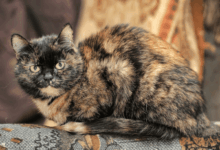
The ‘dilute’ gene then modifies these base colors, softening them into their pastel shades.A diluted tortoiseshell cat exhibits a coat where both the orange and black pigments are “diluted.” This dilution is caused by a recessive gene (d) that affects melanin production. Instead of vibrant orange and black, you’ll see softer hues like cream, blue (a diluted black), and fawn (a diluted orange).
The pattern remains mottled, but the colors are significantly lighter. The key difference between a standard tortoiseshell and a diluted tortoiseshell lies in the intensity of the colors. Standard tortoiseshells boast bold, rich tones, while diluted tortoiseshells display a more subtle, pastel appearance.Here’s a table illustrating the color variations:
| Color Component | Standard Tortoiseshell | Diluted Tortoiseshell | Genetic Modifier |
|---|---|---|---|
| Orange/Red | Bright Orange, Red, Rusty | Cream, Pale Orange, Fawn | dd (dilute gene) |
| Black | Deep Black | Blue (Gray), Slate | dd (dilute gene) |
| Yellow | Bright Yellow | Pale Yellow | dd (dilute gene) |
| Brown | Rich Brown | Taupe | dd (dilute gene) |
Genetics and Inheritance of the Diluted Tortie
Understanding how diluted tortoiseshell cats are born requires delving into the intricacies of X-linked inheritance. The orange/non-orange gene, located on the X chromosome, dictates whether a cat produces orange or black pigment. A female cat (XX) inherits one X chromosome from her mother and one from her father. Each X chromosome can carry either the orange (O) allele or the non-orange (o) allele.
If a female inherits one O and one o allele, she will display the tortoiseshell pattern. The ‘dilute’ gene (d) then modifies this pattern, as described previously.Random X-chromosome inactivation, also known as Lyonization, is a crucial factor in the tortoiseshell pattern. In female mammals, one of the two X chromosomes in each cell is randomly inactivated during early development.
This means that in some cells, the orange allele will be active, while in others, the non-orange allele will be active. This random inactivation creates the mottled appearance characteristic of tortoiseshell cats. The dilute gene simply affects the color of the active alleles.The rarity of male diluted tortoiseshells is directly linked to their XY chromosome configuration. For a male cat to be a tortoiseshell, he would need to have two X chromosomes – a condition known as Klinefelter’s syndrome (XXY).
This is a very rare genetic anomaly, and male tortoiseshells are almost always sterile. Therefore, diluted tortoiseshells are overwhelmingly female, as they require the two X chromosomes necessary for the expression of both orange and diluted pigments.Here’s a flowchart illustrating the genetic pathways:
- Start: Female Cat (XX)
- Inheritance: Receives X chromosome from Mother (can be O or o) and X chromosome from Father (can be O or o)
- Possible Combinations: OO, Oo, oO, oo
- OO or oo: Solid Orange or Solid Non-Orange (Black)
- Oo or oO: Tortoiseshell Pattern
- Dilute Gene (dd): If both parents carry the dilute gene (dd), the offspring has a chance of being a Diluted Tortoiseshell.
- Result: Diluted Tortoiseshell (Cream, Blue, Fawn)
Distinguishing Diluted Torties from Other Patterns
While diluted tortoiseshells are undeniably beautiful, they can sometimes be confused with other coat patterns. It’s important to understand the key differences to accurately identify a diluted tortie. The primary distinction between a diluted tortoiseshell and a calico cat lies in the presence of white markings. Calico cats have distinct patches of white alongside their orange and black (or diluted versions), whereas diluted tortoiseshells typically lack significant white markings.
The colors blend together in a mottled pattern.Torbie cats, or tortoiseshell tabbies, present a different challenge. These cats exhibit the tortoiseshell patterncombined* with tabby markings (stripes, swirls, or spots). A diluted tortoiseshell may also have subtle tabby markings, but these markings are typically less pronounced than in a torbie. The key is to look for distinct, clear tabby patterns versus a more blended, mottled appearance.Differentiating a diluted tortoiseshell from a cream point cat requires careful observation.
Cream point cats have a lighter body color with darker points (ears, face, paws, tail). Diluted tortoiseshells, on the other hand, have a mottled pattern of diluted colors across their entire body, without the distinct point coloration.Here’s a bulleted list outlining visual cues:
- Diluted Tortoiseshell: Mottled pattern of cream, blue, and fawn colors across the entire body. Minimal to no white markings.
- Calico: Distinct patches of white, orange, and black (or diluted versions).
- Torbie: Tortoiseshell pattern with clear tabby markings (stripes, swirls, or spots).
- Cream Point: Light body color with darker points (ears, face, paws, tail).
Identifying tabby markings within a diluted tortoiseshell coat can be tricky. Look closely for subtle stripes or swirls within the mottled pattern. These markings may be faint and blended, but they are often present. The tabby pattern will be less defined than in a true torbie cat.
Health Considerations Specific to Diluted Tortoiseshells
The tortoiseshell pattern, in general, has been linked to a potential predisposition to certain health conditions. While the exact mechanisms are still being researched, some studies suggest a possible association between the tortoiseshell pattern and conditions like hyperthyroidism and heart disease. However, it’s crucial to remember that these are predispositions, not guarantees, and many tortoiseshell cats live long, healthy lives.Specific health concerns more prevalent in diluted tortoiseshells are still under investigation.
Anecdotal evidence suggests a possible increased risk of certain autoimmune disorders, but more research is needed to confirm this. It’s important to note that these are observations, and not definitively proven links.The “tortoiseshell cat syndrome” is a term sometimes used to describe the perceived tendency of tortoiseshell cats (and their diluted variations) to have a more assertive or even “grumpy” personality.
While many owners report their tortoiseshell cats having strong personalities, there’s no scientific evidence to support a direct link between coat color and temperament. Personality is a complex trait influenced by genetics, environment, and individual experiences.Regardless of coat pattern, preventative care is essential for all cats. This includes regular veterinary checkups, vaccinations, parasite prevention, and a healthy diet. Early detection and intervention can significantly improve the health and longevity of any cat.Here’s a table summarizing potential health concerns and preventative measures:
| Potential Health Concern | Description | Preventative Measures |
|---|---|---|
| Hyperthyroidism | Overactive thyroid gland, leading to various symptoms. | Regular veterinary checkups, thyroid hormone testing. |
| Heart Disease | Various conditions affecting the heart’s function. | Regular veterinary checkups, healthy diet, exercise. |
| Autoimmune Disorders | The body’s immune system attacks its own tissues. | Early detection through veterinary checkups, prompt treatment. |
| Dental Disease | Common in cats, can lead to pain and other health problems. | Regular dental cleanings, dental chews, proper diet. |
Appearance and Physical Characteristics
Diluted tortoiseshell cats exhibit a wide range of body types and sizes, depending on their breed. They can be anything from petite and slender to robust and muscular. However, they generally share a graceful and elegant appearance. Their size typically ranges from 6 to 12 pounds, although this can vary significantly.Eye color in diluted tortoiseshells is equally diverse.
You might see shades of green, gold, yellow, or even blue. The eye color often complements the overall coat coloration, creating a striking contrast.Coat length varies considerably, ranging from short and sleek to long and flowing. Short-haired diluted tortoiseshells have a smooth, close-fitting coat, while long-haired varieties boast a luxurious, fluffy appearance. The length of the coat impacts the overall appearance, with long-haired cats appearing more dramatic and fluffy.The texture of a diluted tortoiseshell’s coat is typically soft and silky.
The diluted pigments give the coat a muted, almost ethereal quality. The fur feels plush and luxurious to the touch.
“Seraphina, a British Shorthair diluted tortoiseshell, was a vision of understated elegance. Her coat was a swirling blend of cream, blue, and fawn, like a watercolor painting come to life. Sunlight caught the subtle variations in her fur, creating a shimmering effect. Her eyes, a luminous gold, held a quiet intelligence, and her presence radiated a gentle serenity.”
Breed Prevalence of Diluted Tortoiseshell Patterns
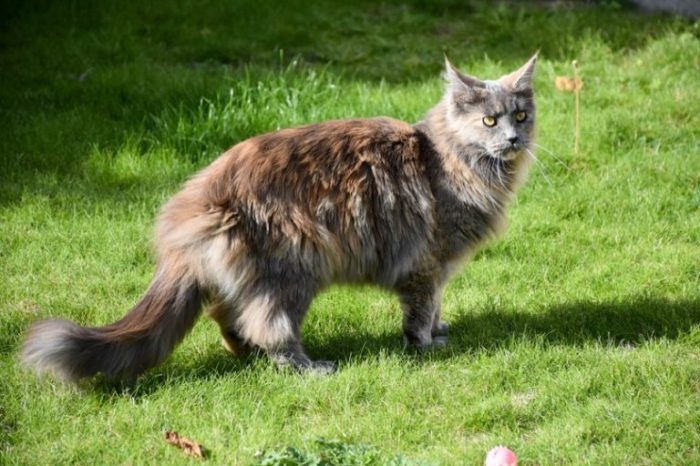
The diluted tortoiseshell pattern is particularly common in certain breeds. The British Shorthair is perhaps the most well-known breed to frequently exhibit this pattern, with diluted tortoiseshells being highly sought after. Maine Coons also commonly display the diluted tortoiseshell pattern, adding to their already impressive size and luxurious fur.Within the British Shorthair breed, the diluted tortoiseshell pattern is considered a standard color variation.
Maine Coons, while accepting of many colors, see the diluted tortoiseshell as a beautiful and desirable trait. The frequency of the diluted tortoiseshell pattern varies within each breed, but it’s generally more prevalent than in mixed-breed cats.Breed standards often influence the appearance of diluted tortoiseshells. For example, British Shorthair standards specify a round face and a cobby body, which contributes to the overall appearance of a diluted tortoiseshell British Shorthair.
Maine Coon standards emphasize a long, flowing coat and a large size, which enhances the dramatic effect of the diluted tortoiseshell pattern.Less common breeds that can exhibit the diluted tortoiseshell pattern include Persians, Turkish Angoras, and Norwegian Forest Cats. While not as frequently seen as in British Shorthairs or Maine Coons, the diluted tortoiseshell pattern can add a unique touch to these breeds.Here’s a table summarizing breed characteristics:
| Breed | Typical Diluted Tortoiseshell Characteristics |
|---|---|
| British Shorthair | Round face, cobby body, dense, plush coat, often with a “tipped” appearance. |
| Maine Coon | Large size, long, flowing coat, tufted ears, bushy tail. |
| Persian | Long, luxurious coat, round face, short nose. |
| Turkish Angora | Semi-long, silky coat, elegant build, often with a ruff around the neck. |
Caring for a Diluted Tortoiseshell Cat
The specific grooming needs of diluted tortoiseshell cats depend largely on their coat length. Short-haired diluted tortoiseshells require minimal grooming, typically just a weekly brushing to remove loose fur and prevent matting. Long-haired varieties, however, benefit from daily brushing to prevent tangles and mats. Regular bathing is generally not necessary unless the cat becomes particularly dirty.Nutritional requirements for diluted tortoiseshells are the same as for any cat: a high-quality, balanced diet appropriate for their age and activity level.
Look for cat food that is rich in protein and essential nutrients to support optimal health and a shiny coat.Regular veterinary checkups and vaccinations are crucial for maintaining the health of any cat, regardless of coat pattern. Annual checkups allow your veterinarian to monitor your cat’s overall health and detect any potential problems early on.Providing enrichment and mental stimulation is essential for keeping your diluted tortoiseshell cat happy and engaged.
This can include interactive toys, scratching posts, climbing structures, and opportunities for play and exploration.Here’s a bulleted list outlining a daily routine for a diluted tortoiseshell cat:
- Morning: Provide fresh food and water. Short play session with interactive toys.
- Midday: Brushing (especially for long-haired cats). Quiet time for napping.
- Afternoon: Another short play session. Opportunity for exploration and climbing.
- Evening: Dinner. Cuddle time and gentle petting.
- Night: Safe and comfortable sleeping spot.
Concluding Remarks
From their complex genetics to their charming personalities, diluted tortoiseshell cats are a joy to learn about and even more wonderful to share our lives with. Understanding their unique needs, from grooming to potential health considerations, allows us to provide the best possible care for these stunning companions. Whether you’re a seasoned cat lover or just starting your journey into the world of feline ownership, appreciating the beauty and complexity of the diluted tortie is a rewarding experience.
So, the next time you encounter a diluted tortie, take a moment to admire the intricate patterns and appreciate the fascinating science behind their gorgeous coat. They are a testament to the wonders of nature and a constant reminder of the beauty that can be found in the unexpected.
FAQ Guide
Why are diluted tortoiseshell cats almost always female?
The tortoiseshell pattern is linked to the X chromosome. Females have two X chromosomes (XX), allowing for the expression of both orange and non-orange genes, resulting in the mottled pattern. Males have one X and one Y chromosome (XY). They typically only express one color, making a male diluted tortie extremely rare (and often sterile due to a chromosomal abnormality).
What’s the difference between a diluted tortoiseshell and a calico?
Both have a mix of colors, but calicos have distinct, larger patches of color, including white. Diluted torties lack the white patches; their colors blend more seamlessly.
What is “tortoiseshell cat syndrome”?
It’s an anecdotal observation that tortoiseshell and calico cats tend to have more assertive or “fiesty” personalities. While there’s no scientific proof, many owners report these cats being more vocal, independent, and sometimes even a bit sassy. It’s likely a combination of genetics and individual personality.
How can I tell if my diluted tortie has tabby markings?
Look closely! Tabby markings appear as subtle stripes, swirls, or spots within the cream, blue, or fawn patches. They might be faint, but they’re there if the cat is a “torbie” (tortoiseshell tabby).
What are the typical eye colors in diluted tortie cats?
Diluted torties can have a wide range of eye colors, including gold, green, yellow, and even copper. The eye color doesn’t seem to be directly related to the coat color.
What kind of grooming do diluted torties need?
Grooming needs depend on coat length. Short-haired diluted torties need weekly brushing. Medium and long-haired varieties benefit from daily brushing to prevent mats and tangles.

![calico tabby :]] : r/cats](https://miowcat.com/wp-content/uploads/2026/04/3568-understanding-tabby-cat-calico-traits-and-characteristics-728x420-2-390x220.jpg)