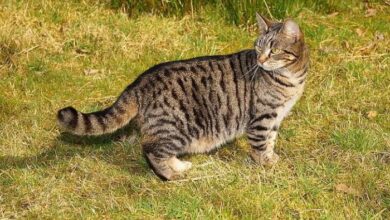
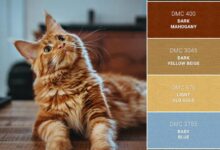
There’s something undeniably captivating about an orange white tabby cat – the vibrant splash of orange against the crisp white, the classic tabby markings, and often, a personality to match! These felines are more than just pretty faces; they’re a fascinating blend of genetics, behavior, and care requirements. We’ll dive deep into what makes these cats so special, from their unique coat patterns to their playful antics and potential health considerations, giving you everything you need to know about welcoming one into your home or simply appreciating their beauty.
The combination of the ‘O’ gene responsible for orange pigment and the white spotting gene creates a stunning visual effect. Understanding the different tabby patterns – classic, mackerel, ticked, and spotted – adds another layer of complexity and beauty to their appearance. Each pattern manifests differently, resulting in a wide variety of looks within the orange white tabby family, making every cat truly unique.

The Allure of the Orange White Tabby Cat
Orange and white tabby cats are a delightful combination of striking colors and captivating patterns. They’re often described as friendly, playful, and just plain charming. But beyond their good looks and appealing personalities, there’s a fascinating science and history behind these beloved felines. This article will delve into everything you need to know about orange white tabby cats, from their genetics to their care and their place in popular culture.The blend of orange, white, and tabby markings creates a unique visual appeal that sets these cats apart.
Understanding the underlying genetics and patterns can deepen your appreciation for these beautiful animals. Let’s explore what makes them so special.
Defining the Orange White Tabby Cat
Source: catster.com
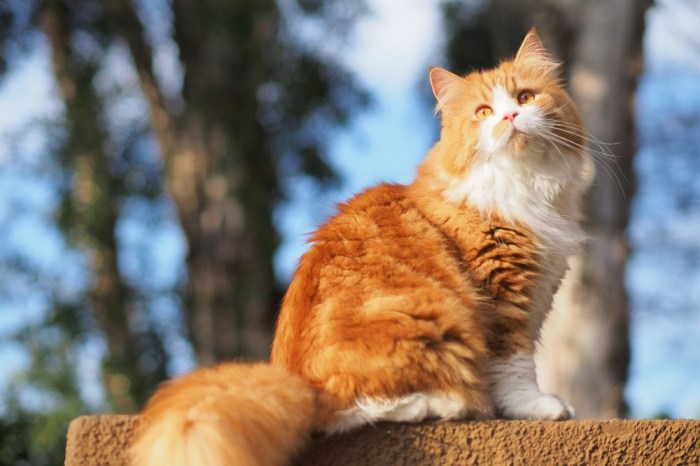
The orange white tabby cat isn’t a breed in itself, but rather a color and pattern variation found across many different breeds. It’s a fascinating interplay of genetics that results in the distinctive look we all recognize.
- Genetic Factors: The orange coloration in cats is linked to the ‘O’ gene, which exists in two alleles: orange (O) and non-orange (o). Females can be orange (OO) or non-orange (oo) or carry both (Oo), while males only have one X chromosome, so they are either orange (O) or non-orange (o). The white spotting pattern is controlled by a separate gene, which, when expressed, masks the underlying color.
- Orange vs. Ginger Tabby: While often used interchangeably, “orange” and “ginger” refer to the same color. The term “ginger” is more common in British English. Both describe the reddish-orange hue. The tabby pattern simply adds stripes or swirls on top of this orange base.
- Tabby Patterns: The tabby pattern is a dominant trait, meaning it will always be expressed. There are four main tabby patterns:
- Classic Tabby: Characterized by swirling, marbled patterns.
- Mackerel Tabby: Features narrow, parallel stripes resembling a fish skeleton.
- Ticked Tabby: Each hair has bands of different colors, creating a salt-and-pepper appearance. Less distinct stripes are visible.
- Spotted Tabby: Displays distinct spots rather than stripes.
- The ‘O’ Gene and White Spotting: The ‘O’ gene determines the base color (orange or non-orange), while the white spotting gene dictates the amount and location of white fur. The interaction of these genes creates the diverse range of orange white tabby patterns we see.
Physical Characteristics & Appearance
Orange white tabby cats exhibit a wide range of physical characteristics, largely influenced by their breed and the extent of their white markings.
- Body Build and Size: Generally, they have a medium build, ranging from 8 to 15 pounds, though this can vary significantly depending on the breed. A domestic shorthair will typically be smaller than a Maine Coon with the same color pattern.
- White Markings: The distribution of white fur is incredibly variable. Common patterns include:
- Bibs: A small patch of white on the chest.
- Socks: White markings on the paws.
- Masks: White fur around the face.
- Blazes: A white stripe running up the forehead.
- “Van” Pattern: Imagine a cat predominantly orange tabby, but with a large, solid white patch covering the chest and belly, extending up towards the throat. The head and back are orange tabby, creating a striking contrast. The legs are typically orange tabby as well.
- “Mitted” Pattern: Picture an orange tabby cat with pristine white paws, resembling mittens. The rest of the body is orange tabby, with the white extending up the legs to form a clean, defined edge around the paws.
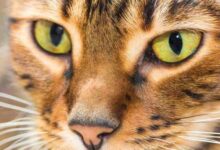
- Eye Color: Eye color complements the orange and white coat beautifully. Green eyes create a vibrant contrast, while gold or copper eyes enhance the warmth of the orange fur.
Temperament and Behavior
Orange white tabby cats are often described as having a particularly affectionate and playful personality. However, individual temperaments can vary.
- Common Personality Traits: These cats are frequently known for being friendly, outgoing, and sociable. They often enjoy being petted and interacting with their human companions.
- Color Dominance and Behavior: Cats with a greater proportion of orange fur may exhibit a more confident and assertive personality, while those with more white markings might be slightly more reserved. This is a general observation, and individual personalities always vary.
- Impact of Early Socialization: Like all cats, early socialization is crucial. Kittens exposed to a variety of people, sounds, and experiences are more likely to grow into well-adjusted, confident adults.
- Activity Levels: Orange white tabbies generally have moderate to high activity levels. They enjoy playing, exploring, and chasing toys. Compared to breeds like Persians, they tend to be more energetic.
- Playful Behaviors: Common playful behaviors include:
- Chasing toys (especially feather wands and laser pointers)
- Pouncing on unsuspecting objects
- Climbing and exploring high places
- “Hunting” small toys like mice or balls
Health Considerations
While generally healthy, orange white tabby cats, like all cats, are susceptible to certain health concerns.
- Common Tabby Health Concerns: Tabby cats, regardless of color, can be predisposed to conditions like hypertrophic cardiomyopathy (HCM) and polycystic kidney disease (PKD).
- Importance of Veterinary Checkups: Regular veterinary checkups are essential for early detection and management of any health issues.
- Preventative Care:
- Vaccinations: Core vaccines protect against common feline diseases.
- Parasite Control: Regular deworming and flea/tick prevention are crucial.
- Genetic Predispositions: While coat color itself doesn’t directly cause health problems, certain genetic mutations linked to coat color can sometimes be associated with increased risk of certain conditions. Responsible breeders screen for these genetic predispositions.
| Potential Health Issue | Symptoms | Preventative Measures |
|---|---|---|
| Hypertrophic Cardiomyopathy (HCM) | Difficulty breathing, lethargy, sudden death | Regular cardiac screenings, healthy diet |
| Polycystic Kidney Disease (PKD) | Increased thirst and urination, weight loss | Genetic testing (for breeders), early detection through bloodwork |
| Feline Lower Urinary Tract Disease (FLUTD) | Straining to urinate, blood in urine | Increased water intake, stress reduction |
Caring for an Orange White Tabby
Providing proper care for an orange white tabby cat involves a combination of nutrition, grooming, and environmental enrichment.
- Ideal Diet: A high-quality cat food appropriate for their age and activity level is essential. Kittens need food formulated for growth, while senior cats may benefit from food designed for their specific needs.
- Grooming and Shedding: Regular brushing (at least a few times a week) helps manage shedding and keeps their coat healthy.
- Environmental Enrichment: Provide plenty of toys, scratching posts, and climbing structures to keep them stimulated and prevent boredom.
- Safe Indoor Environment: Ensure a safe and comfortable indoor environment, free from hazards like toxic plants and exposed wires.
- Daily Care Schedule:
- Feeding: Twice daily meals.
- Litter Box Cleaning: Daily scooping, weekly deep cleaning.
- Playtime: At least 15-30 minutes of interactive playtime.
Orange White Tabby Cats in Popular Culture
Orange white tabby cats have captured the hearts of people worldwide and frequently appear in popular culture.
- Examples in Media: Characters like Garfield (though technically an orange tabby, the color is prominent) and Crookshanks from the Harry Potter series are well-known examples.
- Symbolism and Associations: Orange tabby cats are often associated with friendliness, good luck, and a playful nature.
- Internet Memes and Viral Videos: Numerous videos of orange tabby cats exhibiting quirky behaviors have gone viral, contributing to their popularity.
“Whiskers, the orange white tabby, was the self-appointed guardian of the old bookstore. He’d nap amongst the stacks, swat at dust bunnies, and greet every customer with a purr and a head-butt. He wasn’t just a cat; he was the bookstore’s furry mascot, a comforting presence in a world of words.”
- Famous Internet Cats: Nala Cat and Monty Cat are two examples of orange white tabby cats who have gained significant online fame.
Distinguishing from Similar Breeds/Patterns
It’s easy to confuse orange white tabby cats with other similar-looking felines.
- Orange and White Persians: Persians have a long, flowing coat and a flattened face, while orange white tabbies have a shorter coat and a more typical feline face.
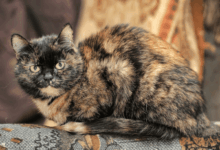
- Orange White Tabby vs. Calico: Calico cats have patches of black, orange, and white, while orange white tabbies have orange tabby markings combined with white.
- Orange White Tabby vs. Tortoiseshell: Tortoiseshell cats have a mottled mix of black and orange, without distinct tabby markings or large white patches.
| Feature | Orange White Tabby | Calico | Tortoiseshell | Persian |
|---|---|---|---|---|
| Coat Pattern | Orange tabby markings with white patches | Patches of black, orange, and white | Mottled mix of black and orange | Long, flowing coat with various colors |
| Facial Features | Typical feline face | Typical feline face | Typical feline face | Flat face, large round eyes |
| Coat Length | Short to medium | Short to medium | Short to medium | Long |
Finding an Orange White Tabby Cat
There are several avenues for finding an orange white tabby cat to welcome into your home.
- Shelter/Rescue: Shelters and rescues are often filled with wonderful tabby cats looking for loving homes.
- Breeders: If you’re looking for a specific breed with an orange white tabby pattern, research reputable breeders who prioritize health testing.
- Reputable Rescue Organizations: Many cat rescue organizations specialize in tabby cats.
- Benefits of Adoption: Adopting a cat from a shelter or rescue gives a deserving animal a second chance at a happy life.
Checklist for Evaluating a Potential Cat:
- Observe the cat’s behavior and interaction with people.
- Check for any signs of illness or injury.
- Ask about the cat’s history and temperament.
- Ensure the cat is vaccinated and dewormed.
End of Discussion
From their playful personalities and potential health quirks to the best ways to care for them, we’ve explored the wonderful world of orange white tabby cats. Whether you’re a seasoned cat owner or considering adding one to your family, appreciating these beautiful felines involves understanding their genetic makeup, recognizing their individual needs, and celebrating their unique charm. They’re a testament to the beauty and diversity found within the feline world, and a constant source of joy for those lucky enough to share their lives with them.
Question Bank
Why are orange tabby cats often male?
The orange color is linked to the X chromosome. Females need two copies of the orange gene (XX) to be orange, while males only need one (XY). This is why you see more male orange tabbies.
What’s the difference between a “van” and a “mitted” pattern?
A “van” pattern features a large white patch covering the chest and belly, often extending up to the neck. A “mitted” pattern has white paws, resembling mittens, and sometimes white markings on the face as well.
Are orange white tabby cats generally more active than other cats?
Activity levels vary greatly between individual cats, regardless of coat color. However, many orange tabbies are known for their playful and energetic personalities, but early socialization plays a huge role in shaping their behavior.
What are some common health concerns for tabby cats?
Tabby cats, like all cats, can be prone to conditions like hypertrophic cardiomyopathy (HCM) and polycystic kidney disease (PKD). Regular vet checkups are crucial for early detection and management.
How can I best enrich my orange white tabby’s environment?
Provide plenty of toys, scratching posts, climbing structures, and interactive playtime. Puzzle feeders can also keep them mentally stimulated and prevent boredom.
What’s the best way to differentiate an orange white tabby from a calico?
Calicos always have three colors: white, black, and orange (or diluted versions of these). Orange white tabbies have orange and white,
-plus* tabby markings within the orange patches.

![calico tabby :]] : r/cats](https://miowcat.com/wp-content/uploads/2026/04/3568-understanding-tabby-cat-calico-traits-and-characteristics-728x420-2-390x220.jpg)