Orange tabby females are captivating cats, known for their striking coats and often, their charming personalities. This guide dives deep into everything you need to know about these beautiful felines, from their unique genetics and potential health concerns to the best ways to care for and enrich their lives. Whether you’re a seasoned cat owner or considering welcoming an orange tabby female into your home, you’ll find valuable insights here.
We’ll explore the fascinating science behind their orange coloring, the breed possibilities that showcase this gorgeous pattern, and the typical behaviors that make them so endearing. Plus, we’ll cover essential health considerations and practical tips for creating a happy and stimulating environment for your furry friend.

The Wonderful World of Orange Tabby Female Cats
Orange tabby cats are undeniably charming, and female versions of these fiery felines possess a unique blend of beauty, personality, and sometimes, a touch of mystery. While orange tabbies are often associated with male cats, understanding the genetics and nuances of these lovely ladies reveals a fascinating world. This post will delve into everything you need to know about orange tabby females, from their physical traits and temperament to their health considerations and how to find your perfect companion.
Physical Characteristics & Breed Possibilities
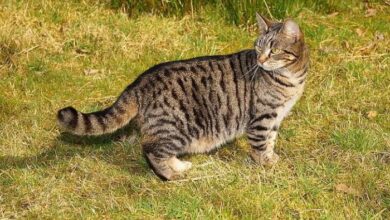
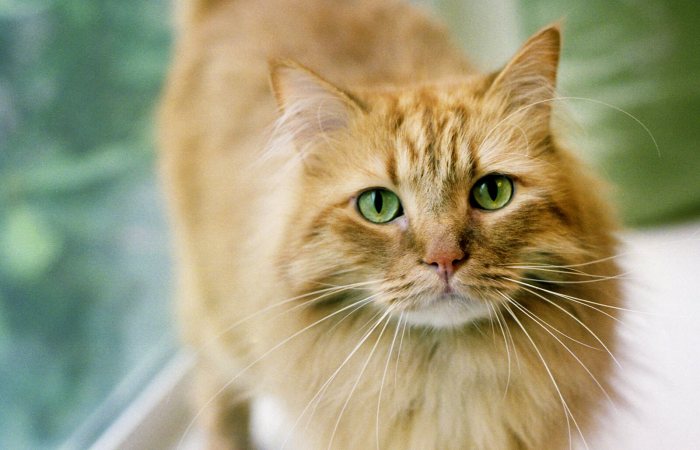
The vibrant orange coat of a tabby cat is instantly recognizable, but the specifics can vary quite a bit. The base color ranges from a pale cream to a deep, rich red, often with darker stripes or markings. The pattern itself is key to understanding the “tabby” designation. There are three main tabby patterns: classic (swirled), mackerel (striped), and ticked (agouti, where each hair has bands of color).
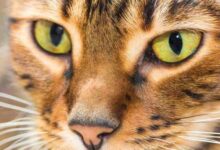
Eye color also varies, with shades of green, gold, and copper being common. Size-wise, orange tabby females can range from a petite 6-8 pounds to a more substantial 12-15 pounds, depending on their breed.Here’s a breakdown of breeds that frequently exhibit orange tabby markings, with a focus on female prevalence:
| Breed | Female Prevalence (High/Medium/Low) | Typical Size | Distinctive Features |
|---|---|---|---|
| Maine Coon | Medium | 13-18 lbs | Large size, long flowing fur, tufted ears, gentle giant personality. |
| American Shorthair | Medium | 8-15 lbs | Round face, sturdy build, known for their calm and adaptable nature. |
| Persian | Low | 7-12 lbs | Long, luxurious coat, flat face, sweet and docile temperament. (Orange tabbies are less common in Persians). |
| Ragdoll | High | 10-20 lbs | Large, semi-long coat, blue eyes, known for their relaxed and floppy nature. Female Ragdolls are frequently orange tabbies. |
| Bengal | Medium | 8-15 lbs | Spotted coat, muscular build, energetic and playful. |
| British Shorthair | Medium | 9-17 lbs | Round face, dense coat, calm and dignified demeanor. |
The genetics behind orange coloration are fascinating. The gene responsible for orange pigment (pheomelanin) is located on the X chromosome. Female cats have two X chromosomes (XX), while males have one X and one Y (XY). A female cat needs two copies of the orange gene (one on each X chromosome) to be orange. A male cat only needs one copy to be orange.
This explains why orange tabbies are more common in males. The tabby pattern itself is controlled by a separate gene.Body structure and facial features differ significantly between breeds. A Maine Coon female will have a longer, more flowing body and a more rugged facial appearance compared to an American Shorthair, which is more compact and has a rounder face.
Even within a breed, individual variations exist, influenced by genetics and upbringing.
Temperament & Behavior
Orange tabby cats, in general, are often described as affectionate, playful, and confident. They tend to be outgoing and enjoy interacting with their humans. However, it’s important to remember that these are generalizations, and individual personalities vary greatly. Female orange tabbies often exhibit a blend of these traits with a touch of independence and a more subtle approach to affection compared to their male counterparts.
They might be less overtly demanding of attention but equally devoted in their own way.Consider this scenario: You’re working from home, and your orange tabby female, Clementine, is curled up nearby. She occasionally stretches, gives you a slow blink (a sign of trust and affection), and then returns to her nap. She’s not constantly in your lap, but her presence is comforting, and she’ll readily greet you with a head-butt when you take a break.
This illustrates a typical female orange tabby behavior – a quiet, observant affection.Compared to a black or grey female cat of a similar breed (like an American Shorthair), an orange tabby female might be slightly more energetic and playful, exhibiting a greater interest in interactive toys and games. Black or grey females are often perceived as more reserved and independent, though this is not always the case.To illustrate the decision-making process of an orange tabby female, here’s a flowchart:
- Situation: New Person Approaches
- Assess: Is the person calm and gentle? (Yes/No)
- If Yes: Approach cautiously, sniff, rub against legs, purr.
- If No: Observe from a safe distance, retreat under furniture if necessary.
- Situation: Choosing a Sleeping Spot
- Assess: Is the spot warm and sunny? (Yes/No)
- If Yes: Curl up and nap.
- If No: Is the spot soft and comfortable? (Yes/No)
- If Yes: Curl up and nap.
- If No: Explore other options.
- Situation: Reacting to a Toy
- Assess: Is the toy moving and engaging? (Yes/No)
- If Yes: Pounce, bat, chase.
- If No: Ignore.
Health Considerations
Like all cats, orange tabby females are susceptible to certain health concerns. Common feline illnesses such as upper respiratory infections, kidney disease, and diabetes can affect cats of any color or gender. However, some conditions are more prevalent in orange tabbies, potentially due to genetic predispositions. Hypertrophic cardiomyopathy (HCM), a heart condition, has been observed more frequently in orange tabbies, although the exact link is still being researched.Female cats, in general, are more prone to urinary tract infections (UTIs) and reproductive health issues like uterine infections and tumors.
In an orange tabby female, these issues can manifest as frequent urination, straining to urinate, blood in the urine, or changes in appetite and behavior. Early detection and treatment are crucial.Preventative care is paramount. A regular vaccination schedule (typically including FVRCP and rabies), consistent parasite control (fleas, ticks, and worms), and diligent dental hygiene are essential for maintaining an orange tabby female’s health.
Annual veterinary checkups are also vital for early detection of any potential problems.
| Illness | Symptoms | Initial Vet Action | Preventative Measures |
|---|---|---|---|
| Urinary Tract Infection (UTI) | Frequent urination, straining, blood in urine, pain | Urinalysis, antibiotics | Increase water intake, diet formulated for urinary health |
| Hypertrophic Cardiomyopathy (HCM) | Difficulty breathing, lethargy, loss of appetite | Echocardiogram (heart ultrasound), medication | Regular veterinary checkups, genetic screening (if available) |
| Dental Disease | Bad breath, drooling, difficulty eating | Dental cleaning, extractions | Regular tooth brushing, dental diets |
Caring for an Orange Tabby Female
Nutrition is fundamental to an orange tabby female’s well-being. Kittens require a diet formulated for growth, while adult cats need a balanced diet to maintain their weight and energy levels. Senior cats may benefit from diets specifically designed for their age-related needs. Consider potential dietary sensitivities, such as allergies to certain proteins (chicken, fish) or grains. Always provide fresh, clean water.Environmental enrichment is crucial for keeping an orange tabby female mentally and physically stimulated.
Interactive toys (feather wands, laser pointers), scratching posts, and climbing structures are essential. Rotate toys regularly to maintain interest. Puzzle feeders can provide mental stimulation during mealtimes.Grooming requirements are relatively moderate for orange tabby females with short coats. Regular brushing (2-3 times per week) helps remove loose fur and prevent matting. Nail trimming should be done every 2-3 weeks.
Ear cleaning should be performed as needed, using a veterinarian-approved ear cleaner.Creating a safe and stimulating indoor environment involves minimizing hazards like toxic plants and exposed electrical cords. Provide plenty of hiding places (boxes, cat beds) where your orange tabby female can retreat when she feels overwhelmed. Ensure adequate vertical space for climbing and exploring.
Finding an Orange Tabby Female
Adopting an orange tabby female from a shelter or rescue organization is a rewarding experience. The application process typically involves filling out a detailed form, providing references, and undergoing a home visit to ensure your home is a suitable environment for a cat.Purchasing an orange tabby female from a breeder can offer the opportunity to select a kitten from a specific breed with known lineage.
However, it’s crucial to choose an ethical breeder who prioritizes the health and well-being of their cats. Avoid breeders who keep cats in cramped conditions or fail to provide proper veterinary care.When evaluating a potential orange tabby female, look for signs of good health and socialization. She should be alert, active, and have clear eyes and a clean coat.
She should be comfortable being handled and should not exhibit signs of fear or aggression.
Before bringing an orange tabby female home, ask the breeder or shelter staff: “What is her vaccination and deworming history? Has she been tested for common feline diseases (FIV, FeLV)? What is her personality like, and how does she interact with other cats and people?”
Unique Aspects of Orange Tabby Females
Orange tabby cats, regardless of gender, hold a certain cultural appeal. They are often associated with good luck and prosperity in some cultures. Anecdotally, orange tabby females are sometimes described as being particularly affectionate and intuitive, though these are subjective observations.Compared to other cat colors or genders, orange tabby females may be perceived as being more outgoing and playful. This perception can influence how they are treated, with some people being more inclined to engage in playful interactions with them.Popular names for orange tabby female cats include: Clementine, Ginger, Rusty, Poppy, Aurora, Willow, and Honey.
Illustrative Descriptions
The afternoon sun streamed through the window, bathing a plush armchair in a warm glow. Lying within this pool of light was a female orange tabby, her fur a tapestry of fiery reds and creams. Each strand seemed to absorb the sunlight, radiating a gentle warmth. Her posture was utterly relaxed, her paws tucked neatly beneath her chest, a picture of feline contentment.A dangling feather toy danced enticingly in the air.
With a sudden burst of energy, the orange tabby female launched herself forward, her muscles rippling beneath her vibrant coat. Her eyes, focused intently on the moving feathers, gleamed with playful determination. The stripes of her tabby pattern seemed to accentuate her agility as she batted and chased with effortless grace.Curled up on a soft, fleece blanket, the orange tabby female appeared as a ball of warmth and comfort.
The contrast between her warm, orange fur and the cool, smooth texture of the blanket was visually striking. Her paws were tucked beneath her chin, and her tail wrapped snugly around her body, creating a haven of peaceful slumber.A gentle purr rumbled from the orange tabby female’s chest. Her whiskers twitched slightly as she savored the contentment of the moment.
Her eyes, half-closed, held a soft, dreamy expression, conveying a sense of profound peace and well-being. The subtle movements of her face revealed a quiet joy, a testament to the simple pleasures of a warm lap and a loving home.
Final Summary
Source: ltkcdn.net
From their playful antics to their comforting purrs, orange tabby females bring a special kind of joy to any home. By understanding their unique needs and characteristics, you can provide the best possible care and build a lasting bond with your beloved companion. This journey into the world of orange tabby females is just the beginning – enjoy the adventure of cat ownership!
FAQ Explained
Why are most orange tabby cats male?
It’s a genetic quirk! The orange color gene is linked to the X chromosome. Females need two copies of the orange gene (XX) to be orange, while males only need one (XY). This makes orange tabbies significantly less common in females.
Are orange tabby females typically more independent?
While individual personalities vary, some anecdotal evidence suggests orange tabby females can be a bit more independent than their male counterparts. They often enjoy their alone time but still crave affection on their own terms.
What are some good names for an orange tabby female?
Consider names like Rusty, Ginger, Clementine, Honey, Marigold, or Autumn – anything that evokes warmth and the color orange!
What kind of toys do orange tabby females enjoy most?
They generally love interactive toys that stimulate their hunting instincts, like feather wands, laser pointers (used responsibly!), and puzzle toys that dispense treats.
How often should I groom an orange tabby female?
Most orange tabby females have relatively short fur and require weekly brushing to remove loose hair and prevent mats. Regular nail trims and ear cleaning are also important.
Are orange tabby females prone to any specific health problems?
While not exclusively linked to their color, female cats in general are more prone to urinary tract infections and reproductive issues. Regular vet checkups are crucial for early detection and prevention.

![calico tabby :]] : r/cats](https://miowcat.com/wp-content/uploads/2026/04/3568-understanding-tabby-cat-calico-traits-and-characteristics-728x420-2-390x220.jpg)