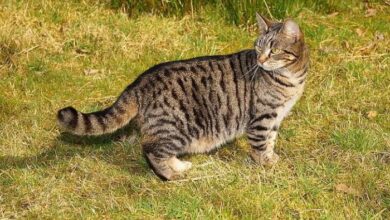
Calico tabby cats – they’re a stunning mix of colors and patterns that always catch the eye. These felines aren’t just beautiful; they’re a fascinating blend of genetics, behavior, and unique health considerations. We’ll dive deep into what makes these cats so special, from the science behind their coats to the best ways to care for them, and even explore their appearances in popular culture.
The combination of the calico’s patchwork coloring and the tabby’s distinctive stripes or swirls creates a truly one-of-a-kind look. But beyond their appearance, calico tabbies often have captivating personalities and specific needs that owners should understand to ensure a happy and healthy life for their furry friend.




Defining the Calico Tabby Cat
The calico tabby cat is a truly striking feline, a beautiful blend of color and pattern that often turns heads. But what exactlymakes* a cat a calico tabby? It’s more than just a pretty face; it’s a fascinating intersection of genetics and feline aesthetics. Understanding the science behind their unique appearance can deepen our appreciation for these wonderful creatures.The combination of calico and tabby patterns is relatively rare, making these cats even more special.
Let’s break down the genetics and patterns that create this captivating look.
The Genetics of Calico Coloration
The calico coloration – the classic mix of white, black (or a diluted version like grey or blue), and orange (or a diluted version like cream) – is directly linked to the X chromosome. Female cats have two X chromosomes (XX), while males have one X and one Y chromosome (XY). The genes responsible for orange and black coat colors are located on the X chromosome.
During early embryonic development, a process called X-inactivation occurs, where one of the X chromosomes in female cats is randomly deactivated in each cell. This results in some cells expressing the orange gene and others expressing the black gene, leading to the patchwork pattern we see. The white spotting gene, which is separate from the X chromosome, determines the amount of white fur.
Understanding the Tabby Pattern
The tabby pattern, regardless of the calico coloration, is a dominant trait. It’s characterized by distinctive markings, and there are several variations:
- Classic Tabby: This pattern features swirling, marbled markings, often described as resembling a “bullseye” or a marble cake.
- Mackerel Tabby: Also known as the “tiger stripe” pattern, this displays narrow, parallel stripes running down the sides of the cat.
- Ticked Tabby: This pattern, common in Abyssinians, lacks distinct stripes or spots. Instead, each hair shaft has bands of different colors, creating a shimmering, agouti effect.
- Spotted Tabby: As the name suggests, this pattern features spots of varying sizes and shapes scattered across the body.
- Patched Tabby: This is where the calico and tabby patterns truly combine. Patched tabbies have distinct patches of color (calico)
-with* a tabby pattern within those patches.
Male Calico Tabbies: A Genetic Anomaly
Male calico tabbies are exceptionally rare, occurring in roughly 1 in 3,000 births. Their existence is due to a chromosomal abnormality, most commonly Klinefelter syndrome (XXY). In this case, the male cat has an extra X chromosome, allowing for the expression of both orange and black genes. However, male calico tabbies are often sterile due to the genetic imbalance. Their health can also be compromised, and they may be predisposed to certain health issues.
Calico vs. Tortoiseshell: What’s the Difference?
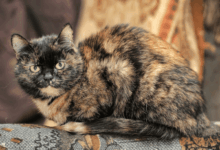
While often confused, calico and tortoiseshell cats are distinct. Both are female (almost exclusively) and display a mix of black and orange colors. The key difference lies in the presence of white. Calico cats have significant patches of white, while tortoiseshell cats do not. A tortoiseshell cat
can* have tabby markings within the black and orange patches – this is often referred to as a “torbie” (tortoiseshell tabby).
Physical Characteristics & Appearance
Calico tabby cats are medium-sized felines, typically weighing between 6 and 12 pounds, although this can vary depending on their individual genetics and overall health. Their build is generally proportionate and muscular, reflecting their active nature.
Variations in Coat Color and Pattern Intensity
The beauty of calico tabbies lies in their incredible variety. Coat color and pattern intensity can range dramatically.
- Light Calico Tabbies: These cats feature soft creams, pale oranges, and diluted greys, with subtle tabby markings. The white patches are often extensive.
- Medium Calico Tabbies: A more balanced combination of colors, with richer oranges and blacks, and more defined tabby patterns.
- Dark Calico Tabbies: These cats boast deep blacks, vibrant oranges, and bold tabby markings. The white patches may be smaller or less prominent.
The intensity of the tabby pattern also varies. Some cats have faint, almost imperceptible stripes, while others have striking, well-defined markings.
The “Torbie”: A Unique Blend
A “torbie” (tortoiseshell tabby) is a cat displaying the tortoiseshell pattern – a mix of black and orange –with* tabby markings within those patches. Imagine a cat with a mottled mix of black and orange, but instead of solid blocks of color, you see subtle stripes or swirls within the orange and black areas. The tabby markings in a torbie are often more muted than in a standard calico tabby, blending seamlessly with the overall tortoiseshell pattern.
Eye Colors and Potential Associations
Calico tabby cats can have a wide range of eye colors, each adding to their unique charm.
- Green Eyes: Often associated with cats having more black or grey in their calico pattern.
- Gold/Amber Eyes: Frequently seen in cats with a higher proportion of orange in their coat.
- Blue Eyes: While less common, blue eyes can occur, particularly in cats with diluted calico colors (cream and grey).
- Odd-Eyed (One Blue, One Green/Gold): This is a rare and striking trait, often linked to the white spotting gene.
It’s important to note that these are general associations and not definitive rules. Eye color is influenced by multiple genetic factors.
Temperament and Behavior
Calico tabby cats are often described as having a distinctive personality – a blend of independence and affection. While individual personalities vary, there are some commonly observed traits.
Common Personality Traits
Anecdotal evidence suggests that calico tabby cats can be quite opinionated and sassy. They often have a strong sense of self and aren’t afraid to let their preferences be known. Many owners describe them as intelligent and curious, always exploring their surroundings and seeking out new adventures. While they can be affectionate and enjoy cuddling, they also appreciate their independence and may not always be in the mood for lap time.
Comparing Calico Tabbies to Other Breeds
Compared to the famously social and vocal Siamese, calico tabbies tend to be more reserved. They share a playful spirit with Maine Coons, but are generally less laid-back. Their independent streak sets them apart from breeds like Ragdolls, which are known for their docile and affectionate nature.
Potential Behavioral Challenges and Solutions
Like any cat, calico tabbies can sometimes exhibit behavioral challenges. Common issues include scratching furniture, excessive meowing, and aggression towards other pets. Providing plenty of scratching posts, interactive toys, and a stimulating environment can help redirect these behaviors. Consulting with a veterinarian or a certified cat behaviorist can provide tailored solutions for specific issues.
Activities and Enrichment Ideas
Calico tabbies, with their active nature, benefit from a variety of activities and enrichment.
- Interactive Play: Feather wands, laser pointers, and puzzle toys can provide hours of entertainment.
- Climbing Structures: Cat trees and shelves allow them to explore vertical space and satisfy their natural climbing instincts.
- Window Perches: A comfortable spot to observe the outside world can provide mental stimulation.
- Food Puzzles: These challenge their problem-solving skills and prevent boredom.
- Regular Training Sessions: Teaching tricks or using clicker training can provide mental stimulation and strengthen the bond between you and your cat.
Health Considerations
Like all cats, calico tabbies are susceptible to common feline health issues, including upper respiratory infections, kidney disease, and dental problems. While there’s no definitive evidence that calico tabbies are predisposed to specific diseases beyond those affecting all cats, their unique genetics warrant careful attention.
Potential Health Implications of Male Calico Tabbies
Male calico tabbies, due to their XXY chromosome makeup, face a higher risk of health complications. These can include infertility, developmental delays, and an increased susceptibility to certain cancers. Regular veterinary checkups are crucial for monitoring their health and addressing any concerns promptly.
Preventative Healthcare Guide
A proactive approach to healthcare is essential for all calico tabby cats.
- Vaccination Schedule: Follow your veterinarian’s recommended vaccination schedule for core vaccines (FVRCP) and rabies. Consider optional vaccines like feline leukemia virus (FeLV) based on your cat’s lifestyle.
- Parasite Control: Administer regular flea, tick, and heartworm prevention medication as recommended by your veterinarian.
- Dental Care: Brush your cat’s teeth regularly and provide dental chews to help prevent dental disease.
- Nutrition: Feed a high-quality, balanced diet appropriate for their age and activity level.
The Importance of Regular Veterinary Checkups
Annual or bi-annual veterinary checkups are vital for early detection of health problems. Your veterinarian can perform a thorough physical examination, run necessary blood tests, and provide personalized recommendations for your cat’s health and well-being.
Caring for a Calico Tabby Cat
Providing optimal care for a calico tabby cat involves a holistic approach, encompassing nutrition, grooming, and environmental enrichment.
Nutrition Guide
A balanced and nutritious diet is the foundation of a healthy life for your calico tabby.
- Wet Food: Provides essential moisture and can be particularly beneficial for cats prone to urinary issues.
- Dry Food: Helps maintain dental health by scraping plaque and tartar as they chew.
- Supplemental Options: Consider adding occasional treats, such as cooked fish or chicken, to provide variety and enrichment.
Always choose high-quality cat food with real meat as the primary ingredient and avoid foods with excessive fillers or artificial additives.
Grooming Recommendations
Grooming needs vary depending on the cat’s coat length and density.
- Short-haired Calico Tabbies: Weekly brushing is usually sufficient to remove loose fur and prevent matting.
- Long-haired Calico Tabbies: Daily brushing is recommended to prevent tangles and mats.
Regular nail trimming and ear cleaning are also important aspects of grooming.
Ideal Living Environment
Calico tabbies thrive in environments that provide both stimulation and security.
- Safe Indoor Space: Protect them from outdoor dangers like cars, predators, and diseases.
- Vertical Space: Cat trees, shelves, and window perches allow them to explore and exercise.
- Quiet Retreats: Provide cozy hiding spots where they can relax and feel secure.
- Social Interaction: While they appreciate independence, calico tabbies also enjoy human companionship and interaction.
Essential Supplies Table
| Supply | Description | Quantity | Notes |
|---|---|---|---|
| Food & Water Bowls | Stainless steel or ceramic bowls | 2 each | Consider a fountain for fresh, filtered water. |
| Litter Box & Litter | Size appropriate for your cat | 1-2 boxes | Scoop daily; change litter completely regularly. |
| Scratching Post | Vertical or horizontal, sisal or cardboard | 1+ | Provide multiple options to cater to preferences. |
| Toys | Variety of interactive and solo toys | Several | Rotate toys to keep them engaging. |
| Bedding | Cozy bed or blanket | 1+ | Place in a quiet, comfortable location. |
| Carrier | Sturdy and well-ventilated | 1 | Essential for vet visits and travel. |
Calico Tabby Cats in Popular Culture
Calico tabby cats have graced our screens, books, and artwork for generations, often symbolizing good luck and prosperity.
Portrayals in Literature, Movies, and Art
Numerous fictional characters have been depicted as calico tabbies, often embodying traits like independence, intelligence, and a touch of mischief. [Insert example of a calico tabby character in a well-known book or movie]. Their striking appearance has also made them popular subjects in paintings and photographs throughout history.
Symbolism and Cultural Significance
In Japanese culture, calico cats are considered symbols of good luck and are believed to bring prosperity to their owners. They are often associated with female empowerment and are revered for their beauty and grace. In some Western cultures, calico cats are seen as symbols of good fortune and are often kept as cherished companions.
Mascots and Symbols
Several organizations and brands have utilized calico tabby cats as mascots or symbols, capitalizing on their appealing appearance and positive associations. [Insert example of a brand or organization using a calico tabby as a mascot].
A Fictional Narrative
Willow was a calico tabby with a classic tabby pattern swirling across her orange and black patches. Her emerald green eyes held a spark of mischief, and she ruled her household with a quiet confidence. She wasn’t a lap cat, preferring to observe her humans from a perch atop the bookshelf, occasionally deigning to accept a head scratch. Willow considered herself the guardian of the house, diligently patrolling for dust bunnies and ensuring the proper placement of sunbeams.
Her greatest joy was chasing the elusive red dot of a laser pointer, a thrilling pursuit that always ended with a triumphant pounce.
Distinguishing Calico Tabby Variations
While all calico tabbies share the characteristic mix of white, black/grey, and orange, the specific patterns and intensities can vary significantly.
Patched Tabby vs. Torbie
The key difference lies in the distribution of color and pattern. A “patched tabby” has distinct, well-defined patches of calico color, eachcontaining* a tabby pattern. A “torbie,” on the other hand, exhibits a more blended appearance. The tortoiseshell pattern (black and orange) is dominant, with subtle tabby markings interwoven within the patches. The patches in a torbie are less distinct and more mottled than in a patched tabby.
Classic Tabby vs. Mackerel Tabby in Calicos
A calico cat with a classic tabby pattern will display bold, swirling markings within the calico patches, resembling a marble cake. A calico cat with a mackerel tabby pattern will have narrow, parallel stripes within the calico patches, creating a “tiger stripe” effect.
Tabby Pattern Identification Flowchart
![calico tabby :]] : r/cats](https://miowcat.com/wp-content/uploads/2026/04/3568-understanding-tabby-cat-calico-traits-and-characteristics-728x420-2.jpg "calico tabby :]] : r/cats")
Source: tcrascolorado.com
[Imagine a flowchart here. It would start with “Is there a distinct tabby pattern within the calico patches?” If yes, proceed to “Are the markings swirling and bold (Classic) or narrow and striped (Mackerel)?” If no, it’s likely a torbie or a calico with very faint tabby markings.]
Gallery of Descriptive Text
“The classic tabby pattern presents bold, swirling markings reminiscent of a marble cake, creating a visually striking contrast against the calico patches.”
“The mackerel tabby pattern displays narrow, parallel stripes, lending a ‘tiger-like’ appearance to the calico coloration.”
“In a torbie, the tabby markings are subtle and interwoven within the tortoiseshell pattern, creating a softer, more blended look.”
“A patched tabby exhibits clearly defined patches of calico, each showcasing a distinct and prominent tabby pattern.”
Finding a Calico Tabby Cat
Bringing a calico tabby cat into your life is a rewarding experience. Whether you choose to adopt or purchase, careful consideration and responsible practices are essential.
Adopting from a Shelter or Rescue
Adopting a calico tabby from a shelter or rescue organization is a wonderful way to give a deserving cat a loving home. Shelters often have a variety of calico tabbies of different ages and personalities. Be prepared to spend time getting to know the cat and ensuring a good match for your lifestyle.
Purchasing from a Reputable Breeder
If you’re seeking a calico tabby kitten from a breeder, it’s crucial to choose a reputable one. Look for breeders who prioritize the health and well-being of their cats.
Verifying Breeder Practices and Health Testing
A responsible breeder will be transparent about their breeding practices and health testing procedures. They should be able to provide documentation of genetic testing for common feline diseases. Observe the kittens’ living conditions and interact with the mother cat to assess the breeder’s commitment to ethical breeding.
Resources for Finding Calico Tabbies
- Petfinder: [https://www.petfinder.com/](https://www.petfinder.com/)
- Adopt-a-Pet: [https://www.adoptapet.com/](https://www.adoptapet.com/)
- Local Animal Shelters and Rescue Organizations: Search online for shelters and rescues in your area.
End of Discussion
From the intricate genetics that dictate their coat patterns to the potential health nuances and the joy they bring to our lives, calico tabby cats are truly remarkable. Whether you’re a seasoned cat lover or considering welcoming one into your home, understanding their unique characteristics is key to providing the best possible care and appreciating the special bond you share.
They’re more than just pretty faces; they’re complex, engaging companions with a lot to offer.
FAQ Guide
Why are male calico tabbies so rare?
Most calico tabbies are female because the genes for orange and black fur are located on the X chromosome. Females have two X chromosomes (XX), allowing them to display both colors. Males (XY) typically only have one color. Rarely, a male cat can have an XXY chromosome configuration, which allows for calico coloring, but these males often have health issues.
What’s the difference between a calico and a tortoiseshell?
Both calicos and tortoiseshells have patches of black and orange fur. The key difference is that calicos
-also* have white patches, while tortoiseshells do not. A tortoiseshell cat
-can* have tabby markings within the black and orange patches, which is then referred to as a “torbie.”
Are calico tabby cats generally more affectionate than other cats?
There’s no definitive answer! Calico tabbies, like all cats, have individual personalities. Some are incredibly affectionate and cuddly, while others are more independent. Anecdotally, many owners report their calico tabbies being quite vocal and interactive, but this isn’t a universal trait.
What are some good toys for a calico tabby cat?
Calico tabbies often have a good amount of energy, so interactive toys like feather wands, laser pointers (used responsibly!), and puzzle toys are great. Scratching posts are essential for their physical and mental well-being, and a variety of small, plush toys can provide hours of entertainment.
What kind of food is best for a calico tabby cat?
A high-quality diet is crucial. Look for cat food that’s rich in protein and low in fillers. Both wet and dry food can be part of a balanced diet, and some owners supplement with occasional treats. Always consult with your veterinarian for personalized dietary recommendations.
Do calico tabby cats have any specific health concerns I should be aware of?
Like all cats, calico tabbies are susceptible to common feline illnesses. Male calico tabbies, due to their chromosomal abnormality, are at higher risk for health problems and a shorter lifespan. Regular vet checkups are essential for early detection and preventative care.