Calico tabbies are truly captivating cats, a delightful blend of striking patterns and charming personalities. These felines boast a gorgeous combination of colors – typically black, orange, and white – interwoven with the distinctive markings of a tabby pattern. It’s a genetic marvel that results in each calico tabby being uniquely beautiful, and understanding what makes them special, from their genetics to their care, is a rewarding journey for any cat lover.
The fascinating interplay of genetics and appearance creates a cat unlike any other. We’ll delve into the science behind their coloration, explore the different tabby patterns they can display, and uncover the secrets to keeping these wonderful companions happy and healthy. From their playful antics to potential health considerations, this guide will provide a comprehensive look at the world of the calico tabby.


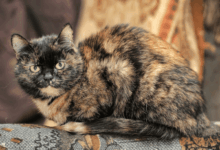


Defining the Calico Tabby
The calico tabby is a truly captivating feline, a beautiful blend of genetics and pattern that makes each one unique. It’s more than just a pretty face; understanding what makes a calico tabby tick – from the science behind its colors to its personality quirks – is a fascinating journey into the world of cat genetics. This section will delve into the specifics of what defines a calico tabby, separating it from other similarly patterned cats and exploring the underlying biological mechanisms.
The Genetic Basis of Calico Coloration
The calico coloration – the iconic mix of black, orange (or cream), and white – is a direct result of X-chromosome linked genes. Female cats have two X chromosomes (XX), while males have one X and one Y (XY). The genes responsible for orange and black fur are located on the X chromosome. During early embryonic development, a process called X-inactivation occurs.
Essentially, one of the X chromosomes in each female cell is randomly deactivated. This inactivation determines whether the cell will produce black or orange pigment. The white spotting pattern is controlled by a separate gene, and its presence doesn’t rely on the X chromosome. The combination of these factors results in the patchwork of colors we see in calico cats.
Understanding the Tabby Pattern
The “tabby” part of “calico tabby” refers to the distinctive markings that overlay the calico patches. Tabby isn’t a color itself, but a pattern. There are five main tabby patterns: classic (also known as blotched), mackerel, ticked, spotted, and patched. Classic tabbies have swirling, marbled patterns. Mackerel tabbies have narrow, parallel stripes resembling a fish skeleton.
Ticked tabbies (like Abyssinians) have hairs with alternating bands of color, giving a salt-and-pepper appearance. Spotted tabbies have spots of varying sizes. Patched tabbies have a combination of tabby markings and solid color areas. In a calico tabby, these patterns are visible
within* the black, orange, and white patches.
The Rarity of Male Calico Tabbies
Male calico tabbies are exceptionally rare – estimated to occur in only about 1 in 3,000 births. This rarity stems from their genetic makeup. For a male to be calico, he must have an XXY chromosome configuration, a condition known as Klinefelter syndrome. This typically arises from a chromosomal error during sperm formation. While possible, it’s a genetic anomaly, and these males are often sterile.
Calico vs. Tortoiseshell: A Subtle Difference
While often confused, calicos and tortoiseshells are distinct. Both are female cats with a mix of black and orange (or cream) colors. The key difference lies in the presence of white. Calicos
- always* have white patches, while tortoiseshells do not. However, tortoiseshells can
- also* display tabby markings within their black and orange patches, making them “torbie” cats. So, a cat can be both a tortoiseshell and a tabby – a torbie – and a calico is a tortoiseshell with white.
Appearance and Physical Characteristics
Calico tabbies are known for their striking beauty, but their appearance extends beyond just their color. Their size, build, and the specific arrangement of their markings contribute to their unique charm. This section will explore the physical traits that define a calico tabby, from their overall stature to the subtle nuances of their patterns.
Size, Weight, and Build
Calico tabbies don’t belong to a specific breed, so their size and weight can vary considerably depending on their underlying breed mix. Generally, they range in size from medium to large, typically weighing between 8 and 12 pounds, though some can be larger. Their build is usually moderately muscular and well-proportioned, reflecting their often active nature.
Color Variations
The color palette of a calico tabby is diverse. While black and orange are the classic colors, variations are common. Black can range from deep ebony to a softer charcoal gray. Orange can be a vibrant reddish-orange, a paler ginger, or even a creamy apricot. White patches can be small and scattered or large and dominant.
Cream is a diluted version of orange, and blue (gray) is a diluted version of black. The combination of these colors, along with the tabby pattern, creates an endless array of unique appearances.
Distinctive Markings and Patterns
The beauty of a calico tabby lies in the individuality of its markings. A classic tabby calico might have swirling patterns within its black and orange patches, while a mackerel tabby calico will display distinct, parallel stripes. The distribution of white can also vary greatly – some have a “mask” of white on their face, while others have white paws (“socks”).
The intensity of the tabby markings can also differ, with some cats having bold, well-defined stripes and others having more subtle markings.
A Table of Color Variations
| Color Variation | Description | Common Pattern Type | Temperament Tendencies ||—|—|—|—|| Black & Orange | Classic combination, often vibrant | Classic, Mackerel | Independent, playful, sometimes vocal || Cream & Ginger | Softer, more muted tones | Mackerel, Ticked | Affectionate, gentle, enjoys cuddling || Blue & Cream | Gray and cream hues, often elegant | Classic, Spotted | Calm, observant, enjoys quiet time || Black, Orange & White | High contrast, striking appearance | All patterns | Energetic, curious, loves to explore || Dilute Calico (Blue, Cream, White) | Softer, pastel colors | Classic, Mackerel | Sweet, docile, enjoys being petted |
Temperament and Behavior
Beyond their stunning appearance, calico tabbies are known for their distinct personalities. While generalizations can be tricky with any cat, certain traits are commonly observed in this unique combination. This section will explore the typical temperament of calico tabbies, comparing them to other breeds and highlighting some of their more endearing quirks.
General Personality Traits
Calico tabbies are often described as having a “tortitude” – a blend of sweetness and sass. They are known for being intelligent, independent, and opinionated. While affectionate, they aren’t always lap cats; they often prefer to be near their humans rather than constantly on them. They can be quite vocal, expressing their needs and opinions with a variety of meows and chirps.
Comparing Temperaments
Compared to breeds like Persians, who are known for their docile and laid-back nature, calico tabbies tend to be more energetic and assertive. They share some similarities with Siamese cats in terms of vocalization and intelligence, but they are generally less demanding of attention. Compared to Maine Coons, who are known for their gentle giant personalities, calico tabbies can be more independent and less overtly affectionate.
Behavioral Quirks and Tendencies
One common quirk observed in calico tabbies is their selective affection. They often choose their favorite humans and bestow their affection upon them generously, while remaining aloof towards others. They can also be quite playful, enjoying interactive toys and games. Some calico tabbies have a strong hunting instinct and may enjoy chasing toys or even small prey.
Common Behaviors – A Bulleted List
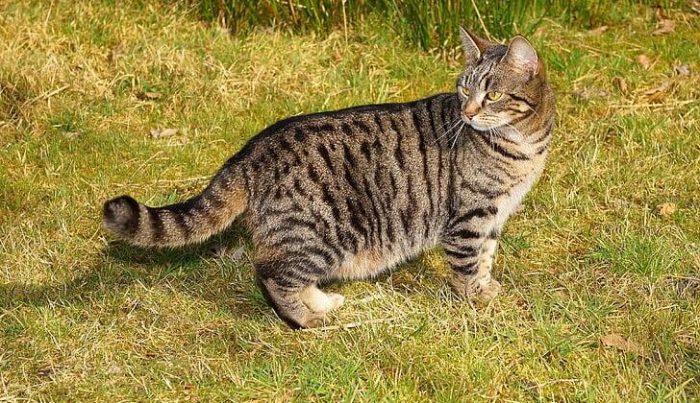
Source: tcrascolorado.com
- Playfulness: They enjoy chasing toys, batting at objects, and engaging in interactive games.
- Affection: While not always constant, they often show affection through head-butts, purring, and rubbing against their favorite humans.
- Independence: They appreciate having their own space and may spend time exploring or napping on their own.
- Vocalization: They are often quite vocal, using a variety of meows, chirps, and trills to communicate.
- Curiosity: They are naturally curious and enjoy investigating new objects and environments.
- Intelligence: They are quick learners and can be trained to perform simple tricks.
Health Considerations
Like all cats, calico tabbies are susceptible to certain health issues. While not inherently more prone to illness than other cats, understanding potential risks and taking preventative measures is crucial for ensuring a long and healthy life. This section will Artikel potential health concerns, preventative care strategies, and the importance of genetic testing.
Potential Health Issues
Hypertrophic cardiomyopathy (HCM), a heart condition characterized by thickening of the heart muscle, is a concern in many cat breeds, including calico tabbies. Polycystic kidney disease (PKD), a genetic disorder that causes cysts to form on the kidneys, is another potential issue. Urinary tract infections (UTIs) are also relatively common in cats, regardless of breed.
Preventative Care Measures
A balanced diet formulated for cats, regular exercise to maintain a healthy weight, and routine veterinary checkups are essential for preventative care. Dental care, including regular brushing, is also important for preventing dental disease. Providing fresh water and clean litter boxes encourages good hygiene.
The Importance of Genetic Testing
Genetic testing can help identify cats at risk for certain inherited conditions, such as PKD and HCM. While testing cannot prevent these conditions, it allows owners to monitor their cats closely and make informed decisions about their care. Early detection and management can often improve outcomes.
A Table of Health Concerns
| Health Concern | Symptoms | Recommended Action ||—|—|—|| Hypertrophic Cardiomyopathy (HCM) | Difficulty breathing, lethargy, loss of appetite, sudden death | Veterinary examination, echocardiogram, medication || Polycystic Kidney Disease (PKD) | Increased thirst and urination, weight loss, vomiting | Veterinary examination, blood and urine tests, ultrasound || Urinary Tract Infection (UTI) | Frequent urination, straining to urinate, blood in urine, pain | Veterinary examination, urine analysis, antibiotics || Dental Disease | Bad breath, red gums, difficulty eating | Veterinary dental cleaning, regular brushing |
Conclusive Thoughts
From their complex genetic origins to their individual personalities, calico tabbies offer a constant source of wonder and joy. Whether you’re considering welcoming one into your home or simply admiring them from afar, appreciating the unique beauty and quirks of these cats is a truly rewarding experience. Their vibrant coats, playful nature, and occasional eccentricities make them cherished members of countless families worldwide.
Ultimately, the calico tabby is more than just a pretty face; it’s a testament to the incredible diversity and beauty found within the feline world. So, let’s celebrate these remarkable cats and continue to learn more about their fascinating lives!
FAQ Overview
Why are male calico tabbies so rare?
Male calico tabbies are rare because the genes for orange and black fur are located on the X chromosome. Females have two X chromosomes (XX), allowing them to display both colors. Males have one X and one Y chromosome (XY), so they typically only express one of these colors. A male calico tabby usually has an extra X chromosome (XXY), a genetic anomaly that allows for the expression of both colors.
What’s the difference between a calico and a tortoiseshell?
Both calicos and tortoiseshells have patches of black and orange fur. The key difference is that calicos
-also* have white patches, while tortoiseshells do not. Tortoiseshells can also display tabby markings within their black and orange patches, which is what makes a calico tabby!
Are calico tabbies known to be more affectionate than other cats?
There’s no definitive proof that calico tabbies are inherently more or less affectionate than other cats. Their personalities vary greatly, just like any other breed or mixed breed. However, some anecdotal evidence suggests they can be quite independent and playful, but also very loving and loyal to their chosen humans.
What are some common health concerns for calico tabbies?
Calico tabbies, like other cats, can be prone to various health issues. Hypertrophic cardiomyopathy (HCM), a heart condition, is one concern. Regular veterinary checkups and a healthy lifestyle are crucial for early detection and management.
How much grooming do calico tabbies need?
Grooming needs depend on the length and texture of their fur. Most calico tabbies benefit from weekly brushing to remove loose hair and prevent mats. Regular nail trims and ear cleaning are also important.
What kind of toys do calico tabbies enjoy?
Calico tabbies are often playful and energetic, so they enjoy a variety of toys! Interactive toys like feather wands, laser pointers, and puzzle toys are great for stimulating their minds and bodies. Scratching posts are also essential for maintaining healthy claws and satisfying their natural instincts.


![calico tabby :]] : r/cats](https://miowcat.com/wp-content/uploads/2026/04/3568-understanding-tabby-cat-calico-traits-and-characteristics-728x420-2-390x220.jpg)
