Let’s face it, seeing your cat stuck in a dreaded Elizabethan collar (cone of shame) is heartbreaking. Those plastic cones, while necessary in some cases, can be incredibly stressful for our feline companions, hindering their ability to eat, drink, and even groom themselves comfortably. The good news is, there’s a growing range of cat cone alternatives designed to offer protection while prioritizing your cat’s well-being.
This guide explores those options, from soft collars and recovery suits to DIY solutions and behavioral strategies, helping you find the perfect fit for your cat’s needs.
We’ll dive deep into understanding why cones are sometimes unavoidable, then explore a variety of alternatives, weighing their pros and cons. We’ll also look at how to properly fit these alternatives, how to keep them clean, and even how to use distraction techniques to help your cat heal without the cone-induced misery. Ultimately, our goal is to empower you to make informed decisions about your cat’s recovery and ensure they feel safe and comfortable throughout the process.
Navigating the Cone Conundrum: Alternatives for Your Cat’s Recovery
The Elizabethan collar, or “cone of shame,” is a familiar sight at the vet’s office. While undeniably effective at preventing cats from licking or scratching wounds, it can be incredibly stressful and disruptive for our feline friends. Thankfully, there’s a growing range of alternatives designed to offer protection and comfort. This guide explores those options, helping you choose the best solution for your cat’s specific needs and recovery journey.
We’ll delve into everything from soft collars and recovery suits to DIY solutions and behavioral strategies, ensuring your kitty heals comfortably and safely.
Understanding the Cat Cone & Its Limitations
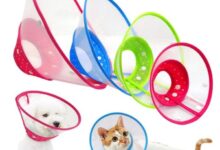
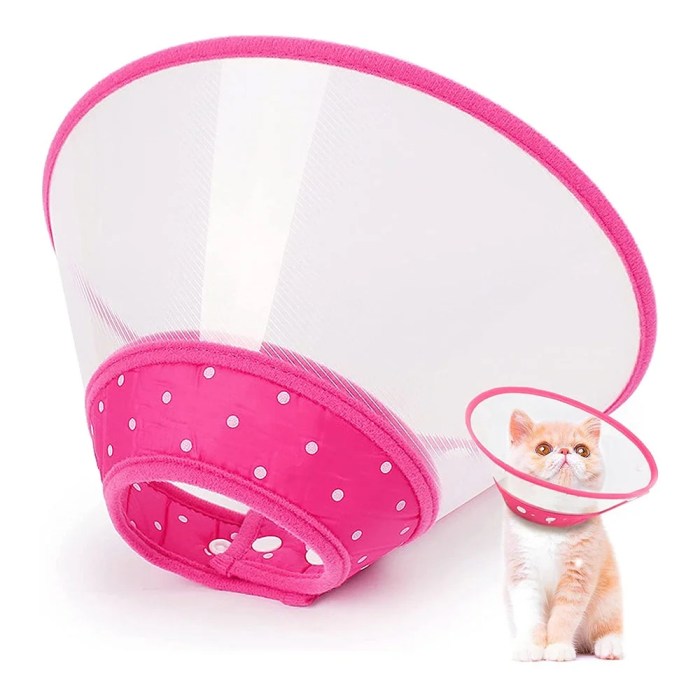
The standard Elizabethan collar, often made of rigid plastic, is a cone-shaped device that fits around a cat’s head, preventing them from reaching wounds. Materials typically include lightweight plastic, sometimes with a soft foam edge to minimize irritation. Veterinarians prescribe cones primarily to protect surgical incisions, skin grafts, or areas treated with topical medications from being licked or scratched, which can introduce infection and delay healing.
However, the cone’s design presents several challenges. Cats wearing cones often experience significant stress and anxiety, struggling to navigate their environment, eat and drink comfortably, and even sleep properly. They can bump into furniture, feel disoriented, and become withdrawn.Cones are absolutely necessary in situations where the risk of self-trauma is high, such as:
- Post-surgical incisions: Especially those in easily accessible areas like the abdomen or legs.
- Severe skin infections: Where licking can spread the infection.
- Wounds near the eyes: Preventing scratching that could cause serious damage.
- Application of topical medications: Ensuring the medication stays in place and isn’t ingested.
- Allergic reactions: Where scratching exacerbates the irritation.
Gentle Protection: Exploring Cat Cone Alternatives
Soft E-Collars: A Gentle Alternative
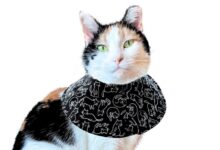
Soft E-collars offer a more comfortable and less restrictive alternative to traditional plastic cones. They allow for greater mobility and reduce the feeling of confinement, leading to less stress for your cat. Unlike rigid cones, soft collars don’t impede a cat’s vision as much, allowing them to navigate their surroundings with more ease. These collars are typically constructed from various materials, including fabric, foam, and mesh.
Fabric collars offer a soft, cushioned feel, while foam collars provide extra padding and support. Mesh collars are breathable and lightweight, ideal for warmer climates. The durability of each material varies; fabric collars may be less resistant to scratching than foam or mesh options.Here’s a comparison of several soft collar brands:
| Brand | Price | Material | Reviews |
|---|---|---|---|
| Coastal Pet Products Soft Cone | $15 – $25 | Polyester fabric with foam padding | 4.5/5 (Generally positive, praised for comfort and ease of use) |
| Four Paws KeepSafe Cone | $20 – $30 | Lightweight nylon with soft fleece lining | 4/5 (Good reviews for preventing licking, some concerns about durability with aggressive scratchers) |
| Muffin’s Halo Cat Collar | $30 – $45 | Soft fabric with a flexible wire frame | 4.8/5 (Highly rated for its unique design and effectiveness in preventing access to wounds) |
| ADVERT Pet Recovery Collar | $18 – $28 | Breathable mesh fabric | 4.2/5 (Appreciated for breathability and lightweight design, may not be suitable for all wound types) |
Soft collars are generally effective in preventing licking and scratching for minor wounds and post-operative sites. However, for more severe wounds or cats with a strong licking habit, a more structured solution might be necessary.
Body Suits & Recovery Suits
Source: walmartimages.com
Recovery suits provide a full-body barrier, protecting surgical sites and preventing self-trauma without the restrictions of a cone. These suits function by covering the entire torso and often the legs, creating a physical barrier that prevents a cat from reaching wounds. A well-designed recovery suit features secure closures (typically Velcro or zippers), breathable fabric (often cotton or a cotton blend), and a coverage area that adequately protects the wound.Different styles cater to various needs:
- Full-body suits: Ideal for extensive surgical sites or multiple wounds.
- Front-only suits: Suitable for wounds on the chest or abdomen.
- Leg coverings: Designed for wounds on the legs or paws.
Fitting a Recovery Suit:
- Measure your cat: Measure the length of their body from the base of the neck to the base of the tail, and the circumference of their chest.
- Choose the right size: Consult the manufacturer’s sizing chart to select the appropriate size based on your cat’s measurements.
- Put the suit on: Gently guide your cat’s legs into the suit, ensuring a snug but comfortable fit.
- Secure the closures: Fasten the Velcro or zipper closures securely, but not too tightly.
- Adjust as needed: Make any necessary adjustments to ensure the suit doesn’t restrict movement or cause discomfort.
Fabric Barriers & Protective Clothing
Fabric barriers, such as old t-shirts or blankets, can offer a simple and cost-effective way to prevent access to wounds. This method is particularly useful for cats who are less prone to aggressive scratching or licking. The best fabrics for this purpose are those with a tight weave, durable construction, and are easily washable. Cotton, flannel, and tightly woven polyester blends are good choices.Creating a simple fabric barrier:
- Cut a t-shirt into a tube shape, leaving a small opening for the head.
- Gently slide the tube over your cat’s head and body, ensuring the wound is covered.
- Secure the fabric around the body with safety pins or ties (ensure these are securely fastened and won’t pose a choking hazard).
However, fabric barriers have limitations. They are often insufficient for cats with a strong licking or scratching habit, or for wounds in areas that are difficult to cover completely. A more structured solution, like a soft collar or recovery suit, is needed in these cases.
Inflatable Collars & Donut Beds
Inflatable collars, also known as “donut collars,” provide a barrier without significantly restricting a cat’s movement. They work by inflating a ring of air around the cat’s neck, preventing them from reaching wounds. These collars are generally lighter and more comfortable than traditional plastic cones.Compared to soft collars, inflatable collars offer a more substantial barrier but can be less flexible.
They may also be more prone to deflation if punctured. Inflatable collars come in various sizes and shapes to accommodate different cat breeds and neck sizes.Donut beds can serve as a supplemental protective measure, particularly for post-operative comfort. The raised edges of the bed create a barrier, preventing the cat from accessing wounds while providing a cozy and secure sleeping space.
DIY Solutions & Homemade Options
Creating a simple, temporary fabric collar from an old t-shirt is a readily available option. As mentioned earlier, cutting a t-shirt into a tube and securing it around the cat’s body can provide a basic level of protection.Safety considerations are paramount when crafting homemade alternatives. Avoid using small parts that could pose a choking hazard, and ensure the fit is secure but not restrictive.
DIY solutions are best suited for minor wounds and short-term use. For more serious injuries or extended recovery periods, professional products are recommended.Creative DIY solutions include:
- Sock collar: Cut the toe off a long sock and slide it over the cat’s head, ensuring the wound is covered.
- Towel wrap: Wrap a soft towel around the cat’s body, securing it with ties.
Behavioral Modification & Distraction Techniques
Environmental enrichment plays a crucial role in reducing a cat’s need to lick or scratch at wounds. Providing stimulating activities and a comfortable environment can alleviate boredom and anxiety, which often contribute to self-trauma.Interactive toys and puzzle feeders can effectively distract cats from their injuries. These toys engage their natural hunting instincts and provide mental stimulation, diverting their attention away from the wound.Creating a calming environment is essential for a recovering cat.
Pheromone diffusers (such as Feliway) can help reduce anxiety, and providing quiet, comfortable spaces can promote relaxation. Positive reinforcement, such as rewarding calm behavior with treats or praise, can further encourage a peaceful recovery.
Considerations for Specific Wound Types & Procedures
The best alternative for post-surgery wounds, particularly spays or neuters, often depends on the location and severity of the incision. A soft collar or recovery suit is generally suitable for abdominal incisions, while a leg covering may be necessary for leg wounds.For cats with skin allergies or irritations, a breathable recovery suit made of hypoallergenic fabric is recommended to prevent further irritation.Cats with facial injuries or wounds near the eyes require careful consideration.
An inflatable collar or a recovery suit with a face opening may be the best option to prevent scratching while allowing for adequate vision.For wounds on the legs or paws, leg coverings or recovery suits specifically designed for limb protection are ideal.
Material Durability & Cleaning Procedures
The cleaning requirements of alternative collar materials vary. Fabric collars are typically machine washable, while foam collars may require hand washing. Inflatable collars can be wiped clean with a damp cloth.Disinfecting and sanitizing each type of alternative is crucial to prevent infection. Use a mild soap and water solution for fabric and foam collars. For inflatable collars, a diluted bleach solution can be used (ensure it is thoroughly rinsed afterward).The lifespan of alternatives depends on the material and the cat’s behavior.
Fabric collars may wear out quickly with aggressive scratching, while inflatable collars may be punctured. Replacement is necessary when the material is damaged or no longer provides adequate protection.
| Material | Cleaning Method | Drying Instructions |
|---|---|---|
| Fabric | Machine wash cold with mild detergent | Tumble dry low or air dry |
| Foam | Hand wash with mild soap and water | Air dry completely |
| Inflatable | Wipe clean with a damp cloth and diluted bleach solution (rinse thoroughly) | Air dry completely |
Sizing & Fit: Ensuring Comfort and Effectiveness
Accurate measurements are essential when selecting an alternative collar. Measure your cat’s neck circumference using a soft measuring tape. The collar should fit snugly but not restrict breathing or movement.Signs of an ill-fitting collar include choking, discomfort, escape attempts, and excessive rubbing. Adjust the collar as needed to ensure optimal comfort and protection. For soft collars, adjust the strap to achieve a secure fit.
For recovery suits, ensure the closures are properly fastened and the suit isn’t too tight. Regular monitoring is crucial to ensure the collar remains comfortable and effective throughout the recovery period.
Wrap-Up
Navigating the world of cat cone alternatives can feel overwhelming, but with a little research and careful consideration, you can find a solution that works for both you and your cat. Whether it’s a soft collar, a recovery suit, or a clever DIY creation, the key is to prioritize your cat’s comfort and well-being while ensuring their wound is protected.
Remember to always consult with your veterinarian to determine the best course of action for your cat’s specific situation, and don’t hesitate to experiment with different approaches until you find what works best. A happy, comfortable cat is a healing cat!
Question & Answer Hub
Can I really trust a soft collar to protect my cat’s wound?
Soft collars can be effective for many wounds, especially those that aren’t heavily guarded by licking or scratching. However, they’re not always suitable for deep wounds or areas that are difficult for the cat to reach. Your vet can advise on whether a soft collar is appropriate.
How do I know if a recovery suit fits properly?
A well-fitting recovery suit should be snug but not restrictive, allowing for comfortable movement. It shouldn’t rub or chafe, and the closures should be secure to prevent escape. Check for any signs of discomfort or irritation.
Are DIY cat cone alternatives safe?
DIY solutions can be helpful in a pinch, but safety is paramount. Avoid small parts that could be chewed off and swallowed, and ensure the fabric is securely fastened to prevent choking. Always supervise your cat when using a homemade alternative.
How often should I wash a recovery suit?
Recovery suits should be washed regularly, ideally every 1-2 days, to prevent bacterial buildup and keep your cat comfortable. Follow the manufacturer’s instructions for washing.
What if my cat is still stressed even with an alternative collar?
Stress is common! Try creating a calming environment with pheromone diffusers, quiet spaces, and interactive toys. Positive reinforcement and gentle handling can also help reduce anxiety.
Can I use a donut bed for a cat with a surgical incision?
Donut beds can provide comfort and a sense of security, but they may not offer enough protection for surgical incisions. They’re best used as a supplemental measure alongside another barrier.

