Seeing your kitten listless and refusing to drink is incredibly worrying. Dehydration can creep up quickly in these tiny felines, and many owners understandably search for solutions. Pedialyte, a familiar electrolyte solution for human babies, often pops up in discussions about kitten care. But is it safe and effective for our furry friends? This guide dives deep into the world of Pedialyte for kittens, exploring its potential benefits, risks, and alternatives, all while emphasizing the crucial role of veterinary guidance.
Kittens have significantly different nutritional needs than adult cats. Their smaller size and developing systems mean they’re more vulnerable to imbalances. While Pedialyte is designed to replenish electrolytes in human infants, its suitability for kittens requires careful consideration. We’ll break down the ingredients, discuss potential dangers, and Artikel safer alternatives to help you make informed decisions about your kitten’s health.
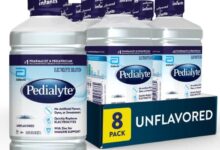


Pedialyte for Kittens: A Guide for Concerned Owners
Seeing your kitten struggling, especially when it comes to hydration, can be incredibly worrying. You might have heard about Pedialyte, a common electrolyte solution for human babies, and wondered if it could help. While it
-can* be a useful tool in certain situations, it’s crucial to understand the nuances of using Pedialyte with kittens. This guide will walk you through everything you need to know, from recognizing dehydration to potential risks and alternatives, always emphasizing the importance of veterinary guidance.
Kittens have significantly different nutritional needs compared to adult cats. Their bodies are still developing, and they require a precise balance of nutrients to support growth. Adult cats can often tolerate minor dietary fluctuations, but kittens are more vulnerable to imbalances. Pedialyte, designed for human infants, contains a specific formulation intended to address dehydration in babies, which differs from the needs of a growing kitten.
While electrolytes are vital for both, the overall composition and intended use are distinct. Giving human products to animals always carries a risk, as their metabolisms and sensitivities can vary greatly. It’s essential to proceed with caution and always consult a veterinarian before administering any medication or supplement not specifically formulated for cats.
Dehydration in Kittens: Recognizing the Signs
Dehydration in kittens is a serious concern, and early recognition is key to successful treatment. Kittens lose fluids more rapidly than adult cats due to their smaller size and higher metabolic rate. Several factors can contribute to dehydration, including diarrhea, vomiting, refusing to eat, fever, or simply not drinking enough water. Recognizing the signs early can significantly improve the kitten’s chances of recovery.
Checking for Dehydration: The Skin Tenting Test
One simple way to assess hydration is the skin tenting test. Gently pinch a small fold of skin on the back of the kitten’s neck or between the shoulder blades. Release the skin. In a well-hydrated kitten, the skin should quickly snap back into place. If the skin slowly returns to its normal position, or if it remains tented for a few seconds, it indicates dehydration.
The longer the skin takes to return, the more dehydrated the kitten is.
Dehydration Severity: A Comparison
The severity of dehydration can range from mild to severe. Here’s a table outlining the common symptoms associated with each level:
| Symptom | Mild | Moderate | Severe |
|---|---|---|---|
| Gum Moisture | Slightly dry | Dry and tacky | Very dry and sticky |
| Eyes | Slightly sunken | Moderately sunken | Deeply sunken |
| Skin Tenting | Skin returns in <1 second | Skin returns in 1-2 seconds | Skin returns in >2 seconds |
| Lethargy | Slightly less active | Noticeably lethargic | Weak and unresponsive |
It’s absolutely crucial to seek veterinary advice before administering any treatment for dehydration. Self-treating can be dangerous and may mask underlying medical conditions. A veterinarian can accurately assess the kitten’s hydration status and recommend the most appropriate course of action.
Pedialyte Composition and Nutritional Value
Understanding what’s in Pedialyte is essential before considering its use for a kitten. Pedialyte is primarily an electrolyte solution designed to replenish fluids and electrolytes lost due to vomiting or diarrhea in human infants. It’s not a complete nutritional source.
Ingredient Breakdown and Potential Benefits
Here’s a breakdown of the key ingredients in Pedialyte and how they
-could* theoretically benefit a dehydrated kitten:
- Electrolytes (Sodium, Potassium, Chloride): These minerals are lost through vomiting and diarrhea. Replenishing them helps restore electrolyte balance, which is crucial for proper nerve and muscle function.
- Carbohydrates (Dextrose): A small amount of sugar provides a readily available energy source, which can be helpful for kittens who are refusing to eat.
- Sodium: Helps regulate fluid balance and nerve function.
- Potassium: Essential for muscle contractions and heart function.
- Chloride: Works with sodium to maintain fluid balance.
Pedialyte vs. Kitten Rehydration Fluids
While Pedialyte can provide electrolytes, kitten-specific rehydration solutions are formulated with a more balanced nutritional profile tailored to a kitten’s needs. These solutions often contain additional nutrients and may have a lower sugar content than Pedialyte, minimizing the risk of digestive upset.
Electrolyte Comparison
| Pedialyte | Kitten Rehydration Fluid | Units | |
|---|---|---|---|
| Sodium | 145 mg/100mL | 90-120 mg/100mL | mg/100mL |
| Potassium | 35 mg/100mL | 20-30 mg/100mL | mg/100mL |
| Chloride | 110 mg/100mL | 80-100 mg/100mL | mg/100mL |
As you can see, Pedialyte generally has a higher concentration of electrolytes compared to kitten-specific fluids. This difference highlights the importance of careful dosage and veterinary guidance when using Pedialyte for kittens.
Administering Pedialyte to Kittens: Safe Methods & Dosage
If your veterinarian recommends Pedialyte, it’s crucial to administer it correctly to avoid complications. Improper administration can lead to aspiration pneumonia, a serious lung infection.
Safe Administration Techniques
The most common methods for administering Pedialyte to kittens are using a syringe or a dropper. Syringes generally offer more control over the flow of liquid, reducing the risk of aspiration. Always hold the kitten in a comfortable, upright position, similar to how you would feed a baby.
Syringe Feeding Technique
When using a syringe, draw up the appropriate amount of Pedialyte. Gently insert the tip of the syringe into the corner of the kitten’s mouth, avoiding the tongue. Slowly dispense the liquid, allowing the kitten to swallow at its own pace. Never force the liquid into the kitten’s mouth. Pause frequently to allow the kitten to breathe and swallow.
Watch for any signs of coughing or choking, which could indicate aspiration.
Dosage Guide
The appropriate dosage of Pedialyte depends on the kitten’s weight and the severity of dehydration. Here’s a general guide:
- Up to 1 lb: 5-10 mL every 2-3 hours
- 1-2 lbs: 10-15 mL every 2-3 hours
- 2-3 lbs: 15-20 mL every 2-3 hours
- 3-5 lbs: 20-30 mL every 2-3 hours
These are just guidelines. Your veterinarian will provide specific dosage instructions based on your kitten’s individual needs. Always start with a smaller amount and gradually increase it as tolerated.
Alternatives to Pedialyte for Kitten Rehydration
While Pedialyte can be used in a pinch, several commercially available kitten rehydration solutions are specifically formulated to meet the unique needs of kittens. These alternatives often offer a more balanced nutritional profile and may be more palatable.
Commercially Available Solutions
Several brands offer kitten rehydration solutions, such as Unelyte and Diarlyte. These solutions typically contain a blend of electrolytes, carbohydrates, and sometimes other beneficial ingredients like B vitamins. They are designed to be easily absorbed and help restore fluid balance without causing digestive upset.
Comparison with Pedialyte
Compared to Pedialyte, kitten rehydration solutions often have a lower sugar content and a more balanced electrolyte profile. They may also be more palatable for kittens, making them easier to administer. However, they can be more expensive and less readily available than Pedialyte.
Homemade Electrolyte Solutions (With Caution!)
Source: cat-world.com
While it’s
-possible* to make a homemade electrolyte solution, it’s strongly discouraged unless specifically directed by your veterinarian. Incorrectly formulated solutions can be harmful and worsen the kitten’s condition. If your veterinarian approves, they will provide precise instructions and ratios to ensure the solution is safe and effective.
| Pedialyte | Kitten Rehydration Solution A | Kitten Rehydration Solution B | Homemade Solution (with vet guidance) | |
|---|---|---|---|---|
| Ingredient | Water, Dextrose, Electrolytes | Water, Electrolytes, B Vitamins | Water, Electrolytes, Amino Acids | Water, Salt, Sugar (specific ratios provided by vet) |
| Benefit | Replenishes electrolytes, provides energy | Electrolyte balance, supports overall health | Electrolyte balance, supports tissue repair | Electrolyte balance (if formulated correctly) |
| Cost | Relatively inexpensive | Moderate | Moderate | Low (if ingredients are readily available) |
| Availability | Widely available | Available at pet stores and online | Available at pet stores and online | Requires preparation |
Specific Conditions & Pedialyte Use
The appropriateness of Pedialyte depends heavily on the underlying condition causing dehydration. It’s not a universal solution and should always be used under veterinary guidance.
Diarrhea
Pedialyte
-can* be helpful for kittens experiencing diarrhea, as it helps replace lost electrolytes. However, it doesn’t address the underlying cause of the diarrhea. It’s crucial to identify and treat the cause (e.g., parasites, infection) while providing supportive care with Pedialyte or a kitten-specific rehydration solution.
Refusing to Eat
For kittens refusing to eat, Pedialyte can provide a small amount of energy and hydration. However, it’s not a substitute for proper nutrition. It should be used as a temporary measure while addressing the reason for the kitten’s refusal to eat and encouraging them to resume eating solid food.
Recovery from Illness or Surgery
Kittens recovering from illness or surgery often experience dehydration due to decreased appetite and increased fluid loss. Pedialyte can help support their recovery by providing hydration and electrolytes. However, it’s essential to follow the veterinarian’s instructions regarding diet and medication.
“As a veterinarian, I always advise a cautious approach when using Pedialyte in kittens. It can be a valuable tool, but it’s not a substitute for proper veterinary care. We need to identify the root cause of the dehydration and address it accordingly. Pedialyte should be used as a supportive measure, not a primary treatment.”Dr. Emily Carter, Feline Specialist
Potential Risks and Side Effects
While generally safe when used correctly, Pedialyte can pose risks if not administered properly or if the kitten has underlying health conditions.
Adverse Reactions
Potential adverse reactions include electrolyte imbalance (too much or too little of certain electrolytes), allergic reactions (though rare), and digestive upset. Overhydration is a significant concern, particularly in kittens with kidney problems.
Risk of Overhydration
Overhydration can lead to a condition called hyponatremia, where the sodium levels in the blood become dangerously low. Symptoms of hyponatremia include lethargy, muscle weakness, seizures, and even coma. It’s crucial to administer Pedialyte slowly and in appropriate amounts, as directed by your veterinarian.
Monitoring and Warning Signs
Closely monitor the kitten’s response to Pedialyte administration. Watch for any signs of distress, such as coughing, choking, vomiting, diarrhea, or lethargy. If you notice any of these signs, stop administering Pedialyte and contact your veterinarian immediately.
Warning Signs Requiring Immediate Veterinary Attention:
- Difficulty breathing
- Coughing or choking
- Vomiting
- Diarrhea
- Seizures
- Lethargy or unresponsiveness
Pedialyte Flavors and Suitability for Kittens
Pedialyte comes in various flavors, but not all are equally suitable for kittens. Palatability is a key factor, as kittens can be picky eaters.
Flavor Options and Palatability
Common Pedialyte flavors include apple, grape, cherry, and freezer pops. Generally, unflavored or lightly flavored options like apple are more palatable for kittens. Stronger flavors like grape or cherry may be less appealing and could potentially cause digestive upset.
Unsuitable Flavors
Certain flavors contain artificial sweeteners or ingredients that could be harmful to kittens. Always check the ingredient list carefully before administering Pedialyte.
Dilution
Diluting Pedialyte with water can make it more palatable and reduce the risk of electrolyte imbalance. However, it’s essential to discuss dilution with your veterinarian to ensure the solution remains effective.
| Flavor | Palatability Rating (1-5) | Safety Notes |
|---|---|---|
| Unflavored | 4 | Generally safe and well-tolerated |
| Apple | 3 | Often palatable for kittens |
| Grape | 2 | May be less palatable; check for artificial sweeteners |
| Cherry | 1 | Strong flavor; potential for digestive upset; avoid if possible |
| Freezer Pops | 1 | Often contains artificial colors and flavors; avoid |
Long-Term Use and Considerations
Pedialyte is not intended for long-term hydration support in kittens. It’s a short-term solution to address acute dehydration.
Addressing the Underlying Cause
Relying solely on Pedialyte without addressing the underlying cause of dehydration is not a sustainable solution. It’s crucial to identify and treat the root cause, whether it’s a parasitic infection, kidney disease, or other medical condition.
The Role of a Balanced Diet
A balanced kitten diet is essential for maintaining proper hydration. Ensure your kitten is eating a high-quality kitten food that provides adequate moisture and nutrients.
Questions for Your Veterinarian
Before administering Pedialyte or any other treatment, ask your veterinarian the following questions:
- What is the underlying cause of my kitten’s dehydration?
- What is the appropriate dosage of Pedialyte for my kitten?
- How often should I administer Pedialyte?
- Are there any potential risks or side effects I should be aware of?
- What are the long-term hydration needs of my kitten?
Final Wrap-Up
Ultimately, while Pedialyte
-can* be a temporary tool for rehydrating kittens in certain situations, it’s not a substitute for professional veterinary care. Recognizing the signs of dehydration, understanding the potential risks, and exploring kitten-specific rehydration solutions are all vital steps. Remember, addressing the underlying cause of dehydration – whether it’s diarrhea, illness, or refusal to eat – is paramount for your kitten’s long-term well-being.
Always consult your vet before administering any treatment, and prioritize their expert advice for the best possible outcome.
Navigating kitten health can be overwhelming, but with knowledge and a proactive approach, you can ensure your little one receives the care they need to thrive. This guide provides a starting point, but remember, your veterinarian is your best resource for personalized guidance and treatment plans.
Expert Answers
Can I use Pedialyte to treat diarrhea in my kitten?
Diarrhea can lead to dehydration, and Pedialyte
-might* help replenish lost electrolytes. However, it doesn’t address the underlying cause of the diarrhea. Veterinary consultation is crucial to determine the cause and appropriate treatment.
How much Pedialyte should I give a kitten?
Dosage varies based on the kitten’s weight and level of dehydration. A general guideline is 5-10 ml every 2-3 hours, but
-always* confirm with your vet for a precise recommendation.
Is it okay to mix Pedialyte with my kitten’s food?
Mixing Pedialyte with food isn’t generally recommended. It can dilute the nutritional value of the food and may not be as effective for rehydration. Syringe or dropper feeding is preferred.
What flavors of Pedialyte are safe for kittens?
Unflavored or lightly flavored options like clear apple are generally considered safer. Avoid sugary or artificially flavored varieties, as these can be harmful.
My kitten is refusing to drink Pedialyte. What can I do?
Try chilling the Pedialyte slightly, or offering it with a syringe or dropper. You can also try mixing a tiny amount with a small amount of plain, unflavored kitten food to entice them.
How can I tell if my kitten is rehydrating?
Signs of rehydration include increased energy, improved gum moisture, and a decrease in skin tenting. However, continued monitoring by a vet is essential.
Can Pedialyte cause vomiting or diarrhea?
Yes, in some cases, Pedialyte can cause vomiting or diarrhea, especially if given in excessive amounts or if the kitten has an underlying sensitivity. Discontinue use and contact your vet immediately.

