Those adorable little sneezes from your kittens can be surprisingly concerning! It’s a common worry for new kitten parents, and while a single sneeze might not be a big deal, persistent sneezing can signal an underlying issue. This guide dives deep into the potential reasons why your kittens are sneezing, from simple environmental irritants to more serious infections, and what you can do to help them breathe easy.
We’ll cover everything from household dust to potential allergies, and when a vet visit is absolutely necessary.


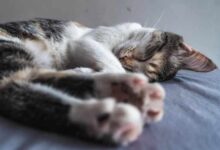
Understanding the causes of kitten sneezing is the first step in providing the best care. Kittens have delicate respiratory systems, making them more susceptible to irritants and infections than adult cats. This means a seemingly minor issue can quickly escalate if left unaddressed. We’ll break down each possibility, offering practical advice and preventative measures to keep your furry friends healthy and happy.
Why Are My Kittens Sneezing? A Comprehensive Guide
Bringing kittens home is a joy, but sometimes that joy is accompanied by a tiny, adorable sneeze. It’s common, but it can be worrying! This guide will walk you through the most likely causes of sneezing in kittens, what to look out for, and how to help your little ones breathe easy. We’ll cover everything from environmental irritants to infections and even less common issues.
Understanding the potential causes is the first step to ensuring your kittens stay happy and healthy.
Common Causes of Sneezing in Kittens
Sneezing in kittens is often triggered by things in their environment. Young kittens have more sensitive respiratory systems than adult cats, making them more susceptible to irritation. Their immune systems are still developing, so they’re less equipped to handle these challenges. Think of it like this: their noses are little filters, and sometimes those filters get clogged or irritated.
Typical Environmental Factors
Dust, pollen, and mold spores are frequent culprits. Kittens explore everything with their noses, and they’re constantly inhaling particles from the air. Even a seemingly clean home can harbor these irritants. The size of these particles also plays a role; smaller particles can penetrate deeper into the respiratory tract, causing more discomfort. Consider the type of bedding you use, the ventilation in your home, and any recent renovations or cleaning activities.
Household Irritants and Their Impact
Many common household items can irritate a kitten’s respiratory system. These include:
- Dust: Accumulates on surfaces and is easily stirred up.
- Pollen: Seasonal allergies are common, just like in humans.
- Mold Spores: Thrive in damp environments.
- Smoke (Cigarette, Fireplace): Extremely irritating to the lungs.
- Air Fresheners & Cleaning Products: Contain volatile organic compounds (VOCs) that can cause irritation.
- Perfumes & Sprays: Strong scents can be overwhelming for a kitten’s sensitive nose.
Kittens react differently to these irritants than adult cats. Their smaller size means a higher concentration of irritants in their respiratory system. Also, their developing immune systems are less able to tolerate these exposures.
Irritant Severity Table
| Irritant | Severity (Mild, Moderate, Severe) | Symptoms | Management ||—|—|—|—|| Dust | Mild | Occasional sneezing, mild watery eyes | Regular cleaning, air purifier || Pollen | Moderate | Frequent sneezing, itchy eyes, runny nose | Limit outdoor exposure, antihistamines (vet prescribed) || Mold Spores | Moderate to Severe | Persistent coughing, difficulty breathing, lethargy | Identify and eliminate mold source, antifungal medication (vet prescribed) || Smoke | Severe | Severe coughing, labored breathing, wheezing | Immediate removal from smoke source, veterinary care || Air Fresheners | Mild to Moderate | Sneezing, watery eyes, skin irritation | Eliminate use, improve ventilation |
Viral Infections and Upper Respiratory Infections (URIs)
Upper Respiratory Infections (URIs) are a very common reason for sneezing in kittens. Feline herpesvirus and calicivirus are the most frequent culprits. These viruses are highly contagious, especially in multi-kitten households or shelters.
Prevalence and Transmission
These viruses are widespread in the cat population. Kittens are particularly vulnerable because they haven’t developed immunity. Transmission occurs through direct contact with infected cats (sharing food/water bowls, grooming), or indirectly through contaminated surfaces (bedding, toys). The virus can also be spread through airborne droplets when an infected cat coughs or sneezes. A mother cat can even transmit the virus to her kittens in utero or through nursing.
Progression of Symptoms
URIs typically start with mild symptoms like sneezing and watery eyes. These can progress to include:
- Nasal discharge (clear or colored)
- Coughing
- Lethargy
- Loss of appetite
- Fever
- Mouth ulcers (especially with calicivirus)
In severe cases, complications like pneumonia can develop. Early intervention is key to preventing these complications.
Preventative Measures
Prevention is always better than cure. Here’s what you can do:
- Vaccination: Vaccines are available for feline herpesvirus and calicivirus. Follow your veterinarian’s recommended vaccination schedule.
- Hygiene: Regularly clean food and water bowls, litter boxes, and bedding.
- Quarantine: Isolate new kittens from existing cats until they’ve been examined by a veterinarian and cleared of infectious diseases.
- Reduce Stress: Stress can weaken a kitten’s immune system, making them more susceptible to infection.
Bacterial Infections Contributing to Sneezing
While viral infections often initiate respiratory problems, bacterial infections frequently follow as secondary complications. These secondary infections take advantage of the weakened respiratory system already compromised by the virus.
Common Bacterial Pathogens
Common bacterial pathogens include
- Bordetella bronchiseptica* (similar to “kennel cough” in dogs) and
- Mycoplasma* species. These bacteria thrive in the inflamed and irritated environment created by a viral infection.
Secondary Complications
The viral infection damages the lining of the respiratory tract, making it easier for bacteria to invade and cause further inflammation and infection. This can lead to a worsening of symptoms and prolonged illness.
Diagnostic Procedures
Diagnosing a bacterial infection typically involves:
- Physical Examination: Your veterinarian will assess the kitten’s overall health and listen to their lungs.
- Nasal Swab: A sample of nasal discharge is collected and sent to a laboratory for bacterial culture and sensitivity testing. This identifies the specific bacteria causing the infection and determines which antibiotics will be most effective.
- Blood Tests: May be performed to assess overall health and rule out other conditions.
Antibiotic Treatment and Side Effects
Antibiotics are prescribed based on the results of the bacterial culture and sensitivity testing. Common antibiotics used include amoxicillin-clavulanate and doxycycline. Potential side effects can include:
- Diarrhea
- Vomiting
- Loss of appetite
- Allergic reactions (rare)
It’s crucial to complete the entire course of antibiotics as prescribed by your veterinarian, even if the kitten appears to be improving.
Foreign Objects and Irritants in the Nasal Passages
It’s surprisingly common for kittens to inhale small objects, especially when they’re exploring their environment. These foreign objects can irritate the nasal passages and cause sneezing.
Possibility of Inhalation
Kittens are curious and playful, and they often put things in their mouths. Common culprits include grass seeds, dust particles, small pieces of toys, and even bits of food.
Safe Nose Examination Guide (Veterinary Consultation Required!)
Important:Do not attempt to remove a foreign object yourself. This should only be done by a veterinarian.* However, you can gently examine the kitten’s nose for visible objects.
- Gently hold the kitten securely.
- Use a bright light to illuminate the nostrils.
- Carefully look inside each nostril for any visible foreign objects.
- If you see something,
-do not* try to remove it. Contact your veterinarian immediately.
Consequences of a Lodged Object
If a foreign object remains lodged in the nasal passage, it can cause:
- Persistent sneezing
- Nasal discharge (often bloody)
- Difficulty breathing
- Nasal inflammation and infection
Flowchart: Identifying and Removing a Foreign Object (Veterinary Guidance)
[Imagine a flowchart here. It would start with “Kitten sneezing/nasal discharge?” Yes -> “Examine nose (vet only)” -> “Foreign object visible?” Yes -> “Veterinary removal” -> “Follow-up care.” No -> “Further diagnostics (x-ray, rhinoscopy)” -> “Treatment based on findings.”]
Allergies in Kittens: Identifying Potential Triggers
Just like humans, kittens can develop allergies. Identifying the triggers can be challenging, but it’s essential for managing their respiratory health.
Types of Allergens
Allergens can be broadly categorized as:
- Food: Certain proteins (chicken, beef, fish) are common allergens.
- Environmental: Pollen, dust mites, mold, and certain chemicals.
- Flea: Allergic reaction to flea saliva.
Acute vs. Chronic Reactions
Acute allergic reactions occur suddenly and can be severe (e.g., difficulty breathing). Chronic reactions develop gradually and may manifest as persistent sneezing, itchy skin, or digestive issues.
Identifying Allergens
Identifying allergens often requires a process of elimination:
- Elimination Diet: Your veterinarian may recommend a hypoallergenic diet to rule out food allergies.
- Allergy Testing: Blood tests or skin tests can identify specific allergens. However, these tests aren’t always accurate and should be interpreted by a veterinarian.
Allergen Table
| Allergen Type | Examples | Potential Symptoms ||—|—|—|| Food | Chicken, Beef, Fish, Dairy | Vomiting, Diarrhea, Skin Itching, Sneezing || Environmental | Pollen, Dust Mites, Mold | Sneezing, Watery Eyes, Itchy Skin, Coughing || Flea | Flea Saliva | Intense Itching, Hair Loss, Skin Lesions |
Fungal Infections and Their Impact on Kitten Respiratory Health
Fungal infections are less common than viral or bacterial infections, but they can still affect kittens’ respiratory systems.
Common Fungal Pathogens
Common fungal pathogens include
- Aspergillus* and
- Cryptococcus*.
Contracting and Spreading
Fungal infections are typically contracted by inhaling fungal spores from the environment. They can be found in soil, decaying vegetation, and damp indoor environments. Spread occurs through airborne spores.
Diagnostic Procedures
Diagnosing fungal infections involves:
- Physical Examination: Your veterinarian will assess the kitten’s overall health.
- Nasal Swab/Biopsy: A sample is collected and sent to a laboratory for fungal culture and microscopic examination.
- Imaging (X-rays, CT scans): May be used to assess the extent of the infection.
Treatment Options
Treatment typically involves antifungal medications, which can be administered orally or intravenously. Treatment can be lengthy and may require ongoing monitoring.
Nasal Polyps and Tumors: Less Common Causes
While less frequent, nasal polyps or tumors can also cause sneezing in kittens. These growths can obstruct the nasal passages and irritate the surrounding tissues.
Diagnostic Procedures
Identifying nasal polyps or tumors requires:
- Rhinoscopy: A small camera is inserted into the nasal passages to visualize the structures.
- Biopsy: A tissue sample is collected for microscopic examination.
- Imaging (X-rays, CT scans): May be used to assess the size and location of the growth.
Treatment Options
Treatment options depend on the type and location of the growth:
- Surgical Removal: May be possible for accessible polyps or tumors.
- Radiation Therapy: May be used for certain types of tumors.
- Medication: May be used to manage symptoms or slow the growth of the tumor.
Early detection and veterinary intervention are crucial for improving the prognosis of kittens with nasal polyps or tumors. Prompt diagnosis and treatment can significantly improve their quality of life and chances of survival.
Environmental Factors and Indoor Air Quality
The air quality in your home can significantly impact your kitten’s respiratory health.
Impact of Irritants
Cigarette smoke, air fresheners, and cleaning products release harmful chemicals that can irritate a kitten’s respiratory system. Poor ventilation allows these irritants to build up.
Practical Tips for Improvement
- Ventilation: Open windows regularly to improve airflow.
- Air Purifier: Use an air purifier with a HEPA filter to remove dust, pollen, and other allergens.
- Avoid Smoke: Keep your home smoke-free.
- Natural Cleaning Products: Use non-toxic, fragrance-free cleaning products.
- Limit Air Fresheners: Avoid using air fresheners or scented candles.
Indoor Air Quality Checklist
[Imagine a checklist here. It would include items like: “Are windows opened daily?”, “Is an air purifier used?”, “Are cleaning products fragrance-free?”, “Is the home smoke-free?”, “Is ventilation adequate?”]
Distinguishing Between Mild and Severe Sneezing
Not all sneezing is cause for alarm. Knowing when to worry is key.
Signs of Minor vs. Emergency
Occasional sneezing, especially after exposure to dust or pollen, is usually not a concern. However, persistent or severe sneezing accompanied by other symptoms warrants veterinary attention.
Monitoring Overall Health
Pay attention to your kitten’s overall health and behavior. Changes in appetite, energy level, or breathing patterns can indicate a more serious problem.
“Red Flag” Symptoms
- Difficulty breathing
- Lethargy
- Loss of appetite
- Fever
- Nasal discharge (colored or bloody)
- Coughing
Symptom Table
| Mild Symptoms | Severe Symptoms ||—|—|| Occasional sneezing | Difficulty breathing || Clear nasal discharge | Colored or bloody nasal discharge || Alert and playful | Lethargy || Normal appetite | Loss of appetite || Normal breathing rate | Rapid or labored breathing |
Home Remedies and Supportive Care (with Veterinary Guidance)
While home remedies can provide some relief, they should always be used in conjunction with veterinary advice.
Soothing Nasal Passages
Steam therapy can help loosen congestion. Bring your kitten into a bathroom while you run a hot shower (but don’t expose them to direct hot water).
Hydration and Nutrition
Source: michupet.com
Ensure your kitten is drinking plenty of water and eating a nutritious diet to support their immune system.
Comfortable Environment
Create a warm, quiet, and stress-free environment for your sneezing kitten.
Things
Not* to Do
Not* to Do
- Do not administer human medications without veterinary approval.
- Do not attempt to flush the nasal passages yourself.
- Do not ignore persistent or severe symptoms.
- Do not delay seeking veterinary care if you are concerned.
Closure
So, you’ve learned a lot about why your kittens might be sneezing! From identifying common allergens to recognizing red flag symptoms, this guide provides a solid foundation for understanding and addressing this common feline issue. Remember, early detection and prompt veterinary care are crucial for ensuring your kittens’ well-being. Don’t hesitate to reach out to your vet if you’re concerned – they’re your best resource for personalized advice and treatment.
With a little knowledge and proactive care, you can help your kittens enjoy a sneeze-free and healthy life!
FAQs
What’s the difference between a kitten sneezing and a human sneezing?
Kittens’ respiratory systems are more sensitive, so even mild irritants can trigger sneezing. Their immune systems are also still developing, making them more vulnerable to infections.
Can dust cause my kitten to sneeze?
Absolutely! Dust, pollen, and mold spores are common environmental irritants that can easily trigger sneezing in kittens. Regular cleaning and air purification can help minimize these triggers.
Is it normal for kittens to have runny noses along with sneezing?
Yes, a runny nose is often a sign of an upper respiratory infection (URI) alongside sneezing. It’s important to monitor for other symptoms like lethargy and loss of appetite.
How can I tell if my kitten’s sneezing is an emergency?
Seek immediate veterinary attention if your kitten is having difficulty breathing, has blue gums, is extremely lethargic, or refuses to eat or drink.
Can I give my kitten human medication for sneezing?
Never! Human medications can be toxic to cats. Always consult your veterinarian before giving your kitten any medication.
What is steam therapy and is it safe for kittens?
Steam therapy can help loosen congestion, but it should be done cautiously. A warm, steamy bathroom (not hot!) for short periods can be helpful, but always supervise your kitten and ensure they don’t get burned.
How can I prevent URIs in my kittens?
Vaccination, good hygiene (frequent litter box cleaning, disinfecting surfaces), and minimizing contact with sick cats are all important preventative measures.

