Losing a cat is a heartbreaking experience, and unfortunately, it’s becoming increasingly common. With rising numbers of lost cat reports, pet owners are searching for better ways to ensure their furry companions’ safety. Traditional methods like microchips and ID tags have their limitations, but GPS pet collars for cats offer a revolutionary approach to pet tracking, providing real-time location data and peace of mind.
The journey to modern pet tracking has been fascinating. Early pet identification relied on simple tags and microchips, which were a significant improvement but lacked the ability to pinpoint a pet’s location. The evolution of GPS technology, combined with miniaturization and improved battery life, has made GPS collars a viable and increasingly popular option for cat owners concerned about their pet’s well-being.
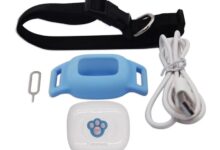
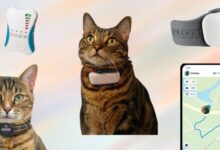

Let’s explore how these devices work, what to look for, and how they can help you keep your cat safe and sound.
Introduction to GPS Pet Collars for Cats
Losing a cat is a uniquely stressful experience. Unlike dogs, cats are often independent and roam freely, making them prone to wandering off. The number of lost cat reports has been steadily increasing, fueled by factors like urbanization and a growing understanding of feline behavioral needs. Traditional methods of pet identification, while helpful, often fall short when it comes to locating a missing cat quickly and efficiently.
This is where GPS pet collars come in, offering a significant upgrade in safety and peace of mind for cat owners.
GPS technology provides real-time location tracking, a capability that microchips and ID tags simply can’t offer. While microchips rely on a vet or shelter scanning the chip to identify the cat, and tags are easily lost or removed, GPS collars allow owners to pinpoint their cat’s location instantly. The evolution of pet tracking technology has been fascinating, moving from basic radio transmitters to the sophisticated GPS devices we have today.
| Method | Description | Limitations | Advantages |
|---|---|---|---|
| Microchip | A small, electronic chip implanted under the cat’s skin containing identification information. | Requires a scanner to be read; doesn’t provide location data; relies on someone finding and taking the cat to a vet or shelter. | Permanent identification; relatively inexpensive; widely recognized by vets and shelters. |
| ID Tag | A tag attached to the cat’s collar with contact information. | Can be lost or removed; relies on someone finding the cat and being willing to contact the owner; limited space for information. | Simple and inexpensive; provides immediate contact information if found. |
| GPS Collar | A collar equipped with a GPS module, cellular/radio transmitter, and battery, allowing real-time location tracking. | Requires a subscription fee; battery needs charging; can be bulky or uncomfortable for some cats; potential signal limitations in certain areas. | Real-time location tracking; geofencing capabilities; activity monitoring; increased chance of quick recovery. |
How GPS Pet Collars for Cats Work
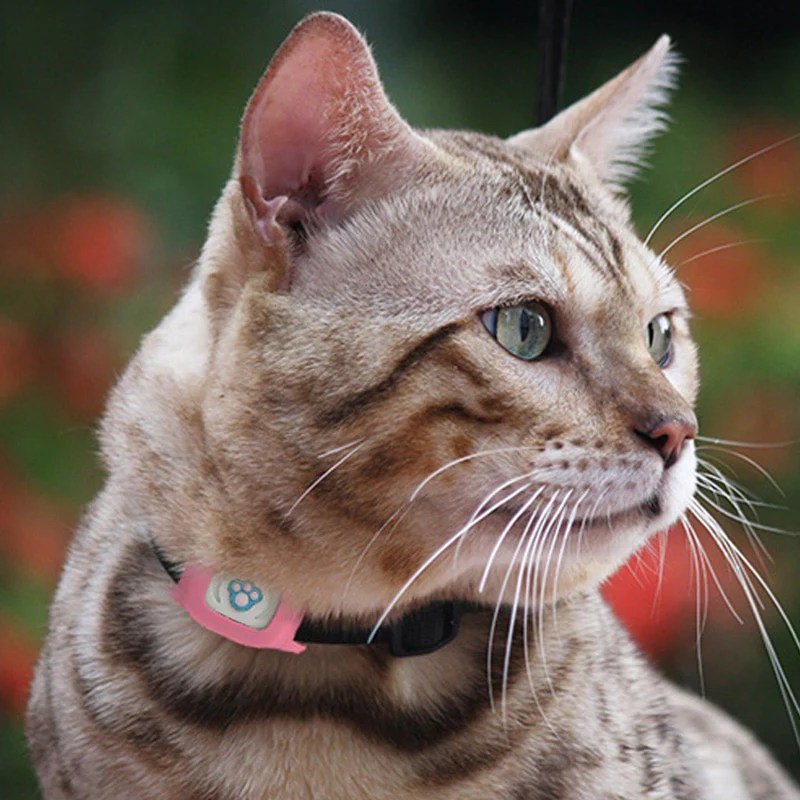
Source: mylebaz.com
At their core, GPS collars are miniature tracking devices designed to be worn by cats. Understanding the components and technology involved is key to appreciating their functionality. The primary components include a GPS module, a cellular or radio transmitter, a battery, and a durable casing. The GPS module receives signals from GPS satellites to determine the cat’s location. The transmitter then sends this location data to the owner’s device via cellular or radio networks.
The battery powers all these components, and the casing protects them from the elements and the cat’s activities.
Several types of GPS tracking signals are used, each with varying degrees of accuracy. GPS (Global Positioning System) is the most common, utilizing signals from a network of satellites orbiting Earth. GLONASS (Global Navigation Satellite System) is a Russian equivalent, and Galileo is a European system. Using multiple systems can improve accuracy, especially in areas with limited GPS satellite visibility.
The more satellites a collar can connect to, the more precise the location data will be.
Data transmission from the collar to a user’s device typically occurs through a smartphone app or a web portal. The collar periodically sends location data, which is then displayed on a map within the app or on the website. The frequency of these updates can often be adjusted by the user, balancing accuracy with battery life.
Imagine a flowchart: GPS satellites transmit signals to the collar’s GPS module. The module calculates the cat’s location. This location data is then transmitted via cellular or radio signal to a cellular tower or base station. From there, the data is routed through the internet to a server. Finally, the server sends the location data to the user’s smartphone app or web portal, where it’s displayed on a map.
Features to Consider When Choosing a GPS Collar for a Cat
Selecting the right GPS collar for your cat involves considering several key features. Real-time tracking is paramount, allowing you to monitor your cat’s location as it moves. Geofencing provides the ability to create virtual boundaries, alerting you when your cat leaves a designated area. Activity monitoring tracks your cat’s movement and rest patterns, potentially revealing insights into their health and behavior.
Battery life is crucial, as frequent charging can be inconvenient. Finally, size and weight are essential for ensuring the collar is comfortable and safe for your cat.
The size and weight of the collar are particularly important. A collar that’s too heavy or bulky can be uncomfortable for your cat, potentially leading to irritation or even injury. Generally, a collar should weigh no more than 5-10% of your cat’s body weight. For kittens or smaller cats, a lighter collar is essential. Consider a collar specifically designed for cats, as they are often smaller and lighter than those designed for dogs.
Geofencing is a powerful feature that allows you to define safe zones for your cat. You can create a geofence around your home, garden, or any other area where you want your cat to stay. When your cat leaves the geofence, you’ll receive an alert on your smartphone. This can be invaluable for preventing your cat from wandering too far or entering dangerous areas.
- Home Zone: A geofence around your house, providing peace of mind when your cat is in the yard.
- Garden Zone: A larger geofence encompassing your garden, allowing your cat to explore while still being contained.
- Safe Area Zone: A geofence around a specific area, such as a local park or a friend’s house, where you know your cat is safe.
Activity monitoring provides valuable insights into your cat’s behavior. By tracking their movement, rest, and activity levels, you can identify potential health issues or behavioral changes. For example, a sudden decrease in activity could indicate illness or injury.
Comparing Different GPS Pet Collar Brands for Cats
Several reputable brands offer GPS collars specifically designed for cats. Tractive, Whistle, and Fi are among the most popular choices, each with its own strengths and weaknesses. Comparing these brands can help you determine which one best suits your needs and budget.
Subscription costs vary significantly between brands. Tractive and Fi typically require monthly subscription fees for data plans, while Whistle offers a more flexible subscription model. Data usage also varies depending on the tracking frequency and the features you use. Higher tracking frequencies and more advanced features will consume more data.
User reviews consistently highlight the accuracy and reliability of Tractive collars. Whistle collars are praised for their activity tracking capabilities, while Fi collars are known for their sleek design and long battery life. However, it’s important to note that GPS accuracy can be affected by environmental factors, such as signal blockage from buildings or dense foliage.
| Brand | Price | Accuracy | Battery Life | Features | User Rating |
|---|---|---|---|---|---|
| Tractive | $70 – $100 (Collar) + $5 – $10/month (Subscription) | Excellent | 2-4 days | Real-time tracking, geofencing, activity monitoring, waterproof | 4.5/5 |
| Whistle | $100 – $130 (Collar) + $7 – $12/month (Subscription) | Good | 3-5 days | Activity tracking, geofencing, lost pet alerts, waterproof | 4/5 |
| Fi | $130 – $160 (Collar) + $8 – $15/month (Subscription) | Very Good | 5-7 days | Real-time tracking, geofencing, activity monitoring, stylish design, waterproof | 4.3/5 |
Battery Life and Charging Considerations
Battery life is a critical factor when choosing a GPS collar. Several factors can affect battery performance, including tracking frequency, signal strength, and temperature. Frequent tracking updates and weak signal strength will drain the battery faster. Extreme temperatures can also impact battery life.
Charging methods vary between brands. Some collars use magnetic charging, which is convenient and eliminates the need for cables. Others use USB charging, which is more common but requires a cable. Consider the convenience of each method when making your decision.
Maximizing battery life is essential for ensuring your cat’s safety. Adjusting the tracking frequency to a less frequent interval can significantly extend battery life. Disabling unnecessary features, such as activity monitoring, can also help conserve power. Ensure the collar is charged fully before each use, especially for longer outings.
Imagine an infographic: It visually demonstrates how different settings impact battery life. A high tracking frequency (e.g., every 5 minutes) drains the battery quickly, while a lower frequency (e.g., every 60 minutes) extends battery life significantly. Activity monitoring also consumes power, while disabling it can add several hours to the battery life. The infographic would use simple icons and percentages to illustrate these differences.
Durability and Waterproofing
The materials used in GPS collar construction directly impact its durability. Look for collars made from robust materials like TPU (thermoplastic polyurethane) or nylon, which are resistant to scratches and abrasions. The buckle should be made of a strong, non-corrosive metal.
Waterproofing is essential for cats, who often encounter rain, mud, and snow. A collar with an IP67 or IP68 rating provides protection against immersion in water. However, even waterproof collars should not be submerged for extended periods.
Collar manufacturers often subject their products to rigorous testing to assess durability and waterproofing. These tests may include drop tests, abrasion tests, and immersion tests. Look for collars that have been tested and certified to meet industry standards.
Setting Up and Using a GPS Pet Collar for Your Cat
Setting up a GPS collar is typically a straightforward process. First, activate the collar by inserting a SIM card (if required) and creating an account on the manufacturer’s website or app. Then, connect the collar to your smartphone via Bluetooth and follow the on-screen instructions to configure the settings.
Configuring geofences and tracking settings within the app is easy. You can create multiple geofences around different areas and customize the alert settings to your preferences. Adjust the tracking frequency to balance accuracy and battery life.
Acclimating your cat to wearing a GPS collar takes time and patience. Start by letting your cat sniff and investigate the collar. Gradually increase the amount of time your cat wears the collar, rewarding them with treats and praise. Ensure the collar fits comfortably and doesn’t restrict their movement.
Here’s a step-by-step guide with illustrations:
- Step 1: Open the app and create an account. (Illustration: Screenshot of the app registration screen)
- Step 2: Activate the collar by following the instructions in the app. (Illustration: Close-up of the collar with the activation button highlighted)
- Step 3: Configure your geofences by drawing boundaries on the map. (Illustration: Screenshot of the map with a geofence drawn around a house)
- Step 4: Adjust the tracking frequency and alert settings. (Illustration: Screenshot of the app settings menu)
- Step 5: Gradually introduce the collar to your cat. (Illustration: Cat wearing the collar comfortably)
Potential Challenges and Limitations
GPS tracking in urban environments can be challenging due to signal blockage from buildings and other structures. This can result in inaccurate location data or even a complete loss of signal. Weather conditions, such as heavy rain or snow, can also affect GPS accuracy.
Privacy concerns are a valid consideration when using GPS tracking devices. Ensure the manufacturer has robust data security measures in place to protect your personal information and your cat’s location data. Review the manufacturer’s privacy policy carefully before purchasing a collar.
Mitigating these challenges involves choosing a collar with multiple GPS systems (GPS, GLONASS, Galileo) to improve accuracy. Regularly check the collar’s signal strength and adjust the tracking frequency as needed. Be mindful of privacy concerns and choose a reputable brand with strong data security practices.
Advanced Features and Integrations
Advanced GPS collars offer features beyond basic tracking, such as historical tracking data, allowing you to review your cat’s movements over time. Multiple pet tracking enables you to monitor the location of several cats simultaneously. Integration with smart home devices can automate actions based on your cat’s location.
Future integrations may include connections with veterinary services, allowing vets to remotely monitor your cat’s activity levels and identify potential health issues. Integration with pet insurance providers could streamline claims processing in the event of a lost pet.
Activity data can be a valuable tool for identifying potential health issues. A sudden decrease in activity, changes in sleep patterns, or unusual movement patterns could indicate illness or injury. Consult with your veterinarian if you notice any significant changes in your cat’s behavior.
Imagine a mock-up of a smart home integration scenario: When the cat leaves the designated “home” geofence, a notification is sent to your smartphone, and the smart home system automatically locks the front door and turns on the outdoor lights.
Cost Breakdown: Collar Purchase, Subscription Fees, and Accessories
The initial cost of purchasing a GPS collar can range from $70 to $160, depending on the brand and features. Subscription fees typically range from $5 to $15 per month, depending on the data plan and services included.
Potential accessory costs include extra batteries, charging docks, and replacement straps. The cost of these accessories can add up over time, so factor them into your budget.
| Brand | Collar Cost | Subscription Cost (1 year) | Accessory Cost (estimated) | Total Cost (1 year) |
|---|---|---|---|---|
| Tractive | $80 | $60 | $20 | $160 |
| Whistle | $110 | $84 | $30 | $224 |
| Fi | $140 | $96 | $40 | $276 |
Conclusive Thoughts
From understanding the core components of a GPS collar to navigating the world of different brands and subscription plans, we’ve covered a lot of ground. Ultimately, a GPS pet collar cat can be a valuable investment for any cat owner who prioritizes their pet’s safety and wants the reassurance of knowing their cat’s whereabouts. While challenges like signal blockage and battery life exist, the benefits of real-time tracking, geofencing, and activity monitoring often outweigh the drawbacks, offering a powerful tool for responsible pet ownership.
As technology continues to advance, we can expect even more sophisticated features and integrations in the future, further enhancing the capabilities of these life-saving devices. So, take the time to research your options, consider your cat’s individual needs, and choose a GPS collar that provides the best possible protection for your beloved feline companion.
Top FAQs
How accurate are GPS pet collars for cats?
Accuracy varies depending on the brand and environmental factors, but most collars offer accuracy within 5-15 feet in open areas. Urban environments with tall buildings can reduce accuracy.
Do GPS collars require a subscription?
Yes, most GPS collars require a monthly or annual subscription to cover data usage and cellular connectivity. Subscription costs vary significantly between brands.
How long does a GPS collar battery last?
Battery life typically ranges from 2-7 days, depending on tracking frequency and usage. Some collars offer extended battery life options with lower tracking frequency.
Are GPS collars safe for cats?
Generally, yes. However, it’s crucial to choose a collar that is lightweight and appropriately sized for your cat to avoid discomfort or injury. Ensure the collar is durable and waterproof.
Can I track my cat’s activity with a GPS collar?
Many GPS collars offer activity monitoring features that track your cat’s movement, sleep patterns, and overall activity levels, providing insights into their behavior.
What happens if my cat goes outside the geofence?
You’ll receive a notification on your smartphone app when your cat leaves the designated geofence area, allowing you to quickly locate and retrieve them.
Are GPS collars waterproof?
Most GPS collars are water-resistant, but not fully waterproof. Check the product specifications for the level of water protection offered.

