We all adore our feline friends, but the reality is that cats, even the most pampered indoor kitties, are natural explorers. The rising popularity of cat ownership, coupled with the fact that a significant number of cats spend time outdoors – whether by choice or accident – means more owners are facing the worry of a lost pet. Statistics show millions of cats go missing each year, highlighting the need for reliable solutions.
Imagine the panic of realizing your beloved Whiskers isn’t home at sunset; a tracking device could have made all the difference, bringing peace of mind and a swift reunion.
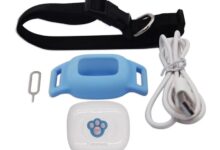


This guide dives deep into the world of cat tracking, exploring the different technologies available, their pros and cons, and how to choose the best option for your cat’s unique personality and lifestyle. We’ll cover everything from GPS and cellular trackers to Bluetooth and radio frequency (RF) options, helping you navigate the choices and ensure your furry companion’s safety and well-being.
The Ultimate Guide to Cat Tracking: Keeping Your Feline Friend Safe
As cat ownership continues to rise globally, so does the concern for our feline companions’ safety and well-being. More and more cat owners are recognizing the potential dangers their cats face when venturing outdoors, leading to a surge in interest in cat tracking devices. This guide will walk you through everything you need to know about cat tracking, from the different types of devices available to choosing the right one for your furry friend.
According to the American Veterinary Medical Association, there are approximately 47 million owned cats in the United States alone, and a significant portion of these cats spend time outdoors. Studies estimate that around 37% of cats are allowed to roam freely, exposing them to a range of risks. These dangers include traffic accidents, encounters with predators (coyotes, foxes, birds of prey), getting lost, and even theft.
Imagine this: Sarah’s beloved tabby, Leo, slipped out the door while she was bringing in groceries. Leo, usually a homebody, was disoriented and scared. Without a tracking device, Sarah spent hours frantically searching, fearing the worst. A GPS tracker could have pinpointed Leo’s location, bringing him home safely and quickly.
Types of Cat Tracking Devices: A Comprehensive Overview
The market for cat tracking devices has exploded in recent years, offering a variety of options to suit different needs and budgets. Each technology has its own strengths and weaknesses, impacting range, accuracy, battery life, and cost. Understanding these differences is crucial for making an informed decision.
GPS Trackers: Pinpointing Location with Satellite Precision
GPS (Global Positioning System) trackers utilize a network of satellites to determine a cat’s precise location. They work by receiving signals from these satellites and calculating their position based on the time it takes for the signals to arrive. This technology offers excellent accuracy, often within a few meters, and provides real-time location updates. However, GPS trackers typically require a subscription plan for data transmission and have a shorter battery life due to the constant satellite communication.
Cellular Trackers: Wide Coverage, Subscription Required
Cellular trackers leverage the existing mobile network to transmit location data. They function similarly to smartphones, using cell towers to communicate. This provides a very wide tracking range, essentially anywhere with cellular coverage. However, this comes at the cost of a monthly subscription fee, and performance is heavily reliant on cellular signal strength. Dead zones can significantly limit their effectiveness.
Bluetooth Trackers: Short-Range Indoor Solutions
Bluetooth trackers rely on a short-range wireless connection between the tracker and a smartphone. They are ideal for indoor tracking or monitoring cats in small, enclosed outdoor areas like a fenced yard. Bluetooth trackers are generally inexpensive and don’t require a subscription, but their limited range (typically around 30-100 feet) makes them unsuitable for tracking cats that roam far from home.
Radio Frequency (RF) Trackers: A Traditional Approach
RF trackers use radio waves to transmit a signal to a base station. They don’t rely on GPS or cellular networks, making them immune to signal interference. However, they have a very limited range (typically 50-200 feet) and require a base station to be placed within range of the cat. This technology is generally less expensive than GPS or cellular trackers but offers significantly less flexibility.
| Tracker Type | Range | Accuracy | Battery Life | Cost (Initial & Ongoing) | Best Use Case |
|---|---|---|---|---|---|
| GPS | Wide (Global) | High (Few Meters) | 2-7 Days | $50 – $200 (Initial) + $5 – $20/month (Subscription) | Outdoor roaming, lost cat recovery |
| Cellular | Wide (Cellular Coverage) | Moderate (10-50 Meters) | 3-10 Days | $75 – $250 (Initial) + $10 – $30/month (Subscription) | Outdoor roaming, large properties |
| Bluetooth | Short (30-100 Feet) | Moderate (5-15 Meters) | 1-6 Months | $20 – $50 (Initial) + $0 (No Subscription) | Indoor tracking, small yards |
| RF | Short (50-200 Feet) | Low (Variable) | 6 Months – 1 Year | $30 – $100 (Initial) + $0 (No Subscription) | Limited area monitoring, budget-friendly option |
GPS Cat Trackers: Features and Functionality
GPS technology has revolutionized cat tracking, offering unparalleled accuracy and range. Understanding how it works and its key features can help you maximize its benefits.
How GPS Technology Works for Cat Tracking
GPS trackers receive signals from a constellation of satellites orbiting the Earth. These signals contain information about the satellite’s position and the time it sent the signal. The tracker uses this data to calculate its own distance from multiple satellites, allowing it to pinpoint its location with remarkable precision. The data is then transmitted to a smartphone app via cellular or Wi-Fi connectivity.
The Importance of Accurate Location Data and Real-Time Updates
Accurate location data is paramount for effective cat tracking. Real-time updates, ideally every few minutes, provide the most current information about your cat’s whereabouts, allowing you to react quickly if they stray into a dangerous area. The faster the update frequency, the more responsive the tracking system will be.
Geofencing Capabilities: Creating Safe Zones
Geofencing is a powerful feature that allows you to define virtual boundaries on a map. When your cat enters or exits a geofenced area, you receive an instant notification on your smartphone. This is particularly useful for setting safe zones, such as your backyard or a designated walking route.
Activity Monitoring: Beyond Location Tracking
Many GPS trackers also offer activity monitoring features, tracking your cat’s steps, distance traveled, and even sleep patterns. This data can provide valuable insights into your cat’s overall health and well-being, helping you identify potential issues early on. For example, a sudden decrease in activity could indicate illness or injury.
Flowchart: GPS Tracker Signal Process
Here’s a visual representation of how a GPS tracker functions:
- Satellite Signals: The tracker receives signals from multiple GPS satellites.
- Location Calculation: The tracker calculates its precise location based on the satellite signals.
- Data Transmission: The location data is transmitted to a cellular network or Wi-Fi.
- App Notification: The data is sent to your smartphone app.
- Alert Trigger (Geofence): If the cat exits a geofenced area, an alert is sent to your phone.
- Owner Notification: You receive a notification on your smartphone, displaying the cat’s location.
Cellular Cat Trackers: Connectivity and Coverage
Cellular cat trackers offer the advantage of wide-area tracking, but it’s crucial to understand the nuances of cellular connectivity.
Advantages of Cellular Connectivity
Cellular connectivity allows for tracking your cat virtually anywhere with cell service, providing a much wider range than Bluetooth or RF trackers. This is particularly beneficial for cats that roam extensively or live in rural areas.
The Importance of Cellular Coverage and Potential Dead Zones
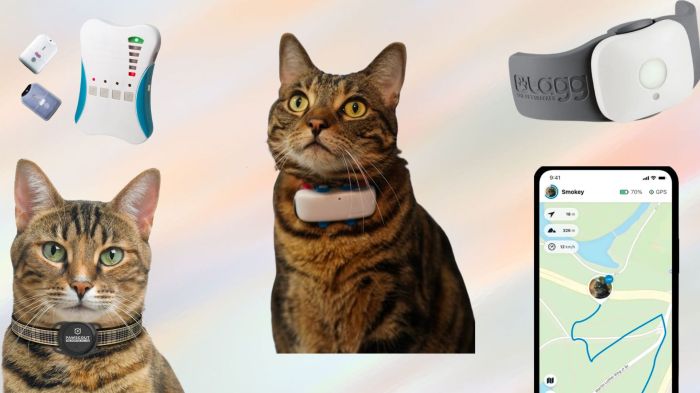
Source: technomeow.com
The effectiveness of a cellular tracker is directly tied to cellular coverage. Areas with weak or no signal (dead zones) will prevent the tracker from transmitting data, rendering it useless. Before purchasing a cellular tracker, it’s essential to check the coverage maps of different carriers in your area.
Subscription Fees and Plan Options
Cellular trackers require a monthly subscription fee to cover data usage and network access. Plans vary in price and data allowance, so it’s important to choose a plan that meets your tracking needs. Some providers offer tiered plans with different features, such as real-time tracking frequency and historical data storage.
Comparing Cellular Carriers and Coverage Maps
Major carriers like Verizon, AT&T, and T-Mobile offer varying levels of coverage. Researching their coverage maps and reading user reviews can help you determine which carrier provides the best service in your area. Consider factors like signal strength, data speeds, and reliability.
Battery Life Implications of Constant Cellular Connectivity
Maintaining a constant cellular connection consumes significant battery power. Cellular trackers typically have shorter battery lives than other types of trackers, often requiring charging every few days. Optimizing settings, such as reducing tracking frequency, can help extend battery life.
Bluetooth Cat Trackers: Short-Range Solutions
Bluetooth trackers offer a simple and affordable solution for indoor tracking and monitoring cats in small outdoor areas.
How Bluetooth Technology Works and Its Limitations
Bluetooth technology uses short-range radio waves to transmit data between devices. Bluetooth trackers rely on a connection to a smartphone or other Bluetooth-enabled device within a limited range. This range is typically around 30-100 feet, making them unsuitable for tracking cats that roam far from home.
Ideal Use Cases for Bluetooth Trackers
Bluetooth trackers are best suited for indoor tracking, monitoring cats in small, fenced yards, or locating a cat that has hidden within the house. They are a good option for owners who primarily want to ensure their cat doesn’t wander too far from the house.
Keeping the Tracker Within Range
The Bluetooth tracker must remain within range of your smartphone for it to function. If the connection is lost, the tracker will stop transmitting data, and you will no longer be able to track your cat’s location.
Tips for Maximizing Bluetooth Range and Signal Strength
Minimize obstructions between the tracker and your smartphone, such as walls and furniture. Ensure your smartphone’s Bluetooth is enabled and that the tracker is properly paired. Some trackers offer features like signal boosters to extend range.
Scenarios Where a Bluetooth Tracker is Suitable
- Tracking a cat within a small apartment or house.
- Monitoring a cat in a securely fenced backyard.
- Locating a cat that has hidden inside the house.
- As a supplementary tracking device alongside a GPS tracker.
Radio Frequency (RF) Cat Trackers: Traditional Technology
RF trackers represent a more traditional approach to cat tracking, relying on a base station to detect the tracker’s signal.
How RF Trackers Operate
RF trackers transmit a radio signal that is detected by a base station. The base station then indicates the approximate location of the tracker. Unlike GPS or cellular trackers, RF trackers do not rely on external networks, making them immune to signal interference.
Setup Process: Base Station Placement
Setting up an RF tracker involves placing the base station in a central location within your home or yard. The tracker is then attached to your cat’s collar. The range of the tracker is determined by the distance between the cat and the base station.
Limitations of RF Trackers
RF trackers have a limited range, typically 50-200 feet. Walls and other obstructions can significantly reduce the effective range. They also require the base station to be powered on at all times.
Comparing RF Trackers to Other Technologies
RF trackers are generally less expensive than GPS or cellular trackers, but they offer significantly less flexibility and range. They are a good option for owners who only need to monitor their cat within a small, defined area.
Step-by-Step Guide: Setting Up and Using an RF Cat Tracker
- Place the Base Station: Position the base station in a central location with good coverage.
- Attach the Tracker: Securely attach the tracker to your cat’s collar.
- Power On: Turn on the base station and the tracker.
- Test the Range: Walk around your property with your cat to determine the effective range of the tracker.
- Monitor: Observe the base station’s indicator lights to determine your cat’s approximate location.
Factors to Consider When Choosing a Cat Tracker
Selecting the right cat tracker requires careful consideration of your cat’s individual needs and your lifestyle.
Cat’s Personality and Lifestyle
An indoor-only cat has different tracking needs than an outdoor adventurer. A timid cat may benefit from a lightweight tracker, while a more adventurous cat may require a more durable and waterproof option.
Battery Life and Charging Options
Consider how often you are willing to charge the tracker. Longer battery life is essential for cats that roam extensively. Look for trackers with convenient charging options, such as USB or wireless charging.
Tracker Size and Weight
The tracker should be lightweight and comfortable for your cat to wear. A bulky or heavy tracker can irritate your cat and discourage them from wearing it.
Durability and Water Resistance
If your cat spends time outdoors, choose a tracker that is durable and water-resistant to withstand the elements.
User-Friendliness of the App
The accompanying app should be easy to use and provide clear and concise information about your cat’s location and activity.
| Cat Lifestyle | Recommended Tracker Type | Justification |
|---|---|---|
| Indoor Only | Bluetooth | Sufficient range for indoor tracking, affordable, no subscription required. |
| Small Yard | Bluetooth or RF | Limited range requirements, budget-friendly options available. |
| Outdoor Roaming | GPS or Cellular | Wide range and accurate location data are essential for lost cat recovery. |
| Adventurous & Active | GPS (Durable Model) | Requires robust tracking and long battery life. |
Top Cat Tracking Devices: A Comparative Review
Here’s a look at some of the most popular cat tracking devices on the market:
- Tractive GPS Cat LTE: Offers global coverage with LTE connectivity, real-time tracking, activity monitoring, and geofencing.
- Whistle GO Explore: Combines GPS, cellular, and Bluetooth tracking, with activity monitoring and a community feature for sharing lost pet alerts.
- Fi Smart GPS Cat Collar: Provides accurate GPS tracking, activity monitoring, and a stylish design.
- Pawfit 3: A versatile tracker with GPS, cellular, and Bluetooth capabilities, offering activity monitoring and geofencing.
- Link AKC Smart Collar: Features GPS tracking, activity monitoring, and a lost pet recovery service.
Each device has its own strengths and weaknesses. The Tractive GPS Cat LTE excels in global coverage, while the Whistle GO Explore offers a unique community feature. The Fi Smart GPS Cat Collar stands out with its stylish design, and the Pawfit 3 provides a balance of features and affordability. The Link AKC Smart Collar offers a comprehensive lost pet recovery service.
Tractive GPS Cat LTE: “The best overall choice for owners who want reliable global tracking and real-time updates.”
Whistle GO Explore: “A great option for owners who want to connect with a community of pet lovers and share lost pet alerts.”
Fi Smart GPS Cat Collar: “Stylish and functional, with accurate GPS tracking and activity monitoring.”
Pawfit 3: “A versatile and affordable tracker with a good balance of features.”
Link AKC Smart Collar: “Provides peace of mind with its comprehensive lost pet recovery service.”
Installation and Setup: A Practical Guide
Getting your cat tracking device up and running is a straightforward process.
Attaching the Tracker to the Collar
Most trackers come with a secure collar attachment mechanism. Ensure the tracker is firmly attached to the collar and that it doesn’t interfere with your cat’s movement. Regularly check the collar and tracker for wear and tear.
Downloading and Setting Up the App
Download the accompanying app from your smartphone’s app store. Follow the on-screen instructions to create an account and pair the tracker with your smartphone.
Calibrating the Tracker
Some trackers require calibration to ensure accurate location data. Follow the manufacturer’s instructions to calibrate the tracker in an open area with a clear view of the sky.
Troubleshooting Common Setup Issues
If you encounter any issues during setup, consult the manufacturer’s website or contact their customer support for assistance.
Proper Collar Attachment: The tracker should be positioned centrally on the collar, ensuring it doesn’t obstruct the cat’s airway or interfere with their movement. The collar should be snug but not too tight, allowing one or two fingers to fit comfortably between the collar and the cat’s neck. The tracker’s attachment clip should be securely fastened to the collar, and the connection should be regularly checked to prevent accidental detachment.
Battery Life and Charging: Maximizing Performance
Maximizing battery life is crucial for ensuring your cat tracker remains operational when you need it most.
Factors Affecting Battery Life
GPS usage, cellular connectivity, and tracking frequency all impact battery life. Frequent location updates and constant cellular communication will drain the battery faster.
Charging Options
Most trackers use USB charging, while some offer wireless charging capabilities. Consider the convenience of each charging option when selecting a tracker.
Tips for Extending Battery Life
Reduce tracking frequency, disable unnecessary features, and optimize settings to conserve battery power. Consider using a power-saving mode when your cat is indoors.
Regular Battery Checks and Replacements
Regularly check the battery level and replace the battery as needed. Some trackers use rechargeable batteries, while others require disposable batteries.
| Tracker Model | Estimated Battery Life (Typical Use) |
|---|---|
| Tractive GPS Cat LTE | 3-7 Days |
| Whistle GO Explore | 3-10 Days |
| Fi Smart GPS Cat Collar | 3-7 Days |
| Pawfit 3 | 4-8 Days |
| Link AKC Smart Collar | 3-5 Days |
End of Discussion
From the sophisticated accuracy of GPS to the simplicity of Bluetooth, the options for cat tracking have expanded dramatically. Understanding the nuances of each technology – range, battery life, cost, and suitability – is key to making an informed decision. Ultimately, investing in a cat tracker isn’t just about technology; it’s about providing an extra layer of security and peace of mind, knowing you can quickly locate your beloved cat should they wander too far.
With the right tracker and a little preparation, you can enjoy your cat’s adventurous spirit while safeguarding their well-being.
User Queries
How accurate are cat trackers?
Accuracy varies by technology. GPS offers the best accuracy (within a few feet), while Bluetooth is less precise (within 30-100 feet). Cellular and RF trackers fall somewhere in between.
Do cat trackers require a subscription?
Cellular trackers almost always require a monthly subscription for data and connectivity. GPS and Bluetooth trackers typically don’t, but rely on your smartphone’s connection.
How much does a cat tracker weigh?
Most trackers weigh between 15-30 grams (0.5-1 ounce). It’s crucial to choose a lightweight option that won’t burden your cat.
Are cat trackers waterproof?
Many trackers offer some level of water resistance, but full waterproofing is rare. Check the product specifications for details.
Can I track multiple cats with one tracker?
No, each cat typically requires its own tracking device. Some apps allow you to manage multiple trackers within a single account.
How long do cat tracker batteries last?
Battery life varies greatly depending on the technology and usage. GPS trackers typically last 2-7 days, Bluetooth trackers can last weeks, and RF trackers can last months.

