It’s a common household dilemma: your cat needs a litter box, but your dog sees it as a delicious (and potentially dangerous) buffet. The allure of cat litter for dogs is surprisingly strong, driven by scent, texture, and sometimes just plain boredom. But beyond the frustration of cleaning up messes, there’s a real concern for your dog’s health, as ingesting certain types of litter can lead to serious problems.
This guide dives deep into the world of dog-proof cat litter, exploring everything from enclosure designs to training techniques, so you can protect your furry friend and maintain a peaceful multi-pet home.




We’ll break down the different types of litter, analyze what makes them appealing (or unappealing) to dogs, and offer practical solutions to keep your dog out and your cat comfortable. From DIY projects to commercial products, we’ll cover a wide range of options to suit different budgets and lifestyles. Plus, we’ll address the underlying behavioral issues that might be contributing to the problem, and what to do in case of accidental ingestion.
Dog-Proofing Your Cat Litter: A Guide for Multi-Pet Homes
Let’s be honest, sharing your home with both a cat and a dog can be a delightful chaos. But that chaos can escalate quickly when your curious canine develops a fascination with your cat’s litter box. It’s frustrating, potentially dangerous, and a constant battle. This guide is designed to help you understand why your dog is drawn to the litter box, explore practical solutions, and ultimately create a peaceful coexistence for all your furry family members.
We’ll dive into everything from understanding the underlying reasons for this behavior to implementing training techniques and modifying your environment. This isn’t about punishing your dog; it’s about understanding their motivations and creating a safer, more harmonious home for everyone.
1. Understanding the Problem
Dogs and Cat Litter
The allure of the cat litter box to a dog isn’t always about malice. It’s often a combination of factors that trigger their curiosity and, unfortunately, sometimes their digestive system. Understanding these factors is the first step in addressing the problem.
Common Reasons for Dog Attraction
Several things draw dogs to cat litter. The most common culprits are the smell, the texture, and plain old boredom. Cat litter, especially used litter, carries a strong scent that can be intriguing to a dog’s powerful nose. The texture, particularly of clumping litters, can be appealing to dogs who enjoy digging or chewing. And let’s not forget boredom – a dog with pent-up energy might see the litter box as a source of entertainment, even if it’s a messy one.
Potential Dangers of Ingestion
While a little sniff isn’t usually harmful, ingesting cat litter can be dangerous. Clumping litters, in particular, can expand in the stomach, causing intestinal blockages. Many litters contain additives like baking soda or activated charcoal, which, while generally safe in small amounts, can cause digestive upset if consumed in larger quantities. Furthermore, cat feces within the litter can contain parasites that can be transmitted to dogs.
Cat Owner Frustration
It’s incredibly frustrating to constantly clean up after your dog’s litter box raids. Beyond the mess, it’s a disruption to your cat’s routine and a potential source of stress for them. It also raises concerns about your dog’s health and safety, leading to a cycle of anxiety and intervention.
Dog Breeds with a Particular Interest
Certain breeds seem to be more prone to litter box fascination. Terriers, with their digging instincts, are often drawn to the texture. Retrievers, known for their scavenging tendencies, might be attracted by the smell. Beagles, with their exceptional sense of smell, are easily lured by the scent. Even larger breeds like Labrador Retrievers and German Shepherds can be tempted, especially if they’re bored or lacking sufficient exercise.
Ultimately, individual personality plays a bigger role than breed, but these breeds tend to exhibit the behavior more frequently.
2. Types of Cat Litter & Dog Attractiveness
Not all cat litters are created equal, and their appeal to dogs varies significantly. Understanding these differences is crucial for choosing a litter that’s less tempting to your canine companion. The texture and scent of a litter play a huge role in whether a dog will be interested.
Comparing Different Litter Types
Let’s break down the most common types of cat litter: clay, clumping, crystal, wood, paper, wheat, and corn. Clay litter is the traditional choice, but its dusty nature and lack of clumping can be a drawback. Clumping litter forms solid clumps when wet, making scooping easier but also presenting a potential ingestion hazard for dogs. Crystal litter is highly absorbent and low-dust, but the sharp crystals can be uncomfortable for cats and potentially appealing to dogs who like to chew.
Wood and paper litters are natural and biodegradable, offering a less appealing texture to many dogs. Wheat and corn litters are also natural but can be more fragrant, potentially attracting some dogs.
Scents and Textures that Attract Dogs
Source: cats.com
The scent of clay litter is often mild, but some scented varieties can be enticing. Clumping litters, especially those with added deodorizers, can have a stronger smell. Crystal litter is generally odorless. Wood and paper litters have a natural, earthy scent. Wheat and corn litters can have a slightly sweet or grainy smell.
Texture-wise, the fine, powdery texture of clay litter can be appealing to some dogs. Clumping litter’s ability to form clumps can be intriguing for dogs who like to dig. Crystal litter’s sharp edges can be a novelty. Wood and paper litters offer a more natural, less appealing texture.
Litter Type Comparison Table
| Litter Type | Texture | Scent | Dog Appeal Rating (1-5) |
|---|---|---|---|
| Clay | Fine, powdery | Mild, sometimes scented | 2 |
| Clumping | Clumping, granular | Variable, often scented | 3-4 |
| Crystal | Sharp, crystalline | Odorless | 2-3 |
| Wood | Natural, fibrous | Earthy | 1 |
| Paper | Soft, granular | Slightly dusty | 1-2 |
| Wheat | Granular | Slightly sweet | 3 |
| Corn | Granular | Grainy | 2-3 |
Impact of Litter Ingredients
Ingredients like baking soda are often added to litters to control odor, but they can also make the litter more appealing to dogs. Activated charcoal, while effective at absorbing odors, can also be tempting to chew. Choosing a litter with minimal additives is generally a safer bet for multi-pet households.
3. Litter Box Enclosure Solutions
One of the most effective ways to deter your dog from the litter box is to physically restrict their access. Litter box enclosures provide a barrier while still allowing your cat to do their business comfortably. The key is finding an enclosure that balances dog-proofing with cat-friendliness.
Various Enclosure Designs
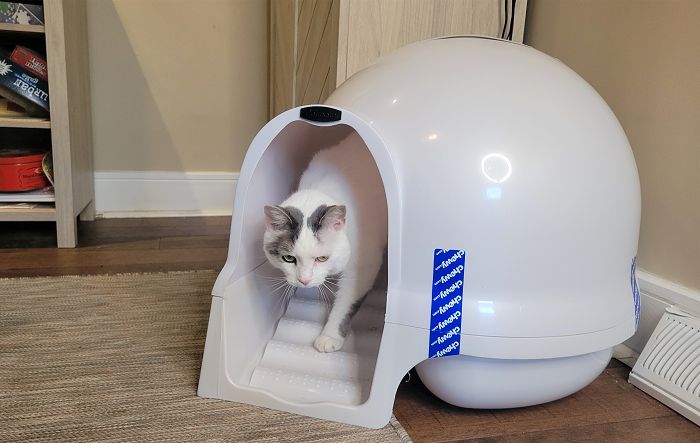
Several enclosure designs can deter dogs. Covered litter boxes are a basic option. Cabinets, either purchased or DIY, offer a more substantial barrier. DIY solutions can range from simple baby gates to elaborate custom-built structures.
Pros and Cons of Each Type
Covered litter boxes are affordable and easy to find, but they may not be effective against determined dogs. Cabinets offer better protection but can be more expensive and may require modifications to ensure adequate ventilation. DIY solutions allow for customization but require time and effort. Accessibility for the cat is a crucial consideration – the enclosure should be easy for your cat to enter and exit, even when they’re feeling stressed.
Custom-Built Enclosure Description
A custom-built enclosure can be constructed using readily available materials like wood and plexiglass. The base can be a sturdy wooden box, approximately 24″ x 24″ x 24″. The front panel can be made of plexiglass, cut to size and attached to the box with hinges, allowing for easy access for cleaning. A small cat-sized entrance hole should be cut into the front panel, positioned low to the ground.
The top can be left open for ventilation or covered with a wire mesh to prevent escapes. The construction process involves cutting the wood to size, assembling the box, cutting and attaching the plexiglass, installing the hinges, and sanding any rough edges.
Commercially Available Enclosures
Numerous commercially available litter box enclosures cater to different budgets and preferences. Entry-level options, typically made of plastic, range from $20-$50 and offer basic dog-proofing. Mid-range options, often made of wood or metal, range from $50-$150 and provide more robust protection and aesthetic appeal. High-end options, featuring automatic cleaning mechanisms or elaborate designs, can cost $150-$300 or more.
Features to consider include cat entrance size, ventilation, ease of cleaning, and overall durability.
4. Dog Training & Behavior Modification
While physical barriers are important, training your dog to leave the litter box alone is essential for long-term success. Positive reinforcement and consistent training can significantly reduce their interest in the area.
Positive Reinforcement Training
Positive reinforcement focuses on rewarding desired behaviors rather than punishing unwanted ones. When your dog shows interest in the litter box, redirect their attention to a more appropriate activity and reward them with praise, treats, or a favorite toy. This helps them associate leaving the litter box with positive experiences.
Step-by-Step “Leave It” Guide
1. Start with a low-value item. Hold a treat in your hand and show it to your dog. 2. As they reach for it, say “Leave it” firmly.
3. Close your hand, preventing them from getting the treat. 4. Once they stop trying to get the treat, reward them with a different, higher-value treat from your other hand. 5.
Gradually increase the difficulty by using more tempting items and placing them on the floor. 6. Once your dog consistently “leaves it” with small items, practice near the litter box, rewarding them for ignoring it.
Importance of Enrichment Activities
Boredom is a major contributor to litter box raiding. Providing alternative enrichment activities, such as puzzle toys, chew toys, and regular exercise, can help keep your dog mentally and physically stimulated, reducing their desire to investigate the litter box.
Managing Anxiety and Separation Anxiety
Anxiety, particularly separation anxiety, can trigger compulsive behaviors like litter box raiding. If your dog exhibits signs of anxiety, such as excessive barking, destructive behavior, or pacing, consult with a veterinarian or certified dog trainer. Creating a safe and comfortable environment, providing calming aids like pheromone diffusers, and gradually desensitizing your dog to being alone can help alleviate anxiety.
5. Litter Box Placement Strategies
Strategic placement of the litter box can significantly reduce your dog’s access and make it less appealing. Think about creating a zone that’s difficult for your dog to reach but easily accessible for your cat.
Optimal Locations for Litter Boxes
High-traffic areas, where you can easily monitor the litter box, are ideal. Elevated surfaces, such as a shelf or table, can be used to create a cat-only zone. Consider placing the litter box near a window to provide your cat with visual stimulation.
Use of Baby Gates and Pet Barriers
Baby gates or pet barriers can effectively restrict dog access to specific rooms, creating a designated “cat zone” where the litter box is located. Ensure the barrier is tall enough to prevent your dog from jumping over it.
Floor Plan Example
In a typical home, the litter box could be placed in a laundry room or bathroom, separated from the main living area by a baby gate. Alternatively, it could be placed on a raised platform in a living room, with a cat-sized entrance and a barrier preventing dog access. The key is to create a space that’s easily accessible for the cat but challenging for the dog.
Making the Area Less Appealing
Deterrent sprays, available at pet stores, can be used to discourage dogs from approaching the litter box area. Placing uncomfortable textures, such as aluminum foil or plastic mats, nearby can also deter them. Regular cleaning of the litter box area is essential to minimize odors that might attract your dog.
6. Litter Box Modifications & Accessories
Simple modifications and accessories can further enhance the dog-proofing of your litter box setup.
Litter Box Mats and Liners
Litter box mats help contain scattered litter, reducing the mess and minimizing the temptation for your dog to play with it. Liners can also simplify cleaning and prevent litter from sticking to the litter box.
Dog-Proof Ramp or Step
If you’re using an elevated litter box, a dog-proof ramp or step can allow your cat to access it easily while preventing your dog from jumping up.
Elevated Platform Construction
A simple elevated platform can be built using basic woodworking techniques. Cut a piece of plywood to the desired size (e.g., 24″ x 24″). Attach legs to the corners, ensuring the platform is sturdy and stable. Add a lip around the edge to prevent litter from spilling over. The litter box can then be placed on top of the platform.
Automatic/Self-Cleaning Litter Boxes
Automatic or self-cleaning litter boxes can be effective in deterring dogs, as the moving parts and enclosed design can be intimidating. However, ensure the mechanism is safe for both cats and dogs and that the cat can easily access the box.
7. Safe Litter Alternatives & Ingredients
Choosing a less appealing litter type can be a simple yet effective solution. Some litters are naturally less attractive to dogs due to their texture or scent.
Less Appealing Litter Types
Pine pellets and paper-based litters are often less appealing to dogs than clay or clumping litters. The larger size and less granular texture of pine pellets can be unappealing, while paper litter’s slightly dusty texture may not be as enticing.
Natural and Safe Ingredients
Many natural litter ingredients are generally considered safe for dogs if ingested in small quantities. These include pine, paper, and some plant-based litters. However, always research the specific ingredients to ensure they are non-toxic.
Ingredient Comparison Table
| Litter Ingredient | Dog Safety Rating (1-5) | Cat Acceptability Rating (1-5) |
|---|---|---|
| Pine Pellets | 4 | 3 |
| Paper | 5 | 4 |
| Corn | 3 | 4 |
| Wheat | 3 | 3 |
Avoiding Harmful Chemicals
It’s crucial to avoid litters containing harmful chemicals or toxins, such as phenols or formaldehyde, which can be dangerous to both cats and dogs. Always read the ingredient list carefully before purchasing a litter.
8. Multi-Pet Household Management
Managing litter box access in a home with both cats and dogs requires careful planning and consistent effort.
Challenges of Litter Box Access
The primary challenge is preventing the dog from accessing the litter box while ensuring the cat feels safe and comfortable using it. Competition for resources and territorial behavior can exacerbate the problem.
Strategies for Separate Spaces
Creating separate spaces for cats and dogs is essential. This can involve providing the cat with elevated perches, cat trees, or designated rooms where the dog is not allowed. Ensure the cat has multiple escape routes and safe havens within the home.
Introducing New Pets
When introducing a new cat or dog, gradually acclimate them to the existing litter box setup. Start by allowing them to sniff the area from a distance, then gradually increase their access. Supervise their interactions closely and provide positive reinforcement for calm behavior.
9. Addressing Underlying Behavioral Issues
Sometimes, a dog’s interest in the litter box is a symptom of a larger behavioral problem that needs to be addressed.
Litter Box Interest as a Symptom
Resource guarding, attention-seeking, and anxiety can all manifest as litter box raiding. Addressing the underlying issue is crucial for long-term success.
Importance of Professional Consultation
Consulting with a veterinarian or certified dog trainer is essential for diagnosing and treating underlying behavioral problems. They can provide personalized guidance and develop a tailored training plan.
Potential Behavioral Triggers
Potential triggers include changes in the household routine, new pets, loud noises, and separation anxiety. Identifying and minimizing these triggers can help reduce litter box raiding.
Modifying the Dog’s Environment
Modifying the dog’s environment to reduce stress and anxiety can be beneficial. This might involve providing a quiet, comfortable den, reducing exposure to triggers, and increasing opportunities for positive interactions.
10. Emergency Procedures & First Aid
While preventative measures are key, it’s important to be prepared in case your dog ingests a significant amount of cat litter.
What to Do After Ingestion
If you suspect your dog has ingested a significant amount of cat litter, monitor them closely for any signs of distress. Do not induce vomiting unless directed to do so by a veterinarian.
Importance of Veterinary Care
Contact your veterinarian immediately if you suspect your dog has ingested cat litter. Early intervention can prevent serious complications.
Potential Symptoms of Ingestion
Symptoms of litter ingestion can include vomiting, diarrhea, lethargy, loss of appetite, and abdominal pain. Severe cases can lead to intestinal blockage.
Essential First Aid Steps While Waiting for Veterinary Care:
- Keep your dog calm and comfortable.
- Offer small amounts of water.
- Monitor their breathing and heart rate.
- Note the type and amount of litter ingested.
- Transport your dog to the veterinarian as quickly as possible.
Closure
Ultimately, creating a dog-proof cat litter setup is about understanding your pets’ behaviors and proactively addressing the issue. Whether you choose a sturdy enclosure, clever training techniques, or a combination of strategies, the goal is to ensure your cat has a safe and private space while safeguarding your dog from potential harm. By implementing the tips and insights shared here, you can restore harmony to your multi-pet household and enjoy a cleaner, healthier, and happier home for everyone involved.
Remember, consistency and patience are key. It might take some trial and error to find the perfect solution for your unique situation, but with dedication, you can successfully keep your dog away from the litter box and protect their well-being.
FAQ Compilation
Why are dogs so attracted to cat litter?
It’s often a combination of factors! The smell can be intriguing, the texture appealing (especially for dogs who like to dig), and sometimes it’s simply boredom leading them to investigate.
Is all cat litter dangerous for dogs?
Not all, but clumping litter is particularly risky as it can expand in the stomach and cause blockages. Certain ingredients can also be toxic. It’s best to err on the side of caution.
Can I just put the litter box in a hard-to-reach place?
While elevation or a less accessible spot can help, determined dogs can often find a way. A more robust solution like an enclosure is usually more effective.
What’s the best type of litter to deter dogs?
Pine pellets and paper-based litters are generally less appealing to dogs due to their texture and scent. However, your cat’s preference is also important!
My dog only raids the litter box when I’m not home. What could be causing this?
This could be a sign of separation anxiety or boredom. Providing more enrichment activities and consulting with a trainer might be helpful.
What should I do if I suspect my dog has eaten a lot of cat litter?
Contact your veterinarian immediately! Don’t try to induce vomiting unless instructed to do so by a professional.
Are there any natural deterrents I can use around the litter box?
Citrus scents are often disliked by dogs. You can try placing orange peels or using a citrus-scented spray (ensure it’s pet-safe).

