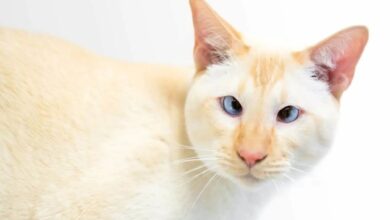
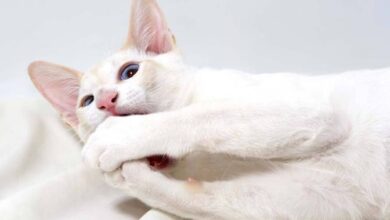
Red point Siamese kittens are captivating bundles of energy and affection, instantly recognizable by their striking color patterns and intelligent eyes. These beautiful cats boast a rich history, fascinating genetics behind their unique markings, and a personality that’s both playful and deeply devoted. This guide dives deep into everything you need to know about these special kittens, from understanding their specific needs to ensuring a happy and healthy life.
We’ll explore the science behind their distinctive red points, covering the nuances of color variations and the breed’s evolution. Beyond the aesthetics, we’ll cover essential care topics like diet, socialization, grooming, and potential health concerns, equipping you with the knowledge to be the best possible guardian for your red point Siamese.




Understanding Red Point Siamese
The allure of a Red Point Siamese kitten is undeniable – those striking, warm-toned markings against a creamy body are simply captivating. But beyond their beauty, there’s a fascinating science behind their unique coloration. This section delves into the genetics, history, and distinctions of these gorgeous cats. We’ll explore what makes a Red Point Siamese different from other point colors and what you need to know about their origins.
The Genetics of Red Point Coloration
The red point coloration in Siamese cats isn’t a simple matter of one gene. It’s a complex interplay of genetics, primarily revolving around a temperature-sensitive tyrosinase enzyme. This enzyme is crucial for melanin production, the pigment responsible for color. In Siamese cats, thecs* allele (colorpoint) causes a partial inhibition of tyrosinase activity. This means melanin production is reduced in warmer areas of the body – the core – resulting in a lighter color.
However, in cooler areas like the points (face, ears, paws, and tail), tyrosinase functions normally, allowing melanin to be produced, creating the darker markings.The specific shade of red in a Red Point Siamese is determined by another gene, the
- a* allele (ruby). This allele modifies the red pigment, phaeomelanin, resulting in the characteristic warm tones. Without the
- a* allele, you’d have a seal point. The intensity of the red can vary significantly, influenced by factors like temperature and individual cat genetics.
Shades of Red Point
Red Point Siamese come in a spectrum of shades, each with its own charm. At the palest end, you have the
- apricot* point, a delicate, almost peach-like hue. Moving along the spectrum, you find
- cream* points, a slightly richer shade. Then comes the more common
- flame* point, a vibrant, warm red-orange. Finally, at the deepest end, you have
- deep red* or
ruby* points, a rich, intense color that truly glows. The intensity of the point color can also change with age, often deepening as the cat matures. [Image
A collage showcasing the different shades of Red Point Siamese – apricot, cream, flame, and deep red.]
Historical Development
The Red Point Siamese, also known as Ruby Siamese, is a relatively newer development within the Siamese breed. While Siamese cats have been documented in Thailand (formerly Siam) for centuries, the red point variety wasn’t consistently bred until the 1950s. Early breeders in the United States and Europe began selectively breeding for the ruby coloration, carefully tracking lineages to enhance the trait.
Initially, they were quite rare, but dedicated breeders have worked to establish the Red Point Siamese as a recognized and beloved variety. The breed’s acceptance into major cat registries has been gradual, reflecting the challenges of consistently producing true ruby points.
Comparing Red Point Siamese to Other Point Colors
Understanding the differences between Red Point Siamese and other point colors can be helpful. Here’s a table summarizing the key distinctions:
| Color | Genetic Explanation | Typical Eye Color | Common Personality Traits |
|---|---|---|---|
| Seal Point | Dominant
|
Blue | Intelligent, vocal, affectionate, demanding of attention. |
| Blue Point | Recessive
|
Blue | Gentle, playful, less vocal than seal points, affectionate. |
| Chocolate Point | Recessive
|
Blue-green | Sweet-tempered, curious, playful, enjoys interaction. |
| Red Point | *cs* allele combined with the
|
Blue | Energetic, intelligent, affectionate, can be quite vocal. |
Caring for Red Point Siamese Kittens
Bringing home a Red Point Siamese kitten is an exciting time! Proper care, especially in those early months, is crucial for their health, happiness, and development. This section will cover everything from dietary needs to grooming, ensuring your little one thrives.
Dietary Needs
Red Point Siamese kittens, like all kittens, have specific nutritional requirements to support their rapid growth. They need a high-quality kitten food formulated with a high protein content (around 30-40%) and moderate fat (around 20-30%). Look for foods that list meat as the primary ingredient and avoid those with excessive fillers like corn or wheat. Calcium is also vital for bone development, so ensure the food is properly balanced.
[Image: A close-up of a bowl of high-quality kitten food, highlighting the ingredients.]Here’s a sample feeding schedule:* 8-12 weeks: 4 small meals per day
3-6 months
3 meals per day
6-12 months
2 meals per dayAlways provide fresh, clean water. Wet food can be beneficial for hydration and palatability. Consult with your veterinarian for personalized dietary recommendations.
Early Socialization
Early socialization is paramount for Red Point Siamese kittens. Their intelligence and social nature mean they thrive on interaction. Between 8 and 16 weeks of age, expose your kitten to a variety of sights, sounds, people, and experiences. Introduce them to different textures (carpet, tile, grass), noises (vacuum cleaner, doorbell, traffic), and people (men, women, children). Positive reinforcement – treats and praise – should accompany these introductions.
Handling them gently and frequently will also help them become comfortable with being touched.
Grooming Requirements
Red Point Siamese have short, sleek coats that require minimal grooming. However, regular brushing (once or twice a week) with a soft-bristled brush helps remove loose hair and distribute natural oils, keeping their coat shiny and healthy. Bathing is generally only necessary a few times a year, unless they get particularly dirty. Nail trimming should be done every 2-3 weeks to prevent overgrowth and scratching.
Introduce these grooming routines early to acclimate your kitten.
Proper Handling Techniques
Building trust with your Red Point Siamese kitten is essential. Always approach them calmly and gently. Avoid sudden movements or loud noises. When picking them up, support their entire body, cradling them securely. Never force them to interact if they seem scared or stressed.
Offer treats and praise during handling to create positive associations.
Health Concerns in Red Point Siamese Kittens
While generally healthy, Red Point Siamese kittens are predisposed to certain health issues. Being aware of these potential concerns and taking preventative measures is key to ensuring a long and happy life for your feline companion.
Common Health Issues
Two significant concerns for Red Point Siamese are Progressive Retinal Atrophy (PRA) and Amyloidosis. PRA is a degenerative eye disease that can lead to blindness. Amyloidosis is a condition where abnormal protein deposits accumulate in organs, potentially affecting kidney function and other vital systems. Other potential issues include respiratory problems (due to their brachycephalic – short-nosed – structure) and hypertrophic cardiomyopathy (HCM), a heart condition.
Regular Veterinary Checkups
Regular veterinary checkups are crucial for early detection and management of potential health problems. A typical examination includes a physical assessment, listening to the heart and lungs, checking the eyes and ears, and palpating the abdomen. Your veterinarian may also recommend bloodwork and other diagnostic tests to assess organ function and screen for genetic predispositions. Annual checkups are recommended for kittens, with more frequent visits as they age.
Preventative Care Measures
Vaccinations are essential for protecting your Red Point Siamese kitten from common infectious diseases like feline distemper, feline herpesvirus, and feline calicivirus. Parasite control, including regular deworming and flea/tick prevention, is also vital. Maintaining a clean living environment and providing a nutritious diet further contribute to their overall health.
Signs and Symptoms of Illness
Be vigilant for any changes in your kitten’s behavior or appearance. Signs of illness can include:* Loss of appetite
- Lethargy
- Vomiting or diarrhea
- Coughing or sneezing
- Difficulty breathing
- Changes in urination or defecation
- Eye discharge or redness
- Excessive scratching or grooming
If you notice any of these signs, consult with your veterinarian promptly. Early intervention can significantly improve the outcome.
Finding a Reputable Breeder
Acquiring a Red Point Siamese kitten from a reputable breeder is the best way to ensure you’re getting a healthy, well-socialized, and genetically sound pet. This section provides guidance on evaluating breeders and distinguishing them from backyard breeders.
Checklist for Evaluating Breeders
Use this checklist when assessing potential breeders:* Health Testing: Do they provide proof of health testing for genetic conditions like PRA and HCM?
Socialization Practices
Are the kittens raised in a home environment and exposed to various stimuli?
Living Conditions
Are the cats and kittens housed in clean, spacious, and stimulating environments?
Knowledgeable
Is the breeder knowledgeable about the breed and willing to answer your questions?
Contract
Do they provide a written contract outlining health guarantees and responsibilities?
References
Can they provide references from previous buyers?
Questions to Ask a Breeder
Before purchasing a kitten, ask the breeder:* What health testing have you done on the parents?
- How are the kittens raised and socialized?
- What is your experience with Red Point Siamese?
- Can I see the parents of the kitten?
- What is your policy on health guarantees?
Reputable Breeder vs. Backyard Breeder
A reputable breeder prioritizes the health and well-being of their cats above all else. They conduct health testing, socialize their kittens, and are knowledgeable about the breed. A backyard breeder, on the other hand, typically breeds cats without proper knowledge or concern for health or temperament. They may not conduct health testing and may keep cats in inadequate conditions.
| Breeder Characteristic | Positive Example | Negative Example |
|---|---|---|
| Health Testing | Provides documentation of PRA and HCM testing for breeding cats. | Claims cats are “healthy” without any testing. |
| Socialization | Kittens are raised indoors, handled frequently, and exposed to various people and sounds. | Kittens are kept in outdoor cages with limited human interaction. |
| Living Conditions | Cats are housed in clean, spacious enclosures with plenty of enrichment. | Cats are kept in overcrowded, unsanitary conditions. |
Last Word
Bringing a red point Siamese kitten into your home is a rewarding experience, filled with playful antics, comforting purrs, and unwavering companionship. By understanding their unique needs, providing a stimulating environment, and prioritizing their health and well-being, you can forge a lasting bond with these intelligent and affectionate felines. Remember, responsible breeding and early socialization are key to ensuring a well-adjusted and happy kitten, ready to bring joy to your life for years to come.
With the right knowledge and dedication, you can provide a loving and enriching home for your red point Siamese kitten, allowing their charming personalities to truly shine.
Helpful Answers
How long do red point Siamese kittens typically live?
With proper care, red point Siamese kittens can live for 12-15 years, or even longer!
Are red point Siamese kittens hypoallergenic?
Unfortunately, no. Siamese cats, including red points, produce allergens. However, some individuals may experience fewer allergic reactions than with other breeds.
What is amyloidosis and is it common in red point Siamese?
Amyloidosis is a disease where abnormal protein deposits build up in organs. It’s a concern in Siamese breeds, including red points, and can affect the heart, kidneys, and liver. Regular vet checkups are crucial for early detection.
What kind of toys do red point Siamese kittens like best?
They thrive on interactive toys like feather wands, laser pointers (used responsibly), puzzle toys, and anything they can chase and pounce on. Their intelligence means they need mental stimulation too!
How can I tell if my red point Siamese kitten is bored?
Signs of boredom include excessive meowing, destructive scratching, chasing their tail, and generally seeming restless. Providing more playtime, toys, and environmental enrichment can help.
What is the best type of litter for a red point Siamese kitten?
Many owners find that unscented, clumping clay litter works well. Avoid dusty litters, as they can irritate a kitten’s respiratory system.
How often should I bathe my red point Siamese kitten?
Siamese cats are generally good groomers and don’t require frequent baths. Once or twice a year is usually sufficient, unless they get particularly dirty.