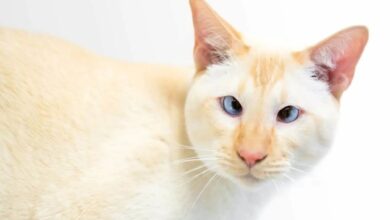
The Siamese cat, already known for its striking blue eyes and elegant build, takes on an even more captivating allure with the lilac variation. These cats, often described as frosty gray or a soft lavender, are a true visual delight. But beyond their stunning appearance, lilac Siamese possess a rich history, unique genetics, and a personality that’s as charming as their color.
Let’s dive into the world of these beautiful felines, exploring everything from their origins to their care and what makes them so special.

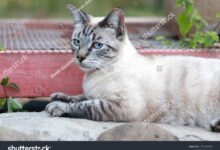


Understanding the lilac Siamese requires a look at the breed’s history, tracing back to the ancient temples of Siam (now Thailand). Originally prized as temple guardians and companions to royalty, Siamese cats were selectively bred for their distinctive point coloration. The lilac hue, a relatively recent development, arose from a fascinating interplay of genetics, adding another layer of beauty and intrigue to this beloved breed.
We’ll unpack the science behind this gorgeous color and explore the characteristics that define a truly exceptional lilac Siamese.
Lilac Siamese Cats: A Comprehensive Guide
The Siamese cat, with its striking blue eyes and elegant build, has captivated cat lovers for centuries. Among the various point colors found in this beloved breed, the lilac Siamese stands out with its unique, soft, and ethereal beauty. This guide delves into everything you need to know about lilac Siamese cats, from their fascinating history and genetics to their care, personality, and place in the world of cat shows.
We’ll explore what makes these cats so special and provide you with the information to appreciate and care for them properly.
Introduction to Lilac Siamese Cats
The Siamese cat’s story begins in Siam (now Thailand), where they were revered as sacred animals in temples and kept as companions by royalty. These early Siamese were primarily seen in seal point coloration. The emergence of the lilac (often referred to as frost) variation is a relatively more recent development, appearing in the late 19th and early 20th centuries as breeders began experimenting with different color combinations in Europe and America.
It wasn’t until the 1930s that lilac Siamese became more consistently recognized and bred.The lilac coloration isn’t a naturally occurring phenomenon in the original Siamese lines. It’s a result of a genetic mutation that alters the production of melanin, the pigment responsible for coat color. This mutation, specifically the dilution gene, plays a crucial role, which we’ll explore in more detail later.Lilac Siamese cats typically range in size from 8 to 12 pounds for females and 10 to 15 pounds for males.
They possess a slender, muscular build characteristic of the Siamese breed. Their head is wedge-shaped, with large, pointed ears and a long, elegant neck. The body is elongated and tubular. The most distinctive feature, of course, is their eye color: a stunning, icy blue. The intensity of the blue can vary, with some cats having a deeper, more vibrant hue than others.These cats are known for their affectionate and outgoing personalities.
They are incredibly intelligent and enjoy interactive play. Lilac Siamese are often described as being very vocal, readily engaging in conversations with their human companions. They are also known for their loyalty and can form strong bonds with their families, often following them from room to room. They thrive on attention and can become lonely if left alone for extended periods.
Genetics and Coloration
The lilac coloration in Siamese cats is a direct result of the dilution gene, denoted as “d.” This gene affects the production of black pigment (eumelanin). A dominant “D” allele results in full pigment production, while the recessive “d” allele dilutes the black pigment, transforming it into a gray or lilac hue. Therefore, a lilac Siamese cat must inherit two copies of the “d” allele (dd) to express the lilac color.The Siamese point pattern, which dictates the darker coloration on the face, ears, paws, and tail, is controlled by a separate gene called the “cs” gene (colorpoint Siamese).
This gene restricts pigment production to the cooler areas of the body. The interplay between these two genes is what creates the unique appearance of lilac Siamese. The “cs” gene allows for pigment to be expressed in the points, and the “d” gene dilutes that pigment to lilac.Several genetic combinations can produce a lilac Siamese. Here’s a breakdown:
| Genotype | Description | Resulting Color |
|---|---|---|
| aa bb dd | Homozygous recessive for all three genes (A – color, B – chocolate/cinnamon, d – dilution) | Lilac Point |
| AA bb dd | Homozygous recessive for dilution, heterozygous for color | Lilac Point |
| aa Bb dd | Homozygous recessive for dilution, heterozygous for chocolate/cinnamon | Lilac Cinnamon Point |
| AA Bb dd | Homozygous recessive for dilution, heterozygous for color and chocolate/cinnamon | Lilac Chocolate Point |
Caring for a Lilac Siamese
Lilac Siamese cats, like all Siamese, require a high-quality diet rich in protein to support their active lifestyle and maintain a healthy coat. Look for cat food specifically formulated for indoor cats, with a high percentage of animal-based protein sources. Supplementing their diet with omega-3 fatty acids can further enhance coat health and reduce inflammation. Fresh water should always be available.Regular grooming is essential for a lilac Siamese to keep their coat looking its best and prevent matting.
Brushing at least twice a week with a soft-bristled brush is recommended. This helps remove loose hair, distribute natural oils, and stimulate blood circulation. Bathing is generally not necessary unless the cat becomes particularly dirty.Siamese cats are predisposed to certain health concerns, including progressive retinal atrophy (PRA), amyloidosis, and hypertrophic cardiomyopathy (HCM). Responsible breeders will screen their cats for these conditions before breeding.
Regular veterinary checkups, including annual bloodwork and eye exams, are crucial for early detection and management of any health issues.Creating an enriching environment is vital for a lilac Siamese’s well-being. Provide plenty of interactive toys, such as puzzle feeders, feather wands, and laser pointers, to stimulate their minds and keep them entertained. Scratching posts are essential for maintaining healthy claws and providing a satisfying outlet for their natural instincts.
Climbing structures, such as cat trees, allow them to explore and exercise.
Distinguishing Lilac from Other Siamese Colors
Distinguishing a lilac Siamese from other point colors can be tricky, especially in photographs. Seal point Siamese have a dark brown, almost black, coloration in their points. Blue point Siamese have a gray coloration in their points. Chocolate point Siamese have a milk chocolate brown coloration, while cream point Siamese have a pale, creamy coloration.Imagine a visual guide: A seal point would appear as a cat with dark brown points against a cream-colored body.
A blue point would have gray points and a lighter gray body. A chocolate point would have milk chocolate points and a lighter beige body. A cream point would have pale cream points and a very light cream body. The lilac Siamese, in contrast, has a soft, dusty gray coloration in its points and a lighter, silvery gray body. The eyes are the key differentiator – all Siamese have blue eyes, but the shade can vary slightly.
Lilac Siamese often have a more icy, pale blue eye color compared to the deeper blue of seal points.Lighting conditions significantly impact the perceived color of a lilac Siamese. In bright sunlight, their coat may appear lighter and more silvery. In dim lighting, it can appear darker and more gray.To accurately identify a lilac Siamese, examine the overall tone of the coat.
Lilac should have a subtle, muted quality, lacking the intensity of seal or chocolate points. Look closely at the eye color – a true lilac Siamese will have a pale, icy blue eye. Comparing the cat to a known lilac Siamese (if possible) can also be helpful.
Finding a Lilac Siamese Kitten or Adult Cat
Finding a reputable breeder specializing in Siamese cats is paramount. Look for breeders who prioritize health testing and ethical breeding practices. A responsible breeder will be happy to provide documentation of health screenings for their cats, including PRA and HCM testing. They should also be knowledgeable about the breed and willing to answer your questions.When selecting a kitten, observe its behavior and interaction with its littermates and the breeder.
A healthy and well-socialized kitten will be playful, curious, and confident. Avoid kittens that appear lethargic, withdrawn, or have any visible signs of illness.Adopting an adult lilac Siamese from a rescue organization is a rewarding option. Rescue organizations often have cats of all ages and personalities. Be prepared to discuss your lifestyle and experience with cats to ensure a good match.Here’s a checklist of questions to ask a breeder or rescue organization:
- What health testing has been performed on the parents?
- Can I see documentation of these tests?
- What is the kitten/cat’s vaccination and deworming history?
- What is the kitten/cat’s personality like?
- Has the kitten/cat been exposed to other cats or animals?
- What is your return policy if the kitten/cat doesn’t work out?
- Can I visit the cattery/rescue to meet the kitten/cat?
Lilac Siamese Appearance in Detail
The lilac color in Siamese cats isn’t a uniform shade. It’s a nuanced blend of gray and pink, creating a soft, almost frosty appearance. It’s not a true lilac, like the flower, but rather a diluted gray with a subtle pink undertone. This pink undertone is what gives the coat its unique luminosity.The ideal eye color for a lilac Siamese is a clear, icy blue.
Variations can occur, ranging from a very pale blue to a slightly deeper shade. However, any yellow or green tint in the eyes is considered a fault.The coat of a lilac Siamese is short, sleek, and fine-textured. It lies close to the body and has a slight sheen. It differs from other Siamese variations in its softer, more muted coloration and the subtle pink undertone.The acceptable range of body size for a lilac Siamese aligns with the breed standard: males typically weigh 10-15 pounds, and females weigh 8-12 pounds.
The build should be slender and muscular, with a long, elegant body.
Lilac Siamese Personality and Behavior
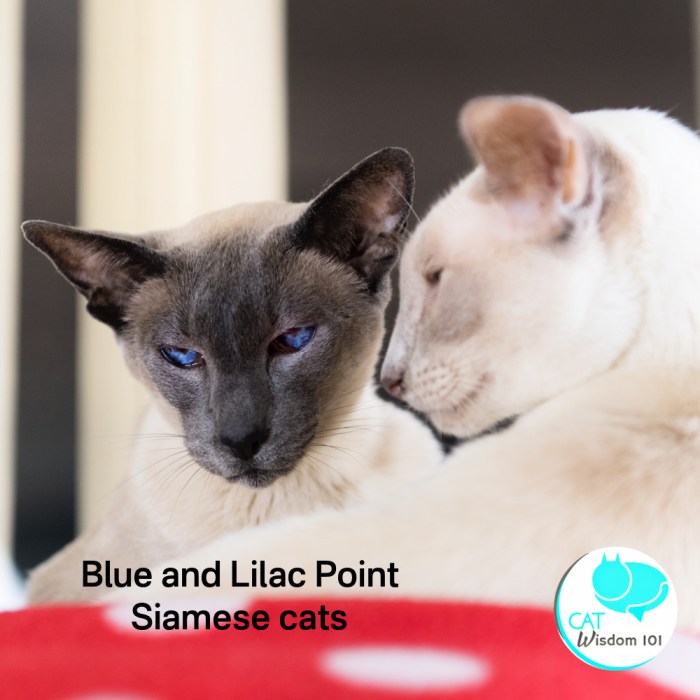
Source: catwisdom101.com
Siamese cats are known for their distinctive vocalizations, often described as “meows” that sound more like cries or shouts. Lilac Siamese individuals may exhibit similar vocal tendencies, but their tone might be slightly softer or more melodic.The breed’s intelligence is well-documented, and lilac Siamese are no exception. They are highly trainable and can learn tricks, respond to commands, and even walk on a leash.Common behaviors exhibited by lilac Siamese include affection, playfulness, and curiosity.
They enjoy cuddling with their human companions, engaging in interactive play, and exploring their surroundings. They are often described as being “dog-like” in their loyalty and desire for attention.I once knew a lilac Siamese named Luna who would greet me at the door every evening with a series of chirps and head-butts. She would then follow me around the house, supervising my every move and demanding frequent petting sessions.
Her playful nature was infectious, and she would often entertain herself with a simple feather toy for hours.
Show Quality Lilac Siamese
Judging Siamese cats in conformation shows involves evaluating them against a breed standard, which Artikels the ideal physical characteristics. The goal is to select cats that most closely resemble the standard.A lilac Siamese must possess several specific characteristics to be considered show quality. These include a wedge-shaped head, large, pointed ears, a slender body, a short, sleek coat with the correct lilac coloration, and striking blue eyes.
The points must be clearly defined and evenly colored.Preparing a lilac Siamese for a conformation show involves meticulous grooming. This includes regular brushing to maintain a healthy coat, bathing (if necessary), and trimming any excess fur around the paws and ears. The cat should be presented in a clean and well-groomed condition.
| Category | Description | Ideal Characteristics | Common Faults |
|---|---|---|---|
| Head | Shape and proportions of the head | Wedge-shaped, with a broad forehead and a long, tapering muzzle | Rounded head, short muzzle, excessive width |
| Body | Overall structure and conformation | Slender, tubular, with a long, elegant neck | Cobby body, short neck, excessive muscle |
| Coat | Texture and quality of the coat | Short, sleek, fine-textured, with a slight sheen | Long, coarse, or woolly coat |
| Color | Coloration of the points and body | Correct lilac coloration with a subtle pink undertone | Uneven coloration, muddy points, incorrect eye color |
| Eye Color | Color and clarity of the eyes | Clear, icy blue | Yellow or green tint, cloudy eyes |
Historical Depictions of Lilac Siamese
Historical references to lilac Siamese cats are relatively scarce compared to seal point Siamese, due to their later emergence as a recognized color variation. Early depictions primarily focused on the more established seal point coloration. However, as the breed gained popularity in Europe and America, lilac Siamese began to appear in artwork and photography.The perception of lilac Siamese has evolved from a novelty color to a highly sought-after and admired variation within the Siamese breed.
Their soft, ethereal beauty has captured the hearts of cat lovers worldwide.While definitive records of “famous” lilac Siamese cats throughout history are limited, their presence in vintage photographs and illustrations provides a glimpse into their evolving role in popular culture.
1884: The first Siamese cats are exhibited in Britain, all predominantly seal point.
Early 1900s: Breeders in Europe and America begin experimenting with color variations, leading to the emergence of lilac Siamese.
1930s: Lilac Siamese become more consistently recognized and bred, gaining popularity among cat fanciers.
Mid-20th Century: Lilac Siamese begin to appear in artwork and photography, showcasing their unique beauty.
Lilac Siamese and Other Breeds (Crossbreeding Considerations)
Crossbreeding a lilac Siamese with other breeds can produce unpredictable results, particularly regarding coat color and pattern. The outcome depends on the genetics of the other breed involved. For example, crossing a lilac Siamese with a Balinese (a longhaired Siamese) would likely result in kittens with the Siamese point pattern and lilac coloration, but with a long, flowing coat.The genetic implications of such crosses are complex.
The dilution gene (d) and the Siamese point pattern gene (cs) will interact in various ways, potentially producing a range of coat colors and patterns. It’s difficult to predict the exact outcome without knowing the genetic makeup of both parents.Crossbreeding purebred cats raises ethical considerations. While it can introduce new genetic diversity, it can also dilute the breed’s characteristics and potentially increase the risk of health problems.
Responsible breeders prioritize preserving the integrity of the breed through careful selection and ethical breeding practices.There are no widely recognized hybrid breeds that exclusively incorporate lilac Siamese genetics. However, some breeds, such as the Balinese and Himalayan, share genetic similarities with Siamese cats and may exhibit variations in coat color and pattern that resemble lilac.
Closing Summary
From their captivating color genetics to their playful personalities and potential for show-stopping appearances, lilac Siamese cats offer a truly rewarding companionship. Whether you’re a seasoned cat enthusiast or considering welcoming one of these beauties into your home, understanding their specific needs and appreciating their unique charm is key. The lilac Siamese isn’t just a cat; it’s a living work of art, a testament to the beauty of genetics, and a loyal friend ready to fill your life with joy and affection.
Ultimately, the allure of the lilac Siamese lies not just in their stunning appearance, but in the complete package – their intelligence, their vocal nature, and their unwavering devotion to their human companions. They are a breed that demands attention, rewards interaction, and leaves a lasting impression on all who are fortunate enough to share their lives.
FAQ Overview
How long do lilac Siamese cats typically live?
With proper care, lilac Siamese cats generally live between 12 and 15 years, though some can live even longer.
Are lilac Siamese cats hypoallergenic?
No, unfortunately, lilac Siamese cats are not hypoallergenic. Like all cats, they produce dander, which is a common allergen.
What is the best way to groom a lilac Siamese?
Regular brushing (2-3 times a week) with a soft-bristled brush helps remove loose hair and prevent mats. Occasional baths are also beneficial.
Do lilac Siamese cats have any specific dietary needs?
They thrive on a high-quality, protein-rich diet. Look for cat food specifically formulated for indoor cats and consider supplementing with omega-3 fatty acids for a healthy coat.
Why are lilac Siamese cats so vocal?
Siamese cats, including the lilac variety, are known for being quite talkative! They use a variety of vocalizations to communicate their needs and desires.
What is the difference between a lilac point and a frost point Siamese?
While often used interchangeably, “frost point” is sometimes used to describe a
-very* light lilac point, almost appearing silvery. The distinction is subtle and not always consistently applied.
How can I tell if a lilac Siamese kitten is healthy?
Look for bright, clear eyes, a clean nose and ears, a healthy appetite, and a playful, energetic demeanor. A vet check is always recommended before bringing a kitten home.