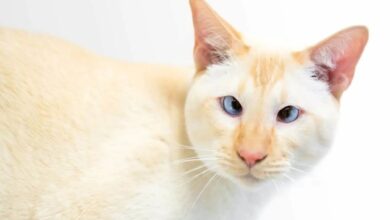
Lilac Siamese cats are truly captivating – a rare and beautiful variation within the beloved Siamese breed. Their soft, lavender-tinged points and striking blue eyes create an unforgettable impression. This guide dives deep into everything you need to know about these elegant felines, from their unique genetics and charming personalities to responsible breeding practices and how to find your own lilac companion.
We’ll explore the science behind their distinctive coloration, discuss their typical behaviors and potential health concerns, and offer practical advice on providing the best possible care for these special cats. Whether you’re a seasoned Siamese enthusiast or just beginning to consider adding a feline friend to your family, this exploration of the lilac Siamese promises to be both informative and delightful.




Defining the Lilac Siamese Breed
The lilac Siamese is a captivating variation within the Siamese cat breed, instantly recognizable for its unique, soft coloration. It’s more than just a pretty face, though; the lilac point is a fascinating result of complex genetics and a rich history. Understanding these factors helps appreciate the beauty and rarity of this feline.The lilac point coloration in Siamese cats is a direct consequence of a recessive gene that affects melanin production.
Specifically, it’s a dilution of the chocolate point gene. The “ch” gene dictates the production of eumelanin, which creates dark pigment. When a cat inherits two copies of the recessive “cd” (dilution) gene, it dilutes the eumelanin, resulting in a lighter, “lilac” or “frost” color. The points (ears, face, paws, and tail) are affected because the Siamese breed has a temperature-sensitive enzyme that restricts pigment production to the cooler areas of the body.
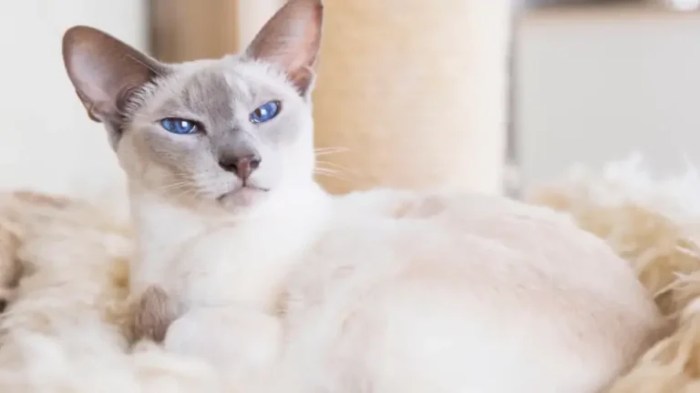
A cat must possess the “cs” (Siamese colorpoint) gene to express this temperature-sensitive trait. Therefore, a lilac Siamese needs to have the “cs,” “ch,” and “cd” genes. It’s a delicate genetic balance!While often used interchangeably, lilac and lavender in Siamese cats aren’t quite the same. Lilac is generally described as a soft, dusty rose-grey, often with a subtle pinkish undertone.
It’s a cooler, more muted color. Lavender, on the other hand, tends to have a more pronounced purple or violet hue. A true lilac point shouldnot* appear overly purple. The ideal lilac point has a clear distinction between the body color (a creamy white or very light beige) and the points, which should be a consistent, even lilac shade.
Variations can occur, but a strong purple cast indicates a lavender rather than a lilac.The development of the lilac point Siamese is relatively recent compared to other Siamese color points. While chocolate points existed in early Siamese lines, the deliberate breeding for lilac points didn’t begin until the early 20th century. Initially, breeders in England and America focused on stabilizing the chocolate point, and the lilac point emerged as a spontaneous mutation within those lines.
Selective breeding then solidified the lilac point as a recognized color variation. It took considerable effort to establish a consistent and desirable lilac coloration, as the recessive nature of the genes made it challenging to maintain.
| Color | Genetics | Description | Commonality |
|---|---|---|---|
| Lilac Point | cs, ch, cd/cd | Creamy white body with frosty rose-grey points. | Less common than seal or blue points. |
| Seal Point | cs, ch/ch | Creamy white body with dark brown (seal) points. | Most common Siamese color point. |
| Blue Point | cs, ch/cd | Creamy white body with grey-blue points. | Common, second only to seal points. |
| Chocolate Point | cs, cd/cd | Creamy white body with milk chocolate brown points. | Moderately common. |
Physical Characteristics & Appearance
Lilac Siamese cats typically possess a slender, elegant build characteristic of the breed. They are medium-sized, generally weighing between 8 and 12 pounds, with males often being slightly larger than females. Their bodies are long and muscular, with a graceful, almost tubular posture. They move with a distinctive, fluid gait, reflecting their athleticism and agility. The head is wedge-shaped, with large, pointed ears that are set wide apart.
Their tails are long and tapering, often carried high.Eye color in lilac Siamese cats is a significant contributor to their overall appeal. While the ideal eye color is a vivid, intense sapphire blue, variations do occur. Some lilac points may have slightly lighter or paler blue eyes, while others can exhibit a deeper, more intense hue. The intensity of the eye color often correlates with the depth of the point coloration – cats with richer lilac points tend to have more vibrant blue eyes.
The eyes are almond-shaped and slightly slanted, adding to their exotic appearance.The coat of a lilac Siamese is short, fine, and sleek. It lies close to the body, giving them a refined and elegant look. The texture is typically soft and silky to the touch. Breed-specific coat qualities include a slight sheen and a lack of undercoat, which makes them relatively low-maintenance in terms of grooming.
The coat is also known for its ability to reflect light, enhancing the subtle nuances of the lilac coloration.Imagine a lilac Siamese kitten: approximately 10 weeks old. Its body is proportionally smaller, with slightly larger eyes that dominate its face. The head is still wedge-shaped, but the features are softer and more rounded. The paws are tiny and delicate, and the tail is short and stubby.
The point coloration is less defined than in an adult, appearing as a subtle shading around the ears, face, paws, and tail. The overall impression is one of adorable, miniature elegance.
Temperament and Personality Traits
Siamese cats are renowned for their distinctive personalities, often described as being vocal, intelligent, and affectionate. They form strong bonds with their human companions and are known to be quite demanding of attention. Lilac points generally retain these core Siamese traits, but some anecdotal evidence suggests they might be slightly more laid-back or gentle than other color points. This is likely due to subtle genetic variations, but it’s not a definitive characteristic.I once knew a lilac Siamese named Luna who was incredibly playful but also exceptionally patient with young children.
She’d happily engage in games of chase and fetch, but she’d also allow herself to be cuddled and carried without complaint. She was a true testament to the affectionate and tolerant nature of the breed. Another lilac point, Jasper, was a notorious “talker,” constantly chattering and meowing to communicate his needs and desires. These stories highlight the individual personalities within the lilac point variation.Compared to seal points, which can sometimes be described as more assertive or even bossy, lilac points are often perceived as being calmer and more reserved.
Blue points are known for their playful and mischievous nature, while chocolate points are often considered to be more independent. However, these are generalizations, and individual personalities can vary greatly.Here’s a list of activities that lilac Siamese cats typically enjoy:
- Interactive play with feather wands, laser pointers, and puzzle toys.
- Climbing and exploring cat trees and shelves.
- Cuddling and lap time with their human companions.
- “Talking” and engaging in vocal communication.
- Watching birds and other wildlife from a window perch.
- Learning tricks and participating in training sessions.
- Exploring new environments and objects.
Health Considerations & Common Issues
Siamese cats, in general, are predisposed to certain health problems, and lilac points are not immune. These include progressive retinal atrophy (PRA), a degenerative eye disease that can lead to blindness; amyloidosis, a condition where abnormal protein deposits accumulate in organs; and mediastinal lymphoma, a type of cancer affecting the chest cavity. While these conditions can affect any Siamese, responsible breeders are working to minimize their prevalence.Preventative care is crucial for maintaining the health and well-being of a lilac Siamese cat.
This includes providing a high-quality, balanced diet appropriate for their age and activity level; ensuring regular exercise to maintain a healthy weight; and scheduling annual veterinary checkups for vaccinations and parasite prevention. Early detection of any health issues is key to successful treatment.Genetic testing is of paramount importance for breeders of lilac Siamese cats. Testing for PRA and other inherited diseases can help identify carriers and prevent the transmission of these conditions to future generations.
Responsible breeders prioritize health testing and only breed cats that are free from known genetic defects.
| Condition | Symptoms | Treatment | Prevention |
|---|---|---|---|
| Progressive Retinal Atrophy (PRA) | Night blindness, gradual vision loss, cloudiness in the eyes. | No cure; management focuses on slowing progression and providing supportive care. | Genetic testing for breeders; early detection and monitoring. |
| Amyloidosis | Weight loss, lethargy, increased thirst and urination, organ dysfunction. | No cure; treatment focuses on managing symptoms and supporting organ function. | Genetic screening; maintaining a healthy diet. |
| Mediastinal Lymphoma | Difficulty breathing, coughing, lethargy, weight loss. | Chemotherapy, radiation therapy, surgery (depending on the extent of the disease). | Regular veterinary checkups; early detection. |
Caring for a Lilac Siamese Cat
Proper nutrition is essential for the health and vitality of a lilac Siamese cat. They thrive on a high-quality diet that is rich in protein and low in carbohydrates. Wet food is generally preferred as it helps keep them hydrated, but a combination of wet and dry food can also be beneficial. Portion sizes should be adjusted based on their age, activity level, and overall health.
Consult with a veterinarian to determine the optimal feeding plan.Grooming a lilac Siamese is relatively straightforward due to their short coat. Regular brushing (once or twice a week) helps remove loose hair and prevent matting. Bathing is typically only necessary a few times a year, unless they get particularly dirty. Nail trimming should be done every few weeks to prevent overgrowth.Environmental enrichment is crucial for keeping lilac Siamese cats mentally and physically stimulated.
Provide them with plenty of toys, including interactive puzzle toys, feather wands, and catnip mice. Cat trees and climbing structures allow them to satisfy their natural instinct to climb and explore. Interactive play sessions are essential for bonding and providing exercise.Creating a stimulating and safe indoor environment for a lilac Siamese involves providing a variety of enrichment opportunities, such as window perches for bird watching, scratching posts to satisfy their scratching instincts, and hiding places to provide a sense of security.
Ensure that all potential hazards, such as toxic plants and loose electrical cords, are removed from their reach.
Breeding and Ethical Considerations
Source: petveer.com
Breeding lilac Siamese cats comes with significant ethical responsibilities. Breeders have a duty to prioritize the health and well-being of their cats above all else. This includes ensuring that breeding cats are free from genetic defects and providing them with a loving and supportive environment.The process of breeding lilac Siamese cats involves careful pairing considerations and genetic planning. Breeders must understand the inheritance patterns of the genes responsible for lilac coloration and other traits.
They should aim to breed cats that are genetically diverse and free from known health problems. Outcrossing (breeding with cats from different lines) can help maintain genetic diversity, but it should be done responsibly and with careful consideration of potential health risks.Health testing is absolutely essential for breeders of lilac Siamese cats. Testing for PRA, amyloidosis, and other inherited diseases can help identify carriers and prevent the transmission of these conditions to future generations.
Responsible breeders are transparent about their health testing results and are willing to provide potential buyers with documentation.
| Step | Description |
|---|---|
| 1. Health Testing | Thoroughly test breeding cats for genetic diseases (PRA, amyloidosis, etc.). |
| 2. Pairing Selection | Choose compatible pairs with complementary genetics to minimize the risk of inherited diseases. |
| 3. Pregnancy & Kitten Care | Provide excellent prenatal and postnatal care for the mother and kittens. |
| 4. Kitten Placement | Place kittens in loving, responsible homes after they have been vaccinated and dewormed. |
Lilac Siamese in Popular Culture & Art
While not as ubiquitous as other Siamese colors, lilac points have occasionally graced the silver screen and appeared in literature. Their unique coloration often lends an air of mystery and elegance to their portrayals. Historically, Siamese cats in general were often depicted as exotic and somewhat aloof creatures, and the lilac point’s softer hue can add a touch of gentleness to this image.The symbolism associated with lilac-colored cats is often linked to tranquility, intuition, and spiritual awareness.
Lilac is a calming color, and its association with cats can evoke a sense of peace and serenity. Some cultures believe that lilac cats possess a special connection to the spiritual realm.The unique appearance of lilac Siamese cats has inspired artists to capture their beauty in various mediums. Their soft coloration and striking blue eyes make them visually captivating subjects.
The contrast between the pale body and the lilac points creates a visually appealing aesthetic.Imagine a painting depicting a lilac Siamese cat curled up on a velvet cushion in a sunlit room. The cat’s fur is rendered in soft, muted tones of lilac and cream, with subtle highlights that capture the texture of its coat. Its sapphire blue eyes are the focal point of the painting, radiating intelligence and serenity.
The background is a blurred impression of antique furniture and floral wallpaper, creating a sense of timeless elegance.
Finding a Lilac Siamese Cat
Locating a reputable breeder of lilac Siamese cats requires careful research and due diligence. Look for breeders who are registered with recognized cat associations (such as the Cat Fanciers’ Association or The International Cat Association) and who are committed to ethical breeding practices. Ask for references from previous buyers and visit the cattery to observe the conditions in which the cats are raised.Adopting a lilac Siamese from a shelter or rescue organization can be a rewarding experience, but it’s important to be aware of the potential challenges.
Shelter cats may have unknown histories or health issues, and it may be difficult to find a purebred lilac Siamese. However, you may find a beautiful cat who simply needs a loving home.Before acquiring a lilac Siamese, whether from a breeder or an adoption agency, ask questions about the cat’s health history, temperament, and socialization. Inquire about any genetic testing that has been performed and request to see veterinary records.Here’s a checklist for evaluating a lilac Siamese cat’s health and temperament before bringing it home:
- Check for clear eyes and ears.
- Observe the cat’s coat for any signs of skin problems or parasites.
- Assess the cat’s energy level and responsiveness.
- Observe the cat’s interaction with other cats and people.
- Ask about the cat’s litter box habits.
- Ensure the cat has been vaccinated and dewormed.
Visualizing the Lilac Coloration
The nuances of the lilac color in Siamese cats are subtle and captivating. The color isn’t a uniform shade; it varies depending on lighting conditions and coat texture. In bright sunlight, the lilac points can appear almost silvery, while in dimmer light, they take on a richer, more rosy hue. The texture of the coat also affects how the color is perceived – a sleek, glossy coat will reflect light differently than a slightly coarser coat.The lilac point coloration creates a striking contrast with the cat’s body color.
The creamy white or light beige body provides a perfect backdrop for the soft, dusty rose-grey of the points, highlighting their unique beauty. This contrast is a defining characteristic of the lilac Siamese.The visual impact of a lilac Siamese cat’s appearance is one of elegance, rarity, and appeal. Their soft coloration, striking blue eyes, and graceful build combine to create a truly captivating feline.
They exude an air of sophistication and charm.Imagine sunlight streaming through a window, illuminating the fur of a lilac Siamese cat. The light catches the subtle pinkish undertones in the lilac points, creating a shimmering effect. The cat’s sapphire blue eyes sparkle with intelligence and curiosity. The overall impression is one of ethereal beauty and quiet grace.
Distinguishing Lilac from Similar Colors
Differentiating a lilac Siamese from a fawn Siamese can be tricky, as both colors share a similar muted quality. However, lilac tends to have a cooler, more greyish undertone, while fawn has a warmer, more brownish hue. Look closely at the points – lilac points will have a distinct pinkish-grey cast, while fawn points will appear more beige or tan.The distinction between lilac and grey in Siamese cats can also be subtle.
True lilac has a pinkish or rosy undertone that is absent in grey. Grey Siamese cats typically have a more uniform grey coloration throughout their body and points.Accurately identifying lilac coloration in photographs can be challenging due to variations in lighting and screen settings. Colors can appear different on different devices, making it difficult to judge the true hue. It’s always best to see a cat in person to accurately assess its coloration.
| Color | Description | Distinguishing Features |
|---|---|---|
| Lilac | Soft, dusty rose-grey with a pinkish undertone. | Cooler tone, pinkish cast in the points. |
| Fawn | Warm beige or tan color. | Warmer tone, brownish cast in the points. |
| Grey | Uniform grey coloration. | Lacks the pinkish or brownish undertones of lilac and fawn. |
Final Summary
From their fascinating genetic origins to their playful personalities and the ethical considerations surrounding their breeding, the lilac Siamese cat presents a unique and rewarding subject. Understanding their specific needs and appreciating their rarity allows us to better care for and celebrate these stunning creatures. Hopefully, this guide has illuminated the enchanting world of the lilac Siamese and inspired a deeper appreciation for these beautiful cats.
Ultimately, bringing a lilac Siamese into your home is a commitment to providing a loving and enriching environment for a truly exceptional feline. With proper care and attention, you’ll be rewarded with years of companionship and the joy of sharing your life with a truly remarkable cat.
FAQ Resource
How long do lilac Siamese cats typically live?
With good care, lilac Siamese cats generally live between 12 and 15 years, though some can live even longer.
Are lilac Siamese cats more prone to specific health issues than other Siamese colors?
While all Siamese are predisposed to certain conditions like amyloidosis and respiratory issues, there’s no definitive evidence that lilac points are significantly more susceptible. However, responsible breeding and genetic testing are crucial for all Siamese.
What is the best type of litter for a lilac Siamese?
Many owners find that unscented, clumping clay litter works well. Avoid dusty litters, as they can irritate a Siamese’s sensitive respiratory system.
Do lilac Siamese cats require a lot of grooming?
Their short, sleek coat requires minimal grooming – a weekly brushing is usually sufficient to remove loose hair and keep their coat healthy and shiny.
How can I tell if my lilac Siamese is bored?
Signs of boredom include excessive vocalization, destructive behavior, and a lack of interest in play. Providing plenty of interactive toys and playtime is essential.
What is the difference between a lilac point and a fawn point Siamese?
Both have a lighter point color, but lilac is a cooler, lavender-grey, while fawn is a warmer, beige-grey. Lilac points often have a slightly pinkish hue, while fawn points have a more golden undertone.