Navigating the world of antibiotics for our feline friends can feel overwhelming. From understanding bacterial versus viral infections to knowing when antibiotics are truly necessary, it’s a lot to take in. This guide breaks down everything you need to know about antibiotics in cats, covering common types, potential side effects, resistance concerns, and preventative measures to keep your kitty healthy and happy.
We’ll explore how antibiotics work, which ones are most frequently prescribed, and the crucial role your veterinarian plays in determining the right course of treatment. Plus, we’ll delve into the importance of responsible antibiotic use to combat the growing threat of resistance and ensure effective treatment options remain available for our beloved cats.

Antibiotics for Cats: A Comprehensive Guide
Antibiotics are a vital tool in veterinary medicine, helping us fight off serious bacterial infections in our feline companions. But understanding how they work, when they’re appropriate, and the potential risks is crucial for responsible pet ownership. This guide aims to provide a clear and informative overview of antibiotics in cats, covering everything from common types and dosages to potential side effects and the growing concern of antibiotic resistance.
We’ll break down complex topics into digestible information, empowering you to have informed conversations with your veterinarian about your cat’s health.
1. Introduction to Antibiotics in Cats
Antibiotics play a fundamental role in treating feline infections caused by bacteria. They work by either killing bacteria directly or inhibiting their growth, allowing the cat’s immune system to effectively combat the infection. It’s important to distinguish between bacterial and viral infections; antibiotics areonly* effective against bacteria. Viral infections, like feline upper respiratory infections (cat flu), require different treatments. Historically, antibiotic use in veterinary medicine has evolved significantly.
Early antibiotics were broad-spectrum, meaning they targeted a wide range of bacteria, but this also contributed to the rise of antibiotic resistance. Modern veterinary medicine emphasizes targeted antibiotic use, selecting drugs that are most effective against the specific bacteria causing the infection, minimizing the risk of resistance.
| Infection | Common Symptoms | Typical Location |
|---|---|---|
| Urinary Tract Infection (UTI) | Frequent urination, straining to urinate, blood in urine, inappropriate urination, lethargy | Bladder, urethra |
| Skin Infection | Redness, swelling, pus, hair loss, itching, licking/grooming excessively | Skin, often around wounds or areas of irritation |
| Respiratory Infection | Coughing, sneezing, nasal discharge, difficulty breathing, fever | Lungs, trachea, nasal passages |
2. Common Types of Antibiotics Used for Cats
Source: cats.com
Several antibiotics are frequently prescribed for cats, each with its own strengths and weaknesses. Amoxicillin is a commonly used penicillin-based antibiotic, while cephalexin is a first-generation cephalosporin. Doxycycline is a tetracycline antibiotic, and clindamycin is a lincosamide antibiotic. The mechanism of action varies slightly between these drugs. Penicillins and cephalosporins inhibit bacterial cell wall synthesis, preventing bacteria from building strong walls and ultimately leading to their death.
Tetracyclines, like doxycycline, interfere with bacterial protein synthesis, halting their growth and reproduction. Clindamycin also inhibits protein synthesis, but it targets a different bacterial component. Each antibiotic has a specific spectrum of activity, meaning it’s effective against certain types of bacteria but not others. Amoxicillin is generally effective against gram-positive bacteria, while doxycycline has a broader spectrum, including some gram-negative bacteria.
Clindamycin is particularly effective against anaerobic bacteria.
| Antibiotic | Common Uses | Potential Side Effects | Typical Dosage Range (Veterinary Guidance Required) | Administration Route |
|---|---|---|---|---|
| Amoxicillin | Skin infections, UTIs, dental infections | Vomiting, diarrhea, allergic reactions | 5-15 mg/kg every 8-12 hours | Oral |
| Cephalexin | Skin infections, wound infections | Vomiting, diarrhea, allergic reactions | 5-10 mg/kg every 12 hours | Oral |
| Doxycycline | Respiratory infections, tick-borne diseases, skin infections | Vomiting, diarrhea, photosensitivity (increased sensitivity to sunlight) | 10 mg/kg once daily | Oral |
| Clindamycin | Severe skin infections, anaerobic infections | Vomiting, diarrhea, loss of appetite | 5-10 mg/kg every 8 hours | Oral |
3. Dosage and Administration Guidelines
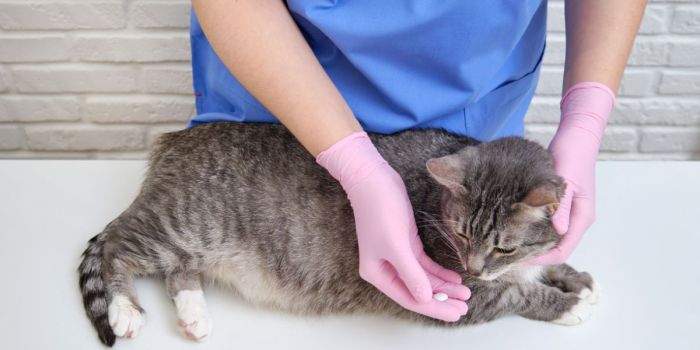
Determining the correct antibiotic dosage for a cat is complex and depends on several factors. Weight is a primary consideration, but the severity of the infection, the cat’s kidney and liver function, and the specific antibiotic used all play a role. Administering oral antibiotics to cats can be challenging, as many cats are averse to taking pills. Techniques like hiding the pill in a small amount of wet food, using pill pockets, or administering the medication with a pill dispenser can be helpful.
It’s absolutely crucial to complete the full course of antibiotics as prescribed by your veterinarian, even if your cat’s symptoms improve. Stopping the medication prematurely can allow the infection to return and contribute to antibiotic resistance. If your cat refuses to take medication, try offering it again later. If refusal persists, contact your veterinarian for alternative options.
- Assess the Situation: Is your cat actively refusing, or just hesitant?
- Try a Different Approach: Pill pockets, wet food, or a pill dispenser.
- Offer a Break: Wait 30-60 minutes and try again.
- Contact Your Veterinarian: Discuss alternative formulations (liquid) or administration methods.
4. Potential Side Effects and Adverse Reactions
While antibiotics are generally safe, they can cause side effects in cats. Common side effects include vomiting, diarrhea, and a temporary loss of appetite. More serious adverse reactions, such as allergic reactions (hives, facial swelling, difficulty breathing) and antibiotic-associated diarrhea (often caused byClostridioides difficile*), are less common but require immediate veterinary attention. Antibiotic resistance is a growing concern. Overuse and misuse of antibiotics contribute to the development of resistant bacteria, making infections harder to treat.
Recognizing signs of an allergic reaction is vital. Look for excessive scratching, hives, facial swelling, or difficulty breathing. If you observe any of these signs, contact your veterinarian immediately.
5. Antibiotic Resistance in Felines
Antibiotic resistance develops when bacteria evolve to survive exposure to antibiotics. This happens through genetic mutations that allow bacteria to evade the drug’s effects. Overuse and misuse of antibiotics – prescribing them for viral infections or not completing the full course – accelerate this process. Minimizing the risk of antibiotic resistance involves responsible prescribing practices by veterinarians and proper hygiene by pet owners.
This includes only using antibiotics when truly necessary, selecting the most targeted antibiotic, and completing the full course of treatment.
Narrow-spectrum antibiotics target a limited range of bacteria, minimizing disruption to the gut microbiome and reducing the selection pressure for resistance. Broad-spectrum antibiotics, while effective against a wider range of bacteria, can have a more significant impact on the microbiome and increase the risk of resistance.
6. Specific Infections and Antibiotic Choices
Treatment for feline urinary tract infections (UTIs) often involves antibiotics like amoxicillin or cephalexin, typically administered for 7-14 days. Skin infections in cats require careful consideration of the location and severity. Mild, localized infections may respond to topical antibiotics, while more severe or widespread infections require oral antibiotics like cephalexin or doxycycline. Respiratory infections can be bacterial, viral, or fungal.
If a bacterial infection is confirmed, antibiotics like doxycycline or amoxicillin/clavulanate may be prescribed.
| Skin Infection Type | Treatment Approach |
|---|---|
| Localized (Small Area) | Topical antibiotics, wound cleaning, supportive care |
| Widespread (Large Area) | Oral antibiotics, wound management, pain relief |
7. Interactions with Other Medications and Supplements
Antibiotics can interact with other medications commonly used in cats, such as pain relievers and heart medications. It’s crucial to inform your veterinarian about all medications and supplements your cat is taking. Certain supplements, like probiotics, can impact antibiotic effectiveness and gut health. Probiotics can help replenish beneficial bacteria that are killed off by antibiotics, reducing the risk of antibiotic-associated diarrhea.
- Probiotics (e.g.,
-Lactobacillus*,
-Bifidobacterium*) - Omega-3 fatty acids (for immune support)
- Prebiotics (to feed beneficial gut bacteria)
8. Diagnostic Procedures Before Antibiotic Treatment
Accurate diagnosis is paramount before initiating antibiotic therapy. Common diagnostic tests include urine cultures (for UTIs), blood work (to assess overall health and organ function), and skin cytology (to identify bacteria and other microorganisms on the skin). Culture and sensitivity testing are particularly valuable. This involves growing the bacteria from a sample in a lab and testing its susceptibility to various antibiotics, guiding antibiotic selection.
Veterinarians use diagnostic results to determine the most appropriate antibiotic and dosage, ensuring effective treatment while minimizing the risk of resistance.
9. Alternative and Complementary Therapies
Probiotics play a significant role in supporting gut health during and after antibiotic treatment. Other complementary therapies, such as immune-boosting supplements (e.g., colostrum), may be considered alongside conventional antibiotic treatment. However, it’s essential to consult with your veterinarian before using any alternative therapies, as they may interact with antibiotics or have unintended consequences.
- Foods rich in antioxidants (e.g., blueberries, spinach)
- Foods with prebiotics (e.g., pumpkin, sweet potatoes)
- Foods with omega-3 fatty acids (e.g., salmon, flaxseed)
10. Preventing Infections in Cats
Preventing bacterial infections in cats involves a multi-faceted approach. Good hygiene practices, such as regular litter box cleaning and proper wound care, are essential. Vaccination against common feline diseases can also help prevent secondary bacterial infections. Parasite control is also important, as parasites can compromise the immune system. A healthy diet and lifestyle, including regular exercise and mental stimulation, support feline immune function.
Environmental factors, such as overcrowding and stress, can increase infection risk.
- Regular Veterinary Checkups
- Proper Vaccination Schedule
- Parasite Prevention (fleas, ticks, worms)
- Clean Living Environment
- High-Quality Diet
Conclusion
Ultimately, antibiotics can be life-saving for cats suffering from bacterial infections, but they’re not a magic bullet. Understanding the nuances of antibiotic use – from proper dosage and administration to recognizing potential side effects and the dangers of resistance – is vital for responsible pet ownership. By working closely with your veterinarian and prioritizing preventative care, you can help your cat thrive and minimize the need for antibiotics in the first place.
Remember, this guide is for informational purposes only and should not replace professional veterinary advice. Always consult your vet for any health concerns regarding your cat.
FAQ Insights
Can I give my cat antibiotics prescribed for another pet?
Absolutely not! Antibiotics are prescribed based on a cat’s specific condition, weight, and health history. Giving medication intended for another animal can be dangerous and ineffective.
What should I do if I miss a dose of my cat’s antibiotics?
Give the missed dose as soon as you remember, but skip the next scheduled dose if it’s close to that time. Never double the dose to catch up.
Are human antibiotics safe for cats?
No. Human antibiotics often contain inactive ingredients that are toxic to cats. Never administer human medication to your cat without explicit veterinary instruction.
How can I tell if my cat is having an allergic reaction to antibiotics?
Signs include facial swelling, hives, difficulty breathing, vomiting, and diarrhea. Contact your veterinarian immediately if you suspect an allergic reaction.
My cat is vomiting after taking antibiotics. Is this normal?
Vomiting can be a side effect of some antibiotics, but it’s important to contact your vet to rule out more serious issues. They may adjust the dosage or switch to a different antibiotic.
Can probiotics help my cat while on antibiotics?
Yes! Antibiotics can disrupt the balance of gut bacteria. Probiotics can help restore this balance and minimize digestive upset. Discuss with your vet before starting probiotics.
How long does it take to see improvement after starting antibiotics?
You may start to see improvement within 24-48 hours, but it can take several days to complete the full course of antibiotics. It’s crucial to finish the entire prescription, even if your cat seems better.
What is culture and sensitivity testing, and why is it important?
Culture and sensitivity testing identifies the specific bacteria causing the infection and determines which antibiotics it’s susceptible to, ensuring the most effective treatment.