Navigating the world of feline health can be overwhelming, and sometimes powerful medications are necessary to improve your cat’s quality of life. Depo Medrol (also known as Medrone) is a long-acting corticosteroid frequently used in cats to manage a variety of conditions, from painful arthritis to severe allergic reactions. This guide will break down everything you need to know about Depo Medrol, including how it works, what it treats, potential side effects, and important considerations for your feline friend.
Understanding the nuances of this medication is crucial for responsible pet ownership. We’ll explore its chemical makeup, how it differs from other steroids like Prednisone, and the various ways it can be administered. Plus, we’ll delve into the importance of monitoring your cat during and after treatment to ensure their safety and well-being. Let’s dive in and learn how Depo Medrol can help your cat feel better.

Introduction to Depo Medrol (Medrone) for Feline Use
Depo Medrol, also known as Medrone, is a long-acting injectable corticosteroid frequently used in veterinary medicine, particularly for cats. It offers a convenient way to manage various inflammatory and immune-related conditions, providing sustained relief with fewer daily administrations compared to oral corticosteroids. Understanding its composition, mechanism, and appropriate use is crucial for ensuring the best possible outcome for our feline companions.
Chemically, Depo Medrol is methylprednisolone acetate, a synthetic glucocorticoid. Its mechanism of action revolves around mimicking the effects of cortisol, a naturally occurring hormone produced by the adrenal glands. It reduces inflammation by suppressing the immune system, decreasing the production of inflammatory chemicals, and stabilizing cell membranes. This broad anti-inflammatory effect makes it valuable in treating a wide range of feline ailments.
The acetate ester attached to the methylprednisolone molecule slows its release from the injection site, resulting in its prolonged action.
You’ll typically find Depo Medrol available under brand names like Medrone® and DepoMedrol®. While generic formulations are also available, these brand names are commonly recognized by veterinarians. The use of Depo Medrol in feline medicine has evolved over time. Initially, it was primarily used for severe allergic reactions and immune-mediated diseases. However, with increased understanding of its benefits and potential risks, its application has broadened to include pain management and palliative care for conditions like osteoarthritis and certain cancers.
| Corticosteroid | Duration of Action | Metabolic Pathways |
|---|---|---|
| Depo Medrol (Methylprednisolone Acetate) | 2-4 weeks (due to slow release) | Primarily metabolized in the liver; acetate ester contributes to prolonged action. |
| Prednisone | 12-18 hours (requires twice-daily dosing) | Converted to prednisolone in the liver; shorter half-life. |
| Prednisolone | 12-24 hours (requires twice-daily dosing) | Directly active; shorter half-life compared to Depo Medrol. |
Conditions Treated with Depo Medrol in Cats
Depo Medrol’s potent anti-inflammatory properties make it a valuable tool in managing a variety of conditions in cats. Its long-acting nature is particularly beneficial when consistent oral medication is challenging or undesirable. However, it’s essential to remember that it’s not a cure, but rather a means of controlling symptoms and improving quality of life.
Inflammatory Conditions
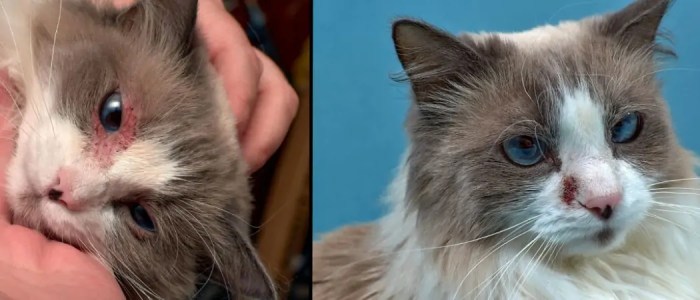
Depo Medrol is frequently prescribed for inflammatory conditions characterized by excessive immune responses. Allergic dermatitis, often triggered by fleas, food, or environmental allergens, is a common indication. The injection helps to alleviate intense itching, skin inflammation, and secondary infections. Immune-mediated hemolytic anemia (IMHA), where the body attacks its own red blood cells, is another serious condition where Depo Medrol can suppress the immune system and reduce red blood cell destruction.
Similarly, it’s used in cases of eosinophilic granuloma complex, a group of skin and gastrointestinal disorders with an unknown cause, but believed to be immune-mediated.
Osteoarthritis Pain Management
Source: petsical.com
As cats age, they are increasingly susceptible to osteoarthritis, a degenerative joint disease causing pain and stiffness. Depo Medrol can provide significant pain relief in older cats suffering from osteoarthritis, particularly when oral medications are poorly tolerated or ineffective. The long-acting nature reduces the need for frequent dosing, which can be beneficial for cats with mobility issues or those who resist taking pills.
However, it’s crucial to combine Depo Medrol with other supportive therapies like weight management, joint supplements, and environmental modifications to address the underlying joint damage.
Cancer Palliative Care
While Depo Medrol isn’t a cancer treatment in itself, it plays a vital role in palliative care for cats with certain types of cancer. It can effectively manage symptoms like pain, lethargy, and loss of appetite, improving the cat’s comfort and quality of life during the final stages of the disease. It’s particularly useful in cases where the cancer is causing significant inflammation or affecting the cat’s overall well-being.
It’s important to note that Depo Medrol does not treat the cancer itself and should be used in conjunction with other supportive care measures.
- Mild Conditions (e.g., mild allergic dermatitis): Dosage range: 0.2 – 0.5 mg/kg
- Moderate Conditions (e.g., moderate osteoarthritis, IMHA): Dosage range: 0.5 – 1.0 mg/kg
- Severe Conditions (e.g., severe allergic reactions, aggressive cancer-related inflammation): Dosage range: 1.0 – 2.0 mg/kg (and potentially higher under strict veterinary supervision)
Dosage and Administration Guidelines
Accurate dosage calculation and proper administration are paramount for ensuring the effectiveness and safety of Depo Medrol in cats. Veterinarians typically determine the appropriate dosage based on the cat’s weight, the severity of the condition, and individual response to treatment. It’s crucial to strictly adhere to the veterinarian’s instructions and never adjust the dosage without their guidance.
Dosage is generally calculated based on the cat’s weight, with a typical range of 0.2 to 2.0 mg/kg. For example, a 5 kg cat might receive a dose between 1 mg and 10 mg, depending on the condition being treated. It’s always best to double-check calculations with your veterinarian to ensure accuracy.
Depo Medrol is typically administered via intramuscular (IM) or subcutaneous (SC) injection. IM injections are generally preferred as they offer faster absorption and potentially more predictable effects. However, SC injections are often easier to administer, especially for owners comfortable with giving injections at home. The choice of route depends on the cat’s temperament, the veterinarian’s preference, and the specific clinical situation.
Subcutaneous injection technique involves cleaning the injection site (typically on the back or side of the neck) with an alcohol swab. Using a 25- to 30-gauge needle (typically 3/8 to 5/8 inch long), gently lift the skin and inject the medication at a 45-degree angle. After injection, gently massage the area to ensure proper absorption. Always dispose of needles and syringes properly in a sharps container.
| Kidney Dysfunction | Dosage Adjustment |
|---|---|
| Mild (Elevated creatinine, but stable) | Reduce dosage by 25-50%; monitor kidney function closely. |
| Moderate (Significant increase in creatinine, signs of azotemia) | Avoid Depo Medrol if possible; if necessary, use the lowest effective dose and monitor kidney function very closely. |
| Severe (End-stage renal disease) | Depo Medrol is generally contraindicated due to the risk of exacerbating kidney dysfunction. |
Potential Side Effects and Adverse Reactions
While Depo Medrol is generally safe when administered under veterinary supervision, it’s important to be aware of potential side effects. These can range from mild and transient to more serious and long-lasting. Prompt recognition and reporting of any adverse reactions to your veterinarian are crucial.
Common short-term side effects include increased thirst and urination (polyuria and polydipsia), increased appetite, and sometimes, a temporary increase in panting. These are often related to the drug’s effect on electrolyte balance and can usually resolve within a few days after the injection. Less common short-term effects may include lethargy, vomiting, or diarrhea.
Long-term side effects are of greater concern. Adrenal suppression, where the adrenal glands stop producing sufficient cortisol, is a significant risk with prolonged Depo Medrol use. This can leave the cat vulnerable to stress and illness. Increased susceptibility to infections is another potential consequence, as Depo Medrol suppresses the immune system. Other long-term effects can include weight gain, muscle weakness, and changes in behavior.
Adrenal crisis is a life-threatening emergency that can occur when a cat suddenly stops receiving Depo Medrol after prolonged use. Symptoms include severe weakness, vomiting, diarrhea, shock, and collapse. Immediate veterinary attention is required, including intravenous fluids, supportive care, and potentially emergency corticosteroid administration.
Flowchart of Potential Side Effects:
- Mild Side Effects (Increased thirst, urination, appetite): Monitor closely; contact veterinarian if persistent or worsening.
- Moderate Side Effects (Lethargy, vomiting, diarrhea): Contact veterinarian; may require temporary dosage adjustment.
- Severe Side Effects (Signs of adrenal crisis – weakness, shock, collapse): IMMEDIATE VETERINARY ATTENTION
This is an emergency.
Precautions and Contraindications
Depo Medrol is not suitable for all cats, and certain conditions require extreme caution or outright avoidance. A thorough veterinary examination and discussion of the cat’s medical history are essential before administering Depo Medrol.
Depo Medrol should be avoided or used with extreme caution in cats with diabetes mellitus, as it can worsen blood sugar control. Cats with Cushing’s disease (hyperadrenocorticism) should never receive Depo Medrol, as it will exacerbate the condition. It should also be used cautiously in cats with a history of seizures, as corticosteroids can lower the seizure threshold.
Depo Medrol can interact with other medications. For example, it can potentiate the effects of certain heart medications and interfere with the absorption of some oral medications. It’s crucial to inform your veterinarian of all medications your cat is taking, including over-the-counter drugs and supplements.
Close monitoring of feline patients during and after Depo Medrol treatment is essential. This includes regular veterinary checkups, bloodwork, and observation for any signs of adverse reactions.
- High Risk: Diabetes mellitus, Cushing’s disease, active infection
- Moderate Risk: Kidney disease, liver disease, seizures
- Low Risk: Mild allergies, osteoarthritis (with appropriate monitoring)
Diagnostic Procedures & Monitoring During Treatment
Before initiating Depo Medrol therapy, baseline bloodwork is crucial to establish a reference point and identify any pre-existing conditions that might be affected by the medication. A complete blood count (CBC) and chemistry panel provide valuable information about the cat’s overall health.
Regular monitoring during treatment should include electrolytes (sodium, potassium, chloride), blood glucose, and a complete blood count. Electrolyte imbalances are common with corticosteroid use, and blood glucose levels should be monitored closely, especially in diabetic cats. Monitoring for signs of infection is also important, given Depo Medrol’s immunosuppressive effects.
After Depo Medrol cessation, an ACTH stimulation test can be performed to assess adrenal function. This test measures the adrenal glands’ ability to produce cortisol in response to adrenocorticotropic hormone (ACTH). Abnormal results may indicate adrenal suppression, requiring gradual tapering of the medication before complete discontinuation.
Key Diagnostic Tests & Purpose:
- Baseline CBC & Chemistry Panel: Assess overall health and identify pre-existing conditions.
- Electrolytes & Blood Glucose: Monitor for imbalances and potential complications.
- ACTH Stimulation Test: Evaluate adrenal function after Depo Medrol cessation.
Depo Medrol and Specific Feline Populations
The use of Depo Medrol requires careful consideration in specific feline populations, such as geriatric cats, kittens, and cats with chronic kidney disease. Age-related physiological changes, developmental considerations, and the impact on kidney function all influence the risk-benefit assessment.
Geriatric cats often have decreased organ function and are more susceptible to side effects. Lower dosages and more frequent monitoring are typically recommended. Age-related muscle loss (sarcopenia) can also be exacerbated by corticosteroids.
In kittens, Depo Medrol can potentially impact growth and development. It should be used cautiously and only when the benefits clearly outweigh the risks. Long-term use in kittens is generally discouraged.
Cats with chronic kidney disease are particularly vulnerable to the adverse effects of Depo Medrol, as it can worsen kidney dysfunction. Dosage adjustments and close monitoring of kidney function are essential, and Depo Medrol should be avoided if possible.
| Age Group | Risks | Benefits | Considerations |
|---|---|---|---|
| Kitten | Growth retardation, immune suppression | Management of severe allergic reactions | Use sparingly, monitor growth closely. |
| Adult | Potential for side effects (increased thirst, urination) | Effective pain relief, management of inflammatory conditions | Regular monitoring of bloodwork. |
| Senior | Increased risk of side effects, decreased organ function | Pain relief, improved quality of life | Lower dosages, frequent monitoring, consider alternative therapies. |
Alternatives to Depo Medrol
While Depo Medrol can be highly effective, several alternative medications and therapies can be used to manage similar conditions in cats. The choice of treatment depends on the specific condition, severity, and individual cat’s response.
Antihistamines can be used to manage mild allergic reactions, although they are generally less effective than corticosteroids. Cyclosporine is an immunosuppressant that can be used to treat allergic dermatitis and other immune-mediated diseases. Other corticosteroids, such as prednisone and prednisolone, are available in oral formulations and may be suitable for cats who require long-term treatment.
Depo Medrol generally provides more sustained relief with fewer doses compared to oral corticosteroids, but it lacks the flexibility to adjust the dosage quickly. Antihistamines are safer for long-term use but less potent. Cyclosporine can have its own side effects, including gastrointestinal upset and gingival hyperplasia.
Non-pharmacological approaches, such as dietary changes (e.g., hypoallergenic diets for allergies), environmental modifications (e.g., reducing allergens), and weight management for osteoarthritis, can also play a significant role in managing feline inflammation and pain.
- Allergic Dermatitis: Antihistamines (moderate effectiveness), Cyclosporine (moderate-high effectiveness), Dietary changes (variable effectiveness)
- Osteoarthritis: Joint supplements (moderate effectiveness), Weight management (moderate effectiveness), Environmental modifications (mild effectiveness)
- Immune-Mediated Hemolytic Anemia: Cyclosporine (moderate-high effectiveness), Immunosuppressive drugs (high effectiveness)
Owner Education and Post-Treatment Care
Educating cat owners about Depo Medrol administration, potential side effects, and monitoring is crucial for ensuring successful treatment and minimizing complications. Clear and concise communication is essential.
Owners should receive detailed instructions on how to administer the injection, including proper technique and needle size. They should be informed about the potential side effects to watch for and when to contact their veterinarian. Adherence to the prescribed dosage and schedule is paramount for maintaining therapeutic efficacy and minimizing the risk of adverse reactions.
Signs of complications, such as increased thirst and urination, vomiting, diarrhea, lethargy, or loss of appetite, should be reported to the veterinarian promptly. Regular follow-up appointments are essential for monitoring the cat’s response to treatment and adjusting the dosage as needed.
Handout for Cat Owners:
- Medication: Depo Medrol (Methylprednisolone Acetate)
- Dosage: [Veterinarian’s Instructions]
- Administration: Subcutaneous injection (as directed by your veterinarian)
- Monitoring:
- Check water intake daily.
- Monitor appetite and energy levels.
- Report any vomiting, diarrhea, or lethargy to your veterinarian.
- Contact your veterinarian immediately if you notice any concerning signs.
Final Conclusion
From managing chronic pain to addressing severe allergic responses, Depo Medrol offers a valuable tool for veterinarians treating a wide range of feline ailments. However, it’s not without potential risks, and careful consideration of dosage, administration, and monitoring is paramount. By understanding the information presented here – from the medication’s mechanism to potential side effects and alternatives – you can work closely with your vet to make informed decisions about your cat’s health and ensure they receive the best possible care.
Remember, open communication with your veterinarian is key to a successful outcome.
Ultimately, Depo Medrol can be a life-changing medication for many cats, but responsible use and diligent monitoring are essential for maximizing benefits and minimizing potential harm. Always prioritize your cat’s well-being and consult with a qualified veterinary professional for any health concerns.
Query Resolution
How long does a Depo Medrol injection typically last in a cat?
A single Depo Medrol injection generally provides relief for 2-4 weeks, although this can vary depending on the cat’s metabolism and the condition being treated.
Can Depo Medrol be given to pregnant or nursing cats?
Depo Medrol is generally not recommended for pregnant or nursing cats due to potential adverse effects on the developing kittens. Always discuss this with your veterinarian.
What should I do if I suspect my cat is having an adverse reaction to Depo Medrol?
Contact your veterinarian immediately. Signs of an adverse reaction can include vomiting, diarrhea, lethargy, loss of appetite, or difficulty breathing.
Is Depo Medrol addictive to cats?
Depo Medrol is not addictive in the traditional sense. However, long-term use can suppress the adrenal glands, making abrupt cessation dangerous. Your vet will gradually taper the dose if long-term treatment is needed.
Can I give my cat Depo Medrol at home?
No. Depo Medrol is a prescription medication and should only be administered by a veterinarian or under their direct supervision. Improper dosage or administration can be harmful.
My cat is already on other medications. Is it safe to give Depo Medrol?
It’s crucial to inform your veterinarian of all medications your cat is taking, as Depo Medrol can interact with certain drugs. They can assess potential risks and adjust dosages accordingly.