Everyone knows and loves Garfield, the lasagna-loving, Monday-hating feline icon. But have you ever wondered about the
-cat* behind the comic strip? While Garfield isn’t a recognized breed in the traditional sense, his distinctive appearance and personality have captivated audiences for decades. Let’s dive into the world of this beloved character, exploring his origins, physical traits, potential breed influences, and the lasting impact he’s had on our perception of cats.
From his humble beginnings as a comic strip creation to his global fame across various media, Garfield’s journey is a fascinating one. We’ll unpack the details of his design, the breeds that likely contributed to his look, and how his relatable (albeit sarcastic!) personality has resonated with generations. Get ready to explore the world of the Garfield cat breed – a blend of imagination and feline inspiration.



Introduction to Garfield – The Feline Phenomenon
Source: catworldtoday.com
Garfield. The name conjures images of a perpetually grumpy, lasagna-loving cat draped across a keyboard, dodging Mondays, and generally embodying a delightful brand of feline apathy. He’s more than just a comic strip character; he’s a cultural icon. This article delves into the world of Garfield, exploring his origins, his unique characteristics, and the enduring appeal that has captivated audiences for decades.
We’ll look beyond the jokes to understand what makes Garfield so relatable, and whether his appearance hints at a specific breed (or a clever mix!).The Garfield comic strip was born from the mind of Jim Davis, who drew inspiration from his own childhood pet cat, Jon, and a variety of other feline personalities he encountered. Davis initially envisioned Garfield as a lion, but quickly realized the appeal of a more relatable, domestic cat.
The first Garfield comic strip debuted on June 19, 1978, in just four newspapers. It quickly gained traction, and by the mid-1980s, it was syndicated in over 2,500 newspapers worldwide. Garfield’s popularity exploded, spawning television shows, movies, merchandise, and a devoted fanbase that continues to grow. His humor, often rooted in sarcasm and relatable laziness, resonated with people of all ages, solidifying his place in popular culture.
| Year | Event | Significance |
|---|---|---|
| 1978 | First Garfield comic strip published | Marks the beginning of Garfield’s journey to becoming a global phenomenon. |
| 1982 | Garfield and Friends animated series premieres | Expanded Garfield’s reach to television audiences, introducing him to a new generation. |
| 1988 | First Garfield movie released | Further cemented Garfield’s status as a major entertainment franchise. |
| 2004 | The Garfield Movie released | A CGI animated film brought Garfield to life in a new format. |
| 2016 | Garfield celebrates 40th anniversary | A testament to Garfield’s enduring popularity and cultural impact. |
Physical Characteristics – What Does Garfield Look Like?
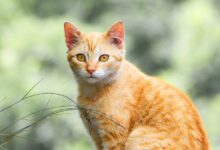
Garfield’s appearance is instantly recognizable. He’s not a delicate, dainty cat; he’s built for comfort and, well, napping. His most striking feature is his size – he’s consistently depicted as being significantly larger than the average cat, often described as “chunky” or “portly.” This substantial build is complemented by a muscular frame, hinting at a surprising level of strength beneath his relaxed exterior.His coat is a classic orange tabby pattern, a vibrant mix of orange and black stripes and swirls.
The intensity of the orange can vary, but it’s always a warm, inviting hue. The markings are not uniform; they’re a chaotic, yet charming, arrangement that contributes to his unique look. His face is perhaps his most expressive feature. He has large, round eyes, typically depicted as yellow or amber, that convey a mixture of amusement, boredom, and occasional disdain.
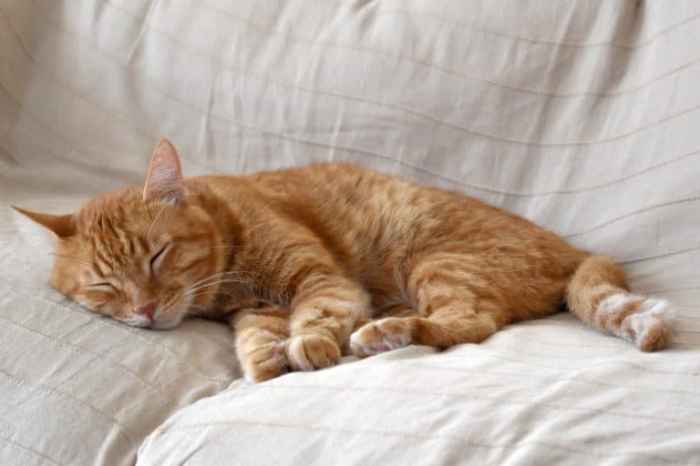
His nose is pink and relatively small, and his mouth is often curled into a sardonic smirk. The overall expression is one of perpetual amusement at the absurdity of the world around him.Imagine Garfield lounging on a sofa, his belly protruding slightly. His paws are tucked beneath him, and his tail curves lazily over his back. His head is tilted slightly to one side, as if he’s observing the scene with detached amusement.
His eyes are half-closed, and a faint smile plays on his lips. This posture perfectly encapsulates his personality: relaxed, self-assured, and utterly unconcerned with the demands of the world.
Breed Identification – Is Garfield a Specific Breed?
A common question is, “What breed is Garfield?” The simple answer is: he’s not a specific breed. Garfield is a fictional character, and Jim Davis intentionally designed him to be a composite of various feline traits, rather than adhering to the standards of any particular breed. This ambiguity is part of his charm; it allows people to project their own ideas about cat breeds onto him.However, if we were to speculate on the breeds that might have influenced Garfield’s appearance, the American Shorthair, Persian, and British Shorthair are often cited.
The American Shorthair contributes to his robust build and tabby markings. The Persian might explain his somewhat flattened face and luxurious coat (though Garfield’s is less long and flowing). The British Shorthair could account for his stocky frame and calm demeanor.
| Feature | American Shorthair | Garfield | Notes |
|---|---|---|---|
| Size | Medium to Large | Large, Chunky | Garfield is significantly larger than the average American Shorthair. |
| Coat | Short, Dense, Tabby | Short, Dense, Orange Tabby | Similar coat type, but Garfield’s orange is more intense. |
| Facial Structure | Round, Moderate | Round, Slightly Flattened | Garfield’s face is a bit broader and flatter than an American Shorthair’s. |
| Temperament | Affectionate, Playful | Lazy, Sarcastic | Significant difference in personality, reflecting Garfield’s fictional nature. |
The concept of mixed breeds is crucial here. Garfield is essentially a “designer” mixed breed, created for comedic effect. His appearance is a blend of desirable traits from different breeds, resulting in a unique and memorable feline character. He embodies the idea that cats, like people, come in all shapes and sizes, and that their individuality is what makes them special.
Garfield’s Personality & Temperament
Garfield’s personality is arguably as iconic as his appearance. He’s the epitome of feline laziness, often found napping in sunbeams or strategically positioned to maximize comfort. His sarcasm is legendary; he delivers witty remarks with a dry, deadpan delivery, often directed at his hapless owner, Jon, and the relentlessly cheerful dog, Odie. Of course, his unwavering love of lasagna is a defining characteristic, and his disdain for Mondays is a sentiment shared by many.These traits are consistently portrayed throughout the comic strip and various media adaptations.
In the animated series, Garfield’s sarcasm is amplified, and his laziness is often played for comedic effect. The movies explore his relationships with Jon and Odie in more depth, showcasing his underlying affection despite his grumpy exterior.Garfield’s personality contrasts sharply with typical feline behaviors. While most cats are known for their playful energy and curiosity, Garfield prefers to conserve his energy for eating and sleeping.
He’s not driven by the instinct to hunt or explore; he’s motivated by the pursuit of comfort and delicious food.Here’s a quick rundown of Garfield’s preferences:
- Loves: Lasagna, napping, tormenting Odie, warm spots, being pampered, ignoring Jon’s attempts at affection.
- Dislikes: Mondays, exercise, diets, Odie’s enthusiasm, being woken up, vegetables.
Garfield’s Health & Lifespan
While Garfield is a fictional character, considering potential health concerns for cats resembling him is important for responsible pet ownership. Due to his large size and build, cats with similar physical characteristics might be predisposed to certain conditions common in larger breeds. These can include hypertrophic cardiomyopathy (HCM), a heart condition, and polycystic kidney disease (PKD), a genetic disorder affecting the kidneys.
American Shorthairs, which share some physical traits with Garfield, are also occasionally prone to hip dysplasia.The average lifespan of cats with Garfield’s physical characteristics – a large, muscular, domestic cat – typically falls between 12 and 16 years, provided they receive proper care. However, this can vary depending on genetics, diet, and lifestyle.Proper diet and exercise are crucial for maintaining Garfield-esque cats’ health.
A balanced diet formulated for adult cats, with appropriate protein and fat levels, is essential. While Garfield’s love of lasagna is a running joke, a diet primarily consisting of processed foods is detrimental to feline health. Regular, moderate exercise, even if it’s just short play sessions, can help prevent obesity and maintain muscle mass.
Here’s a guide to preventative care:
| Care Item | Description |
|---|---|
| Annual Veterinary Checkups | Essential for early detection of potential health problems. |
| Vaccinations | Protect against common feline diseases. |
| Dental Care | Regular teeth cleaning to prevent dental disease. |
| Parasite Prevention | Protect against fleas, ticks, and worms. |
| Weight Management | Monitor weight and adjust diet and exercise as needed. |
Garfield’s Influence on Cat Ownership
Garfield has undeniably influenced perceptions of cat breeds and personalities. Before Garfield, cats were often portrayed as graceful, aloof creatures. Garfield, with his unapologetic laziness and sarcastic wit, presented a different image – a relatable, flawed, and ultimately lovable feline. He normalized the idea that cats could be grumpy, food-motivated, and perfectly content to spend their days napping.While Garfield’s portrayal might not encourageresponsible* cat ownership in the strictest sense (he’s hardly a model pet!), it does highlight the importance of understanding and accepting a cat’s individual personality.
He demonstrates that cats can be quirky and demanding, and that their unique traits are part of what makes them so endearing.The impact of Garfield on the popularity of orange tabby cats is undeniable. Before Garfield, orange tabby cats were relatively common, but not particularly celebrated. After Garfield’s debut, their popularity skyrocketed, and they became synonymous with the lovable, lazy, and sarcastic feline archetype.
“I always wanted an orange tabby like Garfield. He just seemed so…real, you know? Not some perfect, graceful cat, but a cat who loved to eat and nap and complain about Mondays. My cat, Rusty, is just like that, and it makes me love him even more.”
Sarah M., a Garfield fan and cat owner.
Garfield in Different Media – Beyond the Comic Strip
Garfield’s appeal extended far beyond the printed page. He’s starred in numerous television shows, including Garfield and Friends, which paired him with a cast of quirky animal characters. He’s also been the subject of several animated movies, both traditionally animated and CGI, bringing his world to life in vibrant detail. Furthermore, Garfield has appeared in various video games, ranging from simple platformers to more complex adventure games.Garfield’s character has been adapted and portrayed in different media formats with varying degrees of success.
While the comic strip maintains a consistent tone of dry wit and sarcastic humor, the animated adaptations often lean into slapstick comedy and exaggerated expressions. However, the core essence of Garfield – his laziness, his love of lasagna, and his disdain for Mondays – remains consistent across all platforms.Comparing Garfield’s personality in the comic strip versus his portrayal in animated adaptations reveals a subtle shift.
In the comic strip, Garfield’s sarcasm is often understated, relying on clever dialogue and visual cues. In the animated versions, his sarcasm is often more overt and vocal, sometimes bordering on caricature.Here’s a list of popular Garfield merchandise:
- Stuffed animals
- T-shirts and apparel
- Mugs and drinkware
- Home décor items (pillows, blankets, etc.)
- Video games
- Collectibles and figurines
Garfield’s Diet and Nutritional Needs
Garfield’s infamous love of lasagna is a cornerstone of his character, but it highlights a crucial point about feline nutrition. While lasagna might be delicious, it’s far from a balanced diet for a cat. The high fat and sodium content, along with the lack of essential nutrients, would quickly lead to health problems.A cat with Garfield’s size and activity level (or lack thereof!) requires a diet that is high in protein, moderate in fat, and low in carbohydrates.
Essential nutrients like taurine, arginine, and omega-3 fatty acids are crucial for maintaining overall health and preventing specific health issues.Feeding a cat a diet high in processed foods, like Garfield’s lasagna obsession, can lead to obesity, diabetes, and other health complications. It’s important to prioritize high-quality cat food that meets the nutritional needs of a feline.
Here’s a sample meal plan for a cat resembling Garfield:
| Meal | Ingredients | Quantity |
|---|---|---|
| Breakfast | High-protein wet cat food (chicken or fish flavor) | 1/2 cup |
| Lunch | Dry cat food (formulated for weight management) | 1/4 cup |
| Dinner | High-protein wet cat food (turkey or duck flavor) | 1/2 cup |
| Treats | Small, healthy cat treats (limited quantity) | A few pieces |
Garfield’s Relationships with Other Characters
Garfield’s relationships with Jon Arbuckle, Odie, and Liz are central to the humor and dynamics of the comic strip. His relationship with Jon, his well-meaning but often clueless owner, is characterized by a constant power struggle. Garfield manipulates Jon with a mixture of sarcasm and calculated charm, often getting his way through sheer laziness and persistence.His relationship with Odie, the perpetually enthusiastic dog, is one of playful torment.
Garfield delights in teasing and frustrating Odie, often using him as a scapegoat for his own laziness. Despite the constant harassment, there’s an underlying sense of affection between the two.His relationship with Liz, Jon’s girlfriend, is more complex. Garfield views Liz as a potential source of food and pampering, but also as a rival for Jon’s attention. Their interactions are often laced with subtle sarcasm and competitive banter.
Imagine a diagram illustrating these relationships: At the center is Garfield. Arrows point from Garfield to Jon, Odie, and Liz, labeled with descriptions like “Teases,” “Manipulates,” “Competes with,” and “Tolerates.” Arrows also pointto* Garfield from each character, representing their reactions to him – Jon’s exasperation, Odie’s unwavering optimism, and Liz’s amusement/annoyance. The diagram visually represents the complex web of interactions that drive the comic strip’s humor.
Garfield’s Legacy and Continued Relevance
Decades after his creation, Garfield continues to be remarkably popular. His enduring appeal lies in his relatable personality and timeless humor. He embodies the universal desire for comfort, the frustration with mundane tasks, and the joy of indulging in simple pleasures.Garfield’s humor resonates with audiences of all ages because it’s rooted in everyday experiences. His sarcasm, his laziness, and his love of food are all things that people can identify with, regardless of their age or background.
He’s a comforting presence in a chaotic world, a reminder that it’s okay to be a little bit lazy and to enjoy the simple things in life.Garfield maintains a strong presence in contemporary culture and social media. His memes and GIFs are widely shared online, and his image is instantly recognizable across generations. He’s a testament to the power of a well-crafted character to transcend time and remain relevant in a constantly evolving world.Here’s a list of reasons for Garfield’s enduring appeal:
- Relatable personality: His laziness and sarcasm resonate with many.
- Timeless humor: His jokes are still funny after decades.
- Simple pleasures: He celebrates the joy of food and relaxation.
- Iconic design: His appearance is instantly recognizable.
- Constant presence: He’s consistently featured in various media.
Final Conclusion
Ultimately, Garfield isn’t a breed you’ll find at a cat show, but he
-is* a cultural phenomenon. He’s a testament to the power of relatable characters and a reminder that even a perpetually grumpy cat can bring joy to millions. Whether you’re a long-time fan or just curious about the inspiration behind this iconic character, understanding Garfield’s “breed” offers a fun glimpse into the world of feline design and the enduring appeal of a well-loved comic strip creation.
So, the next time you see Garfield enjoying a plate of lasagna, remember the blend of breeds and creative genius that brought him to life – a truly unique and unforgettable feline figure.
Question & Answer Hub
Why is Garfield always so lazy?
Garfield’s laziness is a core part of his personality, a humorous exaggeration that resonates with many people. It’s a defining trait portrayed consistently throughout the comic strip and other media.
What breeds might Garfield actually be?
Experts believe Garfield’s appearance is likely a mix of breeds, with the American Shorthair, Persian, and British Shorthair being the most probable contributors. He shares characteristics with all three.
Did Garfield influence cat adoption rates?
Absolutely! Garfield significantly boosted the popularity of orange tabby cats and likely influenced perceptions of cat personalities, making them seem more relatable and even a little mischievous.
What are some common health concerns for cats that look like Garfield?
Cats with Garfield’s build and breed mix can be prone to hypertrophic cardiomyopathy (HCM) and polycystic kidney disease (PKD). Regular vet checkups are crucial for early detection and management.
Is it okay to feed my cat lasagna like Garfield?
No! While Garfield’s love of lasagna is iconic, it’s not a healthy diet for cats. Lasagna is high in fat, salt, and other ingredients that can be harmful to feline health. Stick to balanced cat food.
Why does Garfield hate Mondays?
Garfield’s dislike of Mondays is a running gag in the comic strip, representing a universal feeling of dread for the start of the workweek. It’s a relatable and humorous trait that adds to his charm.

