There’s something undeniably charming about a fluffy tabby orange kitten! These little bundles of joy are known for their vibrant coats and often, their playful personalities. This guide dives deep into everything you need to know about tabby orange kittens, from their fascinating genetics and unique appearances to their care, training, and the breeds that commonly showcase this beautiful combination.
Whether you’re a seasoned cat lover or considering welcoming one of these sweet felines into your home, you’ll find a wealth of information here.
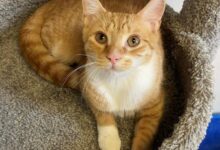
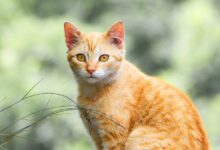

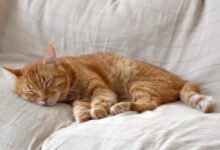
We’ll explore the science behind their orange hues and tabby patterns, discuss the nuances of their personalities (yes, there are differences between male and female!), and provide practical advice on everything from nutrition and grooming to creating a stimulating and safe environment. Plus, we’ll debunk some common myths surrounding these popular kitties and guide you on finding your perfect orange tabby companion.
Understanding Orange Tabby Kittens
Orange tabby kittens are undeniably charming, but there’s a fascinating science and history behind their distinctive appearance and personality. This post will delve into the genetics, behavior, care, and common misconceptions surrounding these beloved felines. We’ll explore everything from the science behind their vibrant fur to the best ways to welcome one into your home.
Genetic Factors & Appearance
The orange coloration in cats isn’t a simple trait; it’s a complex interplay of genetics. The primary gene responsible is the “orange” gene (O), located on the X chromosome. Female cats have two X chromosomes (XX), meaning they need two copies of the orange gene to display orange fur. Male cats, with one X and one Y chromosome (XY), only need one copy of the orange gene to be orange.
This is why you see significantly more male orange tabbies than female ones.The tabby pattern itself is a dominant trait controlled by the Agouti gene (A). This gene determines whether a cat will display a banded pattern (tabby) or a solid color. Even if a cat carries the orange gene, it won’t be orange unless it also has the Agouti gene.
The specific
type* of tabby pattern is then determined by other genes.
Different tabby patterns manifest uniquely in orange kittens. Classic tabbies have swirling, marbled patterns. Mackerel tabbies have narrow, parallel stripes resembling a fish skeleton. Ticked tabbies (also known as Abyssinian tabbies) have a salt-and-pepper appearance with subtle banding on individual hairs. Spotted tabbies, as the name suggests, have spots instead of stripes.Orange shades vary considerably, ranging from pale orange to deep ginger, with “marmalade” referring to a richer, reddish-orange hue.
The intensity of the orange is influenced by the cat’s overall pigmentation and the presence of other modifying genes.
| Tabby Pattern | Description | Common Appearance in Orange Kittens | Genetic Influence |
|---|---|---|---|
| Classic | Swirling, marbled patterns. | Broad, looping patterns on the sides; often a “bullseye” on the flanks. | Controlled by the Tabby A allele. |
| Mackerel | Narrow, parallel stripes. | Distinct, vertical stripes down the sides, resembling a fish skeleton. | Controlled by the Tabby A allele. |
| Ticked | Salt-and-pepper appearance with subtle banding. | Individual hairs have bands of color, creating a shimmering effect; minimal striping on the body. | Controlled by the Agouti gene and modifiers. |
| Spotted | Spots instead of stripes. | Clearly defined spots scattered across the body. | Recessive mutation of the Mackerel tabby gene. |
Personality & Temperament
Orange tabby cats often have a reputation for being particularly affectionate and outgoing. While personality is complex and influenced by many factors, there’s a general perception that they are playful, confident, and enjoy being the center of attention. This perceived personality isn’t solely based on genetics; early socialization plays a crucial role. Kittens who are handled frequently and positively from a young age tend to be more social and adaptable.Gender can also influence personality, although it’s not a hard and fast rule.
Male orange tabbies are often described as more laid-back and cuddly, while female orange tabbies might be slightly more independent and assertive. However, individual personalities vary greatly.
| Trait | Male Orange Tabby | Female Orange Tabby | Potential Influences |
|---|---|---|---|
| Affection | Often very cuddly and enjoys lap time. | Can be affectionate, but may prefer showing affection on their own terms. | Hormones, early socialization, individual personality. |
| Playfulness | Generally energetic and enjoys interactive play. | Can be playful, but may prefer solo play or short bursts of activity. | Age, environment, access to toys. |
| Confidence | Often bold and curious, exploring new environments readily. | Can be confident, but may be more cautious and observant initially. | Early socialization, genetics. |
Caring for Orange Tabby Kittens
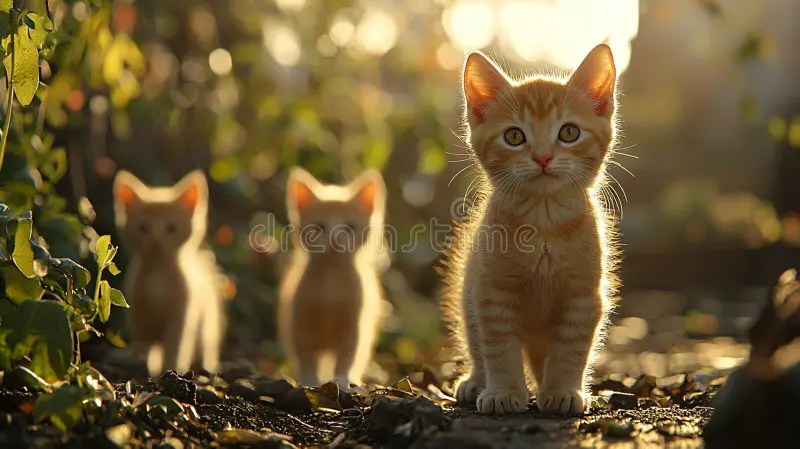
Source: dreamstime.com
Health & Nutrition
Proper nutrition is paramount for growing orange tabby kittens. They require a diet rich in protein and essential nutrients to support healthy growth and development. Kitten-specific food is formulated to meet these needs, with higher levels of protein, fat, and calcium than adult cat food.Vaccinations and preventative healthcare are also crucial. Kittens need a series of vaccinations to protect them from common feline diseases, and regular deworming is essential.
Annual checkups with a veterinarian are recommended to monitor their overall health and address any concerns.Orange tabby kittens, like all cats, can be prone to certain health concerns. Allergies, particularly food allergies, are relatively common. Feline Lower Urinary Tract Disease (FLUTD) is another potential issue, often linked to diet and stress. Maintaining a healthy weight and providing plenty of fresh water can help prevent FLUTD.
- Recommended Kitten Food Ingredients:
- High-quality protein sources (chicken, turkey, fish)
- Animal fat (for energy)
- Taurine (essential for heart and eye health)
- Calcium and phosphorus (for bone development)
- Vitamins and minerals
- Ingredients to Avoid:
- Artificial colors and flavors
- Excessive fillers (corn, wheat, soy)
- BHA and BHT (preservatives)
Bringing an Orange Tabby Kitten Home
Preparation & Integration
Preparing your home for a new orange tabby kitten involves creating a safe, stimulating, and comfortable environment. Here’s a checklist to get you started:
- Kitten food and water bowls
- Litter box and litter
- Scratching post
- Bed or cozy sleeping area
- Toys (interactive, plush, and puzzle toys)
- Carrier
- Grooming supplies (brush, nail clippers)
Introducing a new kitten to existing pets requires patience and a gradual approach. Start by keeping the kitten in a separate room with its own resources. Allow them to sniff each other under the door. Gradually introduce supervised short visits, increasing the duration as they become more comfortable. Ensure each pet has its own safe space to retreat to.Creating a stimulating environment involves providing plenty of toys, scratching posts, and climbing opportunities.
Rotate toys regularly to keep things interesting. Interactive play sessions are essential for bonding and providing mental stimulation.
First Week with Your New Kitten:
1. Day 1
Confine to a small, safe room. Provide food, water, litter box, and a bed. Let them explore at their own pace.
2. Days 2-3
Short, supervised visits to other areas of the house. Introduce them to existing pets gradually.
3. Days 4-7
Gradually increase access to the entire house. Continue supervised interactions with other pets. Monitor for any signs of stress or illness.
Orange Tabby Kitten Breeds
Variations & Characteristics
Several cat breeds frequently display orange tabby patterns. Maine Coons are known for their large size and gentle personalities, while American Shorthairs are adaptable and affectionate. Persian cats, with their long, luxurious coats, can also be orange tabbies, though the pattern may be less distinct.The breed characteristics complement the orange tabby appearance, creating unique and appealing combinations. For example, the Maine Coon’s ruggedness pairs well with the bold stripes of a classic tabby, while the Persian’s elegance is enhanced by the warm tones of orange fur.
| Breed | Typical Size | Common Coat Length | Distinctive Features |
|---|---|---|---|
| Maine Coon | Large (13-18 lbs) | Long | Bushy tail, tufted ears, gentle giant personality. |
| American Shorthair | Medium (8-15 lbs) | Short | Round face, sturdy build, adaptable and friendly. |
| Persian | Medium (7-12 lbs) | Long | Long, flowing coat, flat face, sweet and docile. |
Grooming & Hygiene
Requirements & Techniques
Grooming requirements vary depending on coat length. Short-haired orange tabby kittens require minimal brushing, perhaps once or twice a week. Medium-haired kittens benefit from brushing 2-3 times a week to prevent mats. Long-haired kittens need daily brushing to maintain their coat and prevent tangles.Regular nail trimming is essential to prevent scratching and damage to furniture. Ear cleaning should be done as needed, using a veterinarian-approved ear cleaner.Brushing an orange tabby kitten involves using a soft-bristled brush or a grooming glove.
Gently brush in the direction of hair growth, paying attention to areas prone to matting, such as behind the ears and under the legs.
- Short Coat: Rubber brush or grooming glove
- Medium Coat: Slicker brush and metal comb
- Long Coat: Wide-toothed comb, slicker brush, and detangling spray
Training & Enrichment
Methods & Activities
Litter box training an orange tabby kitten is usually straightforward. Place the kitten in the litter box after meals and naps. Reward them with praise when they use it successfully. Keep the litter box clean and accessible.Teaching basic commands and tricks can be a fun way to bond with your kitten. Use positive reinforcement, such as treats and praise, to reward desired behaviors.
Keep training sessions short and engaging.Providing interactive toys and enrichment activities is crucial for preventing boredom and promoting mental stimulation. Puzzle toys, feather wands, and laser pointers are all excellent options.
| Activity | Benefit | Example |
|---|---|---|
| Interactive Play | Provides exercise, mental stimulation, and strengthens the bond. | Feather wand, laser pointer, chasing a toy mouse. |
| Puzzle Toys | Challenges the kitten’s problem-solving skills and prevents boredom. | Treat-dispensing balls, hidden treat puzzles. |
| Scratching Post | Satisfies natural scratching instincts and protects furniture. | Cardboard scratcher, sisal-covered post. |
Visual Descriptions
A classic tabby orange kitten, curled up asleep, presents a picture of cozy contentment. The fur, a deep ginger hue, is incredibly soft-looking, with the classic swirling stripes subtly visible even in repose. The posture is relaxed, paws tucked neatly beneath its chin, a gentle curve to its spine.A playful orange tabby kitten bats at a toy, a blur of orange fur and focused energy.
Its paws move with surprising speed and precision, each swipe punctuated by a playful pounce. The eyes are wide and bright, reflecting the excitement of the chase, a mischievous glint sparkling within.An orange tabby kitten exploring a new environment moves with cautious curiosity. Its nose twitches, sampling the air, while its agile body navigates the unfamiliar terrain. Every corner is investigated, every object sniffed, a testament to its innate sense of exploration.A close-up of an orange tabby kitten’s face reveals a captivating array of details.
The whiskers, long and delicate, quiver with sensitivity. The nose is a charming shade of pink, and the eyes, a vibrant green or gold, are filled with intelligence and warmth.
Common Misconceptions
The myth that orange tabby cats are always male is a persistent one, stemming from the genetic basis of orange coloration. While males are more common, female orange tabbies do exist, albeit less frequently.The perception of orange tabbies being particularly affectionate likely arises from their generally playful and outgoing personalities. However, affection levels vary greatly among individual cats, regardless of color or breed.Folklore and superstitions surrounding orange tabby cats vary across cultures.
Some believe they bring good luck, while others associate them with specific personality traits. These beliefs are largely unfounded and based on anecdotal observations.
- Misconception: Orange tabby cats are always male. Fact: Female orange tabbies exist, but are less common due to genetics.
- Misconception: Orange tabbies are always exceptionally affectionate. Fact: Affection levels vary among individual cats.
- Misconception: Orange tabbies are inherently more mischievous. Fact: Mischief levels depend on individual personality and environment.
Finding an Orange Tabby Kitten
Sources & Considerations
Finding a reputable breeder of orange tabby kittens requires careful research. Look for breeders who prioritize the health and temperament of their cats, provide health guarantees, and allow you to visit their facilities.Adopting an orange tabby kitten from a shelter or rescue organization is a rewarding experience. Shelters and rescues often have kittens of all ages and personalities, and adoption fees are typically lower than purchasing from a breeder.Adopting offers a second chance to a deserving animal, while buying from a breeder supports responsible breeding practices.
Consider your personal preferences and values when making your decision.
| Source | Pros | Cons |
|---|---|---|
| Breeder | Potential for specific breed characteristics, health guarantees. | Higher cost, potential for unethical breeding practices. |
| Shelter | Lower cost, opportunity to save a life. | May not know kitten’s history, potential for unknown health issues. |
| Rescue | Often knowledgeable about kitten’s personality, dedicated to animal welfare. | May have a waiting list, adoption process can be more involved. |
Ending Remarks
From understanding the genetic factors that create their stunning coats to appreciating their individual personalities, this exploration of tabby orange kittens reveals a world of delightful details. Whether you’re captivated by their classic stripes, their playful antics, or simply their warm, sunny glow, these cats bring a special kind of joy to any home. Hopefully, this guide has equipped you with the knowledge and inspiration to provide the best possible care and create a loving bond with your very own tabby orange kitten!
FAQ Insights
Why are most orange tabby cats male?
The orange color is linked to the X chromosome. Females need two copies of the orange gene (one on each X chromosome) to be orange, while males only need one (as they have one X and one Y chromosome). This makes orange tabbies significantly less common in females.
Are orange tabby cats really more affectionate?
While many orange tabbies are known for being affectionate and outgoing, it’s more about individual personality than the color itself. The perception might stem from the fact that male cats, who are more likely to be orange, often display more demonstrative affection.
What are the best toys for an orange tabby kitten?
Interactive toys like feather wands, laser pointers (used responsibly!), and puzzle toys are great for stimulating their playful nature. Anything that encourages chasing, pouncing, and problem-solving will keep them entertained.
How often should I groom my orange tabby kitten?
It depends on their coat length! Short-haired orange tabbies need brushing once or twice a week, while long-haired varieties require daily brushing to prevent mats and tangles.
What should I feed my orange tabby kitten?
Look for kitten food that’s high in protein and specifically formulated for growing kittens. Avoid foods with excessive fillers like corn and wheat, and always provide fresh, clean water.
How do I introduce my new orange tabby kitten to my existing cat?
Start with scent swapping (rubbing a towel on each cat and letting the other sniff it). Then, allow brief, supervised visits, gradually increasing the time they spend together. Provide separate resources (food, water, litter boxes) to minimize competition.

