Orange tabby cat females are a beloved sight, known for their striking coats and often, their charming personalities. This guide dives deep into everything you need to know about these beautiful felines, from their unique genetic makeup and physical traits to their behavior, health, and how to best care for them. Whether you’re a seasoned cat owner or considering welcoming an orange tabby female into your home, you’ll find valuable insights here.
We’ll explore the science behind their vibrant orange hues and distinctive tabby patterns, uncover the nuances of their temperament, and address common health concerns. Plus, we’ll offer practical advice on creating a happy and enriching environment for your furry companion, ensuring a long and fulfilling life together.


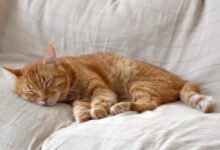

The Allure of the Orange Tabby Female Cat
Orange tabby cats hold a special place in many hearts. Their warm, ginger hues and distinctive markings are instantly recognizable and often associated with a playful, affectionate personality. While the “orange cat” stereotype is well-known, the nuances of female orange tabbies – their unique characteristics, health considerations, and care requirements – deserve a closer look. This article delves into the world of these captivating felines, exploring everything from their genetics to their quirks, providing a comprehensive guide for current and prospective owners.
Physical Characteristics of Orange Tabby Female Cats
The beauty of an orange tabby lies in the variety of patterns and colors within the breed. While the orange hue is the defining feature, the specific markings can differ significantly. Understanding the genetics behind these patterns and the physical traits of these cats is key to appreciating their individuality.
Common Coat Patterns
Several distinct coat patterns are observed in orange tabby females. Each pattern has its own unique visual appeal and subtle genetic underpinnings.* Mackerel Tabby: This is the most common tabby pattern. It features narrow, parallel stripes running vertically down the cat’s sides, resembling the bones of a mackerel fish. The stripes are typically dark orange or brown on a lighter orange background.
Classic Tabby
Also known as blotched tabby, this pattern features swirling, marbled patterns on the cat’s sides. These patterns often resemble a bullseye or a target. The classic tabby has a more rounded and relaxed appearance compared to the more linear mackerel pattern.
Ticked Tabby (Abyssinian Tabby)
Unlike the other patterns, ticked tabbies don’t have distinct stripes. Instead, each hair shaft has bands of different colors, creating a shimmering, salt-and-pepper effect. The base color is orange, with subtle darker bands.
Spotted Tabby
As the name suggests, this pattern features spots of varying sizes and shapes scattered across the cat’s body. The spots can be round, oval, or even rosettes (clusters of spots).
Orange Torbie (Tortoiseshell Tabby)
This pattern combines the tabby markings with patches of black or other dark colors, creating a mottled appearance. It’s less common in female cats due to the genetics involved.
Genetic Basis and X-Linked Inheritance
The orange color itself is determined by a sex-linked gene located on the X chromosome. This gene controls the production of pheomelanin, the pigment responsible for orange and red hues. Female cats have two X chromosomes (XX), while males have one X and one Y chromosome (XY). A female cat needs two copies of the orange gene (one on each X chromosome) to be orange.
A male cat only needs one copy of the orange gene to be orange, as the Y chromosome doesn’t carry the gene. This explains why orange tabbies are significantly more common in males. The tabby pattern itself is controlled by a separate gene, which is not sex-linked.
Body Types and Sizes
Orange tabby females typically have a medium-sized build, ranging from 8 to 12 pounds. Their body type can vary depending on their lineage. Some may be more muscular and athletic, while others are more slender and graceful. Compared to breeds like Maine Coons, which are significantly larger, or Siamese, which are more slender and angular, orange tabby females generally fall into a more moderate size and build category.
Eye Color Variations
Eye color in orange tabby females can range from vibrant green to golden yellow, or even copper. The relationship between eye color and coat pattern isn’t always straightforward, but certain combinations are more common. For example, mackerel tabbies often have green eyes, while classic tabbies may have golden or amber eyes. The intensity of the eye color can also be influenced by the cat’s overall health and genetics.
| Pattern | Description | Rarity (approximate) | Associated Traits |
|---|---|---|---|
| Mackerel Tabby | Narrow, vertical stripes | Common | Energetic, playful |
| Classic Tabby | Swirling, marbled patterns | Common | Relaxed, affectionate |
| Ticked Tabby | Banded hairs, shimmering effect | Less Common | Intelligent, curious |
| Spotted Tabby | Spots of varying sizes | Moderate | Independent, adventurous |
| Orange Torbie | Tabby markings with dark patches | Rare | Affectionate, vocal |
Temperament and Behavior
Understanding the typical temperament and behavior of orange tabby females is crucial for providing them with a happy and fulfilling life. While generalizations can be made, individual personalities vary greatly.
Personality Traits – Male vs. Female
Orange tabby cats are often described as friendly, outgoing, and affectionate. However, there are subtle differences between male and female orange tabbies. Male orange tabbies are often perceived as being more boisterous and attention-seeking, while female orange tabbies tend to be more independent and reserved, though still affectionate. This isn’t a hard and fast rule, and individual personalities play a significant role.
Playfulness and Energy Levels
Female orange tabbies are generally playful and energetic, though often less intensely so than their male counterparts. They enjoy chasing toys, batting at dangling objects, and exploring their surroundings. Typical activities include pouncing on toy mice, batting at feather wands, and engaging in short bursts of energetic play followed by periods of relaxation.
Vocalizations and Communication
Orange tabbies are known for their vocalizations, often using a variety of meows, chirps, and trills to communicate. Female orange tabbies may be slightly less vocal than males, but they still use vocalizations to express their needs and desires. Their communication style can differ from breeds like Persians, which are generally quieter, or Siamese, which are known for their distinctive, loud meows.
Affectionate Nature
Female orange tabbies are typically affectionate and enjoy cuddling with their human companions. While they may not be as overtly demanding of attention as some breeds, they appreciate gentle petting and quiet companionship. Compared to breeds known for their independence, such as Russian Blues, orange tabby females tend to be more eager to engage in physical contact.
Typical Daily Routine
Here’s a flowchart illustrating a typical daily routine for a female orange tabby cat:“`[Start] –> [Sleep (8-12 hours)] –> [Eat (2-3 times)] –> [Groom (1-2 hours)] –> [Play (30-60 minutes)] –> [Explore/Nap] –> [Social Interaction (with humans/pets)] –> [Repeat] –> [End]“`
Health Considerations
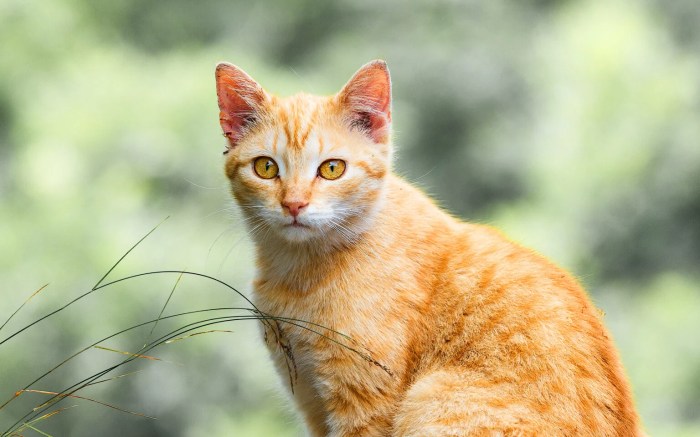
Source: a-z-animals.com
Like all cat breeds, orange tabby females are predisposed to certain health problems. Being aware of these potential issues and taking preventative measures can help ensure a long and healthy life.
Potential Health Problems
Several health problems are more prevalent in orange tabby cats, including:* Hypertrophic Cardiomyopathy (HCM): A heart condition that can lead to heart failure.
Kidney Disease
A common age-related condition that affects kidney function.
Diabetes
A metabolic disorder that affects blood sugar levels.
Urinary Tract Infections (UTIs)
Infections of the urinary tract.
Dental Disease
A common problem that can lead to pain and infection.
Preventative Care
Preventative care is essential for maintaining the health of an orange tabby female. This includes regular vaccinations, parasite control (fleas, ticks, and worms), and annual veterinary checkups.
Impact of Diet
A balanced and nutritious diet is crucial for the overall health and well-being of a female orange tabby. Suitable food types include high-quality dry kibble, wet food (canned or pouch), and occasional treats. Look for foods that are rich in protein and low in carbohydrates.
Genetic Predispositions
Due to the X-linked nature of the orange gene, female orange tabbies can sometimes exhibit genetic predispositions related to their coat color. While not directly linked to specific diseases, it’s important to be aware of potential health concerns and monitor their overall health closely.
| Condition | Symptoms | Preventative Measures |
|---|---|---|
| HCM | Difficulty breathing, lethargy, coughing | Regular vet checkups, echocardiograms |
| Kidney Disease | Increased thirst, weight loss, vomiting | Hydration, kidney-friendly diet |
| Diabetes | Increased thirst, increased urination, weight loss | Controlled diet, regular exercise |
| UTIs | Frequent urination, straining to urinate, blood in urine | Hydration, clean litter box |
| Dental Disease | Bad breath, red gums, difficulty eating | Regular dental cleanings, dental chews |
Final Summary
From their fascinating history rooted in ancient Egypt to the quirky behaviors that make them so endearing, orange tabby cat females are truly special. Understanding their needs and appreciating their unique qualities allows us to build stronger bonds and provide the best possible care. Hopefully, this guide has provided you with a comprehensive understanding of these captivating cats and inspired you to celebrate the joy they bring to our lives.
Whether you’re captivated by their playful antics or simply admire their stunning appearance, the world of the orange tabby cat female is full of wonder. Embrace the opportunity to learn more and create a loving home where your feline friend can thrive.
FAQ Compilation
Why are most orange tabby cats male?
The orange color is linked to the X chromosome. Females need two copies of the orange gene (one on each X chromosome) to be orange, while males only need one (as they have one X and one Y chromosome).
Are orange tabby cats always friendly?
While many are affectionate and playful, personality varies. It’s more about individual cat temperament than breed. Female orange tabbies can be just as independent as any other cat.
What’s the best food for an orange tabby female?
A high-quality cat food with real meat as the primary ingredient is ideal. Look for formulas appropriate for her age and activity level, and consult with your vet for specific dietary recommendations.
How often should I brush my orange tabby?
Most orange tabbies have short to medium fur and benefit from brushing 1-2 times a week to minimize shedding and prevent mats.
What are some signs of a healthy orange tabby cat?
A healthy cat will have bright eyes, a clean coat, good appetite, playful behavior, and regular bowel movements. Any changes in these areas should be checked by a vet.
Do orange tabby cats have any specific health concerns?
Like all cats, they can be prone to certain conditions. Hypertrophic cardiomyopathy (HCM) and urinary tract issues are worth being aware of, and regular vet checkups are crucial.

