Orange tabby cats are undeniably popular, radiating a warmth and friendliness that captivates many. But have you ever wondered about the unique appeal of female orange tabbies? They often seem to possess a certain grace and independence, leading to intriguing questions about their personalities and behaviors. The science behind their vibrant color is fascinating too, rooted in genetics that create these beautiful felines.
I remember once being charmed by a particularly affectionate female orange tabby named Clementine; she’d weave between my legs, purring like a tiny motor, and it sparked my curiosity about these special cats.

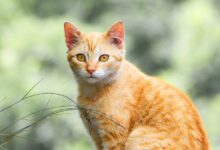
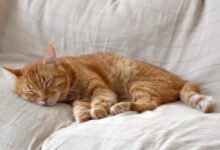

This guide dives deep into the world of female orange tabby cats, exploring their genetics, personality traits, health considerations, and how to best care for them. We’ll unravel the mysteries behind their color, discuss common misconceptions, and offer practical advice for finding and welcoming one into your home. Whether you’re a seasoned cat lover or considering adding a furry friend to your family, this is your comprehensive resource.
The Appeal of Orange Tabby Females
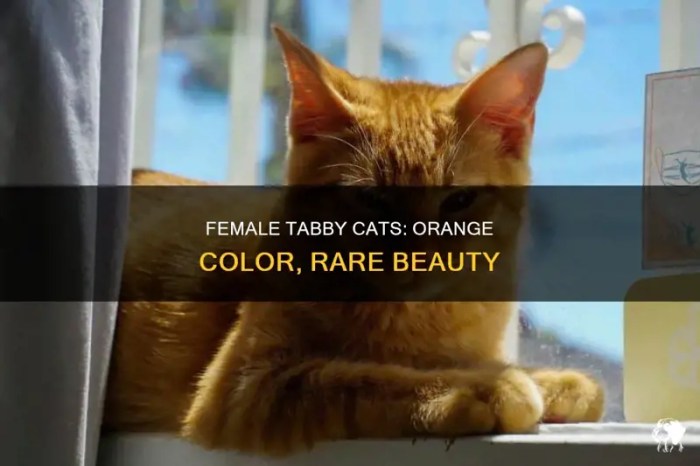
Source: petshun.com
Orange tabby cats hold a special place in many hearts. Their vibrant coats and often-friendly personalities make them incredibly popular pets. While orange tabbies themselves are relatively common, female orange tabbies are less frequently encountered than their male counterparts, leading to some curiosity and a perception that they might be different. This difference stems from the fascinating genetics behind their coloration.
Let’s dive into what makes these feline beauties so unique, starting with a glimpse into a typical encounter. Imagine a warm afternoon, sunlight streaming through a window, and a soft, orange tabby cat curls up on your lap, purring contentedly and gently kneading with her paws. That’s the kind of comforting presence many female orange tabbies offer.
Genetics and Coloration: Understanding the Science
The orange tabby coloration isn’t a simple dominant or recessive trait. It’s linked to the X chromosome, which is what makes the ratio of male to female orange tabbies so skewed. Females have two X chromosomes (XX), while males have one X and one Y chromosome (XY). The gene responsible for orange coloration (pheomelanin) exists in two forms: one producing orange/red pigment, and one producing black/brown pigment.
A female cat needs two copies of the orange gene (one on each X chromosome) to be orange. A male cat only needs one copy, as his single X chromosome carries the gene. This explains why you see far more male orange tabbies.The tabby pattern itself is a separate gene, and it’s present in both male and female cats.
It’s what creates the stripes, swirls, or spots on their coats. There are four main tabby patterns: classic (swirled), mackerel (striped), ticked (agouti hairs giving a salt-and-pepper look), and spotted. These patterns appear in orange cats just as they do in cats of other colors.
| Parent Combination | Possible Offspring |
|---|---|
| Orange Tabby Male x Calico Female | 50% Orange Tabby Male, 50% Calico Female |
| Orange Tabby Male x Tortoiseshell Female | 50% Orange Tabby Male, 50% Tortoiseshell Female |
| Orange Tabby Female x Black Male | 50% Orange Tabby Male, 50% Orange Tabby Female (with tabby pattern) |
| Calico Female x Orange Tabby Male | 50% Orange Tabby Male, 50% Calico Female |
Personality Traits: What to Expect
Orange tabbies, in general, are often described as having a “big personality” – affectionate, playful, and sometimes a little goofy. They’re known for being social and enjoying human interaction. However, there’s a common perception that female orange tabbies might exhibit slightly different personality nuances compared to their male counterparts. While generalizations are always tricky, many owners report that female orange tabbies tend to be a bit more independent and reserved than the often-boisterous male orange tabbies.
They still crave affection, but might show it in more subtle ways, like quietly following you around or choosing to sit nearby rather than constantly demanding attention.Female orange tabbies frequently display a charming blend of independence and affection. They enjoy playtime and interactive games, but also appreciate having their own quiet spaces to retreat to. They’re often intelligent and can be trained with positive reinforcement.
- Independence: They’re content to entertain themselves and don’t always need constant attention.
- Affectionate on Their Terms: They’ll show affection when
-they* feel like it, making it all the more special. - Playful and Curious: They love exploring and engaging in interactive play.
- Intelligent and Trainable: They respond well to positive reinforcement techniques.
- Observant: They often seem to be quietly observing their surroundings and the people around them.
Health Considerations: Potential Concerns
Like all cats, female orange tabbies are susceptible to common feline health issues such as upper respiratory infections, kidney disease, and dental problems. Regular veterinary checkups are crucial for early detection and management of these conditions. While there aren’t specific health concerns definitively linkedonly* to orange tabbies, maintaining a proactive approach to preventative care is always best. Genetic predispositions can vary within any breed or color variation, so a good breeder will screen for common health problems.
| Life Stage | Vaccinations | Parasite Control | Dental Care |
|---|---|---|---|
| Kitten (8-16 weeks) | FVRCP (Feline Viral Rhinotracheitis, Calicivirus, Panleukopenia), FeLV (Feline Leukemia Virus) | Deworming (multiple treatments), Flea/Tick Prevention | Initial dental exam |
| Adult (1-7 years) | Annual FVRCP booster, Rabies (as required by local laws) | Year-round Flea/Tick Prevention, Annual Deworming (if indicated) | Annual dental checkup and cleaning |
| Senior (7+ years) | Annual FVRCP booster, Rabies | Year-round Flea/Tick Prevention, As needed based on vet assessment | Bi-annual dental checkups, potential for professional cleaning |
Caring for Your Female Orange Tabby: A Guide
Providing a healthy and enriching environment is key to a happy female orange tabby. A balanced diet, formulated for cats, is essential, along with access to fresh, clean water at all times. Enrichment is also vital. This means providing plenty of opportunities for play, exploration, and mental stimulation. Safe spaces, like cozy beds or high perches, allow her to feel secure.
Scratching posts are a must to satisfy her natural scratching instincts and keep her claws healthy.Grooming requirements are relatively low for orange tabbies, but regular brushing (once or twice a week) helps minimize shedding and keeps their coat looking its best. Nail trimming should be done every few weeks, and ear cleaning as needed. Introducing a new female orange tabby to existing pets requires patience and a gradual approach.
Start by keeping them separated, allowing them to sniff each other under the door, and then gradually introduce supervised short visits.
Finding a Female Orange Tabby: Breeders vs. Shelters
If you’re looking to acquire a female orange tabby, you have two main options: reputable breeders or animal shelters/rescue organizations. Breeders specializing in tabby cats can provide detailed information about the cat’s lineage and potential health history. However, it’s crucial to thoroughly research any breeder to ensure they prioritize the health and well-being of their cats. Shelters and rescues often have female orange tabbies waiting for loving homes.
Adopting a cat from a shelter not only gives a deserving animal a second chance but also helps reduce pet overpopulation.
Ethically sourcing a cat is paramount. Supporting responsible breeders who prioritize health testing and humane breeding practices, or choosing to adopt from a reputable shelter or rescue, ensures you’re contributing to the well-being of cats and combating unethical breeding practices.
Unique Characteristics & Distinctions
The beauty of an orange tabby lies in the subtle variations within their coloration and patterns. Classic tabbies have swirling patterns, resembling marble. Mackerel tabbies have narrow, parallel stripes, reminiscent of a fish skeleton. Ticked tabbies have a salt-and-pepper appearance, with agouti hairs creating a blended effect. Spotted tabbies, as the name suggests, have distinct spots on their coats.
The shade of orange can also vary, ranging from a deep red to a lighter apricot or cream. Eye color can range from green and gold to copper and hazel, often complementing their coat color.
| Pattern | Description | Visual Characteristics | Common Appearance in Orange Cats |
|---|---|---|---|
| Classic | Swirling, blotchy patterns | Broad, rounded markings; often resembles a bullseye | Common; creates a “marble cake” effect |
| Mackerel | Narrow, parallel stripes | Thin, vertical stripes running down the sides | Very common; often referred to as “tiger stripes” |
| Ticked | Agouti hairs create a blended effect | No distinct stripes or spots; appears salt-and-pepper | Less common; gives a subtle, textured appearance |
| Spotted | Distinct spots on the coat | Round or oval spots scattered across the body | Relatively uncommon; can resemble a leopard |
Training and Enrichment
Female orange tabbies are intelligent and can be trained using positive reinforcement techniques, such as rewarding desired behaviors with treats or praise. Interactive toys, like feather wands, laser pointers (used responsibly), and puzzle feeders, provide mental and physical stimulation. Providing scratching posts and climbing structures encourages natural behaviors and helps prevent destructive scratching.
- Puzzle Toys: Engage their minds and provide a challenge.
- Feather Wands: Encourage chasing and pouncing behaviors.
- Catnip Toys: A classic for a reason – most cats love catnip!
- Window Perches: Allow them to observe the outside world.
- Cardboard Boxes: Simple, inexpensive, and endlessly entertaining.
Famous or Notable Female Orange Tabby Cats (Fictional or Real)
While many famous orange tabbies are male, there are notable female examples too. Characters like Princess in the Disney movieBusytown* are beloved orange tabby figures. Online, countless videos feature charming female orange tabbies showcasing their playful personalities. These cats, both real and fictional, contribute to the positive perception of orange tabbies as affectionate and entertaining companions.Consider Clementine, a fictional female orange tabby who overcame a fear of loud noises after a particularly frightening thunderstorm.
Through patient encouragement from her human family and a comforting plush toy, she gradually learned to associate the sounds with safety and love, eventually becoming a confident and playful member of the household.
Common Misconceptions About Orange Tabby Females
One common misconception is that all orange tabbies are male. As we’ve discussed, this is due to the genetics of the orange gene and the X chromosome. Another myth is that orange tabbies are inherently aggressive or difficult to train. This is simply untrue; individual personalities vary greatly, and with proper socialization and training, any cat can be a well-behaved companion.
Environmental factors and upbringing play a significant role in shaping a cat’s behavior.
- Misconception: All orange tabbies are male. Fact: While less common, female orange tabbies do exist.
- Misconception: Orange tabbies are aggressive. Fact: Personality varies greatly; many are affectionate and gentle.
- Misconception: Orange tabbies are difficult to train. Fact: They are intelligent and respond well to positive reinforcement.
- Misconception: Their personality is solely determined by their color. Fact: Individual personality is shaped by genetics, environment, and upbringing.
Ending Remarks
From the fascinating science of X-linked inheritance to the delightful quirks of their personalities, female orange tabby cats are truly special. Understanding their needs, from proper nutrition and enrichment to recognizing potential health concerns, allows us to provide them with the best possible lives. Whether you choose to adopt from a shelter or find a reputable breeder, bringing an orange tabby female into your home is a rewarding experience filled with love, companionship, and endless entertainment.
Hopefully, this guide has shed some light on these captivating creatures and inspired you to appreciate their unique charm.
Question Bank
Why are female orange tabbies less common than males?
It’s all down to genetics! The orange color gene is linked to the X chromosome. Females have two X chromosomes (XX), so they need two copies of the orange gene to be orange. Males have one X and one Y chromosome (XY), so they only need one copy of the orange gene to be orange. This results in roughly a 3:1 ratio of male to female orange tabbies.
What are the different tabby patterns I might see in an orange tabby?
There are four main tabby patterns: classic (swirled), mackerel (striped), ticked (agouti), and spotted. Each pattern creates a unique visual appearance in orange cats, from bold swirls to subtle stripes.
Are orange tabbies known for specific personality traits?
Generally, orange tabbies are known for being affectionate, playful, and confident. However, female orange tabbies often display a greater degree of independence and can be quite sassy!
What are some common health concerns to be aware of in orange tabby cats?
Like all cats, orange tabbies can be susceptible to common issues like kidney disease, diabetes, and dental problems. Regular vet checkups and preventative care are crucial for maintaining their health.
How can I best introduce a new female orange tabby to my existing pets?
Slow and steady wins the race! Start by keeping them separated, allowing them to sniff each other under the door. Gradually introduce them in short, supervised sessions, and always provide plenty of safe spaces for each pet to retreat to.
What’s the difference between a “red” and an “apricot” orange tabby?
These terms refer to the shade of orange. “Red” tabbies tend to have a deeper, richer orange color, while “apricot” tabbies have a lighter, more pastel hue.

