The idea of “images of cat worms” might initially evoke a shudder, a visceral reaction to the unsettling combination of a beloved pet and a parasitic intruder. But beyond the initial discomfort lies a fascinating exploration of biology, artistic interpretation, cultural beliefs, and even the psychology of disgust. This deep dive will unpack the various facets of this unusual subject, from the scientific realities of feline intestinal parasites to the symbolic meanings artists can imbue in such imagery, and how it all plays out in our minds.
We’ll journey through the life cycles of common cat worms, examine how they’re depicted in art and media, and consider the emotional responses these images can trigger. It’s a surprisingly complex topic, touching on everything from historical folklore to modern ethical considerations for artists working with sensitive subjects. Prepare to have your perceptions challenged and your curiosity piqued!

Images of Cat Worms: A Deep Dive into Biology, Art, and Perception
The concept of cats and worms, particularly depicted visually, is inherently unsettling. It combines the familiar comfort of a beloved pet with the visceral disgust associated with parasites. This exploration delves into the multifaceted nature of this imagery, examining the biological realities of feline parasitic infections, the artistic interpretations they inspire, their presence in popular culture, and the psychological impact they have on viewers.
We’ll navigate the science, the art, and the emotional responses, all while considering the ethical implications of portraying animals in potentially distressing situations.
This isn’t just about creating unsettling images; it’s about understanding
-why* they are unsettling, and what they reveal about our relationship with animals, disease, and the boundaries of the aesthetically acceptable. We’ll unpack the symbolism, the artistic techniques, and the cultural context that shape our perception of these unusual and often disturbing visuals.
1. The Biological Reality of Cat Worms (Parasitic Infections)
Understanding the biological basis of cat worm infestations is crucial for appreciating the imagery. These parasites aren’t just a visual trope; they represent a real health concern for felines and, occasionally, humans. Let’s examine the common types, their life cycles, transmission methods, and contributing environmental factors.
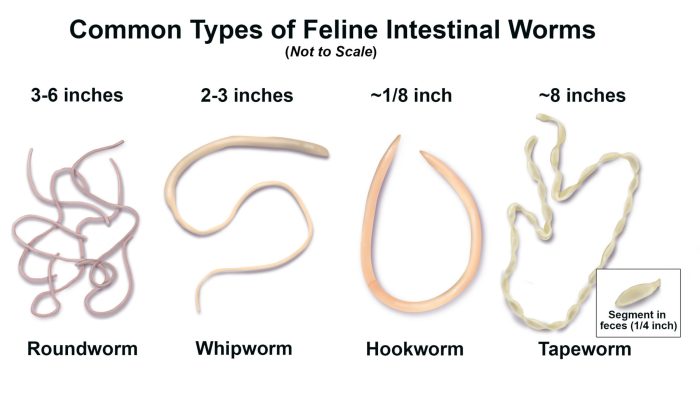
- Common Types of Intestinal Worms: Roundworms ( Toxocara cati), tapeworms (various species, often transmitted via fleas), hookworms ( Ancylostoma tubaeforme), and whipworms ( Trichuris vulpis) are the most frequently encountered intestinal parasites in domestic cats. Less common but still possible are heartworms ( Dirofilaria immitis), which affect the cardiovascular system.
- Life Cycles: Each worm type has a unique life cycle. Roundworms often involve eggs passed in feces, ingested by the cat, and developing into larvae that migrate through the body before maturing in the intestines. Tapeworms require an intermediate host, typically fleas, where the larval stage develops. Hookworms burrow into the cat’s intestinal wall, feeding on blood. Whipworms reside in the large intestine, attaching with a whip-like tail.
- Transmission: Cats can contract worms through ingesting contaminated soil, feces, or prey (e.g., rodents). Tapeworm transmission is heavily reliant on flea infestations. Humans can be infected by roundworm larvae through contact with contaminated soil or feces, though feline-to-human transmission of other worm types is less common.
- Environmental Factors: Warm, humid climates favor worm survival and development. Poor sanitation, overcrowding, and access to untreated water sources increase the risk of infestation. The presence of rodents and other wildlife can also introduce parasites into the cat population.
| Worm Type | Symptoms | Diagnosis | Treatment |
|---|---|---|---|
| Roundworm | Vomiting, diarrhea, weight loss, pot-bellied appearance (especially in kittens) | Fecal flotation | Deworming medication (e.g., pyrantel pamoate) |
| Tapeworm | Visible segments (rice-like) in feces, scooting | Fecal flotation | Deworming medication (e.g., praziquantel) |
| Hookworm | Anemia, weakness, weight loss, dark, tarry stools | Fecal flotation, blood tests | Deworming medication (e.g., fenbendazole) |
| Whipworm | Diarrhea, weight loss, dehydration | Fecal flotation | Deworming medication (e.g., fenbendazole) |
2. Visual Representations
Artistic Interpretations
Moving beyond the biological reality, let’s explore how artists have interpreted the concept of cats and worms. The combination is ripe with symbolic potential, offering opportunities for surreal, unsettling, and thought-provoking imagery. We’ll consider artistic styles, symbolism, existing artwork, and mood board elements.
- Artistic Styles & Color Palettes: Surrealism lends itself well to this theme, allowing for dreamlike and illogical depictions. Impressionism could soften the harshness, creating a more melancholic or ethereal feel. Color palettes could range from muted earth tones to vibrant, almost psychedelic hues, depending on the desired emotional impact. A predominantly cool palette (blues, greens, purples) might evoke a sense of unease, while warmer tones (reds, oranges, yellows) could suggest fever or decay.
- Symbolism: A cat with worms could represent vulnerability, hidden illness, the corruption of innocence, or the parasitic nature of relationships. The worms themselves might symbolize repressed anxieties, unwanted influences, or the inescapable consequences of one’s actions.
- Existing Artwork: Artists like Hieronymus Bosch, with his grotesque and symbolic depictions of human suffering, offer a historical precedent. Contemporary artists exploring themes of body horror and transformation, though not specifically featuring cats and worms, demonstrate a similar interest in unsettling imagery. Consider the works of Patricia Piccinini, which often feature hybrid creatures and explore the boundaries of the human form.
- Mood Board: The mood board would emphasize textures like velvet (representing the cat’s fur), slime (representing the worms), and decaying organic matter. Lighting would be predominantly low-key, with pools of shadow and highlights emphasizing the worms’ translucence. The overall atmosphere should be unsettling and dreamlike, evoking a sense of both fascination and repulsion.
3. Depictions in Media (Film, Literature, Games)
The unsettling combination of cats and parasites has occasionally surfaced in popular culture. While not always explicit, the theme of animal corruption or infestation often serves a narrative purpose. Let’s examine examples across different media and analyze their narrative function.
- Instances in Popular Culture: The theme appears subtly in some horror films, where animals are used to foreshadow impending doom or represent the decay of a family. Certain fantasy novels might feature creatures with parasitic relationships. Video games sometimes incorporate mutated animals as enemies, reflecting a sense of environmental degradation or biological horror.
- Narrative Purpose: These depictions often serve to create a sense of dread, foreshadow danger, or symbolize the corruption of innocence. In comedic contexts, the imagery might be used for shock value or to satirize societal anxieties.
- Comparison Across Media: Film relies heavily on visual impact and sound design to create a visceral reaction. Literature can explore the psychological implications in greater depth. Video games allow for interactive engagement with the unsettling imagery.
Summary
Source: co.nz
Ultimately, exploring “images of cat worms” isn’t just about the unsettling visuals themselves. It’s about understanding how we, as humans, react to the unexpected juxtaposition of innocence and infestation, beauty and revulsion. From ancient beliefs about cats and disease to contemporary artistic expressions, this topic reveals a surprising amount about our own psychological makeup and cultural anxieties.
Hopefully, this exploration has offered a new perspective on a subject that might initially seem purely unpleasant, revealing layers of meaning and artistic potential within the unexpected.
FAQ Guide
Why are cat worms a health concern for humans?
Some cat worms, like roundworms and hookworms, can be transmitted to humans, though it’s relatively rare. Proper hygiene, like washing hands after handling cats or cleaning litter boxes, is crucial to prevent infection.
Can a cat have worms even if they seem healthy?
Yes, cats can be carriers of worms without showing obvious symptoms, especially in the early stages of infection. Regular deworming is recommended, even for indoor cats.
What’s the difference between roundworms and tapeworms in cats?
Roundworms are long, thin, and spaghetti-like, while tapeworms are segmented and flat. They have different life cycles and are treated with different medications.
Are there any natural ways to prevent cat worms?
While natural remedies exist, they are often less effective than conventional deworming medications. Maintaining a clean environment, preventing cats from hunting, and feeding a high-quality diet can help reduce the risk.
Why do artists choose to depict unsettling subjects like this?
Artists often explore uncomfortable themes to provoke thought, challenge societal norms, or express complex emotions. The juxtaposition of familiar and repulsive elements can be a powerful artistic tool.