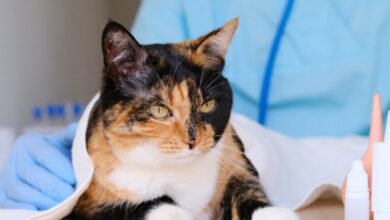
Ever noticed your cat refusing to drink or showing signs of being unwell? Vomiting, diarrhea, or even a hot day can quickly lead to dehydration in our feline friends. Pedialyte, a familiar electrolyte solution for humans, has gained some attention as a potential aid for rehydration in cats. But is it safe, and when is it appropriate? This guide dives into the world of Pedialyte for cats, exploring its potential benefits, risks, and safer alternatives to ensure your kitty stays happy and hydrated.
Understanding electrolytes and their role in a cat’s body is key. These minerals, like sodium, potassium, and chloride, are vital for everything from muscle function to nerve impulses. When a cat loses fluids through illness, they also lose electrolytes, disrupting this delicate balance. Pedialyte aims to replenish these lost electrolytes, but it’s crucial to approach its use with caution and always under the guidance of a veterinarian.

Pedialyte for Cats: A Guide to Safe Hydration
We all want the best for our feline friends, and sometimes that means addressing health concerns quickly. Dehydration can be a serious issue for cats, and you might have heard about using Pedialyte to help. But is it safe? Is it effective? This guide will break down everything you need to know about using Pedialyte for your cat, covering potential benefits, risks, safe usage, and when to seek veterinary help.
Let’s dive in!
Feline hydration becomes a concern in various situations. Vomiting and diarrhea are common culprits, leading to fluid loss. Heatstroke, especially during warmer months, can quickly dehydrate a cat. Underlying illnesses, like kidney disease or diabetes, can also impair a cat’s ability to retain fluids. Recognizing these signs early is crucial for a positive outcome.
Pedialyte is an over-the-counter electrolyte solution originally designed for human infants experiencing dehydration due to illness like diarrhea or vomiting. It’s formulated to replenish lost electrolytes and fluids. While not specifically made for cats, some owners and vets find it helpful in certain situations. Electrolytes – sodium, potassium, chloride, and magnesium – are vital for maintaining proper bodily functions in cats.
They regulate fluid balance, nerve and muscle function, and blood pressure. A deficiency can lead to weakness, lethargy, and even seizures.
| Ingredient (Human Pedialyte) | Considerations for Cats |
|---|---|
| Water | Essential for hydration; generally safe. |
| Dextrose (Sugar) | Potential concern due to high sugar content; avoid in diabetic or overweight cats. |
| Sodium Chloride (Salt) | Important electrolyte, but excessive amounts can be harmful. |
| Potassium Chloride | Essential electrolyte; deficiency can cause muscle weakness. |
| Citric Acid | Used as a flavoring agent; generally considered safe in small amounts. |
| Artificial Sweeteners (e.g., Aspartame) | Potentially toxic to cats; avoid formulations containing these. |
| Artificial Colors (e.g., Red 40) | Offer no benefit and may cause allergic reactions in some cats. |
Potential Benefits of Pedialyte for Cats
When a cat experiences vomiting or diarrhea, they lose valuable fluids and electrolytes. Pedialyte can help replenish these losses, potentially alleviating dehydration symptoms. It can also play a supportive role during illness or recovery, helping to maintain hydration and electrolyte balance. Your veterinarian might suggest Pedialyte as part of a broader treatment plan, particularly if your cat is refusing to drink water or has persistent vomiting or diarrhea.
Flowchart: Recognizing and Addressing Dehydration
- Observe your cat: Is your cat lethargic, not eating, or showing signs of dehydration (see section 7)?
- Offer small amounts of Pedialyte (diluted): Follow dosage guidelines (section 4).
- Monitor response: Is your cat drinking willingly? Are symptoms improving?
- If improvement: Continue offering Pedialyte as directed.
- If no improvement or symptoms worsen: Consult a veterinarian immediately.
- If severe symptoms (collapse, seizures): Seek emergency veterinary care.
Risks and Concerns: Why Caution is Needed
While Pedialyte can be helpful in certain situations, giving it to your cat without veterinary guidance carries risks. Human and feline electrolyte needs differ significantly. What’s beneficial for a human might be imbalanced for a cat, potentially leading to electrolyte abnormalities. The high sugar content in Pedialyte is a major concern, especially for diabetic or overweight cats. Excessive sugar intake can exacerbate diabetes and contribute to weight gain.
Certain ingredients commonly found in Pedialyte, such as artificial sweeteners and dyes, can be toxic or cause allergic reactions in cats.
- Artificial Sweeteners (Xylitol, Aspartame): Xylitol is extremely toxic to cats and can cause liver failure. Aspartame can also be problematic.
- Artificial Dyes (Red 40, Yellow 5): These offer no nutritional value and can trigger allergic reactions in sensitive cats.
- High Sugar Content: Can worsen diabetes and contribute to weight gain.
- Excessive Sodium: Can lead to electrolyte imbalances and potentially affect kidney function.
Safe Usage Guidelines: Dilution & Dosage
Proper dilution is crucial when administering Pedialyte to cats. Undiluted Pedialyte is too concentrated and can cause further electrolyte imbalances. A general guideline is to dilute Pedialyte with an equal amount of water (1:1 ratio). This creates a more palatable and safer solution for cats.
| Cat Weight | Condition | Recommended Dosage (Diluted Pedialyte) |
|---|---|---|
| Up to 5 lbs | Mild Dehydration | 1-2 teaspoons every 2-3 hours |
| 5-10 lbs | Mild Dehydration | 2-4 teaspoons every 2-3 hours |
| 10-15 lbs | Moderate Vomiting/Diarrhea | 4-6 teaspoons every 2-3 hours |
| 15+ lbs | Severe Vomiting/Diarrhea | 6-8 teaspoons every 2-3 hours |
Disclaimer: These are general guidelines only. Always consult with your veterinarian before administering Pedialyte or any electrolyte solution to your cat. They can assess your cat’s individual needs and recommend the appropriate dosage.
Administering Pedialyte to a Reluctant Cat
- Use a syringe: Draw up a small amount of diluted Pedialyte into a 1-cc or 3-cc syringe (without a needle, of course!).
- Position your cat: Hold your cat comfortably, either on your lap or on a stable surface.
- Offer slowly: Gently insert the syringe tip into the corner of your cat’s mouth, aiming towards the cheek.
- Administer in small increments: Slowly dispense a small amount of Pedialyte, allowing your cat to swallow between each increment.
- Avoid forcing: If your cat resists strongly, stop and try again later. Forcing fluids can cause aspiration.
Carefully monitor your cat’s response to Pedialyte. Watch for any adverse reactions, such as vomiting, diarrhea, lethargy, or changes in behavior. Report any concerns to your veterinarian immediately.
Alternatives to Pedialyte for Feline Hydration
Several alternatives to Pedialyte can help hydrate your cat. Commercially available electrolyte solutions specifically formulated for cats are a safer and more balanced option. These solutions are designed to meet a cat’s unique electrolyte needs and often contain fewer additives. Unflavored, low-sodium chicken or bone broth can also be a palatable and hydrating source, but ensure it’s free of onions and garlic, which are toxic to cats.
You can even make homemade electrolyte solutions, but precise measurements are essential to avoid imbalances.
Homemade Electrolyte Solution Recipe

Source: cats.com
- 1 cup water
- 1/8 teaspoon salt (sodium chloride)
- 1/4 teaspoon sugar (dextrose) – use sparingly and only if recommended by your vet
- Mix thoroughly until dissolved
Fresh, clean water should always be the primary hydration source for your cat. Encourage drinking by providing multiple water bowls in different locations and considering a cat fountain.
Specific Conditions & Pedialyte
Heatstroke is a life-threatening emergency for cats. Symptoms include excessive panting, drooling, weakness, and collapse. Immediate cooling measures, including offering diluted Pedialyte (or a commercial electrolyte solution) to help rehydrate, are crucial. During recovery from surgery or anesthesia, cats may be reluctant to drink. Pedialyte can help maintain hydration and support recovery.
Your veterinarian may use Pedialyte in conjunction with other medications to address dehydration and electrolyte imbalances.
| Option | Cost | Ingredients | Ease of Preparation |
|---|---|---|---|
| Pedialyte (Human) | Low | Water, Dextrose, Sodium Chloride, Potassium Chloride, Citric Acid, Artificial Sweeteners/Colors | Easy (but requires dilution and caution) |
| Commercial Feline Electrolyte Solutions | Moderate | Specifically formulated for cats; typically contains electrolytes and may include added vitamins | Easy (ready-to-use) |
| Homemade Electrolyte Solution | Very Low | Water, Salt, Sugar (optional) | Moderate (requires precise measurements) |
Recognizing Dehydration in Cats
Dehydration in cats can range from mild to severe. Mild signs include decreased appetite, lethargy, and dry gums. More severe signs include sunken eyes, skin tenting (see below), and collapse. Skin tenting is a simple test to assess hydration levels. Gently pinch the skin on the back of your cat’s neck and lift it slightly.
If the skin slowly returns to its normal position, your cat is likely well-hydrated. If the skin remains tented for several seconds, your cat may be dehydrated.
Visual Guide to Dehydration Stages
Imagine a series of illustrations: 1) A cat with bright, alert eyes, moist gums, and skin that quickly returns to normal after being pinched. 2) A cat with slightly sunken eyes, slightly dry gums, and skin that returns to normal a bit slower. 3) A cat with noticeably sunken eyes, dry and sticky gums, and skin that tents for a few seconds.
4) A cat with severely sunken eyes, very dry gums, and skin that tents significantly, appearing dull and lifeless.
Hydration Checklist
- Are your cat’s gums moist?
- Does your cat’s skin quickly return to normal after being pinched?
- Is your cat drinking water normally?
- Is your cat producing urine?
- Is your cat alert and active?
Veterinary Consultation: When to Seek Professional Help
Always consult with your veterinarian before administering Pedialyte or any electrolyte solution to your cat. Self-treating can be dangerous and may mask underlying medical conditions. Immediate veterinary attention is required if your cat exhibits severe vomiting, lethargy, collapse, or any other concerning symptoms. A veterinarian can accurately diagnose the underlying cause of dehydration and recommend the most appropriate treatment plan, which may include intravenous fluids or other medications.
Decision-Making Flowchart: Is My Cat Dehydrated?
- Is your cat showing signs of dehydration? (Yes/No)
- If Yes: Offer small amounts of diluted Pedialyte (or commercial electrolyte solution) as directed by your vet.
- If No: Continue monitoring.
- Is your cat improving? (Yes/No)
- If Yes: Continue monitoring and offering fluids as needed.
- If No or symptoms worsen: Consult a veterinarian immediately.
- Are there any severe symptoms? (Collapse, seizures, difficulty breathing) (Yes/No)
- If Yes: Seek emergency veterinary care.
Last Point
Ultimately, while Pedialyte
-can* be a helpful tool in certain situations, it’s not a one-size-fits-all solution for feline dehydration. Prioritizing fresh water, recognizing the signs of dehydration early, and consulting with your vet are the most important steps you can take to keep your cat healthy and hydrated. Exploring alternatives like commercial electrolyte solutions or even homemade broths, prepared with veterinary approval, can offer safer and more tailored options for your furry companion.
Remember, your vet is your best resource for addressing any health concerns. Don’t hesitate to reach out if you suspect your cat is dehydrated or if you’re considering using Pedialyte or any other electrolyte supplement.
FAQ Compilation
Can I give Pedialyte to my kitten?
While it
-might* be considered, it’s absolutely crucial to consult your vet first. Kittens are more sensitive and require precise electrolyte balance. Incorrect dosage or ingredients could be harmful.
Is all Pedialyte safe for cats?
No. Many formulations contain ingredients like artificial sweeteners (xylitol is
-extremely* toxic to cats) and dyes that are best avoided. Plain, unflavored Pedialyte is generally considered safer, but still requires veterinary approval.
How much Pedialyte should I give a cat?
Dosage varies greatly depending on the cat’s weight, condition, and the severity of dehydration.
-Never* guess. Your vet will provide specific instructions.
What if my cat refuses to drink Pedialyte?
Try offering it with a syringe (slowly!), mixing it with a small amount of wet food, or chilling it slightly. If your cat still refuses, contact your vet – forcing fluids can be dangerous.
Are there any long-term effects of using Pedialyte?
Long-term, regular use of Pedialyte without veterinary supervision isn’t recommended. It can potentially disrupt the cat’s natural electrolyte balance. It’s best used as a short-term solution under professional guidance.
Can Pedialyte help with heatstroke in cats?
Yes, it can help replenish lost electrolytes, but heatstroke is a serious emergency. Immediate veterinary care is essential, alongside offering cool (not cold) water or Pedialyte as directed by your vet.