Let’s be honest, our cats are family. Whether they’re indoor explorers or enjoy a bit of outdoor adventure, the thought of them getting lost is a worry for many of us. Cat ownership is booming – with over 47 million households in the US alone owning a feline friend – and a significant portion of those cats spend time outdoors.
That’s where cat trackers come in. They offer a fantastic way to keep tabs on your furry companion, providing reassurance and a safety net should they wander too far. From GPS devices to Bluetooth beacons and cellular options, there’s a tracker out there to suit every cat and budget. This guide will break down everything you need to know to find the best trackers for cats.

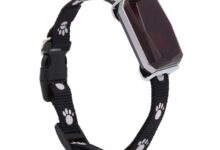
We’ll dive into the different technologies available – GPS, Bluetooth, and cellular – exploring their strengths and weaknesses. We’ll also consider crucial factors like battery life, size, durability, and those extra features that can really enhance your cat’s well-being, like activity monitoring and geofencing. Ultimately, our goal is to empower you to make an informed decision and choose a tracker that provides both you and your cat with peace of mind.
The Ultimate Guide to Cat Trackers: Keeping Your Feline Friend Safe
Let’s face it, cats are independent creatures. While we adore their cuddly moments, their adventurous spirits often lead them on explorations we can’t always follow. The rising concern for cat safety, coupled with a growing number of feline companions, has fueled a surge in interest in cat tracking devices. More and more cat owners are seeking ways to know where their furry friends are, offering peace of mind and a crucial safety net.
According to the American Veterinary Medical Association, there are roughly 47 million households in the US that own cats, and a significant portion of these cats enjoy outdoor access. This freedom, while enriching for the cat, also presents risks like getting lost, encountering traffic, or facing other dangers. Cat trackers offer a solution, and they come in various forms, each with its own strengths and weaknesses.
We’ll break down the different types – GPS, Bluetooth, and cellular – to help you choose the best fit for your cat and your lifestyle.
GPS Trackers for Cats: Functionality and Features
GPS (Global Positioning System) trackers utilize a network of satellites to pinpoint a cat’s location with remarkable accuracy. The device receives signals from these satellites, calculates its position, and transmits that data to your smartphone or computer via cellular or Wi-Fi connectivity. Think of it like your car’s navigation system, but scaled down for a feline adventurer. Accuracy varies between models, with some boasting pinpoint precision within a few feet, while others might have a margin of error of up to 30 feet.
This difference can be crucial, especially in densely wooded areas or urban environments with tall buildings that can interfere with satellite signals. A key consideration with GPS trackers is the ongoing cost of subscription fees. These fees cover the data plan required to transmit location information, and they can range from $5 to $30 per month, depending on the features and coverage area.
Comparing GPS Trackers
| Tracker Model | Price (USD) | Accuracy | Battery Life | Subscription Cost (Monthly) |
|---|---|---|---|---|
| Tractive GPS Cat LTE | $99.99 (device) | 5-10 feet | 14 days | $9.99 – $29.99 (depending on plan) |
| Whistle GO Explore | $129.99 (device) | 10-30 feet | 7 days | $9.99 – $19.99 (depending on plan) |
| Fi Smart Collar | $149.99 (device) | 5-15 feet | 30 days | $9.99 – $19.99 (depending on plan) |
Bluetooth Trackers for Cats: Range and Limitations
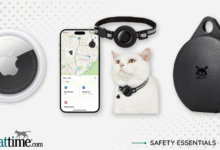
Bluetooth trackers operate differently than GPS trackers. They rely on a short-range radio frequency to communicate with a receiver, typically your smartphone. This means the tracker’s effectiveness is directly tied to the proximity of your phone. The typical range for a Bluetooth tracker is around 30-100 feet, making them ideal for indoor tracking or monitoring cats in small, enclosed yards.
Unlike GPS trackers, Bluetooth trackers don’t require a subscription fee, as they don’t transmit data over a cellular network. However, this convenience comes with a significant limitation: you must carry your phone with you at all times for the tracker to function. Imagine your cat slipping out the door while you’re distracted – if your phone isn’t nearby, the tracker is useless.
Despite these limitations, Bluetooth trackers can be valuable tools for preventing escapes. For example, you can use them to create a virtual boundary around your garden, and receive an alert on your phone when your cat approaches the edge.
Cellular Trackers for Cats: Wide Coverage and Cost
Cellular trackers offer the broadest coverage of all types, as they utilize the same network as your smartphone to transmit location data. This means they can work virtually anywhere there’s cellular service, without relying on Bluetooth or GPS. The primary drawback of cellular trackers is the ongoing cost of the data plan. These plans are typically more expensive than those for GPS trackers, ranging from $15 to $40 per month.
While GPS trackers rely on satellites for location data, cellular trackers use cell towers, which can sometimes provide less precise location information, especially in rural areas with sparse tower coverage. However, the ability to track your cat anywhere with cellular service often outweighs this slight accuracy trade-off.
Factors to Consider When Choosing a Cellular Tracker
- Coverage Area: Ensure the tracker’s cellular network operates in your area.
- Data Usage: Consider how frequently the tracker updates its location and choose a plan that meets your needs without excessive data charges.
- Battery Life: Cellular trackers tend to have shorter battery lives than GPS trackers due to the constant data transmission.
- Size and Weight: As with any tracker, prioritize a lightweight and comfortable design for your cat.
- Subscription Flexibility: Look for plans that offer month-to-month options or allow you to adjust data usage as needed.
Battery Life and Charging Considerations
Battery life is a critical factor when choosing a cat tracker. Different types of trackers have vastly different battery lives. Bluetooth trackers generally offer the longest battery life, lasting anywhere from several weeks to several months on a single charge, due to their infrequent data transmission. GPS trackers typically last for 3-14 days, while cellular trackers often have the shortest battery life, ranging from 2-7 days, due to the constant cellular connection.
The choice between rechargeable and replaceable batteries also impacts convenience and cost. Rechargeable batteries are more environmentally friendly and eliminate the need to constantly purchase replacements, but they require access to a power outlet. Replaceable batteries are easier to swap out in a pinch, but they add to the ongoing expense. Tracking frequency significantly impacts battery life. The more often the tracker updates its location, the faster the battery will drain.
Most trackers allow you to adjust the update frequency to balance accuracy and battery life.
| Tracker Model | Battery Life |
|---|---|
| Tractive GPS Cat LTE | 14 days (adjustable) |
| Whistle GO Explore | 7 days (adjustable) |
| Fi Smart Collar | 30 days (adjustable) |
| Tile Mate (Bluetooth) | 1 year (replaceable battery) |
Size and Weight: Comfort for the Cat
A cat tracker is only effective if your cat will tolerate wearing it. Therefore, choosing a lightweight and comfortable tracker is paramount. A bulky or heavy tracker can irritate your cat’s skin, restrict their movement, and even alter their behavior. Consider your cat’s size and breed when selecting a tracker. A small kitten will require a smaller, lighter tracker than a large Maine Coon.
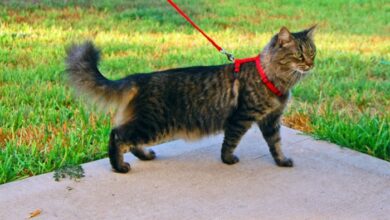
Generally, trackers weighing less than 1 ounce are considered comfortable for most cats. Ensure the tracker doesn’t interfere with your cat’s ability to groom, eat, or play. Observe your cat’s behavior after attaching the tracker to identify any signs of discomfort. Attachment methods also play a role. Collars are the most common attachment method, but harnesses can be a safer option, especially for cats prone to slipping out of collars.
Collars are easier to attach and remove, while harnesses distribute the weight more evenly and reduce the risk of injury.
Durability and Waterproofing
Cats are notorious for their adventurous and sometimes destructive behavior. A cat tracker needs to be durable enough to withstand outdoor conditions, including scratching, chewing, and exposure to the elements. Look for trackers made from robust materials like polycarbonate or TPU. Waterproofing is another crucial consideration, especially if you live in a rainy climate or have a cat who enjoys exploring near water sources.
Cat trackers typically offer varying levels of waterproofing, ranging from splash-proof to fully submersible. Splash-proof trackers can withstand light rain and splashes, while fully submersible trackers can be submerged in water for a limited time. To further protect your tracker, consider using a protective cover or collar charm. Regularly inspect the tracker for any signs of damage, such as cracks or loose components.
Features Beyond Location Tracking
Source: brilliantmaps.com
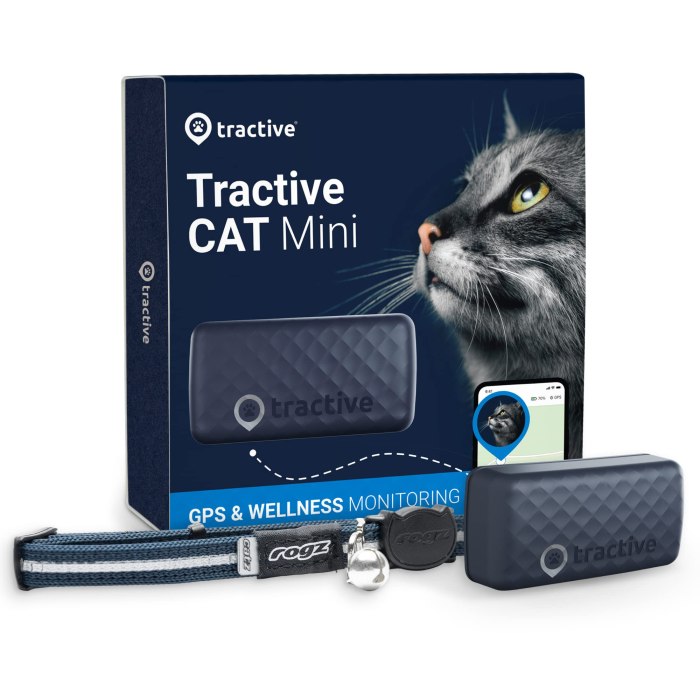
Many modern cat trackers offer features beyond basic location tracking, enhancing their functionality and providing valuable insights into your cat’s health and well-being. Activity monitoring tracks your cat’s movement, sleep patterns, and overall activity levels, providing a baseline for comparison and potentially alerting you to any changes that could indicate a health issue. Geofencing allows you to create virtual boundaries, such as your yard or neighborhood, and receive alerts when your cat leaves those zones.
Temperature alerts can warn you if your cat is exposed to extreme temperatures, which can be particularly useful during hot summer months or cold winter nights.
Temperature alerts are invaluable for cats, as they are more susceptible to heatstroke and hypothermia than humans. Receiving a notification when your cat’s environment reaches dangerous temperatures can be the difference between a minor discomfort and a life-threatening emergency.
Top Tracker Recommendations by Category
Choosing the right cat tracker can feel overwhelming, given the variety of options available. Here’s a curated list of recommended trackers based on different needs and budgets.
- Best GPS Tracker: Tractive GPS Cat LTE – Offers excellent accuracy, wide coverage, and a user-friendly app.
- Best Bluetooth Tracker: Tile Mate – Affordable, easy to use, and ideal for indoor tracking.
- Best Value Tracker: Fi Smart Collar – Combines GPS tracking with activity monitoring and a stylish design at a competitive price.
- Best for Battery Life: Fi Smart Collar – Boasts an impressive 30-day battery life.
- Best for Small Cats: Whistle GO Explore – Compact and lightweight, making it suitable for kittens and smaller breeds.
| Tracker Model | Price (USD) | Type | Key Features |
|---|---|---|---|
| Tractive GPS Cat LTE | $99.99 (device) + Subscription | GPS | Real-time tracking, activity monitoring, geofencing |
| Tile Mate | $24.99 | Bluetooth | Compact, affordable, easy to use |
| Fi Smart Collar | $149.99 (device) + Subscription | GPS | Long battery life, activity monitoring, stylish design |
| Whistle GO Explore | $129.99 (device) + Subscription | GPS | Lightweight, activity tracking, water resistant |
| Link AKC Smart Collar | $179.99 (device) + Subscription | GPS | Activity monitoring, geofencing, lost pet recovery |
Installation and Setup Procedures
Setting up a cat tracker is typically a straightforward process. First, charge the tracker fully. Next, download the manufacturer’s app on your smartphone. Follow the app’s instructions to create an account and pair the tracker with your phone via Bluetooth or Wi-Fi. This usually involves pressing a button on the tracker and confirming the connection on your phone.
Once paired, you may need to calibrate the tracker for accurate location tracking. This often involves walking around with your cat in an open area to allow the tracker to acquire satellite signals. If you encounter any setup issues, consult the manufacturer’s website or contact their customer support for assistance. Common issues include Bluetooth pairing problems, GPS signal errors, and subscription activation difficulties.
Ensure your cat’s collar or harness fits securely and comfortably before allowing them to roam freely with the tracker.
Ultimate Conclusion
Navigating the world of cat trackers can feel overwhelming, but hopefully, this guide has clarified the options and helped you understand what to look for. Whether you prioritize pinpoint accuracy with GPS, the simplicity of Bluetooth for indoor use, or the wide coverage of cellular technology, there’s a perfect fit waiting. Remember to consider your cat’s size, lifestyle, and your budget when making your choice.
Investing in a cat tracker isn’t just about technology; it’s about investing in the safety and well-being of a beloved member of your family.
With the right tracker in place, you can enjoy those outdoor adventures with your cat knowing you have a reliable way to find them if they ever stray too far. Happy tracking!
Questions Often Asked
How accurate are cat trackers?
Accuracy varies depending on the technology. GPS trackers are generally the most accurate, but can be affected by obstructions like buildings and trees. Bluetooth trackers have a very limited range (typically 30-100 feet) and rely on your phone’s connection. Cellular trackers offer good coverage but accuracy can vary.
Do I need a subscription for a GPS tracker?
Yes, most GPS trackers require a monthly subscription to cover data usage and access to the tracking service. The cost can range from $5 to $30 per month.
Are Bluetooth trackers useful if I don’t always have my phone?
Not really. Bluetooth trackers rely on your phone being within range to detect the signal. If you leave the house, the tracker won’t be able to communicate its location.
How do I know which size tracker is right for my cat?
Generally, smaller cats (under 8 pounds) will need a lighter tracker. Larger breeds can handle slightly heavier devices. Look for trackers specifically designed for cats, as they are typically smaller and lighter than those designed for dogs.
Can a cat remove a tracker from a collar?
It’s possible, especially if the collar is loose or the tracker isn’t securely attached. Consider using a breakaway collar or a harness with a secure attachment point.
What’s the difference between geofencing and activity monitoring?
Geofencing allows you to set up virtual boundaries (safe zones) and receive alerts when your cat leaves those areas. Activity monitoring tracks your cat’s movement and behavior, providing insights into their daily routines and potential health concerns.