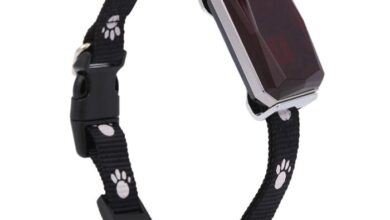
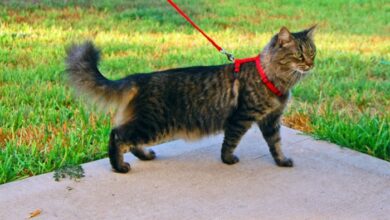
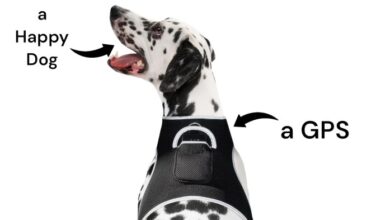
Losing a cat is a nightmare for any pet owner. Thankfully, technology has advanced to offer a powerful solution: GPS cat collars. From humble beginnings with basic pet tags to sophisticated tracking devices, the evolution of pet tracking has been remarkable. Today, these collars provide peace of mind, allowing us to monitor our cats’ whereabouts and ensure their safety, especially for those adventurous felines who love to roam.
This guide dives deep into the world of GPS cat collars, exploring the different types available, key features to consider, and potential drawbacks. We’ll also cover installation, safety, and even peek into the future of this exciting technology, all to help you make an informed decision about protecting your beloved cat.
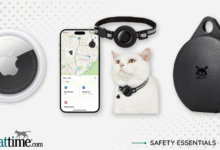


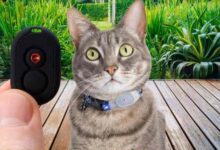
Introduction to GPS Cat Collars
Source: bestbuypick.com
The idea of tracking our pets’ whereabouts might seem like a futuristic fantasy, but it’s rapidly becoming a reality for many cat owners. Pet tracking technology has come a long way from simple ID tags. Early attempts involved rudimentary radio transmitters, bulky and often impractical. The advent of GPS (Global Positioning System) technology revolutionized the field, shrinking devices and dramatically improving accuracy.
Now, miniature GPS units can be integrated into lightweight collars, offering unprecedented insight into our feline friends’ adventures. Unfortunately, the increasing number of reports of lost or stolen cats has fueled a growing demand for reliable tracking solutions. GPS cat collars offer a powerful tool to address this concern, providing peace of mind and a significantly improved chance of reuniting with a beloved pet.These collars work by utilizing the GPS satellite network to pinpoint a cat’s location.
The collar’s GPS receiver locks onto signals from multiple satellites, calculating its precise coordinates. This data is then transmitted, typically via cellular or satellite networks, to a smartphone app or online platform, allowing owners to view their cat’s location in real-time on a map. The typical range varies depending on the technology used (more on that later), but cellular-based collars generally offer coverage wherever there’s cell service, while satellite collars can provide tracking in remote areas.Here’s a comparison of traditional pet identification methods versus GPS collars:
| Method | Pros | Cons |
|---|---|---|
| Microchip | Permanent identification, relatively inexpensive, can be scanned by vets and shelters. | Requires a vet or shelter to scan, doesn’t provide real-time location, relies on someone finding and reporting the cat. |
| ID Tag | Easy to read contact information, inexpensive, can be quickly identified by finders. | Can fall off, relies on someone finding and reading the tag, limited information. |
| GPS Collar | Real-time location tracking, geofencing capabilities, activity monitoring, can significantly increase the chances of recovery. | Ongoing subscription fees, potential for malfunction, battery life limitations, can be more expensive upfront. |
Types of GPS Cat Collars Available
The GPS technology powering cat collars isn’t a one-size-fits-all solution. Different technologies offer varying levels of accuracy, coverage, and cost. Cellular GPS collars use the existing cellular network to transmit location data. This is generally the most common type, offering good coverage in urban and suburban areas, but it’s useless in areas without cell service. Satellite GPS collars, on the other hand, utilize satellite networks, providing global coverage, ideal for cats who roam extensively or live in rural locations.
However, satellite tracking often comes with higher subscription fees. Hybrid collars combine both cellular and satellite technology, offering the best of both worlds but at a premium price.Beyond the core GPS technology, collar designs also vary significantly. Lightweight options are crucial for cats, especially smaller breeds, to avoid discomfort and ensure they don’t impede movement. Waterproof or submersible models are essential for cats who enjoy exploring outdoors, particularly near water.
Breakaway collars are a
must* for safety; they’re designed to detach if the collar gets snagged on something, preventing choking hazards.
Here’s a list of popular brands and models currently on the market:
- Tractive GPS Cat LTE: A popular choice known for its sleek design and reliable cellular tracking.
- Whistle GO Explore: Offers both cellular and GPS tracking, with activity monitoring features.
- Fi Smart Collar: Features a long battery life and a stylish design, with a focus on community features.
- Link AKC Smart Collar: Integrates GPS tracking with activity monitoring and access to AKC services.
- Pawfit 3: A lightweight and waterproof option with a long battery life and geofencing capabilities.
Let’s compare some of these collars based on key features:
| Brand/Model | Battery Life | GPS Accuracy | Subscription Fee (approx.) |
|---|---|---|---|
| Tractive GPS Cat LTE | Up to 7 days | 5-10 meters | $5-10/month |
| Whistle GO Explore | Up to 10 days | 5-10 meters | $8-12/month |
| Fi Smart Collar | Up to 30 days | 5-10 meters | $5-10/month |
| Link AKC Smart Collar | Up to 30 days | 5-10 meters | $10-15/month |
| Pawfit 3 | Up to 15 days | 5-10 meters | $4-8/month |
Features to Consider When Choosing a GPS Cat Collar
GPS accuracy is paramount. It’s typically measured in meters – the smaller the number, the more precise the location data. Most collars boast an accuracy of 5-10 meters, which is generally sufficient for locating a lost cat. However, accuracy can be affected by environmental factors (more on that later).Battery life is another critical consideration. A collar with a short battery life will require frequent charging, which can be inconvenient.
Factors affecting battery life include usage patterns (how often the GPS is actively tracking), environmental conditions (extreme temperatures can drain batteries faster), and the frequency of data transmissions.Cellular data plans and subscription fees are ongoing costs associated with GPS collars. Plans vary in price and data allowance. Basic plans might suffice for occasional tracking, while more comprehensive plans offer real-time location updates and advanced features like geofencing.
Carefully evaluate your needs and usage patterns to choose a plan that balances cost and functionality.Geofencing allows you to define virtual boundaries on a map. When your cat enters or exits a geofence, you receive an alert on your smartphone. This is incredibly useful for keeping track of cats who are allowed to roam in a specific area or for receiving immediate notification if a cat escapes.
Geofences can be customized to different shapes and sizes, allowing for precise control.Activity tracking features provide valuable insights into a cat’s behavior. These features monitor metrics like steps taken, distance traveled, and periods of rest. Changes in activity levels can be an early indicator of potential health issues or behavioral changes, allowing you to seek veterinary attention or address underlying concerns.
Installation and Setup Procedures
Activating and pairing a GPS cat collar with a smartphone app is usually a straightforward process. Typically, you’ll need to create an account on the manufacturer’s website or app, insert a SIM card (if required), and then follow the app’s instructions to pair the collar with your phone via Bluetooth.Proper collar fit is essential for both comfort and security. The collar should be snug enough to stay in place but not so tight that it restricts movement or causes discomfort.
A good rule of thumb is to be able to slide two fingers comfortably between the collar and the cat’s neck. Consider the cat’s size and breed when selecting a collar size. Larger breeds may require a wider collar, while smaller breeds may need a more petite design.Setting up geofences involves using the smartphone app to draw boundaries on a map.
You can create multiple geofences and customize alerts for each one. For example, you might create a geofence around your yard and receive an alert if your cat leaves the property.Here’s a flowchart illustrating the typical setup process:
1. Unbox Collar & App Download
Remove the collar from its packaging and download the corresponding smartphone app.
2. Account Creation
Create an account on the manufacturer’s platform.
3. SIM Card Insertion (if applicable)
Insert the provided SIM card into the collar.
4. Bluetooth Pairing
Enable Bluetooth on your smartphone and follow the app’s instructions to pair the collar.
5. Geofence Setup
Use the app to define virtual boundaries and customize alerts.
6. Collar Fitting
Adjust the collar to ensure a comfortable and secure fit.
7. Testing
Test the collar’s functionality by tracking your cat’s location within a known area.
Benefits of Using GPS Cat Collars
The peace of mind that GPS tracking provides is arguably the most significant benefit for many cat owners. Knowing you can quickly locate your cat if they get lost or wander off is invaluable.GPS collars dramatically improve the chances of locating a lost cat quickly and efficiently. Instead of relying on posters and neighborhood searches, you can use the app to pinpoint your cat’s location in real-time.Activity monitoring can help identify potential health issues or behavioral changes.
Sudden decreases in activity levels, changes in sleep patterns, or increased restlessness could indicate underlying medical problems that warrant veterinary attention.Here are a few real-life stories from cat owners who have benefited from using GPS collars:
“My cat, Whiskers, is an escape artist. Thanks to the GPS collar, I was able to find him just a few blocks away after he slipped out the door. I would have been frantic without it!”
Sarah M.
“I noticed my cat, Leo, was sleeping more than usual. The activity tracker on his collar alerted me to a significant decrease in his activity levels, and a vet visit revealed he had a kidney infection. Early detection made a huge difference in his recovery.”
David L.
“Our cat, Luna, went missing during a storm. The GPS collar allowed us to track her to a neighbor’s garage, where she had taken shelter. We were so relieved to have her back safe and sound.”
Emily R.
Potential Drawbacks and Limitations
Ongoing costs are a significant consideration. Subscription fees for cellular data plans and potential overage charges can add up over time.GPS accuracy can be limited in certain environments. Dense forests, urban canyons (areas surrounded by tall buildings), and indoor locations can obstruct satellite signals, reducing accuracy.Collar malfunction due to water damage or battery failure is a possibility. While many collars are waterproof, they may not be submersible, and prolonged exposure to water can still cause damage.
Battery failure can render the collar useless until it’s recharged.Privacy concerns related to location tracking are also worth considering. It’s important to be aware of the data being collected and how it’s being used. Review the manufacturer’s privacy policy carefully.
Safety Considerations for Cats Wearing GPS Collars
Using a breakaway collar is crucial to prevent choking hazards. If the collar gets snagged on something, the breakaway mechanism will release the collar, allowing the cat to escape.Choosing a collar material that is comfortable and non-irritating for the cat’s skin is essential. Soft, breathable materials like nylon or silicone are generally preferred. Avoid collars with rough edges or abrasive materials.The potential for GPS collars attracting predators or causing entanglement should be considered.
While rare, a brightly colored collar could attract unwanted attention from predators. Ensure the collar is properly fitted to minimize the risk of entanglement.Regularly inspecting the collar for wear and tear is important. Check for loose straps, frayed edges, or any signs of damage. Replace the collar if necessary.
Advanced Features and Future Trends
The integration of additional sensors in GPS cat collars is a growing trend. Future collars may include sensors to monitor temperature, heart rate, and even respiratory rate, providing a more comprehensive picture of a cat’s health.The potential for using machine learning to analyze cat behavior data is exciting. Machine learning algorithms can identify patterns and anomalies in activity data, potentially predicting health issues or behavioral changes before they become apparent.More energy-efficient GPS technologies are being developed, promising longer battery life and reduced subscription costs.The possibility of integrating GPS collars with smart home systems is also on the horizon.
This could allow cat owners to remotely control feeders, water fountains, and other smart devices based on their cat’s location.Here’s a table outlining potential future features and their benefits:
| Feature | Benefit |
|---|---|
| Temperature Sensor | Early detection of fever or hypothermia. |
| Heart Rate Monitor | Identification of potential cardiovascular issues. |
| Machine Learning-Based Behavior Analysis | Predictive health monitoring and early detection of behavioral changes. |
| Smart Home Integration | Remote control of pet-related devices based on location. |
Troubleshooting Common Issues
If you’re experiencing GPS signal loss, try moving to an open area with a clear view of the sky. Obstructions like buildings and trees can interfere with satellite signals. Ensure the collar’s antenna is not obstructed.Battery drainage can be addressed by reducing the frequency of location updates in the app settings. Avoid exposing the collar to extreme temperatures, which can drain the battery faster.Connectivity problems with the smartphone app can often be resolved by restarting your phone and the collar.
Ensure you have a stable internet connection.If the collar malfunctions or becomes damaged, contact the manufacturer for support or replacement options.Here’s a numbered list of troubleshooting steps:
1. Check Battery Level
Ensure the collar has sufficient battery power.
2. Restart Collar
Power cycle the collar by turning it off and on again.
3. Verify GPS Signal
Move to an open area with a clear view of the sky.
4. Update App
Ensure you have the latest version of the smartphone app installed.
5. Contact Support
If the issue persists, contact the manufacturer’s customer support for assistance.
Responsible Use and Ethical Considerations
Respecting a cat’s natural roaming behavior is crucial. While GPS tracking can provide peace of mind, it’s important to avoid excessive monitoring and allow cats to explore their surroundings within reasonable boundaries.Using GPS tracking responsibly involves avoiding intrusive surveillance and respecting the cat’s autonomy. Focus on using the technology to ensure safety and well-being, rather than micromanaging their movements.Data privacy and security are ethical considerations that should be taken seriously.
Review the manufacturer’s privacy policy carefully and be mindful of the data being collected and how it’s being used.Communicating with neighbors about using a GPS cat collar can help prevent misunderstandings and foster positive relationships. Let your neighbors know that you’re using the collar to keep track of your cat and that you’ll make every effort to prevent them from wandering onto their property.
Epilogue
Ultimately, GPS cat collars represent a significant advancement in pet safety and management. While there are costs and limitations to consider, the benefits of knowing your cat’s location and activity levels can be invaluable. Whether you’re dealing with a frequent escape artist or simply want extra peace of mind, exploring GPS collar options is a worthwhile investment in your cat’s well-being and your own.
As technology continues to evolve, we can expect even more innovative features and improved accuracy, making these collars an increasingly essential tool for responsible cat ownership. So, take the time to research and choose the collar that best suits your cat’s needs and your lifestyle – your furry friend will thank you for it!
Questions Often Asked
How accurate are GPS cat collars?
Accuracy varies depending on the technology and environment. Cellular collars generally offer better accuracy in urban areas, while satellite collars are more reliable in rural locations. Expect accuracy within 10-50 feet in ideal conditions.
What’s the difference between cellular and satellite GPS collars?
Cellular collars use cell towers to transmit data, requiring a subscription plan. Satellite collars use GPS satellites, offering wider coverage but often with higher costs and potentially less frequent updates.
Do I need a subscription for a GPS cat collar?
Most GPS cat collars require a monthly subscription to cover cellular data usage and access to the tracking app. Some satellite collars may have annual fees instead.
How long does a GPS cat collar battery last?
Battery life varies significantly, ranging from a few days to several weeks, depending on usage and the collar’s features. Frequent tracking and geofence alerts will drain the battery faster.
Are GPS cat collars safe for my cat?
Yes, as long as you choose a collar with a breakaway buckle to prevent choking hazards and ensure it’s comfortable and doesn’t irritate your cat’s skin. Regularly inspect the collar for wear and tear.
Can GPS collars be used to track a cat’s activity levels?
Many GPS collars offer activity tracking features, providing insights into your cat’s daily movement, sleep patterns, and overall activity levels. This can help identify potential health issues or behavioral changes.
What happens if my cat goes into an area with no GPS signal?
The collar will typically store location data and transmit it when a signal is reacquired. Some collars may have limited offline tracking capabilities.