Ever worry about your feline friend slipping out the door or exploring a little too far? Cat tracking device collars have become increasingly popular, offering peace of mind to worried pet parents. From simple bells to sophisticated GPS technology, the evolution of cat tracking has come a long way, and today’s collars provide a range of features to help you keep your cat safe and sound.
We’ll explore everything you need to know, from different technologies to subscription costs, so you can choose the best option for your furry companion.
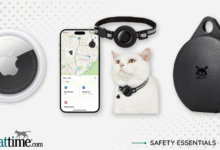


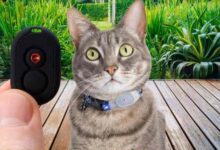
The desire to know your cat’s whereabouts, monitor their activity, and prevent escapes has fueled this growth. Early methods like microchips and bells offered limited solutions, but modern collar-based devices, particularly those utilizing GPS, cellular, and radio frequency technology, provide significantly more detailed and real-time information. Understanding the nuances of each technology is key to making an informed decision.
Introduction to Cat Tracking Device Collars
Let’s face it, cats are masters of disappearing acts. They’re curious, independent creatures, and sometimes that curiosity leads them further than we’d like. As a cat owner, the worry of a lost cat is a constant, low-level hum. Thankfully, technology has stepped in to offer a solution: cat tracking device collars. These collars are becoming increasingly popular, and for good reason.
They offer peace of mind and a powerful tool for ensuring your feline friend’s safety.
More and more pet owners are turning to these devices for a variety of reasons. Primarily, they offer a way to prevent escapes and quickly locate a cat if it does wander off. Beyond just finding a lost cat, these collars provide valuable insights into a cat’s daily activity and can even alert you to potential health concerns. It’s a proactive approach to pet ownership that many find incredibly reassuring.
The history of cat tracking isn’t as long as you might think. Early methods were quite basic. Microchips, introduced in the 1980s, provided a permanent form of identification but offered no real-time tracking capabilities. Bells on collars were a traditional, albeit noisy, attempt at alerting owners to a cat’s location. The real shift came with the development of GPS technology, which allowed for accurate, real-time location tracking.
The evolution has been rapid, moving from simple identification to sophisticated monitoring tools.
| Method | Description | Limitations |
|---|---|---|
| Microchip | A small, passive chip implanted under the skin, identified by a scanner at shelters and vet clinics. | No real-time tracking; requires a scanner to locate; only useful if the cat is found and scanned. |
| Bells | A bell attached to a collar, providing an audible alert to the cat’s location. | Limited range; can be ignored or become habituated to; doesn’t prevent escapes. |
| GPS Collar | Uses GPS satellites to pinpoint the cat’s location and transmit it to a mobile app. | Requires subscription; battery life limitations; can be bulky and expensive. |
Types of Cat Tracking Device Collars
The world of cat tracking collars isn’t a one-size-fits-all situation. Different technologies power these devices, each with its own strengths and weaknesses. Understanding these differences is crucial for choosing the right collar for your cat and your lifestyle.
The core technologies used in cat tracking collars are GPS (Global Positioning System), Cellular, Radio Frequency (RF), and Bluetooth. GPS collars rely on satellite signals for location data, offering wide-ranging coverage. Cellular collars use mobile networks to transmit data, similar to a smartphone. RF collars use radio waves to communicate with a base station, providing a shorter range but potentially lower cost.
Bluetooth collars offer very short-range tracking, typically within a home or yard.
| Technology | Range | Accuracy | Battery Life | Cost | Subscription Required? |
|---|---|---|---|---|---|
| GPS | Miles (dependent on subscription plan) | Within a few feet | 1-7 days | $50 – $300+ (plus subscription) | Yes |
| Cellular | Miles (dependent on cellular coverage) | Within a few feet | 1-5 days | $75 – $400+ (plus subscription) | Yes |
| RF | Up to 1 mile (typically less) | Varies, generally less accurate than GPS | Several days to weeks | $30 – $150 | No |
| Bluetooth | Up to 100 feet | Relatively accurate within range | Several days | $20 – $80 | No |
For example, the Tractive GPS Cat LTE collar utilizes cellular technology, offering nationwide coverage and real-time tracking. Whistle GO Explore uses GPS and cellular, boasting a long battery life and activity monitoring. PetPace offers an RF collar with temperature monitoring capabilities. Finally, Tile Mate is a Bluetooth tracker, ideal for keeping tabs on your cat within your home.
Features and Functionality
Beyond simply showing you where your cat is, modern tracking collars offer a wealth of features designed to enhance your understanding of your cat’s behavior and well-being. Choosing a collar with the right features can significantly improve its value and usefulness.
Essential features to look for include real-time location tracking, geofencing, activity monitoring, and historical data. Real-time location provides immediate updates on your cat’s whereabouts. Geofencing allows you to set virtual boundaries and receive alerts when your cat enters or leaves a designated area. Activity monitoring tracks your cat’s movement, rest, and play, providing insights into their daily routine. Historical data allows you to review your cat’s movements over time, identifying patterns and potential concerns.
Geofencing works by creating a virtual perimeter around a specific location, such as your home or yard. When your cat crosses this boundary, you receive an alert on your smartphone. Imagine this scenario: you’ve set a geofence around your backyard. Your cat, usually content to stay within the yard, suddenly slips out. Instantly, you receive a notification on your phone, allowing you to quickly retrieve your cat before they wander too far.
Activity monitoring goes beyond just tracking location. It analyzes your cat’s movement patterns, identifying periods of activity, rest, and sleep. This data can provide valuable insights into your cat’s health and behavior. A sudden decrease in activity could indicate illness or injury, prompting you to consult a veterinarian. Increased restlessness might suggest anxiety or boredom.
Historical data allows you to review your cat’s movements over days, weeks, or even months. This can help you identify patterns, such as favorite routes or areas where your cat spends most of their time. It can also reveal potential problems, such as a sudden change in routine or frequent excursions to a specific location.
- Temperature Monitoring: Some collars can track your cat’s body temperature, alerting you to potential fever or hypothermia.
- Two-Way Audio: Allows you to hear and speak to your cat remotely, potentially calming them down if they’re anxious.
- LED Lights: Enhance visibility in low-light conditions, making it easier to locate your cat at night.
Collar Design and Comfort
A tracking collar is only useful if your cat will actually wear it. Comfort and safety are paramount when choosing a collar, as an uncomfortable or unsafe collar will likely be rejected by your feline friend.
Materials used in collar construction significantly impact both durability and comfort. Nylon is a popular choice due to its strength and affordability. Silicone is flexible and waterproof, making it ideal for active cats. Leather is durable and can be quite comfortable, but requires more maintenance. The weight of the collar is also crucial; a heavy collar can be uncomfortable and even harmful to a cat’s neck.
Choosing the right collar size is essential. Measure your cat’s neck circumference and refer to the manufacturer’s sizing chart. Consider your cat’s breed and size; a larger cat will need a more robust collar than a smaller kitten. A general rule of thumb is to leave enough space to comfortably fit two fingers between the collar and your cat’s neck.
Breakaway buckles are a vital safety feature. These buckles are designed to release under pressure, preventing your cat from being strangled if the collar gets caught on something. Always choose a collar with a breakaway buckle.
Many collars are designed to minimize noise and potential irritation. Smooth surfaces and lightweight materials can reduce friction and prevent chafing. Some collars feature a low-profile design to avoid snagging on furniture or vegetation. Consider a collar with a quiet buckle to avoid startling your cat.
Battery Life and Charging
Battery life is a critical factor to consider when choosing a cat tracking collar. A collar with a short battery life will require frequent charging, which can be inconvenient. Several factors influence battery life, including the technology used, the frequency of location updates, and the ambient temperature.
Charging methods vary depending on the collar model. USB charging is the most common, offering convenience and compatibility with most devices. Some collars offer wireless charging, providing a more streamlined and user-friendly experience. The charging time also varies, ranging from a few hours to overnight.
Battery indicators and alerts are essential for ensuring your collar remains operational. Look for a collar with a clear battery level indicator on the app and low-battery alerts that notify you when it’s time to recharge.
| Model | Battery Life (Days) | Charging Time (Hours) |
|---|---|---|
| Tractive GPS Cat LTE | 2-4 | 2 |
| Whistle GO Explore | 3-7 | 3 |
| PetPace | 7-14 | 4 |
| Tile Mate | 1 year (replaceable battery) | N/A |
To maximize battery life, reduce the frequency of location updates, avoid exposing the collar to extreme temperatures, and disable unnecessary features like LED lights when not needed.
Subscription Plans and Costs
Many GPS and cellular cat tracking collars require a subscription plan to access their full functionality. These plans typically cover data usage, cellular connectivity, and access to the tracking platform.
Different subscription tiers offer varying features. Basic plans often include real-time location tracking and geofencing. Premium plans may add activity monitoring, historical data, and priority customer support. Understanding what’s included in each tier is crucial for choosing the right plan for your needs.
Be aware of potential hidden costs associated with these devices. Data overage charges can occur if you exceed the monthly data limit. Some providers may charge extra for features like extended historical data or premium customer support.
| Provider | Monthly Cost | Features Included | Data Limit |
|---|---|---|---|
| Tractive | $5 – $15 | Real-time tracking, geofencing, activity monitoring (premium) | Varies by plan |
| Whistle | $8 – $13 | Real-time tracking, geofencing, activity monitoring | Varies by plan |
| Petcube | $10 – $20 | Real-time tracking, geofencing, activity monitoring, two-way audio | Varies by plan |
Assess your usage needs carefully before choosing a subscription plan. If you only need basic location tracking, a lower-tier plan may suffice. If you want to monitor your cat’s activity and receive detailed historical data, a premium plan might be a better investment.
Installation and Setup
Setting up a cat tracking device collar is generally a straightforward process, but it’s important to follow the instructions carefully to ensure proper functionality.
The installation process typically involves attaching the tracking device to a standard cat collar. Then, you’ll need to create an account on the manufacturer’s website or mobile app and pair the collar with your account. This usually involves scanning a QR code or entering a serial number.
Connecting the collar to the mobile app is usually done via Bluetooth or Wi-Fi. Once connected, you can configure geofences, set up notifications, and customize other settings. The app will guide you through the process, providing clear instructions and helpful tips.
Common setup issues include difficulty pairing the collar with the app, inaccurate location data, and battery drainage. Troubleshooting tips include restarting the collar and app, ensuring a strong cellular or GPS signal, and checking the collar’s firmware for updates.
[Flowchart illustrating the setup process: 1. Unbox Collar & Collar. 2. Download App. 3.
Create Account & Pair Collar. 4. Configure Geofences & Settings. 5. Test Tracking Functionality.]
Data Privacy and Security
Using a cat tracking device collar involves sharing your cat’s location data, raising important data privacy considerations. It’s crucial to understand how this data is collected, stored, and used.
Manufacturers typically implement security measures to protect user data, such as encryption and secure servers. However, data breaches can still occur. Reviewing the privacy policies of tracking device providers is essential for understanding their data handling practices.
To minimize privacy risks, use a strong password for your account, enable two-factor authentication if available, and be mindful of the information you share on the tracking platform. Regularly review your privacy settings and adjust them as needed.
Data privacy is paramount. Understand how your cat’s location data is used, review the provider’s privacy policy, and take steps to protect your personal information.
Alternatives to Collar-Based Tracking
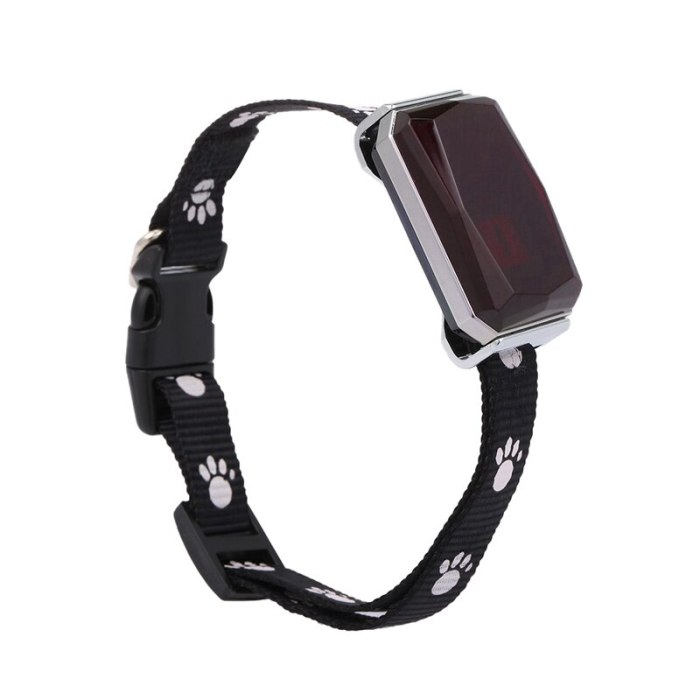
Source: nexusapp.co
While cat tracking collars offer a convenient and effective way to monitor your cat’s whereabouts, they aren’t the only option. Several alternatives can help you keep track of your feline friend.
Microchipping provides permanent identification but doesn’t offer real-time tracking. Cat-proofing the home can prevent escapes in the first place. Supervised outdoor time allows you to control your cat’s environment and ensure their safety.
Collar-based tracking offers the most comprehensive solution, providing real-time location data and a range of features. Microchipping is a valuable backup for identification but lacks tracking capabilities. Home cat-proofing is a preventative measure but doesn’t address the risk of escapes.
| Method | Cost | Effectiveness | Convenience | Limitations |
|---|---|---|---|---|
| Collar Tracking | $50 – $400+ (plus subscription) | High | Moderate | Requires charging; collar can be lost or removed. |
| Microchipping | $25 – $50 | Moderate (for identification) | High | No real-time tracking. |
| Home Cat-Proofing | Varies (depending on modifications) | High (if effective) | High | Doesn’t prevent all escapes. |
Choosing the Right Device for Your Cat
Selecting the right cat tracking device collar requires careful consideration of your cat’s individual needs and your lifestyle. A checklist can help you navigate the options and make an informed decision.
Assess your cat’s behavior and roaming habits. Does your cat stay primarily indoors, or are they an adventurous explorer? Consider your budget and desired features. Do you need real-time tracking, activity monitoring, or geofencing? Think about the environment your cat lives in – urban, rural, or a combination of both.
Reading customer reviews can provide valuable insights into the performance and reliability of different models. Compare features, battery life, and subscription costs before making a purchase. Don’t hesitate to ask questions and seek advice from other cat owners.
- What is your cat’s typical roaming range?
- What is your budget for a tracking device and subscription?
- Do you need real-time tracking, activity monitoring, or geofencing?
- What is the battery life requirement?
- What is the collar’s weight and comfort level?
- What is the provider’s data privacy policy?
Conclusion
Ultimately, choosing a cat tracking device collar is about balancing your needs, your cat’s comfort, and your budget. We’ve covered a lot of ground, from the different technologies available and essential features to consider, to the ongoing costs and privacy implications. By carefully evaluating your cat’s personality, your lifestyle, and the various options on the market, you can find a collar that provides both security and peace of mind, allowing you to enjoy the freedom of knowing where your beloved cat is at all times.
Remember to prioritize your cat’s comfort and safety above all else, and don’t hesitate to explore alternative tracking methods if a collar isn’t the right fit. With the right device and a little planning, you can ensure your feline friend’s well-being and your own peace of mind.
Essential Questionnaire
How accurate are GPS cat tracking collars?
Accuracy varies depending on the model and environmental factors. Generally, GPS collars offer accuracy within 5-15 feet in open areas, but this can decrease in dense urban environments or heavily wooded areas.
Do I need a subscription for all cat tracking collars?
GPS and cellular collars typically require a subscription for data usage and connectivity. RF and Bluetooth collars don’t require subscriptions but have limited range.
How do I know what size collar to get for my cat?
Measure your cat’s neck circumference and refer to the manufacturer’s sizing chart. Ensure there’s enough space for two fingers to fit comfortably between the collar and your cat’s neck.
What is geofencing, and how does it work?
Geofencing allows you to set virtual boundaries. If your cat leaves the designated area, you’ll receive an alert on your phone.
Are cat tracking collars waterproof?
Many collars are water-resistant, but not all are fully waterproof. Check the product specifications to ensure it can withstand your cat’s typical activities.
How can I extend the battery life of my cat tracking collar?
Reduce GPS usage by disabling real-time tracking when not needed, limit activity monitoring, and charge the collar regularly.
What happens if my cat removes the collar?
Some collars have breakaway buckles designed to release if the collar gets caught on something, preventing injury. However, this also means the collar could come off more easily.
Is my cat’s location data secure?
Reputable manufacturers use encryption and other security measures to protect user data. Always review the privacy policy before purchasing a device.