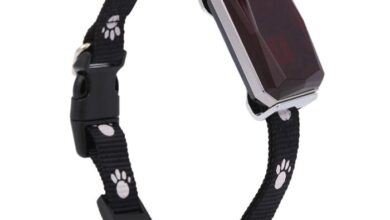
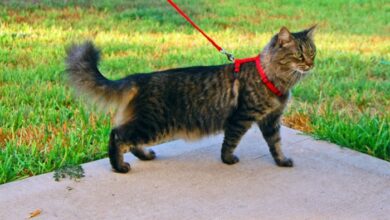
Ever worry about your cat slipping out the door or getting lost on their outdoor adventures? It’s a common concern for cat lovers! Thankfully, technology has stepped in to offer a solution: GPS cat collars. These clever devices combine the power of GPS tracking with a comfortable collar design, giving you peace of mind and a way to monitor your cat’s whereabouts.
We’ll dive into everything you need to know, from how they work to choosing the right one for your feline friend.
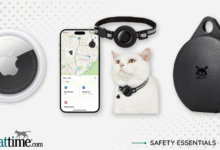


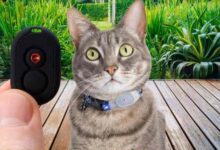
The journey of cat tracking has come a long way, starting with simple radio transmitters and evolving into sophisticated GPS and cellular solutions. Today’s collars offer real-time location data, activity monitoring, and even geofencing capabilities. Understanding these advancements and the motivations behind using them – escape prevention, activity tracking, and quick recovery if your cat does go missing – is key to making an informed decision.
GPS Cat Collars: Keeping Your Feline Friend Safe and Sound
As a cat owner, you know the unique blend of independence and vulnerability that comes with having a feline companion. They love to explore, but that wanderlust can lead to anxiety – for both you and your cat. GPS cat collars offer a modern solution to this age-old concern, providing peace of mind and a powerful tool for ensuring your cat’s safety.
This guide will walk you through everything you need to know about these devices, from how they work to choosing the right one for your cat’s lifestyle.
The core idea is simple: a small, lightweight device attached to your cat’s collar that uses GPS technology to pinpoint their location. But the technology behind it is more fascinating than you might think, and the evolution of cat tracking has been quite remarkable.
1. Introduction to GPS Cat Collars
GPS technology, at its heart, relies on a network of satellites orbiting Earth. A GPS receiver in the collar picks up signals from multiple satellites, calculates the distance to each, and then uses triangulation to determine its precise location. This location data is then transmitted to you, typically via cellular or Wi-Fi connection, allowing you to see your cat’s whereabouts on a map.
Early cat tracking devices were quite rudimentary. Initially, radio transmitters were used, offering a limited range (often just a few miles) and requiring a handheld receiver to track the cat. These were a significant improvement over nothing, but lacked the precision and convenience of modern solutions. The shift to GPS marked a major leap forward, providing much greater accuracy and range.
The introduction of cellular connectivity further revolutionized cat tracking, allowing for real-time location updates and remote monitoring without the need for a dedicated receiver.
The motivations for using a GPS cat collar are varied. Many owners want to prevent escapes, especially in areas with traffic or other dangers. Others use them to monitor their cat’s activity levels, ensuring they’re getting enough exercise and playtime. And, of course, the biggest motivator for many is the ability to quickly and easily locate a lost cat, significantly increasing the chances of a safe return.
| Technology | Range | Accuracy | Battery Life | Cost |
|---|---|---|---|---|
| Radio Transmitter | 1-3 miles | Variable, often low | Several days | $50 – $150 |
| GPS (Non-Cellular) | Unlimited (dependent on satellite visibility) | 5-15 feet | 1-5 days | $100 – $300 (plus map subscription) |
| GPS (Cellular) | Unlimited (cellular coverage dependent) | 5-10 feet | 1-7 days | $150 – $400 (plus monthly subscription) |
2. Types of GPS Cat Collars Available
The GPS cat collar market offers a range of options, each with its own advantages and disadvantages. Primarily, collars fall into two categories: subscription-based and one-time purchase. Within those categories, you’ll find variations based on connectivity (cellular vs. non-cellular).
Subscription-based collars typically use cellular networks to transmit location data. They offer real-time tracking, geofencing, and often activity monitoring, but require a recurring monthly fee. The pros include convenience, reliable tracking, and advanced features. The cons are the ongoing cost and potential data usage charges. One-time purchase collars, often non-cellular, rely on GPS satellites and store location data.
You typically download this data periodically via Bluetooth or Wi-Fi. They’re cheaper upfront but lack real-time tracking and often have limited features. The pros are the lower initial cost. The cons are the lack of real-time updates and potentially less accurate location data.
Cellular collars use the same networks as your phone, providing wide coverage. Non-cellular collars rely solely on GPS satellites, meaning they need a clear view of the sky to function. This can be a limitation in urban areas with tall buildings.
Here’s a flowchart to help you decide:
Start -> Budget: Under $200? -> Yes -> One-Time Purchase (Non-Cellular) -> End
No -> Desired Features: Real-Time Tracking & Geofencing? -> Yes -> Subscription-Based (Cellular) -> End
No -> One-Time Purchase (GPS Satellite) -> End
3. Features and Functionality
Modern GPS cat collars are packed with features designed to enhance safety and provide insights into your cat’s behavior. Real-time tracking allows you to see your cat’s location on a map as it happens. Geofencing lets you create virtual boundaries, receiving alerts when your cat enters or leaves a designated area. Activity monitoring tracks your cat’s movement, rest, and playtime, providing valuable data about their overall health and well-being.
Historical data allows you to review your cat’s movements over time, identifying patterns and potential concerns.
Geofencing is particularly useful for creating “safe zones” around your home or yard. You can set up alerts to notify you if your cat wanders beyond these boundaries, preventing them from getting lost or encountering danger. For example, you could create a geofence around your garden to ensure your cat doesn’t stray into a neighbor’s yard.
Activity monitoring can reveal subtle changes in your cat’s behavior that might indicate a health problem. A sudden decrease in activity, for instance, could be a sign of illness or injury.
- Two-way audio: Allows you to speak to your cat remotely, potentially calming them if they’re lost or anxious.
- Temperature monitoring: Alerts you if your cat’s body temperature rises or falls outside a normal range.
- Fall detection: Detects sudden falls and sends an alert, which can be crucial for older cats or those with mobility issues.
4. Collar Design and Comfort
Comfort and safety are paramount when choosing a GPS cat collar. The collar’s weight and size are critical factors. A collar that’s too heavy or bulky can be uncomfortable for your cat and may even pose a safety risk if they get caught on something. Ideally, the collar should weigh less than 10% of your cat’s body weight.
Materials also play a significant role. Durable, water-resistant materials like nylon and TPU are common. Reflective elements enhance visibility in low-light conditions. Breakaway buckles are essential for safety, allowing the collar to detach if it gets snagged, preventing injury.
| Collar Style | Description | Suitability | Pros | Cons |
|---|---|---|---|---|
| Breakaway | Features a buckle that releases under pressure. | All cats, especially those who spend time outdoors. | Enhanced safety, prevents injury. | May be less secure if cat is a determined escape artist. |
| Adjustable | Allows for a customized fit. | Cats of varying sizes. | Comfortable fit, accommodates growth. | Requires proper adjustment to prevent escape. |
| Reflective | Incorporates reflective materials for increased visibility. | Cats who roam at night. | Improved safety in low-light conditions. | May not be as stylish as other options. |
5. Battery Life and Charging
GPS cat collar battery life is influenced by several factors, including tracking frequency, cellular usage, and environmental conditions. Frequent tracking and cellular data transmission drain the battery faster. Cold temperatures can also reduce battery performance.
Charging methods vary. Magnetic charging is convenient and often waterproof, while USB charging is more common. Consider the charging time and whether the collar can be used while charging.
To maximize battery life, adjust the tracking frequency to a less frequent interval when your cat is at home. Disable unnecessary features like two-way audio when not in use.
| Collar Model | Reported Battery Life (Typical Usage) | Reported Battery Life (Frequent Tracking) |
|---|---|---|
| Model A | 5-7 days | 2-3 days |
| Model B | 3-5 days | 1-2 days |
6. Data Privacy and Security
Sharing your cat’s location data raises legitimate privacy concerns. Manufacturers should employ robust security measures to protect user data and prevent unauthorized access. Look for collars that use encryption and secure data storage practices.
Review the collar provider’s data storage policies and ensure they comply with relevant privacy regulations. Be mindful of who you share your cat’s location data with.
- Only share your cat’s location with trusted individuals.
- Review the privacy settings of the collar app.
- Be aware of how your data is being used.
- Read the terms and conditions carefully.
7. Subscription Costs and Plans
Cellular GPS cat collars typically involve monthly subscription fees. These fees vary depending on the provider and the features included. Basic plans may offer limited tracking and geofencing, while premium plans include activity monitoring, historical data, and other advanced features.
Consider the long-term costs of subscription-based collars versus the upfront cost of one-time purchase collars. While the initial investment in a subscription collar is higher, it may be more cost-effective over time if you value the advanced features and real-time tracking.
| Provider | Plan Name | Price | Data Limit | Features |
|---|---|---|---|---|
| Provider X | Basic | $10/month | 500 MB | Real-time tracking, geofencing |
| Provider Y | Premium | $20/month | Unlimited | All Basic features + activity monitoring, historical data |
8. Installation and Setup
Source: walmartimages.com
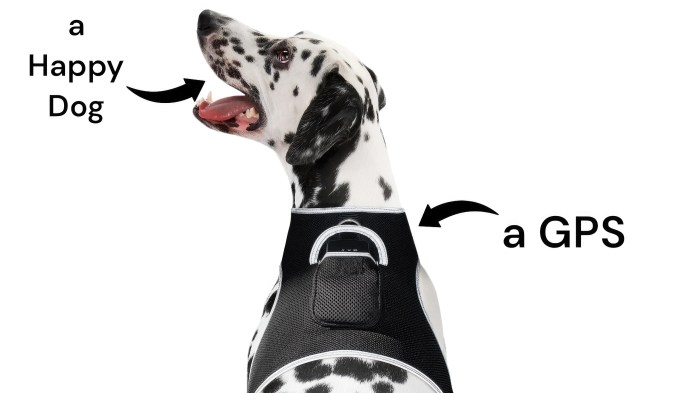
Setting up a GPS cat collar typically involves creating an account, pairing the device with your smartphone, and installing the collar’s app. Configure geofences and customize tracking settings to suit your needs.
Troubleshooting common setup issues often involves ensuring the collar is fully charged, verifying Bluetooth connectivity, and checking your internet connection.
Here’s a step-by-step guide:
- Charge the collar: Fully charge the collar using the provided charger.
- Download the app: Download the collar’s app from the App Store or Google Play.
- Create an account: Follow the in-app instructions to create an account.
- Pair the collar: Enable Bluetooth on your smartphone and follow the app’s instructions to pair the collar.
- Configure geofences: Create virtual boundaries around your home or yard.
- Customize tracking settings: Adjust the tracking frequency and other settings to your preferences.
9. Lost Cat Recovery – Utilizing the Collar
A GPS cat collar can be invaluable in the event your cat goes missing. Immediate action is crucial. Utilize the collar’s real-time tracking feature to pinpoint your cat’s location. Share the location with rescuers or neighbors to expand the search area.
Best practices for searching include focusing on areas where your cat is likely to hide, such as under bushes or in sheds. Use the collar’s features to guide your search and avoid unnecessary wandering.
Here’s a flowchart for when your cat goes missing:
Cat Missing -> Activate GPS Tracking -> Location Identified? -> Yes -> Proceed to Location & Retrieve Cat -> End
No -> Share Location with Neighbors/Rescuers -> Continue Tracking & Searching -> End
10. Durability and Environmental Considerations
GPS cat collars are designed to withstand the rigors of outdoor life. They typically offer resistance to water, dirt, and scratches. However, extreme temperatures can impact performance and battery life. High heat can degrade battery capacity, while freezing temperatures can temporarily reduce battery life and slow down the device.
Scenarios where the collar might fail include prolonged submersion in water (even if water-resistant), physical damage from rough play, or exposure to extreme temperatures. Preventative measures include regularly inspecting the collar for damage, avoiding prolonged exposure to extreme conditions, and ensuring a snug but comfortable fit.
- Regularly inspect the collar for signs of wear and tear.
- Avoid exposing the collar to extreme temperatures.
- Ensure the collar is properly fitted to prevent escape and damage.
- Clean the collar regularly with a damp cloth.
Last Recap
From understanding the different types of collars and their subscription models to ensuring a comfortable and secure fit, choosing a GPS cat collar can feel overwhelming. But with a little research and consideration of your cat’s lifestyle and your budget, you can find a collar that provides invaluable peace of mind. Ultimately, these devices are about more than just tracking; they’re about strengthening the bond with your cat and ensuring their safety and well-being.
So, whether you’re a first-time cat owner or a seasoned pro, exploring the world of GPS cat collars is a worthwhile investment in your furry companion’s happiness and security. It’s a modern solution to an age-old worry, and it’s changing the way we care for our beloved cats.
Question & Answer Hub
How accurate are GPS cat collars?
Accuracy varies depending on the collar and environmental factors, but most offer accuracy within 10-25 feet in open areas. Buildings and dense foliage can impact accuracy.
Do GPS cat collars require a subscription?
Many do, especially those using cellular data for location transmission. However, some models offer one-time purchase options that rely solely on GPS satellites.
How long does the battery typically last?
Battery life ranges from a few days to several weeks, depending on tracking frequency and usage. Frequent tracking and cellular data usage will drain the battery faster.
Are GPS cat collars safe for my cat?
Yes, as long as you choose a lightweight collar made from safe materials and ensure it fits properly. Avoid collars that are too heavy or restrictive.
Can I track my cat’s activity levels with a GPS collar?
Many collars offer activity monitoring features, allowing you to track your cat’s steps, sleep patterns, and overall activity levels.
What is geofencing, and how does it work?
Geofencing allows you to set up virtual boundaries. If your cat leaves the designated area, you’ll receive an alert on your phone.
What happens if my cat gets wet while wearing the collar?
Most collars are water-resistant, but not waterproof. Check the manufacturer’s specifications for water resistance ratings.
How do I know if the collar is the right size for my cat?
Measure your cat’s neck circumference and refer to the collar manufacturer’s sizing guide. The collar should be snug but not too tight, allowing room for two fingers to fit comfortably underneath.